
-
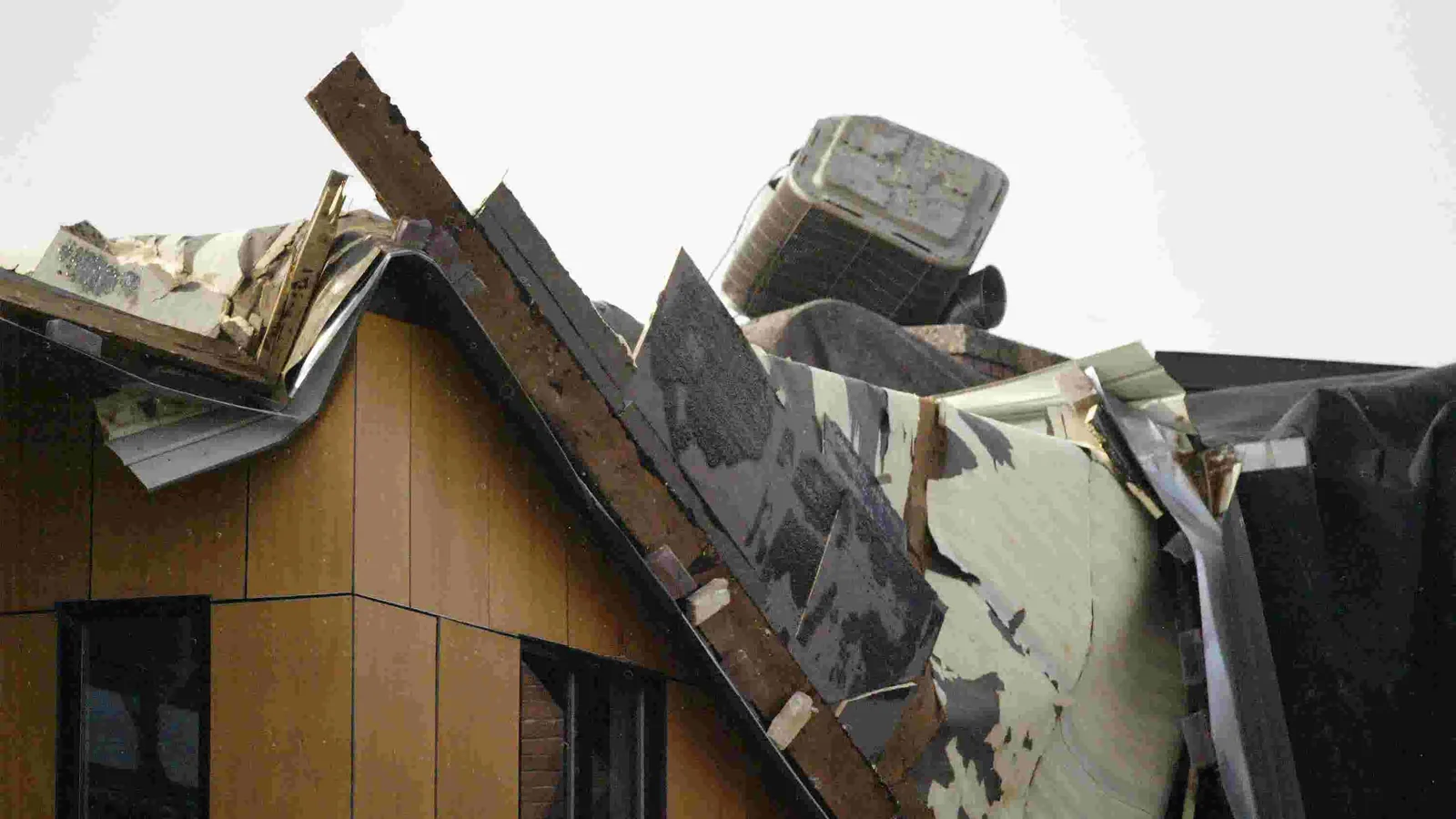
Wind Damage Commercial Roof Repair
Commercial Roofing Lynn inspects wind-affected roof edges, seams, flashings, and openings, then documents. -
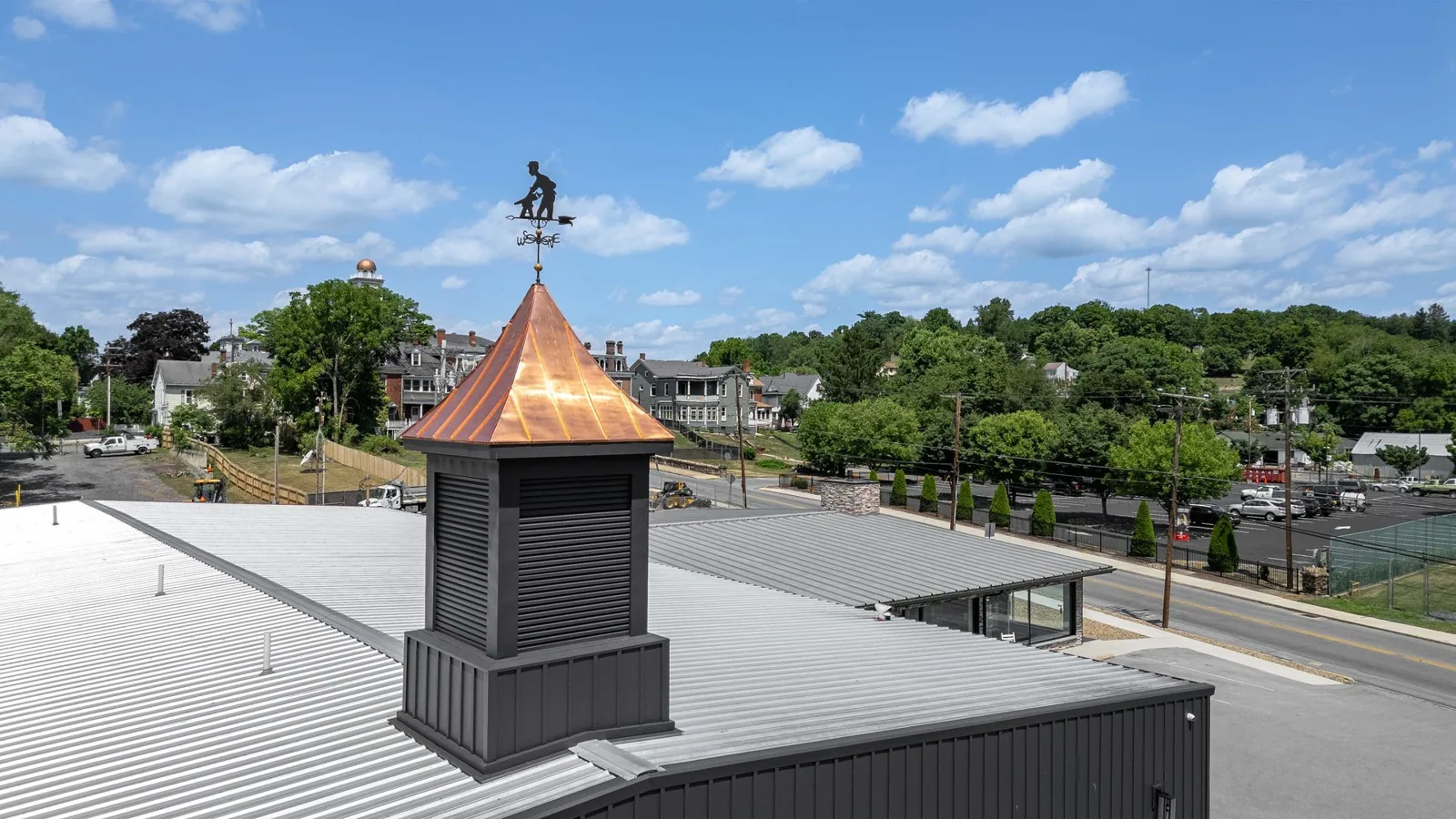
Ponding Water Commercial Roof Repair
Commercial Roofing Lynn investigates standing water, drainage paths, membrane stress, and roof-slope. -
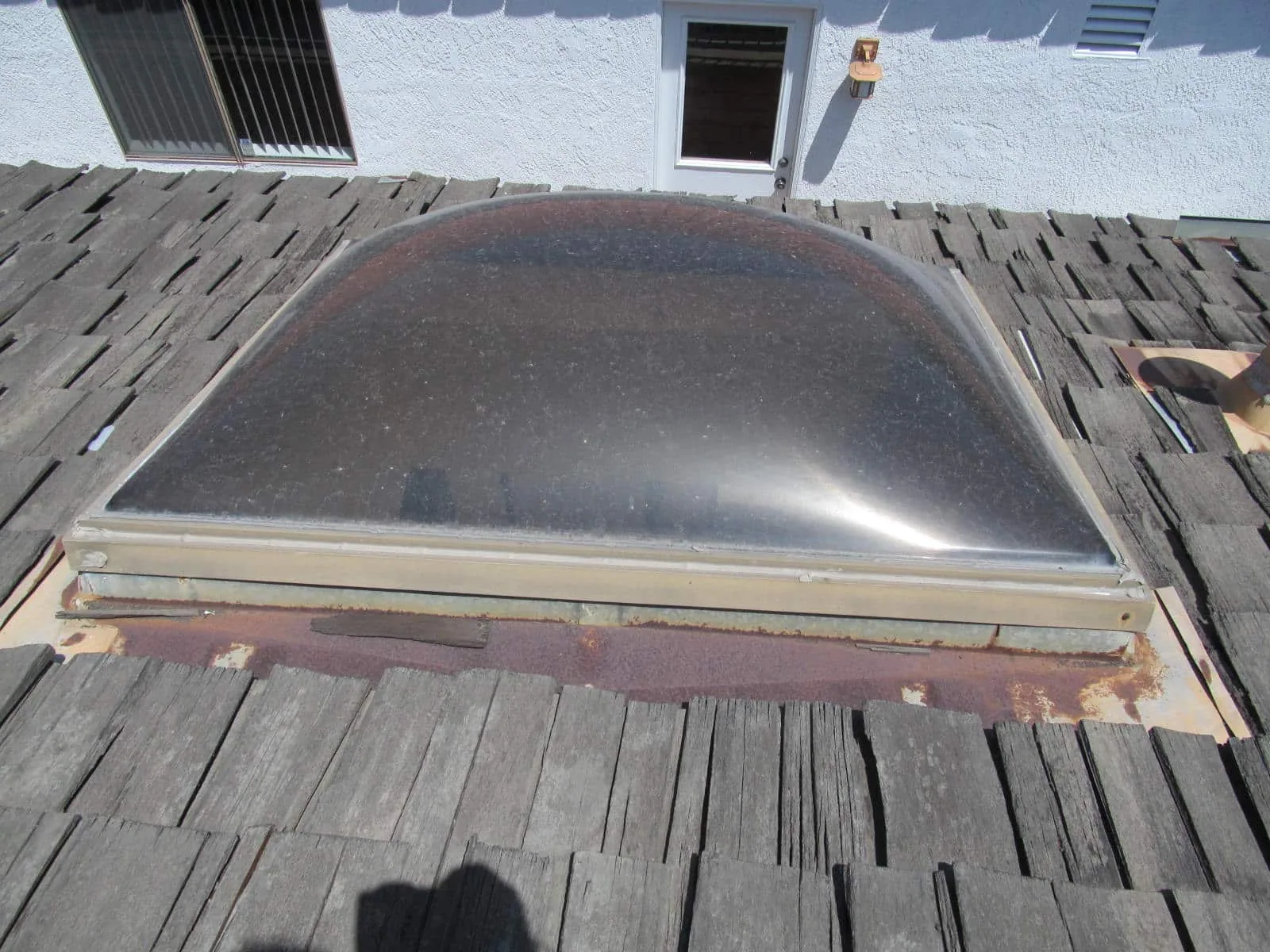
Commercial Roof Flashing Failure Repair
Commercial Roofing Lynn repairs failed roof flashing at walls, curbs, and penetrations after documenting. -
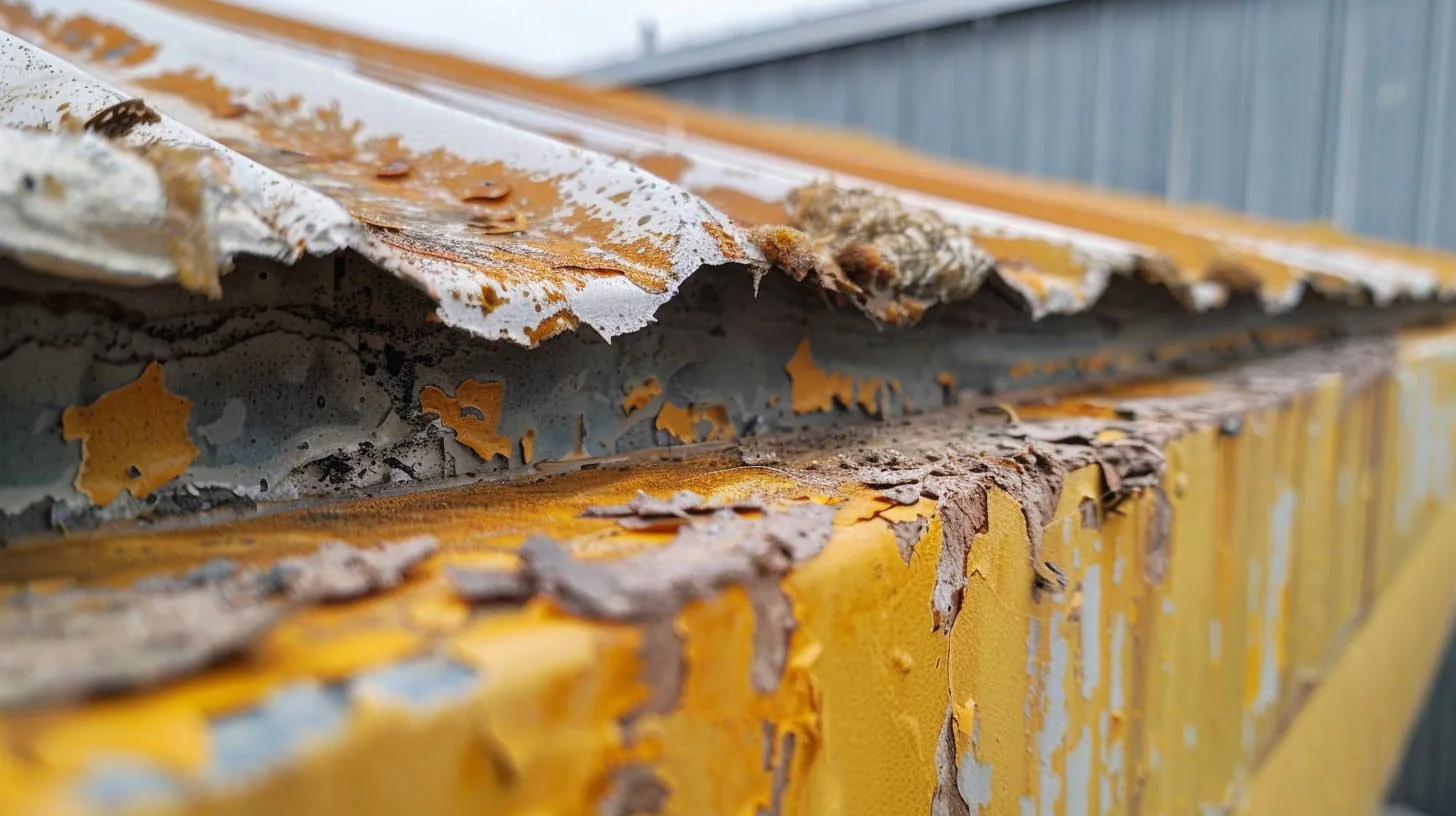
Commercial Roof Seam Failure Repair
Commercial Roofing Lynn inspects split roof seams, checks the surrounding membrane and insulation. -
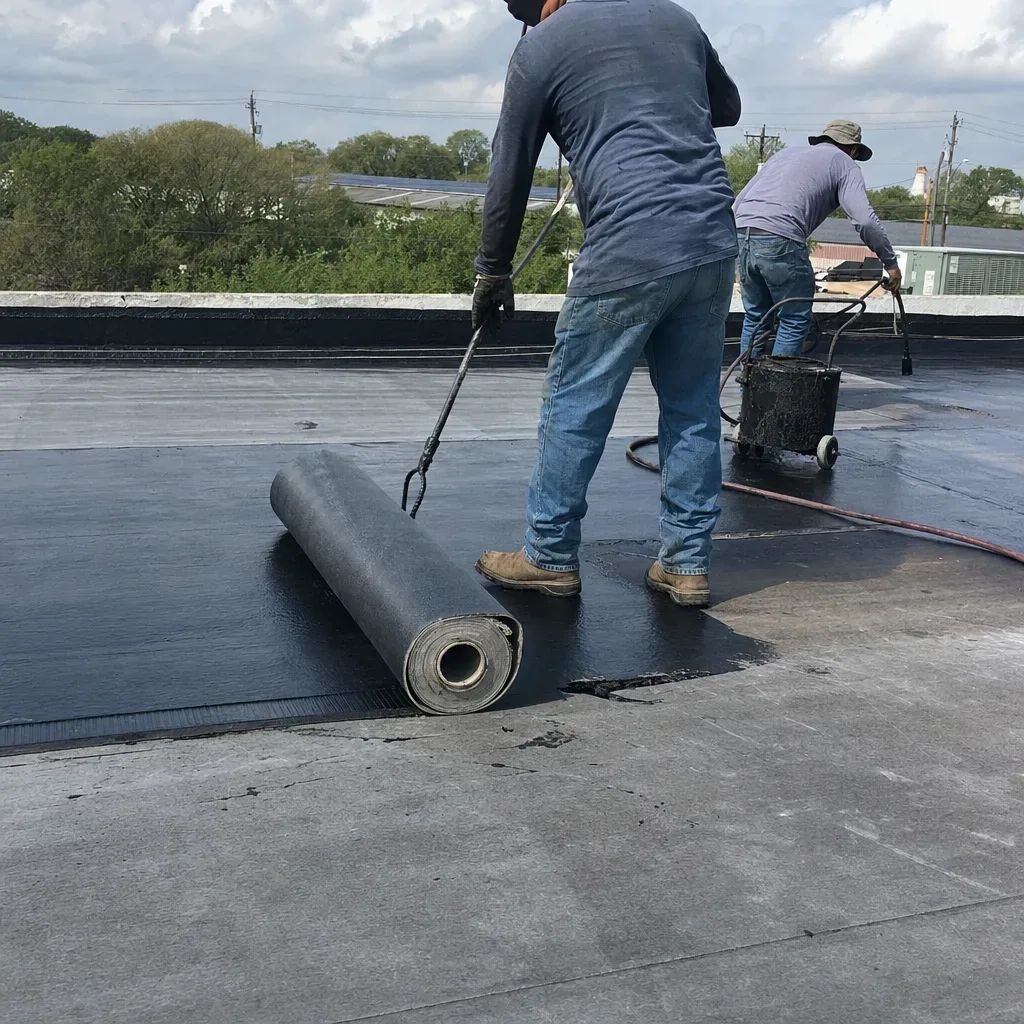
Commercial Roof Membrane Puncture Repair
Commercial Roofing Lynn locates membrane punctures, checks surrounding roof layers, and documents a compatible repair and protection plan. -
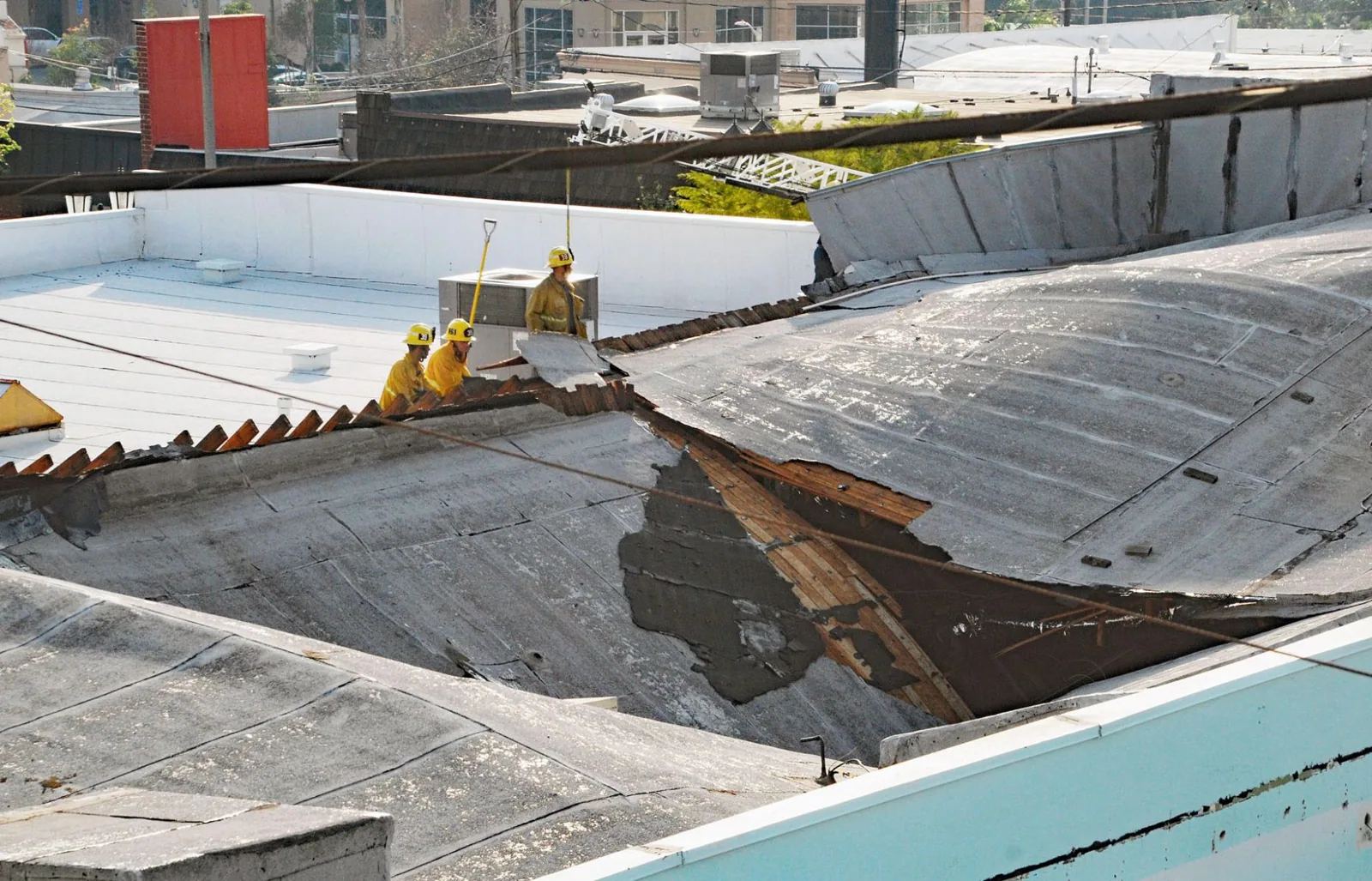
Commercial Roof Fire Damage Repair
Commercial Roofing Lynn assesses roof openings, membrane, insulation, and flashing after fire, then documents. -
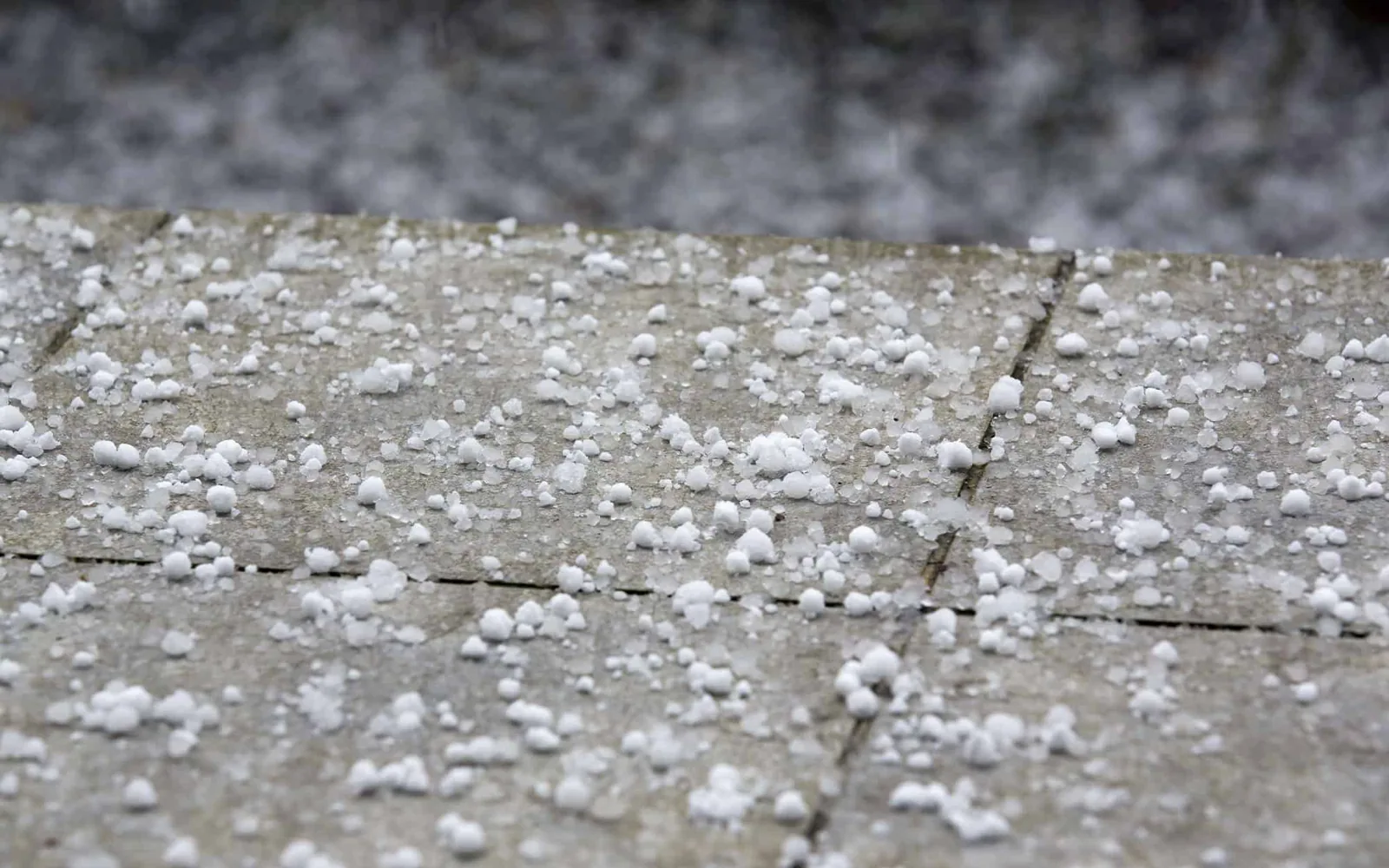
Commercial Roof Hail Damage Repair
Commercial Roofing Lynn inspects hail impacts on membranes, metal details, and rooftop equipment, then. -
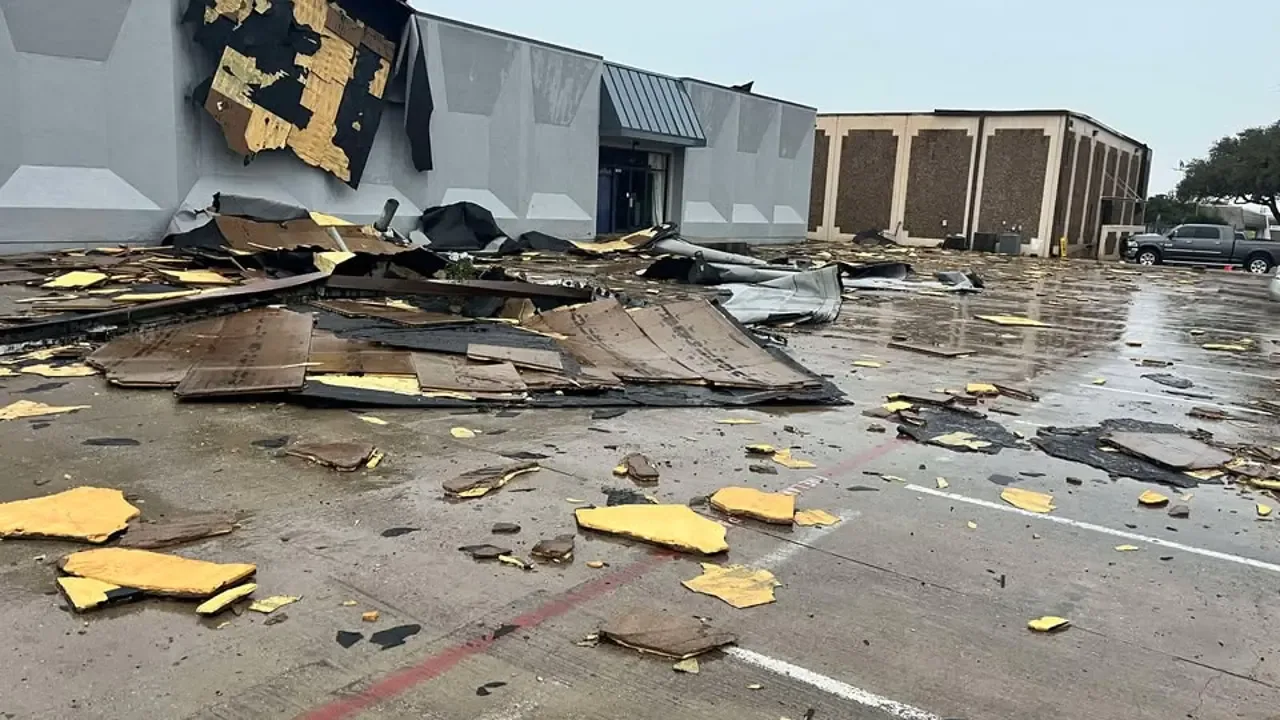
Commercial Hurricane Damage Roof Repair
Commercial Roofing Lynn assesses wind, rain, and flood-related roof conditions after coastal storms, then. -
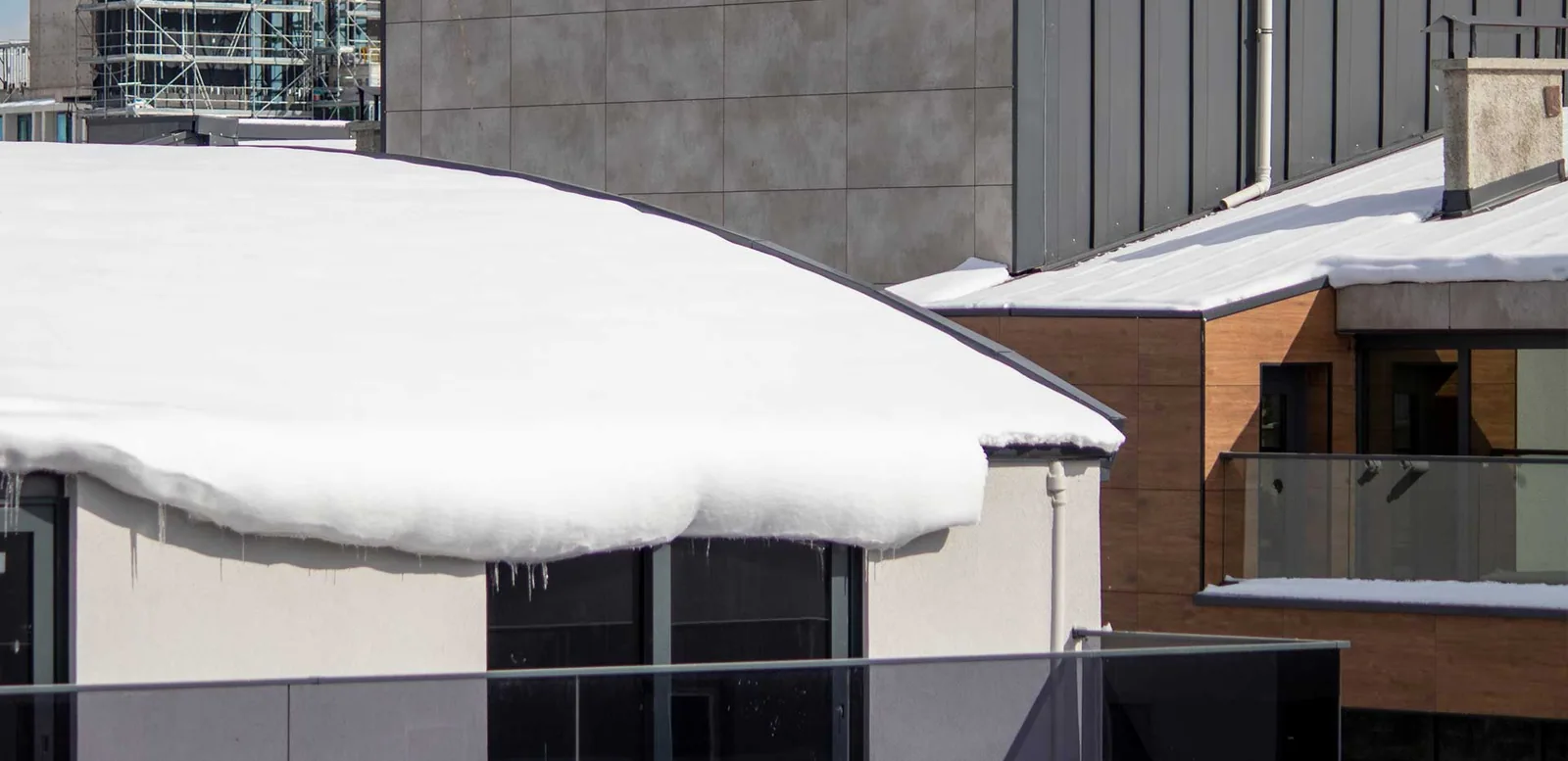
Commercial Snow and Ice Roof Damage Repair
Commercial Roofing Lynn inspects snow and ice effects on roof drainage, edges, and membrane details, then. -
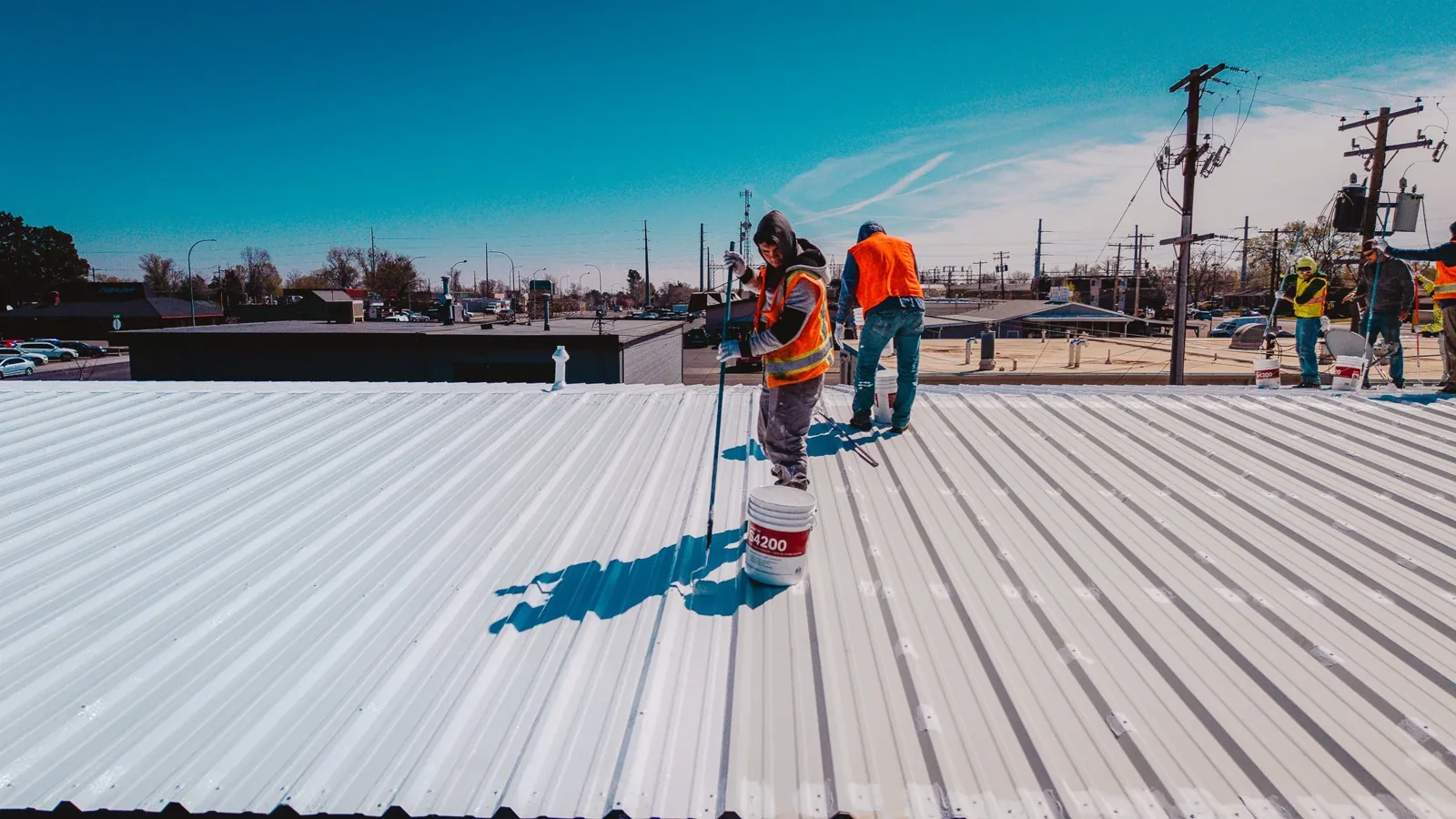
Commercial Roof Heat and UV Damage Repair
Commercial Roofing Lynn checks heat and UV-related roof deterioration, seams, coatings, and flashing before.
Event record: separate the report from the roof evidence
After a severe-weather report, a Lynn roof review starts with the affected zone and event date. Southern New England storms can bring damaging winds and hail at least one inch across. Sandy's 2012 impact included coastal flooding in Massachusetts; East Coast reports put surge between 2.5 and 4.5 feet, while Boston and Revere Beach logged separate wind measurements. Those regional observations guide the inspection, but the repair boundary comes from dated roof photos and maintenance records.
The report marks displaced metal, open seams, punctures, damaged flashing, impact marks, and interior water as separate findings. A thermal pattern can direct further investigation but does not confirm wet insulation. If a concealed layer could change the repair line, we identify a test opening and its limits.
Repair types: match the method to the failure
Different defects need different scope. An open wall transition may call for flashing repair; a separated lap may fit seam work; a localized puncture may need a compatible membrane patch. Water standing at a low point is different from a damaged drain or edge detail. We identify preparation, material, boundary, and nearby zones left untested rather than expanding the work beyond evidence.
If a reported event affects multiple areas, a storm-damage inspection can map the conditions and recommend stabilization, testing, repair, or a larger comparison. A claim file can include dated photographs and observed measurements without making a conclusion the evidence does not support.
Work sequence: protect the building before broader repair
We first coordinate safe access and any temporary protection needed to control active water entry. The site contact confirms affected rooms, equipment, loading, and work periods. The crew records each opened area and dry-in boundary, with a hold point for concealed conditions that change the agreed scope. Lynn Harbor's marine-dependent activity and Lynnway Park's warehouse and processing uses make property-specific staging important; neither setting tells us what a damaged roof contains.
Closeout links repair materials and photos to the zone map, notes exclusions, and identifies follow-up items. Owners may compare snow and ice damage, heat and UV wear, or coastal storm impacts when those conditions match what was actually found.
Commercial Roofing Questions
Does a nearby weather alert establish roof damage?
No. It helps set the inspection context, but the property needs direct evidence such as a new opening, displaced edge, tested wet material, or interior water linked to a roof condition. We record findings and uncertainty separately.
What should I preserve after a storm?
Keep the event date, safe interior photos, prior roof records, and any access restrictions. We document the roof when conditions allow, identify temporary protection, and note areas that need a return inspection.
Can a repair be completed before concealed damage is fully known?
A stabilization step may be appropriate to limit active water entry, but the permanent scope should state what is confirmed and what remains under investigation. We identify test openings when hidden layers could change the final boundary.
How do you distinguish repair from replacement after damage?
The comparison uses the number and extent of confirmed roof zones, assembly condition, test results, drainage, and access. We state which evidence supports a local repair and what additional finding would justify a broader renewal.
Request a roof damage inspection
Send the event or discovery date, building use, affected area, access contact, and any prior roof photos. We will document current conditions and outline protective next steps.