
Commercial Roof Leak Repair in Lynn, MA
The marine industrial uses around Lynn Harbor call for leak records that note exposed edges and drainage paths together. We record where water appeared inside, when it was noticed, and what was operating or weather-exposed at the time. Then we inspect the corresponding roof zone and nearby seams, penetrations, curbs, walls, drains, and edge transitions. The interior mark and roof entry may be separated by distance, so the photo record links both locations without presenting a guess as a confirmed roof entry point.
Lynnway Park includes cold storage, food processing, warehouse, and storage uses, where an active leak can threaten equipment or stored materials. Downtown Lynn has occupied commercial properties with different access and protection needs. We identify the building use, the rooms below the suspected area, and the access window before opening or testing the roof. Our roof inspection creates a dated condition log, marks the suspected path, and states what evidence supports the proposed repair.
Trace commercial roof leaks in Lynn from the interior report to roof-level entry points, then document the repair boundary, dry-in, and follow-up findings.
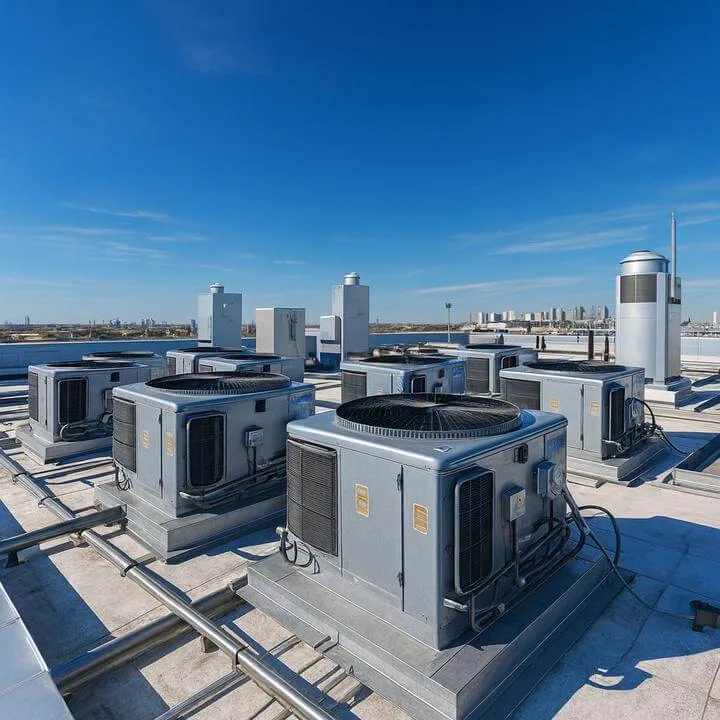
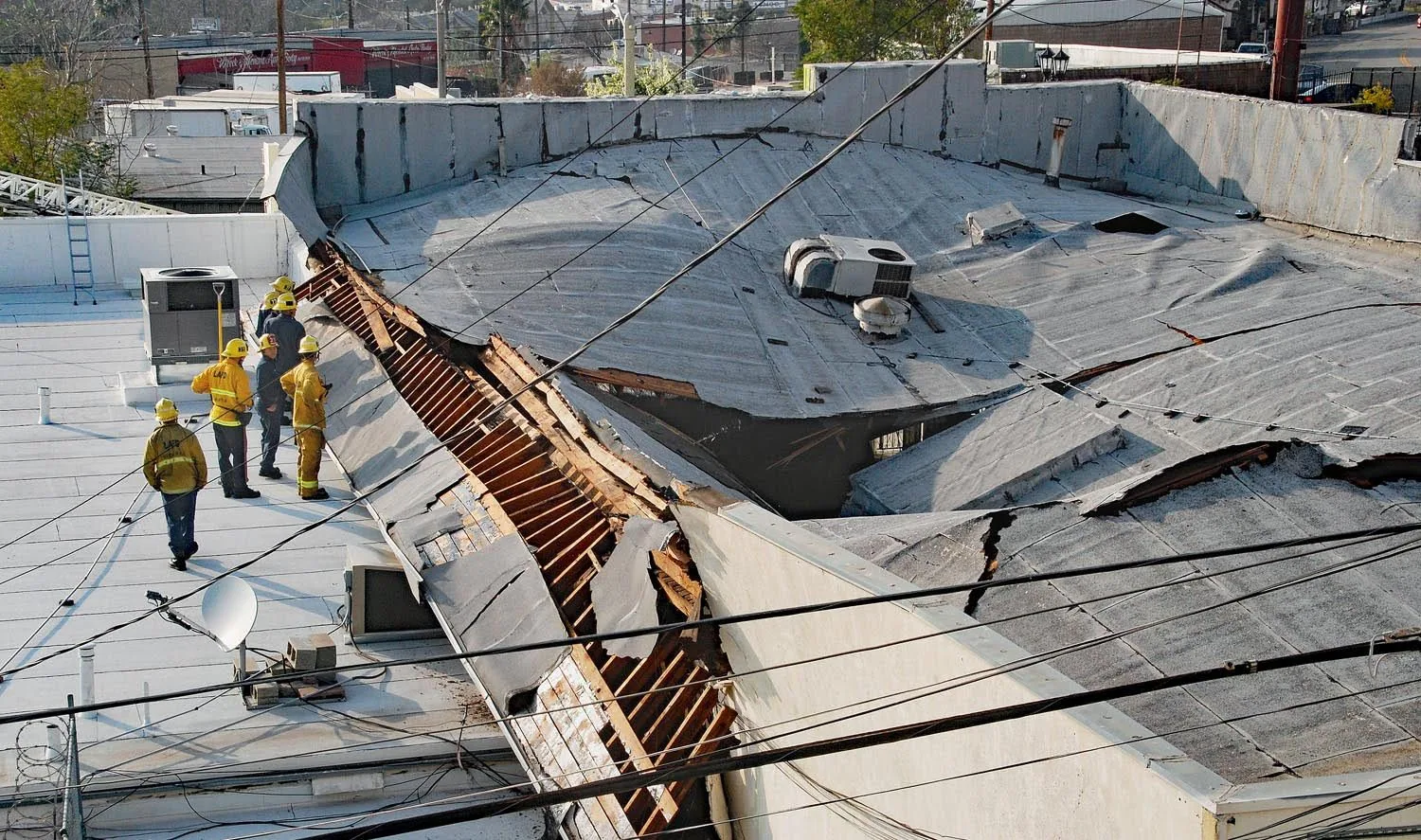
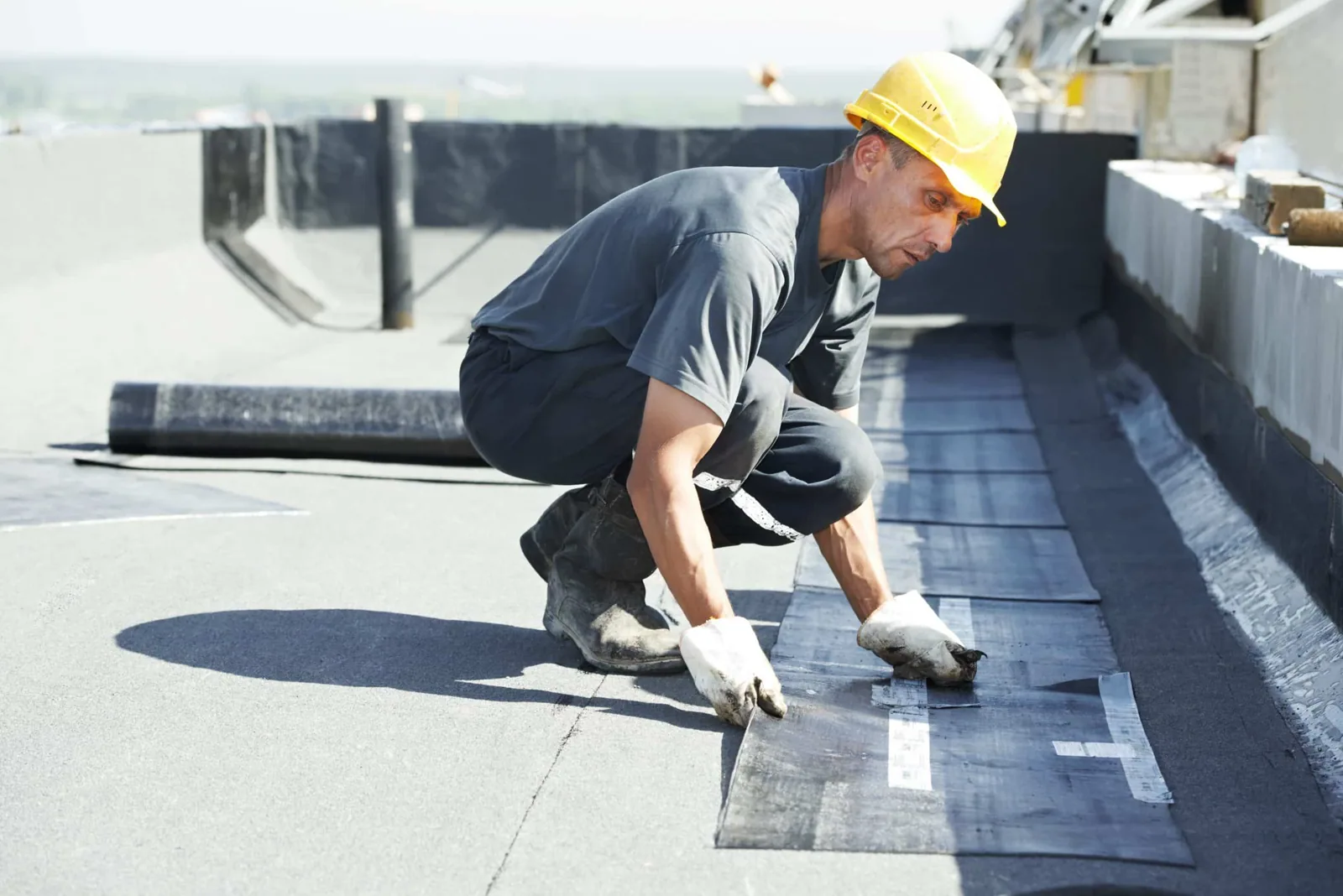
Trace path: connect the inside report to the roof
Water can travel along a deck, insulation joint, conduit, or structural member before it becomes visible indoors. We compare the reported stain with roof features above and around it, including membrane laps, curb corners, wall flashings, skylights, and mechanical penetrations. If several possible paths remain, the report identifies each one and recommends the next check rather than selecting the nearest roof defect as the water-entry point by appearance. When site access permits, we can observe during or shortly after rainfall to compare active wetting with the mapped condition.
Drainage is part of the investigation because water that moves slowly can expose a weak seam or detail repeatedly. We check drain bowls, scuppers, overflow routes, and debris patterns, then photograph low areas and the surrounding membrane. At Lynn Harbor properties, wind-driven rain can meet marine-facing walls and perimeter details; at Salem Industrial Port, working waterfront buildings have their own access constraints. Neither location name substitutes for a roof finding. We can add a drain and scupper review when runoff or backup is part of the report.
Test and map: make uncertainty visible
A surface inspection may not reveal whether insulation beneath a suspected leak is wet. If the evidence points below the membrane, an infrared survey or a carefully located core cut can help define the affected area. We explain the proposed test location and what it can establish before opening the assembly. The resulting moisture map marks confirmed findings separately from suspected zones. If testing is not appropriate or the owner does not authorize an opening, the report records that limit so the repair recommendation remains proportional to the evidence.
The North Shore receives annual precipitation and snowfall, with warm summers and cold winters that stress roof details. That context explains why seasonal drainage and freeze-thaw details deserve attention, but it does not tell us where a particular Lynn leak entered. We use roof observations, interior reports, and test results for that decision. When a wet area extends beyond a local patch, infrared moisture surveying can help draw a clearer repair boundary before the owner commits to removal or replacement.
Temporary protection: keep the opening controlled
An active leak may need a temporary dry-in while permanent material or favorable weather is arranged. We identify the affected zone, protect the opening, and record the temporary condition so the owner knows what remains provisional. The sequence should state who can access the area, what material is covering it, and when the temporary measure will be reviewed. At an occupied facility, we also coordinate interior protection and notify the site contact if access or equipment shutdown is required. A temporary measure is a controlled step, not a substitute for locating the entry path.
Severe coastal weather makes timely protection especially relevant, but regional records must not be mistaken for a property inspection. Hurricane Sandy brought coastal flooding on the Massachusetts shoreline and strong winds at Boston and Revere Beach. After a storm, we check the actual membrane, edge metal, flashing, and penetrations. If the leak is tied to a lifted edge or open seam, the repair detail may require a broader tie-in than a small surface dab. We can document the corrected flashing condition as part of the closeout.
Repair scope: separate immediate work from follow-up
The repair scope identifies the roof zone, likely entry point, material, preparation, repair dimensions, and the condition of adjacent details. If the entry path remains uncertain, we state what the planned repair can address and which area should be watched. This distinction matters when a leak stops after temporary protection but the underlying assembly remains untested. Photos before and after work, together with the marked plan, give the owner a reference for the next rainfall and a way to compare changes over time.
At Lynn Harbor’s marine-dependent properties and in Peabody’s Peabody, access, tenants, and rooftop equipment influence how a repair is performed. We coordinate a safe route to the work zone, keep the roof opening limited, and make the area watertight before leaving. If repeated water entry shows a larger membrane failure, we can compare the repair with a replacement scope on the same roof-zone map. The owner sees immediate work, test options, and the future condition that would change the recommendation.
Closeout: preserve the leak history
The closeout file includes the initial report, roof photos, any moisture test, repair detail, temporary dry-in, and follow-up recommendation. A maintenance team can use it to tell whether a later stain is at the same location or a separate event. We note whether the repair area was fully exposed or whether some assembly layers remain unexamined. Where a leak involves several tenants or rooms, the plan can use roof-zone labels rather than personal or occupant identifiers. The record should stay useful after staff, contractors, or building ownership changes.
Downtown Lynn’s mixed commercial and cultural activity means a leak response may need to protect public-facing spaces while the roof is inspected. We set an access window with the property contact and explain what must be moved or isolated below the work area. A photo-supported condition report can retain the findings alongside future inspections. To request leak tracing, share the interior location, date first noticed, building use, access contact, and any schedule limit. That information helps us begin with the right roof zone and leave a clear record of what was confirmed.
Commercial Roofing Questions
Why can water appear far from the roof defect?
A roof assembly can carry water along a deck, insulation joint, conduit, or framing before it reaches the ceiling. We compare the interior mark with nearby roof details and trace plausible paths instead of treating the point below as the entry. Photos and a marked plan keep the two locations connected. If the path remains uncertain, we name the next test rather than overstating the finding.
What information helps you find an active leak?
The room or roof zone, when the water appeared, recent weather, and any equipment or work occurring nearby give us a starting point. A photo of the interior mark can help, but we still inspect the roof above and adjoining details. At Lynnway Park or another operating facility, let us know about access controls and sensitive areas. We will record the confirmed path and any remaining uncertainty.
Can you stop the water before the permanent repair?
Temporary dry-in can protect the opening while the permanent detail is prepared or weather allows the repair. We record where the temporary measure sits, what it covers, and when it needs review. It does not replace tracing the entry path or checking adjacent assembly conditions. The closeout identifies which items are complete and which remain provisional.
How do you know whether wet insulation must be removed?
We use visible conditions, moisture mapping, and a test opening when appropriate to define the affected boundary. If the evidence shows wet material beneath the membrane, the scope can specify removal and replacement in that zone. Suspected areas stay labeled as unconfirmed until exposed or tested. This lets the owner compare a local repair with a broader correction using the same evidence.
Request leak tracing
Share the interior location, date first noticed, building use, access contact, and schedule limits. We will map the roof-level findings, protect active exposure, and document the repair boundary.
Back to Commercial Roofing Services.