
-
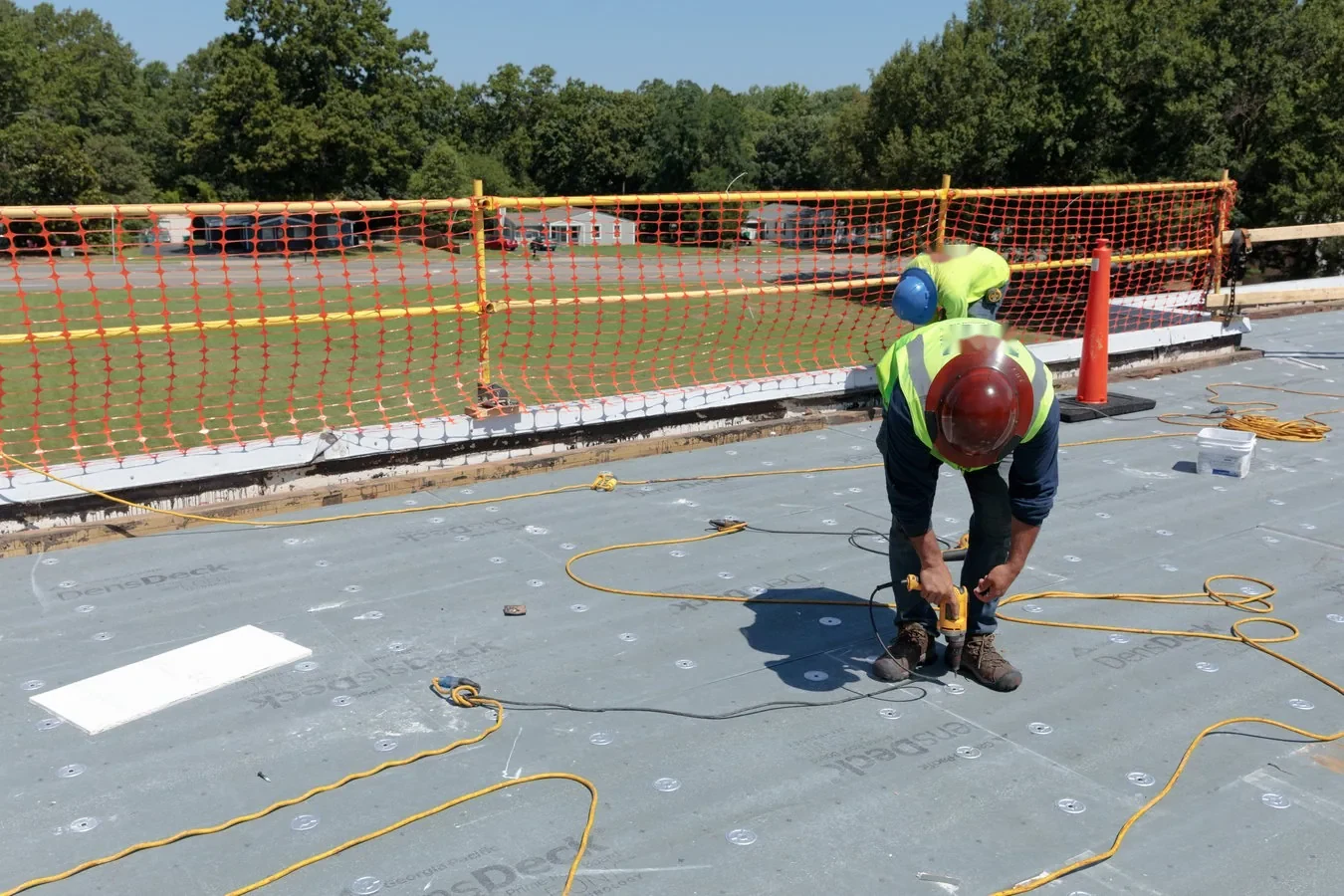
Property Management Companies
Commercial Roofing Lynn coordinates Lynn portfolio inspections, repairs, and capital work for property. -
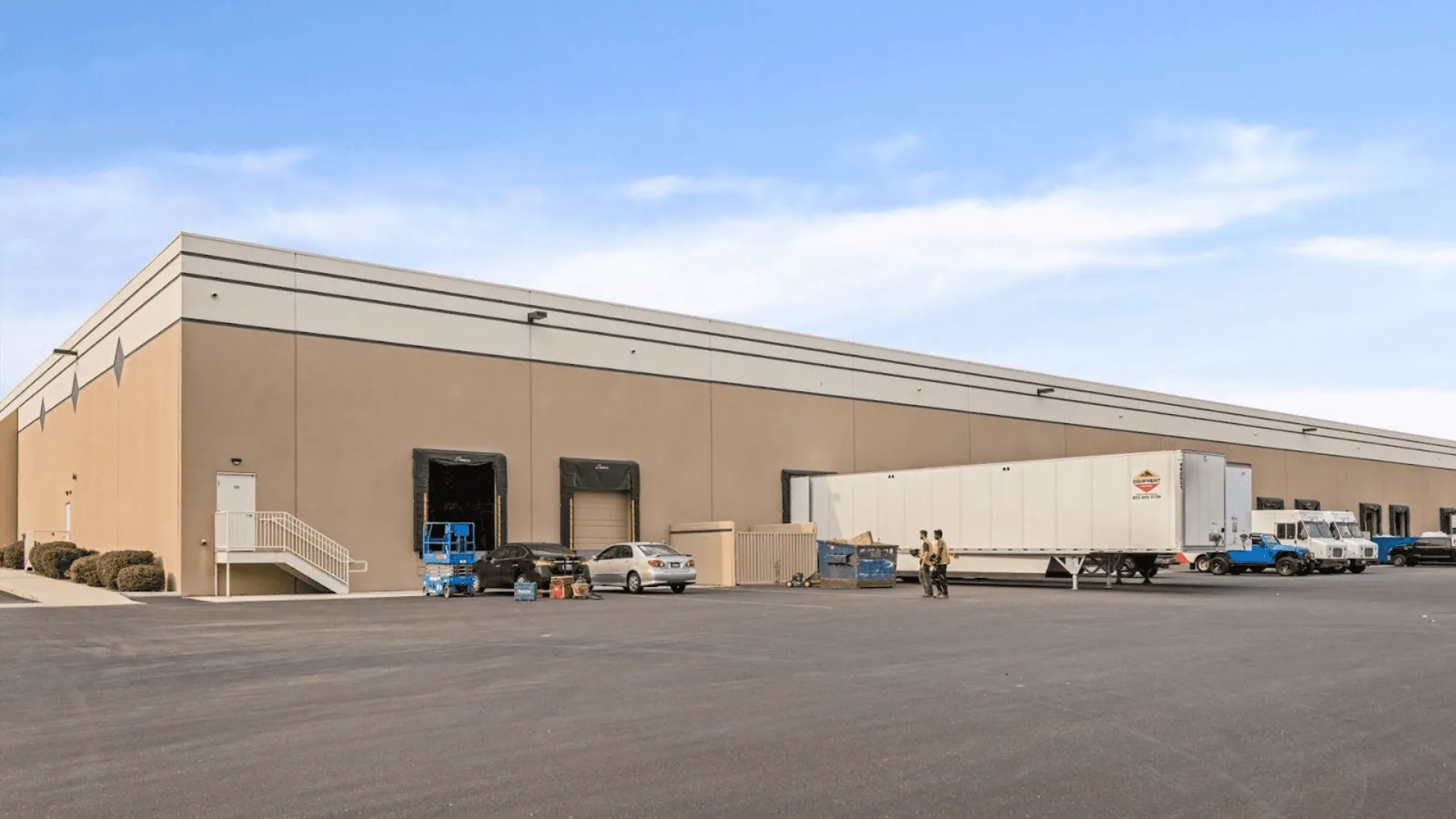
Real Estate Investors and REITs
Commercial Roofing Lynn helps investors review roof condition, repairs, and capital exposure across Lynn. -
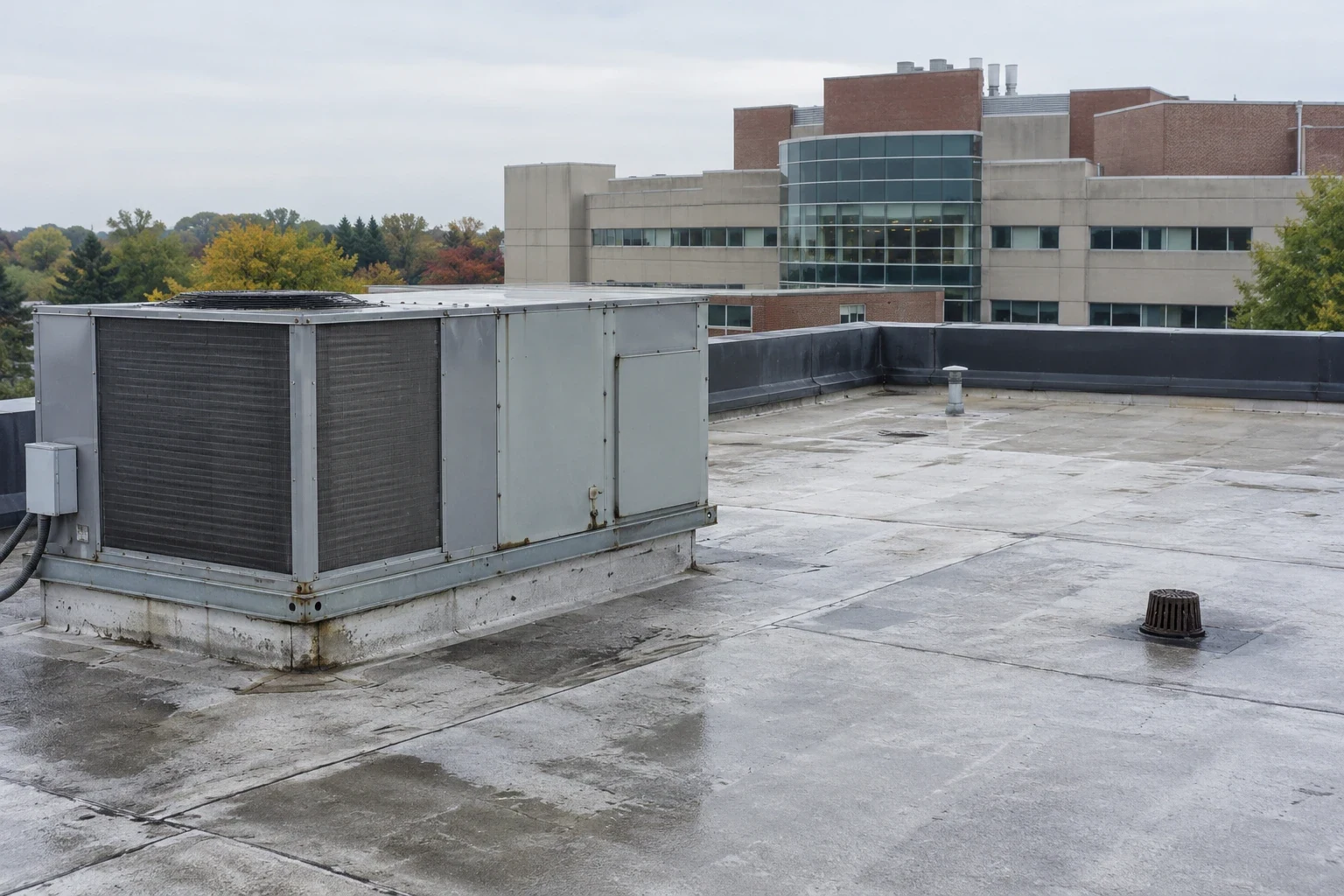
Healthcare Systems
Commercial Roofing Lynn plans inspections and phased repairs for healthcare properties, with clear work. -
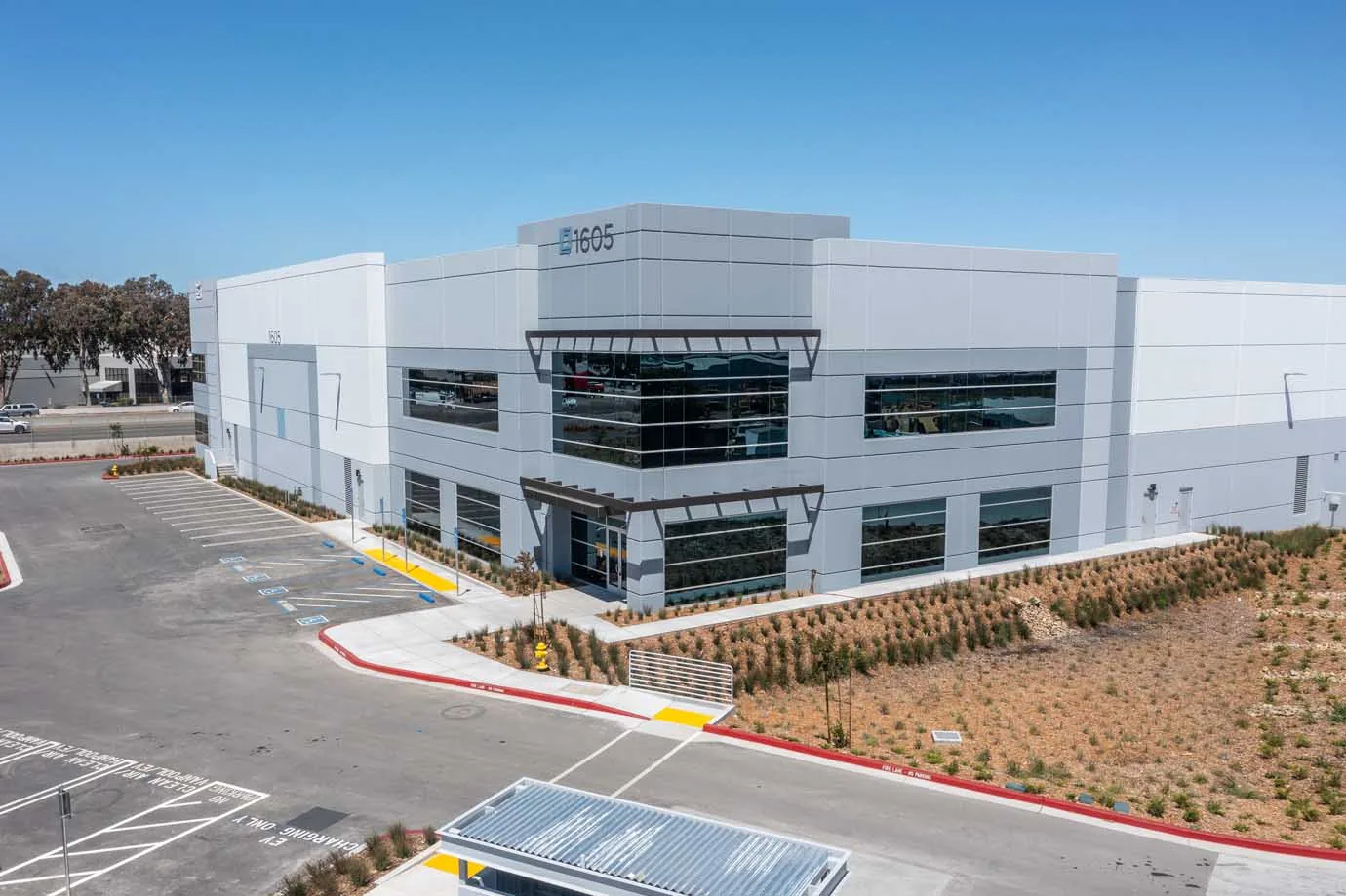
Manufacturers
Commercial Roofing Lynn helps manufacturers assess roof assemblies, protect production windows, and document. -

Logistics and 3PL Operators
Commercial Roofing Lynn coordinates warehouse roof inspections, repairs, and phased work around access. -
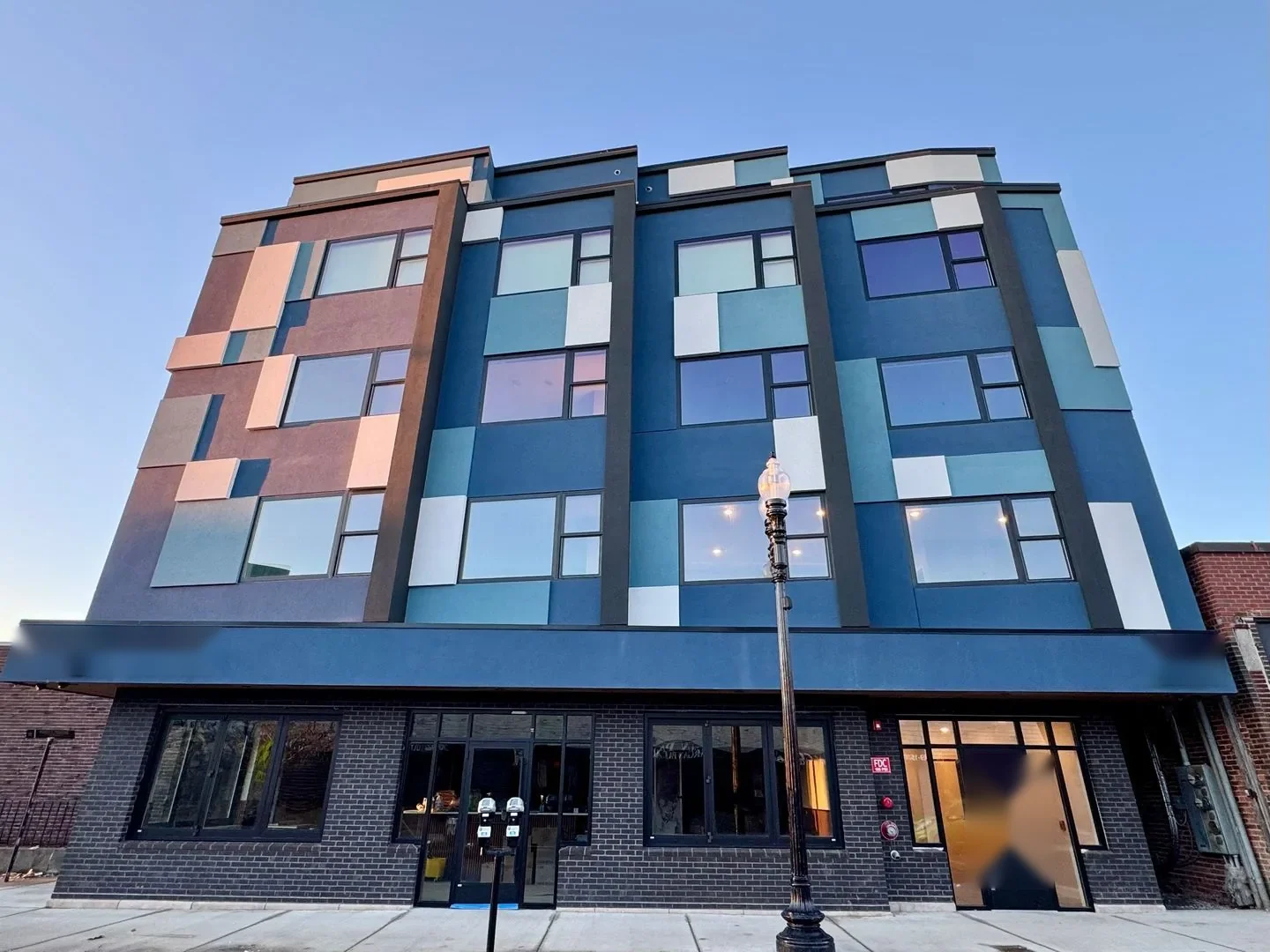
School Districts
Commercial Roofing Lynn helps school facilities teams inspect roofs, plan phased repairs, and document work. -
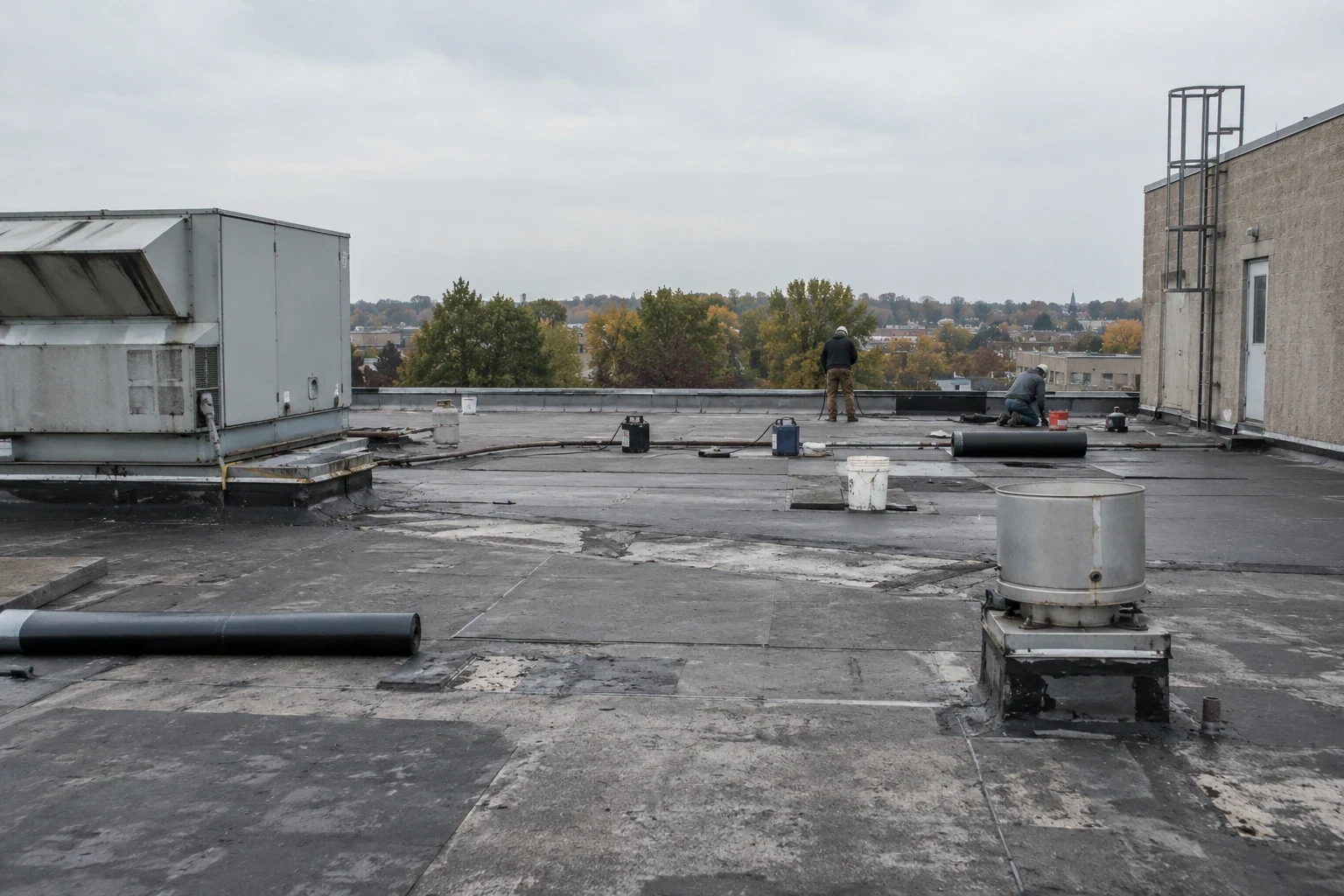
Public Agencies
Commercial Roofing Lynn documents roof conditions, scope boundaries, and phased work for public agency. -
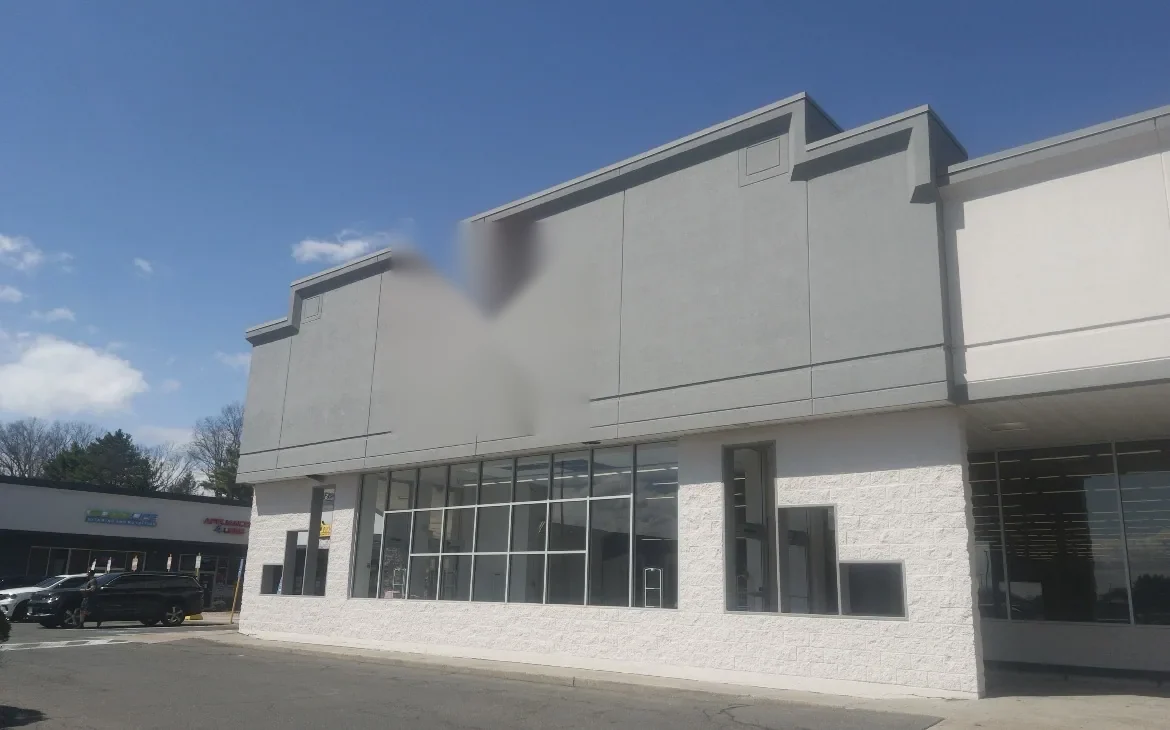
Retail and Restaurant Chains
Commercial Roofing Lynn plans roof repairs and replacement around customer access, deliveries, kitchen. -
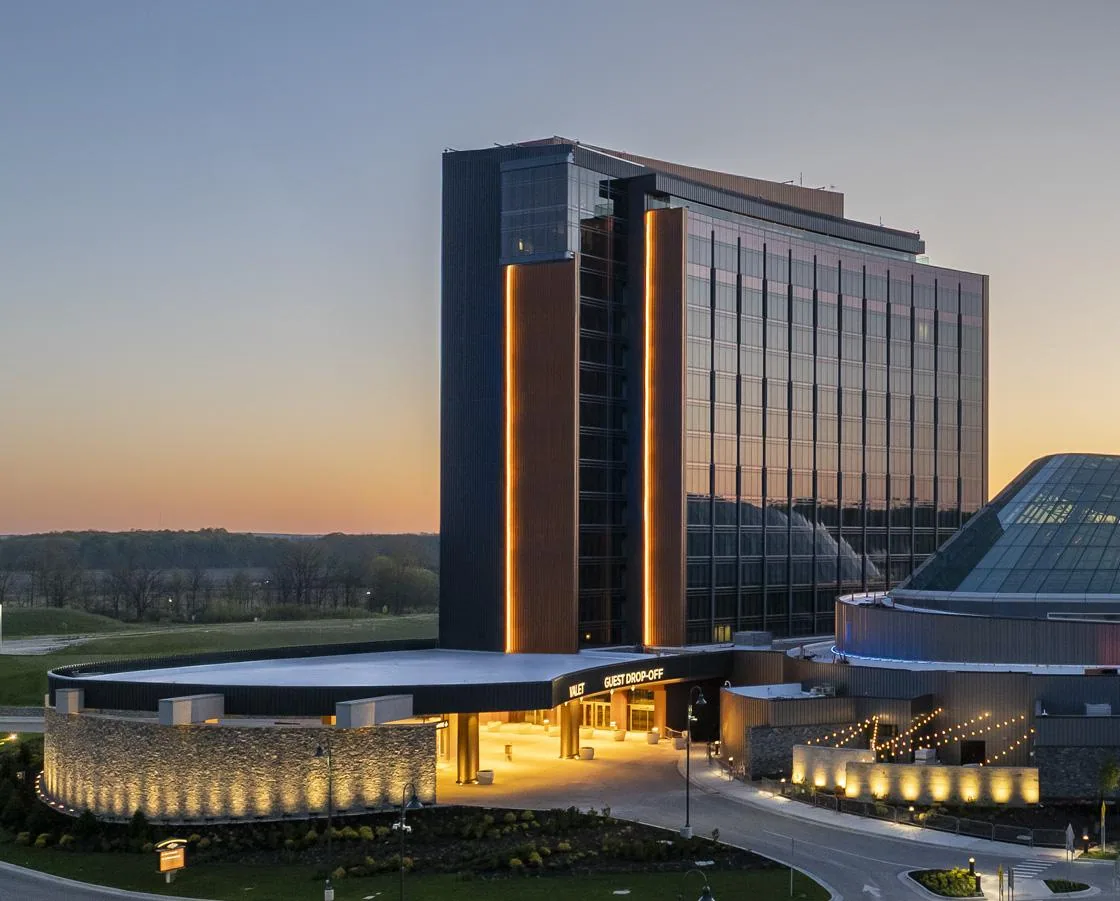
Hospitality Groups
Commercial Roofing Lynn coordinates hotel roof inspections and repairs around guest access, event schedules. -
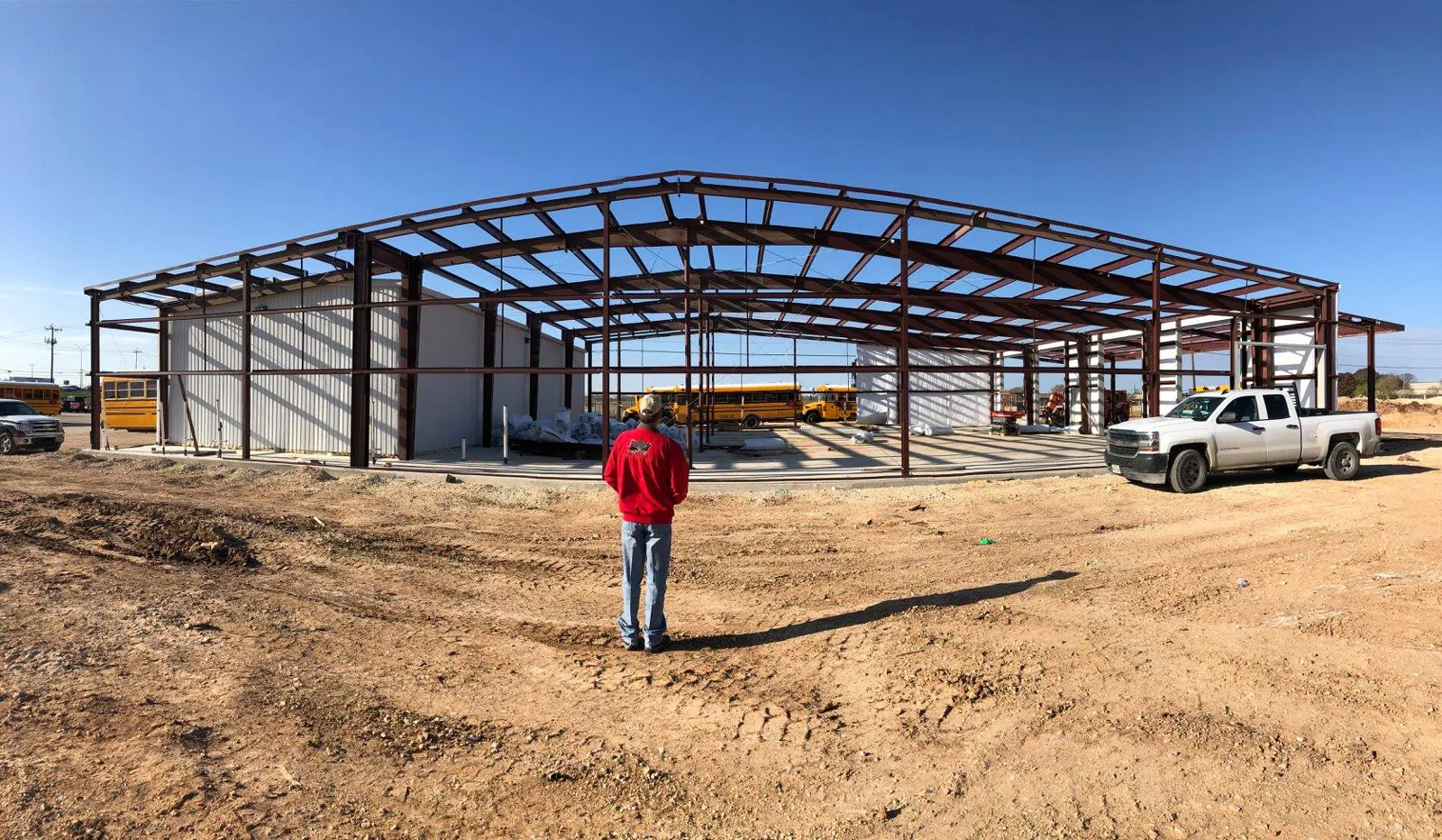
General Contractors
Commercial Roofing Lynn coordinates roof scopes, tie-ins, access, and closeout records with general. -
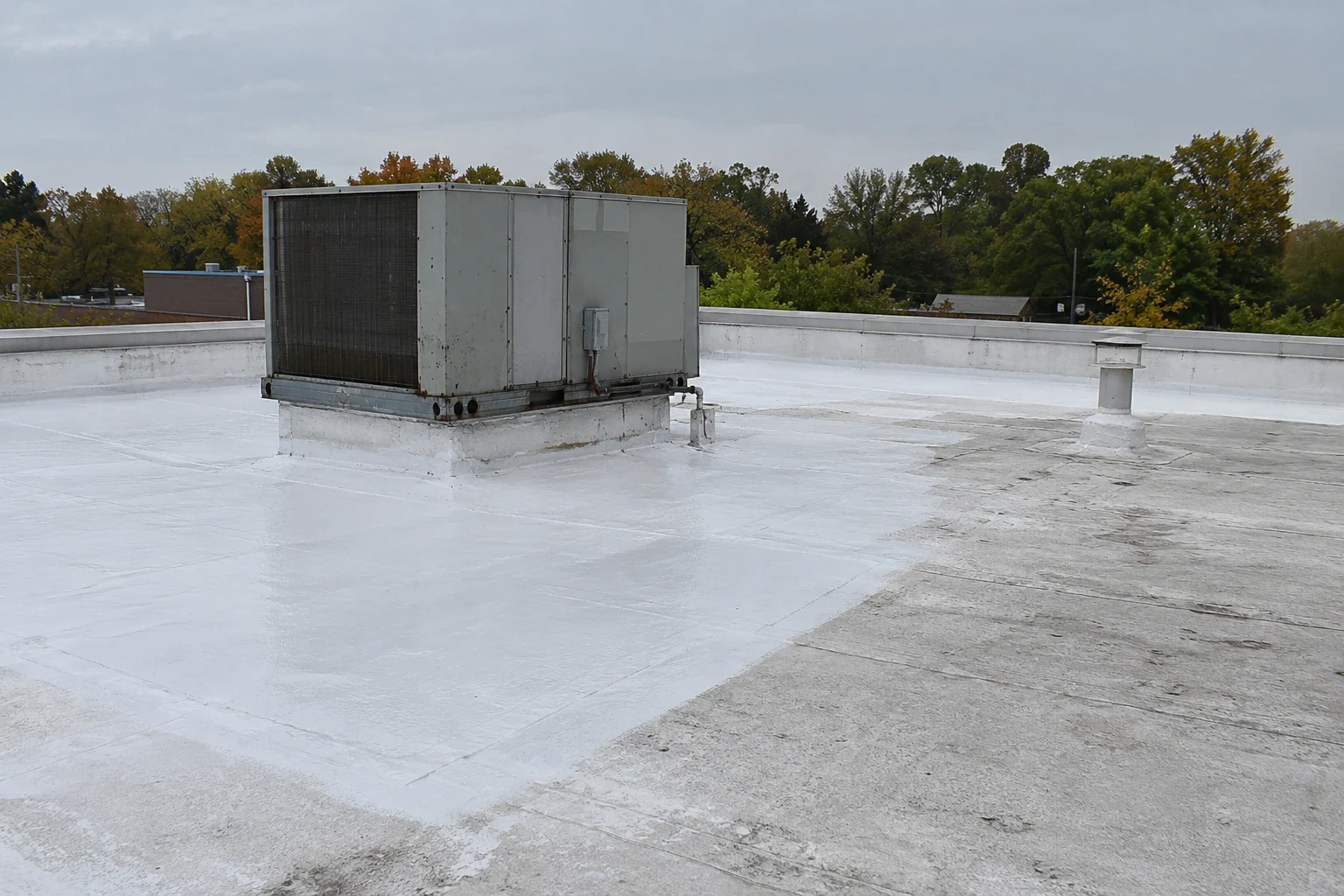
Insurance and Restoration Work
Commercial Roofing Lynn documents storm-related roof conditions, temporary protection, repair boundaries.
Operating continuity: keep the roof scope tied to the schedule
Food processing, storage, port activity, public agencies, and multi-tenant portfolios place different demands on a roofing sequence. The owner identifies loading hours, refrigeration access, staff routes, sensitive areas, delivery windows, or any other limit that matters at the building. We record those constraints beside staging, lift access, roof-zone boundaries, temporary dry-in, and hold points. An operating plan becomes useful when each shift has a defined area that can be inspected and secured before work stops.
Where another contractor needs to move equipment or alter a curb, the scope names that dependency before the roof detail is closed. If production cannot stop, we review whether a smaller work zone can fit the available access and weather window.
Portfolio record: compare buildings without merging findings
A company may manage several properties with similar operations, but their roofs can differ in system, repairs, attachment, and drainage. We label each property and zone separately, attach dated photos, and identify what was tested or not reached. A report does not extend a moisture finding from one facility to another. If a repeated service or capital program is planned, consistent fields make the results easier to compare while each asset retains its own evidence and open questions.
Our inspection can establish the baseline, while a multi-site roof program can track follow-up across locations. Repair and replacement choices stay connected to the evidence at each address and the work window its owner can provide.
Market setting: plan around the actual Lynn property
Lynn Harbor's designated port area supports shipping, fishing, vessel services, and marine-dependent industry. Lynnway Park lists warehouse, food-processing, storage, and light-industrial uses. Downtown Lynn includes cultural, restaurant, and retail activity. These facts distinguish the local economy, but an inspection still verifies the building's actual use and current access. Boston Logan's climate averages include annual precipitation and snowfall, winter cold, and summer heat. Those conditions put drains, overflow routes, and perimeter transitions on a Lynn roof inspection list.
Managers can use a photo-supported condition record to define work, reserve access, and identify when a test opening could change the recommendation. Request a visit with the facility contact, operating hours, known leak area, and any roof plans or previous report.
Commercial Roofing Questions
Can a roof program be standardized across several facilities?
The reporting fields and inspection cadence can be consistent, but each building needs separate photos, zones, findings, and scope decisions. Similar operations do not prove the roofs share the same assembly or condition.
How do you plan around refrigeration or loading?
The site contact identifies the operating periods and routes that must stay available. We carry those limits into material staging, the daily work boundary, temporary protection, and the return sequence.
What is the role of Lynn Harbor or Lynnway Park in an inspection?
Those locations describe local economic activity and can prompt questions about property use and access. They do not prove the condition or type of any specific roof. We verify each facility directly.
When should an owner request testing instead of a surface repair?
Testing is warranted when concealed moisture, deck condition, or layer count could change the repair line or renewal decision. We describe what the opening will answer and limit the conclusion to the materials actually exposed.
Coordinate a facility roof review
Send the building use, operating limits, affected roof zones, access contact, and available roof records. We will document the condition and identify a workable next step.