
Commercial Roofing in Lynnway Corridor, Lynn, MA
A roof project along the Lynnway corridor needs a work plan that accounts for how people, materials, and building operations reach the property. The Route 1A Lynnway and Carroll Parkway study treats this as a regional corridor serving multiple transportation modes and includes connections with Lynn Shore Drive, Route 129, and commuter-rail access. That context helps frame delivery and access questions, but it does not tell us the entrance, roof assembly, or work hours of any specific building. We confirm those details with the owner before scheduling. A roof inspection can document the accessible areas, while a dated condition report keeps findings and access limits together.
Plan roof inspections and commercial repairs along Lynnway and Carroll Parkway with confirmed access windows, safe staging, and clear work limits.
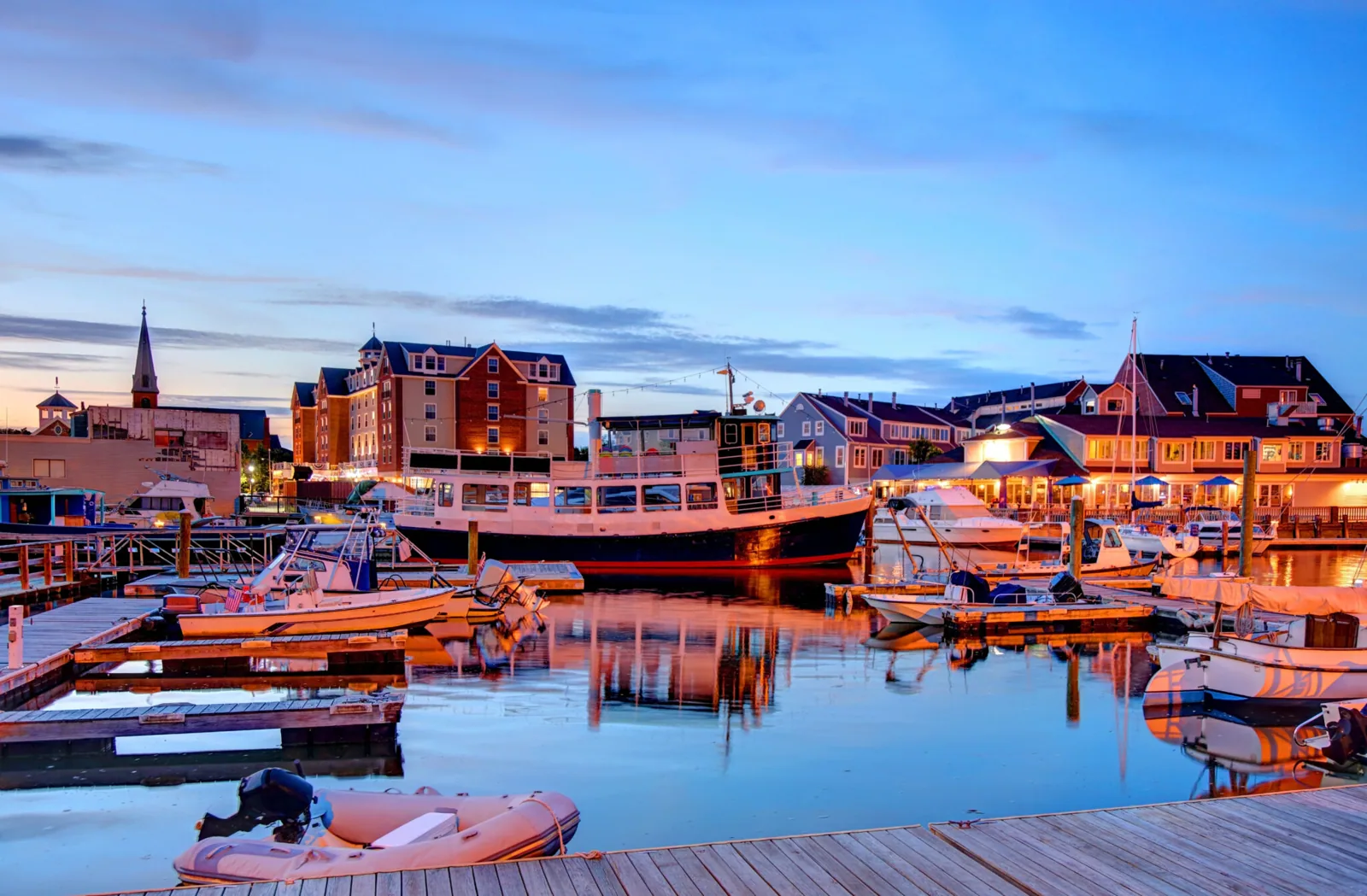
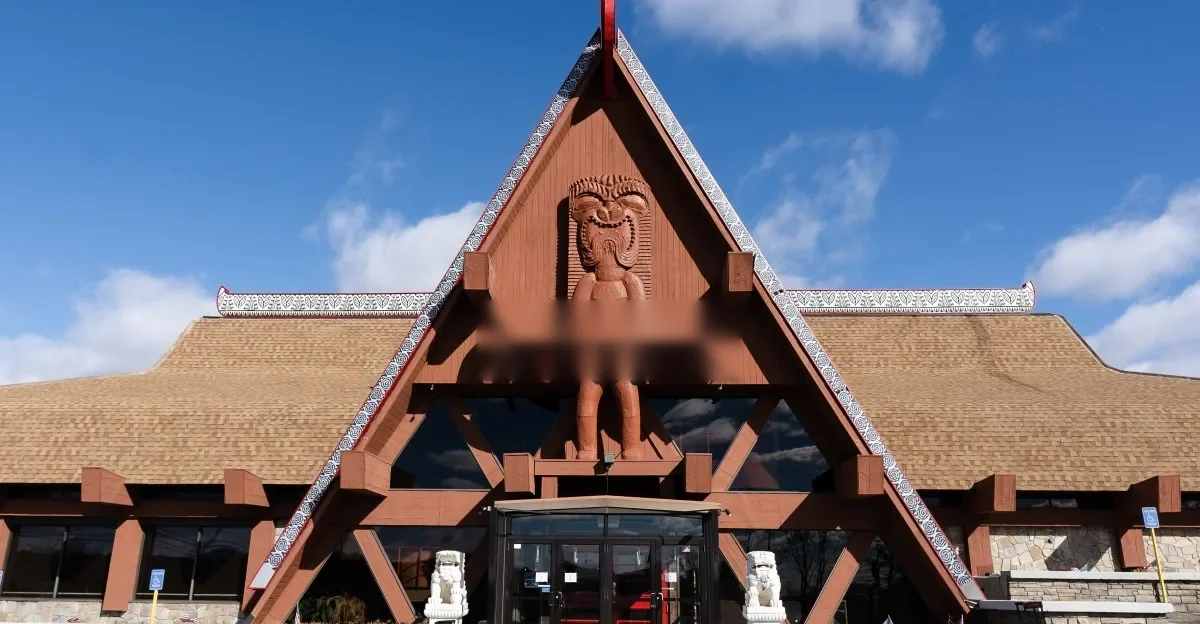
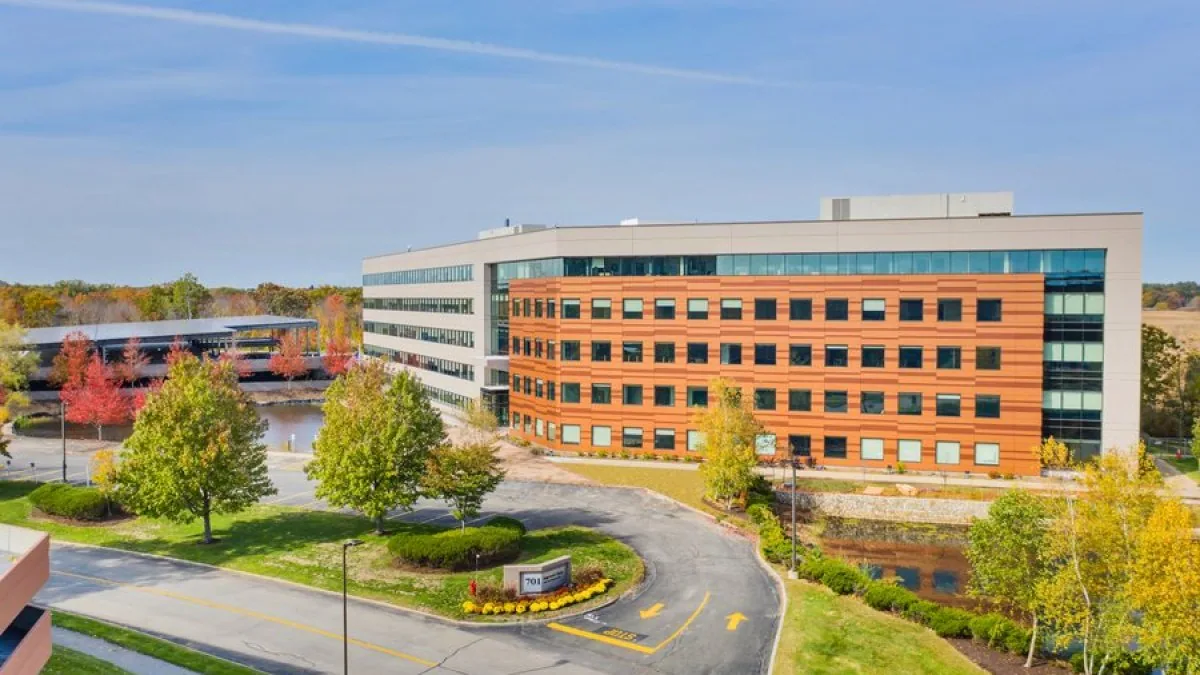
Corridor context: confirm the actual site route
Before a site visit, we ask the property contact to identify an approved entrance, check-in procedure, parking or staging area, and any restrictions on deliveries or lifting equipment. A study describing regional movement across several modes is not a substitute for site directions or a current access plan. The owner should confirm any construction, tenant, or safety requirements that affect the work date. If the route to a roof hatch crosses a managed area, we document who provides access and when that escort is available.
We also ask whether public-facing activity, loading, or tenant operations need to continue while crews work. A window that suits a delivery does not necessarily suit a roof tear-off, so schedule, crew size, material drop, and temporary protection should be coordinated as separate choices. The city waterfront framework includes multiple Lynnway parcels and considers commercial, retail, mixed-use, and industrial activity alongside existing uses. This broad planning context can prompt early coordination with the owner, not an assumption about current occupancy at an individual property.
If the roof is part of a larger planned project, the owner can share the expected construction sequence before the inspection. That lets us identify where temporary protection, material drop, or follow-up access might conflict with other scheduled work.
Roof walk: document water control and edge conditions
On an accessible roof, we review drainage points, seams, perimeter metal, penetrations, curb flashings, roof-to-wall transitions, and visible prior repairs. Photos should identify the roof zone and show enough surrounding material to understand the proposed repair boundary. If the owner reports an interior leak, we note its timing and room separately, then compare the report with accessible roof details. We do not infer a leak path from a corridor's location or from a general weather event. If layers below the membrane could change the scope, we recommend a specific test location and restoration plan.
The Lynnway corridor is connected with Lynn Shore Drive, Route 129, and commuter-rail access in the transportation study. Those elements can affect how an owner coordinates a visit, but no route-level observation replaces current site permission. If safe access cannot be confirmed, the report identifies the limitation and the owner action needed to schedule another visit. A roof record that states what was not reached is more useful to a buyer or manager than a broad condition grade with hidden exclusions.
Market climate: plan inspection and repair timing
Nearby Boston Logan records a typical July daily high of 83.2 degrees Fahrenheit and a January mean daily low of 24.3 degrees. Those station values frame seasonal planning for Lynn, not a measurement on this corridor. These are market-level climate values, not a measurement at a particular corridor property. They make the inspection sequence worth discussing: drain and scupper condition before wet periods, edge and flashing details after wind, and safe access when snow or ice limits a roof walk. We describe the current roof condition separately from that general seasonal planning.
Severe thunderstorms in southern New England can bring damaging gusts and hail of at least one inch. Hurricane Sandy also brought coastal flooding along the Massachusetts shoreline and regional wind observations. When a property contact reports storm-related change, we compare current details with available earlier photographs and repair records. The condition log separates dated movement, a new opening, and older deterioration so the owner can compare each finding with the repair history. Wind-related damage review can record a defined perimeter or flashing concern after inspection.
Repair options: match the scope to the building evidence
If one detail has opened and adjacent materials remain serviceable, a bounded repair may be appropriate. If deterioration covers several roof zones or concealed moisture is suspected, the owner may need testing or a broader repair comparison before selecting a coating, recover, or replacement. Drainage work addresses a flow or collection problem identified during the roof walk, while membrane repair receives a separate boundary. A repair proposal identifies access, preparation, materials, dry-in, protection, exclusions, and the exact area to be returned to service.
Cost and timing depend on roof height, access, staging, material delivery, repair quantity, interior protection, and whether site activity limits the work window. For a larger project, the plan should say how roof sections are sequenced and how the crew protects exposed edges at the end of each shift. We identify assumptions the owner supplied and conditions that need field confirmation. That keeps a corridor-wide access conversation from becoming a substitute for an individual building scope.
Closeout record: preserve the route and roof details
Once work is complete, return a photo record with dates, roof zones, repaired boundaries, materials, test results, and any areas excluded from the work. If access was restricted, record which area remains uninspected and what arrangement is needed for a return visit. The owner can then connect the repair record to a future inspection or capital plan without reconstructing the job from scattered notes. For properties with changing access or management arrangements, confirm the new contact before the next visit.
Saugus and Lynn Harbor's port area are distinct nearby service-area contexts, each with separate planning and operating considerations. A scope at one should not be copied to the other. To arrange a roof walk along the Lynnway corridor, provide the building contact, preferred check-in route, affected roof zone, known repairs, and any delivery or work-hour constraint. We can then document the accessible condition and recommend the next step.
Commercial Roofing Questions
Does the Lynnway corridor study tell you how to access my roof?
No. The transportation study describes a regional corridor and its connections, not a property's entrance, security rules, roof hatch, or delivery procedure. The owner or site manager confirms current access before we schedule the inspection.
Can roof work take place while corridor businesses remain open?
The owner can identify operating hours and access restrictions, and we can propose a sequence around those requirements. Whether an area can remain open depends on the work boundary, staging, lifting equipment, and temporary protection confirmed for that building.
What do you inspect on a Lynnway corridor roof?
We review accessible drains, edges, seams, penetrations, flashings, roof transitions, prior repairs, and reported leak areas. The report identifies the zones reached and any condition that needs testing or a follow-up visit.
How do regional storms affect a roof assessment?
After a storm report, we inspect the affected roof zones and record the edge, flashing, and drainage conditions found at the building. We document observed changes and compare them with available prior records before defining a repair boundary.
What should a repair scope include for a corridor property?
It should identify the roof area, preparation, materials, staging, delivery needs, dry-in, interior protection, exclusions, and work hours. If access or operating conditions could change the sequence, those assumptions should be confirmed with the site contact.
Request a Lynnway corridor roof walk
Send the property contact, approved site entrance, reported roof area, known repair history, and preferred access window. We can document conditions and outline a building-specific scope.
Back to Service Areas.