
Commercial Roof Drains and Scuppers in Lynn, MA
On a Lynn commercial roof, drainage work starts by following the water route from the field to the outlet. At Lynnway Park, warehouse, food-processing, and cold-storage operations make access planning part of the visit; at Lynn Harbor, marine-dependent activity may shape delivery and staging. Those uses do not reveal a drain layout. We inspect the actual slope, bowls, scuppers, overflow paths, crickets, and membrane connections before deciding whether the need is cleanout, repair, or correction of ponding.
A drain that is blocked, a scupper that cannot discharge, and a low area holding water are not the same defect. The photo record identifies where water collects, which outlet is involved, what material is damaged, and whether further confirmation is needed. The owner can compare a limited repair with a broader drainage scope using the same roof-zone notes.
Correct commercial roof drainage in Lynn with drain, scupper, cricket, and ponding checks tied to the roof assembly and documented water path.

Trace the Full Route to the Outlet
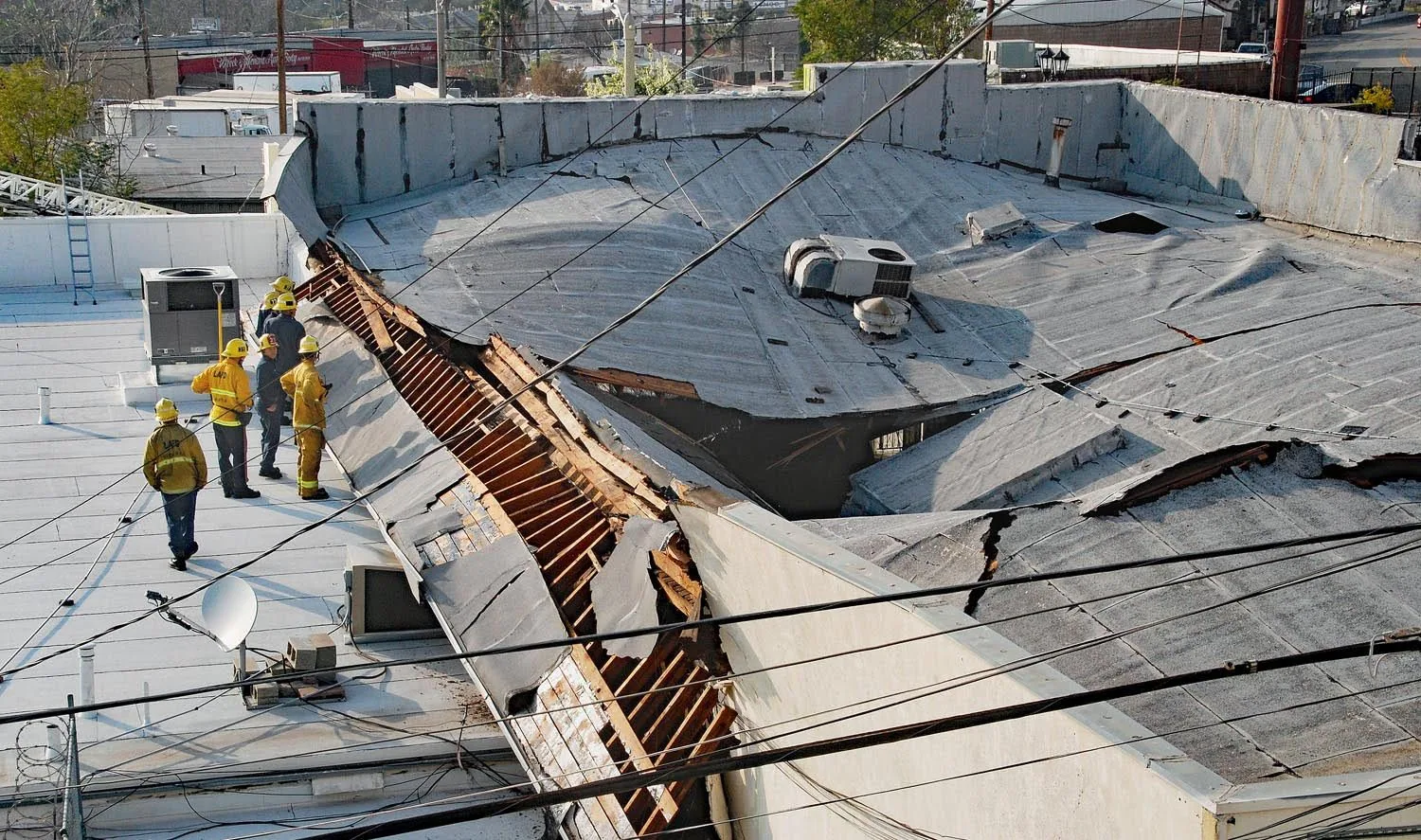
We inspect strainers, drain bowls, leaders where accessible, scupper openings, overflow routes, and the membrane or metal around each connection. A strainer packed with debris may need service. A loose ring, cracked seal, open flashing, or split sheet at the drain needs a repair boundary. We also look for signs that water has bypassed the outlet and reached an interior space.
Roof shape changes the water path. A cricket can divert flow around a curb or other obstruction; tapered insulation can guide water toward an outlet when the roof assembly and design allow it. We check whether these features are present and whether they appear to be directing flow, rather than assume they can be added without reviewing deck, layers, and transitions.
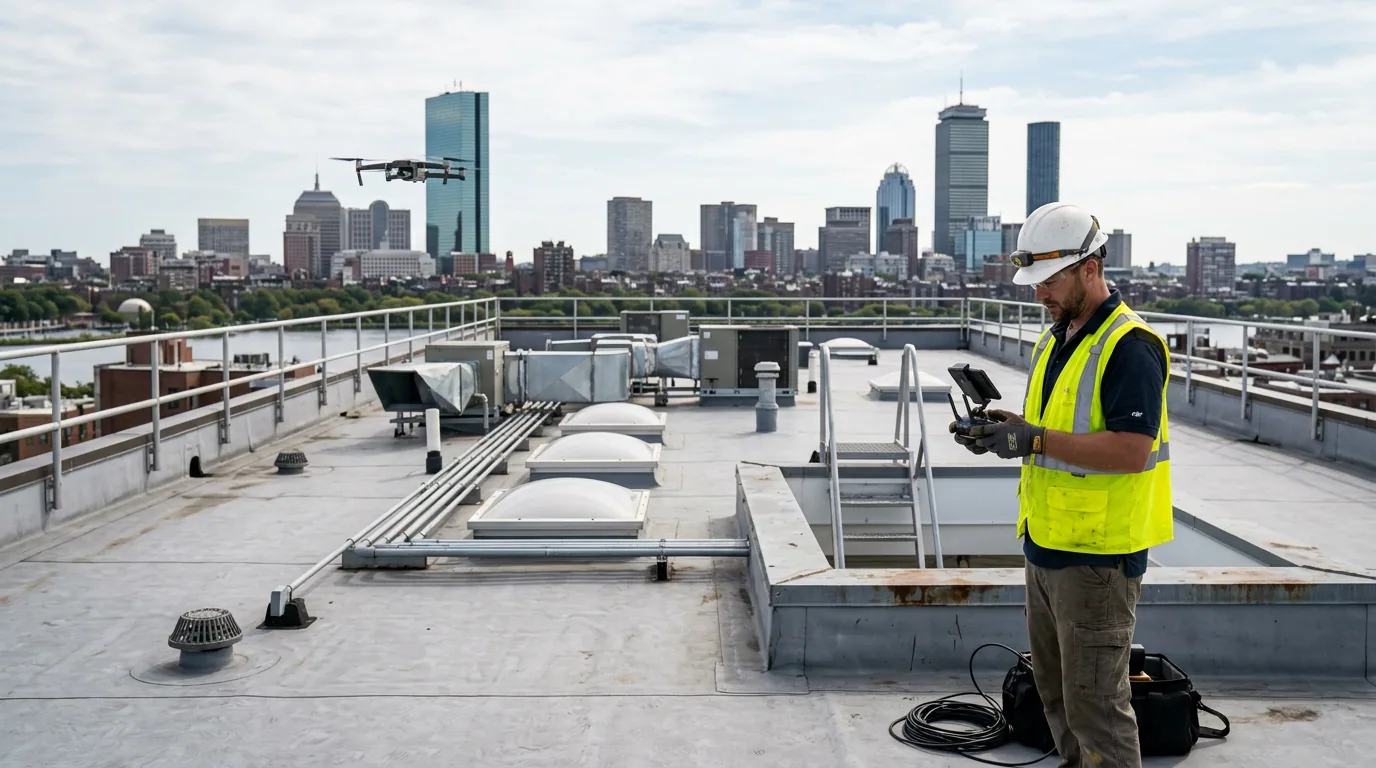
A roof inspection can map the drainage area and adjacent details. During scheduled maintenance, we can clear accessible debris and identify repairs that need separate approval. The condition log distinguishes service from corrective work.
We also compare the outlet condition with the previous maintenance log when available, so a recurring blockage or repair can be distinguished from a new change.
Find Why Water Remains After Rain
Standing water can result from a clogged outlet, blocked scupper, debris, deflection, inadequate slope, or a localized depression. We photograph the area after rain when practical and note its extent and relation to drains, curbs, and seams. A single observation cannot always establish how long water remains, so we separate what was visible during the visit from conditions that require monitoring or additional measurement.
Rainfall through the year and winter snowfall make outlet capacity, overflow paths, and safe access seasonal priorities for Lynn roofs. Each property's actual drainage must be inspected. We inspect its actual flow paths and ask about recurring ponding or interior leaks. Snow or ice buildup is documented separately from an outlet defect.
If an overflow route is blocked, we check whether debris or damaged material is responsible and record the corrective boundary. The planned solution should preserve the intended discharge path and avoid directing water toward another roof section or wall transition. Where a change to slope or outlet location may be needed, we identify design review as a separate step before construction.
We note whether the low area clears after rainfall and compare its elevation with outlet height, overflow opening, and adjacent membrane laps before suggesting a drainage change.
Repair the Outlet Without Hiding the Failure
Drain repairs need a durable transition between the roof surface and the drain body. We remove damaged material as required, inspect the exposed area, and install a compatible flashing or membrane detail that ties into sound roofing. If the drain assembly itself is loose or damaged, that condition is listed separately so the estimate does not describe a surface patch as a plumbing repair.
At a scupper, we check the opening, flashing, metal edge, and discharge path. Corrosion, loose metal, an open seam, or an obstructed throat may each require a different action. We also check the outside transition where water exits, when safely accessible. If the detail sits near a parapet corner or roof-to-wall joint, nearby flashing is included in the inspection because water can enter at the adjacent connection.
A roof repair scope can describe membrane and flashing work; an active interior leak may call for a separate water-path investigation. If concealed moisture could change the repair quantity, an infrared survey may help identify areas for confirmation, subject to roof type and weather.
Plan Drainage Work for North Shore Seasons
Winter access across the North Shore requires a current surface and weather check. Lynn's nearby regional benchmark places January mean daily lows near 24 degrees, a useful seasonal context for freezing conditions and repair timing. We check for ice, moisture, and safe access on the visit date and choose a work method suited to those actual conditions.
In the Harbor Port Area and along the Lynnway Corridor, staging can involve active routes and operating property contacts. We confirm delivery timing, roof access, and the safe location for equipment rather than infer site logistics from the district name. That coordination matters when drain components or tapered materials need to reach the roof without disrupting the building's work.
After heavy rain or a coastal storm, we look for fresh overflow, displaced flashings, and water entry around outlets. Hurricane Sandy produced Massachusetts shoreline flooding in 2012, but regional history is not evidence of damage to Lynn property. A snow and ice assessment or storm inspection records only observed conditions.
Compare Cleanout, Repair, and Slope Correction
Our proposal separates routine debris removal, damaged outlet work, and a change to the drainage path. The measured scope identifies each drain or scupper, the surrounding roof zone, material removal, flashing, tie-in, access, and any design question. If water is caused by a broad low area or deck movement, we state what must be confirmed before specifying tapered insulation or a new outlet.
Cost and timing reflect roof height, number of outlets, material access, wet substrate, edge or wall details, and how many zones can be left weather-tight each day. For an occupied food-processing area, we coordinate the roof entry and work window with the site contact; at an office or retail property near Downtown Lynn, public access may set different staging boundaries. We plan for the property, not a presumed use.
Closeout photos show the repaired connection and surrounding flow path. A Saugus property owner can add those images to the maintenance log and compare the same outlets on a later visit. For a Harbor property, the Lynn Harbor record stays tied to its own assembly and access conditions.
Commercial Roofing Questions
How do you tell a clogged drain from a failed connection?
We inspect the strainer, bowl, membrane transition, and visible drain body. Debris may be cleared as maintenance; a split flashing or loose ring needs a corrective scope and a separate repair record.
Can you correct ponding by adding a cricket?
Possibly, if roof geometry, assembly, and outlet location support it. We first determine why water remains and whether slope, deflection, blockage, or damage is responsible.
Does a regional snowfall average show my roof is overloaded?
No. It provides seasonal context only. We inspect the roof for actual accumulation, drainage, movement, and access conditions and identify any structural concern for appropriate evaluation.
Will you include an overflow scupper in the repair?
An overflow scupper is inspected for a clear opening, sound flashing, and a safe discharge route. We list any blockage or failed material and flag design changes for review before construction.
What should the drainage closeout include?
The record should identify each repaired outlet, photos, materials, completed area, flow-path observations, and any follow-up item that could not be confirmed during the visit.
Schedule a Lynn Drainage Inspection
Send the building use, affected roof zone, leak history, access contact, and available drainage plans. We will map the water route and return a separate cleanout or repair scope.
Back to Commercial Roofing Services.