
Commercial Roof Repair in Lynn, MA
A repair scope for a Lynn, MA industrial roof should identify the defect, the surrounding assembly, and the limit of work before a patch is placed. At Lynn Harbor Port Area, marine-facing operations can add wind exposure and access coordination; at Downtown Lynn, occupied storefronts and offices may require a narrow work window. We photograph the seam, flashing, membrane, or edge, mark its roof zone, and separate the repair boundary from conditions needing testing.
Our commercial roof repair visit starts with the reported problem and follows the water path through nearby transitions, penetrations, drainage points, and prior repairs. Lynnway Park’s warehouse, storage, and food-processing uses make it especially important to note equipment and operational limits before the work area is opened. The condition log gives the owner a reviewable scope: what is known, what needs a test opening, and what would trigger broader repair.
Repair commercial roofs in Lynn with mapped defects, clear boundaries, and photo records that connect immediate work to future capital needs.
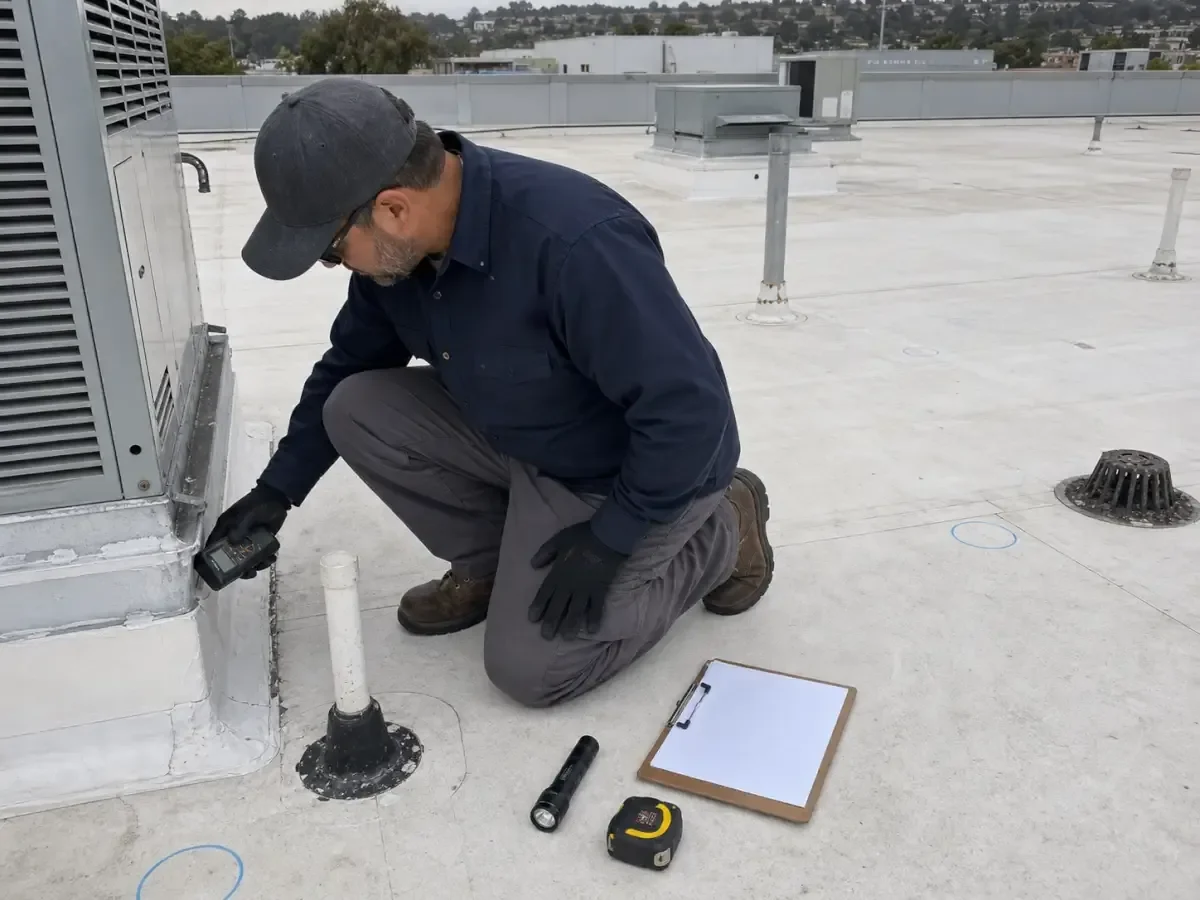
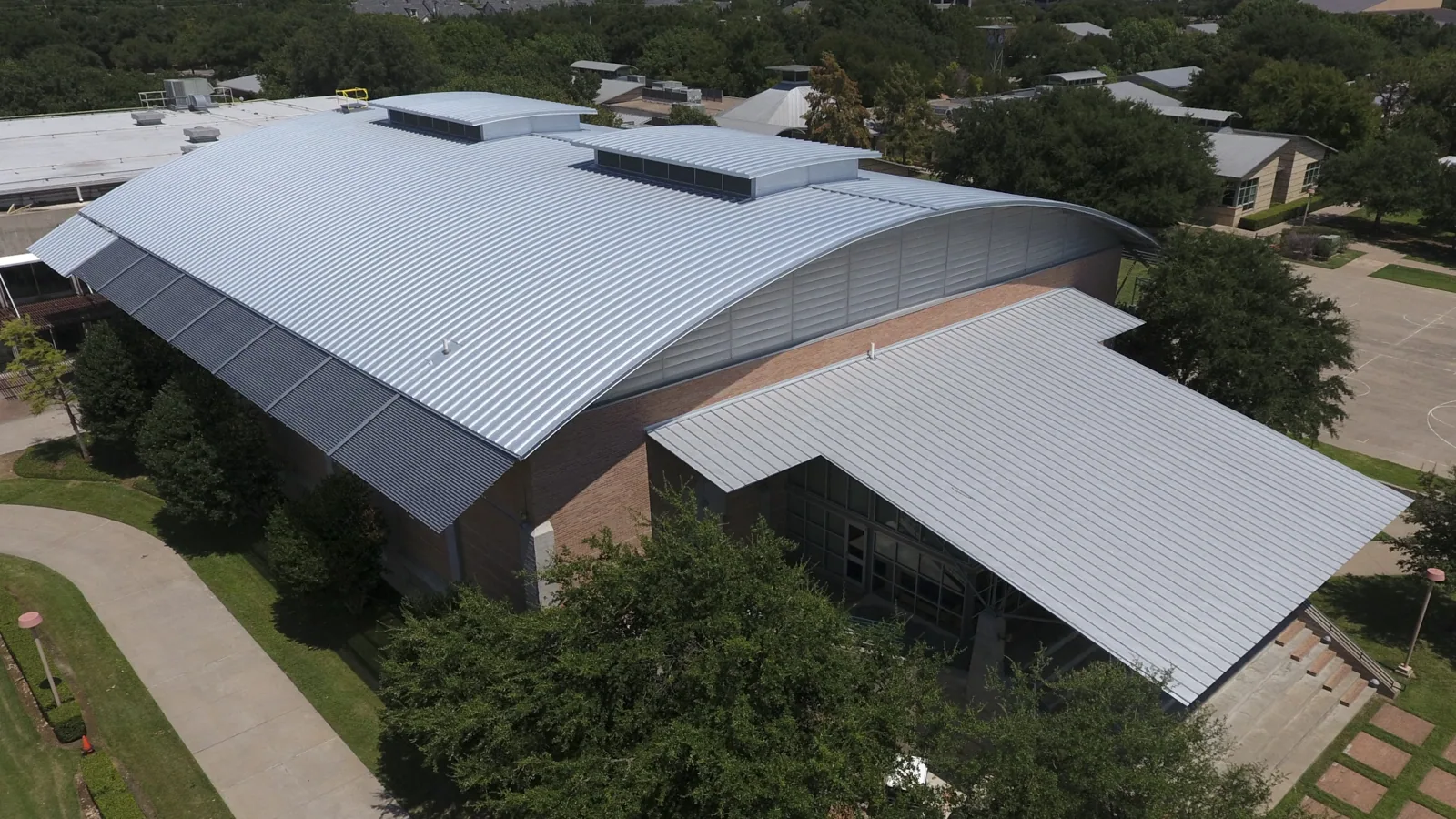
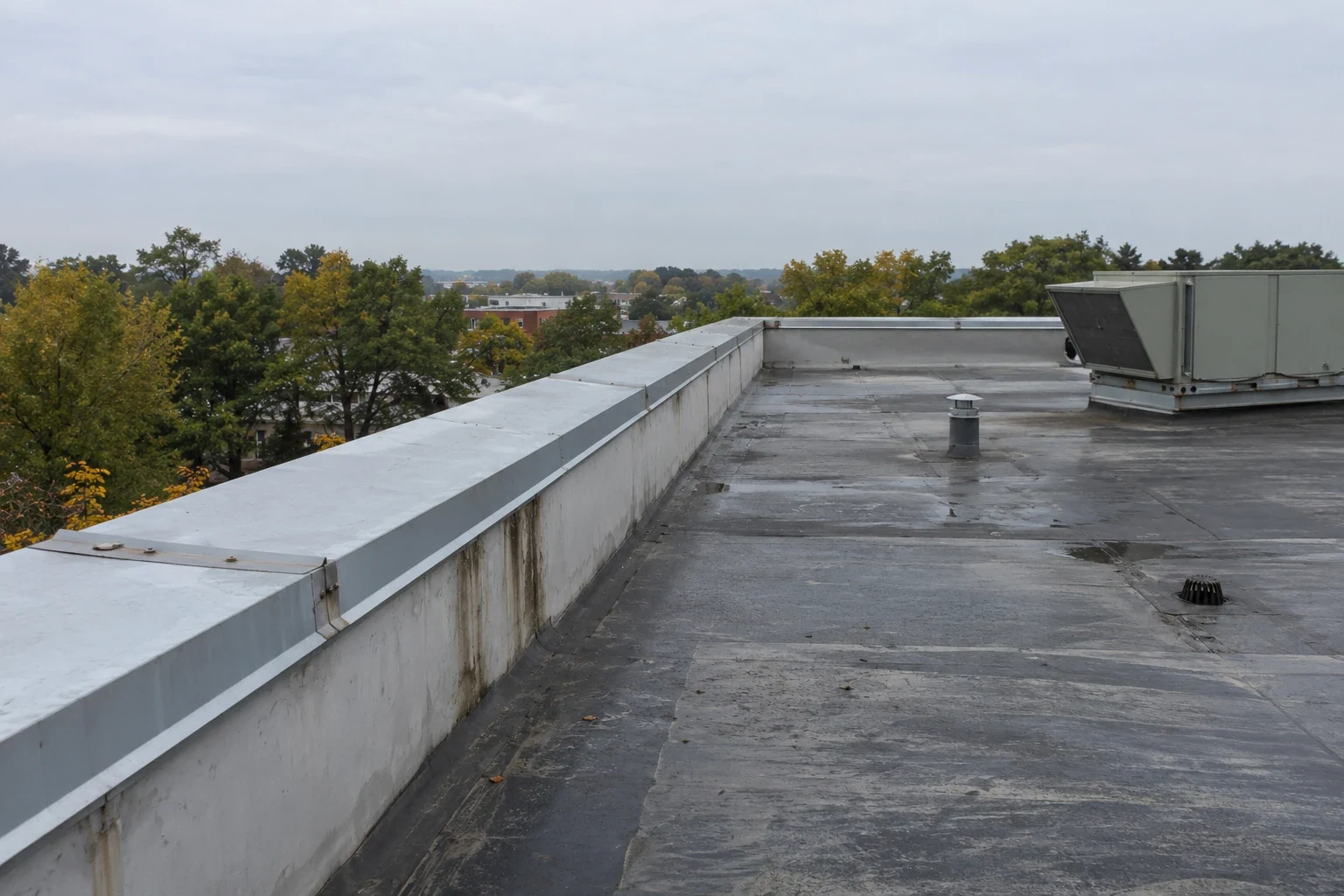
Repair boundary: mark the defect and its neighbors
A patch should not be sized only to the visible opening. We check whether a seam has separated beyond the exposed edge, whether flashing has lifted at a curb, and whether water has traveled into insulation or beneath an adjoining sheet. The report identifies the repair area and nearby conditions that could affect it. If the substrate is soft or moisture is suspected, we mark a test location rather than representing a surface patch as a complete correction. This boundary helps prevent later confusion about which area was treated.
At the repair itself, substrate preparation and compatible materials matter as much as the finished patch. A TPO membrane repair needs a clean, sound surface, with laps and terminations suited to the existing system. Metal edges require secure attachment and continuous transitions, while a penetration needs flashing suited to its shape and movement. We record the material and repair method in the closeout file. For more involved assembly concerns, a full roof inspection can extend the condition record beyond the reported location.
Observed condition: follow water to the entry point
Interior staining identifies where water became visible, not necessarily where it entered. We inspect above and around the reported area, following seams, curb corners, wall transitions, fasteners, drains, and scuppers that could provide a path. On a low-slope roof, water can move under the membrane or travel along a deck before appearing inside. We compare the interior report with roof photos and mark both locations where possible. If the path remains uncertain, we explain which test or monitoring step would narrow it instead of assigning an unsupported cause.
Boston Logan averages 44.52 inches of precipitation over a year and about 48.2 inches of snow. A Lynn repair scope follows the building's actual drain, seam, or flashing condition; those climate figures help frame the dry-in window, while the photo record names the affected zone and overflow route.
Building use: keep repairs compatible with operations
A Lynn cold-storage facility, a marine service property, and a downtown retail building do not share the same access pattern. Before repair, we identify loading areas, occupied rooms, equipment that must remain active, and any route that cannot be blocked. The site contact can set an access window and identify sensitive areas below the work. Where interior protection is needed, we record the location and the procedure before removing material. A scope that states these conditions helps the owner coordinate the repair without implying that the whole building must stop operating.
The Lynnway and Carroll Parkway corridor carries several travel modes and regional movement, so delivery timing and staging need to reflect the property rather than a generic crew schedule. On the waterfront, marine and industrial activity may constrain where a lift or material pallet can be placed. In Downtown Lynn, pedestrian access and neighboring tenants may set a smaller work footprint. We identify the work zone, stage materials to limit exposure, and maintain a temporary dry-in if the repair opens the assembly. For a broader roof record across several properties, multi-site roof planning can preserve comparable findings and repair boundaries.
Scope comparison: repair now or plan the next phase
When a defect is localized and the adjacent assembly is sound, a repair may be the appropriate near-term work. Repeated patches, widespread moisture, failing edges, or recurring leaks across several zones may point toward a larger project. We lay out the known repair, any test opening, and the signs that would change the scope. The comparison can include a targeted membrane repair, a larger detail rebuild, and a future replacement allowance. Each option uses the same marked roof plan so the owner can see what is included and where uncertainty remains.
Massachusetts commercial building and energy provisions are applied to the project scope and existing conditions. We flag changes to insulation, assembly, or drainage for design or permit review when those details require it. If the owner is managing a Lynn Harbor warehouse or a Market Street commercial property, a dated photo record also helps future staff distinguish the current defect from older patches. A replacement comparison is useful when the inspection shows that repair boundaries are multiplying or no longer provide a sound basis for continued maintenance.
Closeout record: keep the repair inspectable
At completion, we photograph the repaired detail and surrounding roof zone, record the materials used, and note any condition left outside the agreed scope. A closeout file should identify whether an area was fully exposed or only viewed at the surface, so later decisions do not rely on an assumption that concealed layers were checked. For a building with several roof levels, each image and note should map to a roof zone that a maintenance team can find again.
During Sandy in 2012, coastal flooding affected the Massachusetts shoreline. Boston's recorded gust reached 62 mph; Revere Beach logged a separate sustained wind of 54 mph. Event history can prompt a timely roof walk, but the repair follows movement, open details, or water entry observed at the property. When an active leak needs tracing, our leak tracing visit identifies the entry path before permanent work is scoped. To schedule a repair walk, provide the building use, reported area, access contact, and available work window.
Commercial Roofing Questions
What does a commercial roof repair report include?
The record identifies the roof zone, observed defect, photos, repair boundary, materials and any condition that remains concealed. It also distinguishes the reported interior location from the roof entry point when those differ. If testing is needed, the report names the proposed opening or survey area. That gives an owner a clear scope and a reference for future follow-up.
Can you repair one seam without replacing the whole roof?
A local seam repair can be appropriate when the adjacent membrane, insulation, and substrate are sound. We inspect the separation beyond the visible opening and check nearby penetrations and drainage before marking the limit. If moisture or recurring failures extend into neighboring zones, we explain that evidence and compare a broader correction. The recommendation follows the condition log rather than the age of the roof alone.
How do you handle repairs at an operating Lynn facility?
The site contact helps set the access window, delivery route, and areas that need protection. We record equipment that must remain active and plan the open roof area so it can be made watertight before work pauses. A cold-storage or food-processing site may need tighter coordination than an unoccupied space. The scope includes those conditions before the repair begins.
When should a repair turn into a replacement discussion?
A replacement comparison becomes useful when defects recur across multiple zones, moisture reaches beyond a local boundary, or repairs cannot restore dependable transitions. We document those findings and show the repair option beside a larger scope. Test openings can clarify the condition below the membrane. The owner can then compare immediate cost drivers with the exposure of leaving a wider area in service.
Request a repair scope
Send the building use, reported leak or defect area, access contact, and available schedule window. We will trace the roof condition, mark the repair boundary, and provide a photo-supported closeout record.
Back to Commercial Roofing Services.