
Commercial Roofing in Saugus, MA
Across Saugus, a roofing scope begins with the building’s use, access, and observed assembly. Saugus Center and Route 1 are primary economic-development areas, useful context when a property owner is weighing maintenance or renewal. We map drains, penetrations, edges, and reported water entry at the property, then identify any test that could change the scope. A commercial roof inspection gives the project a condition-based starting point.
We work across Saugus, including near Saugus Center and the Route 1 commercial corridor. Each building receives its own roof-zone notes, access plan and scope. If you are comparing a leak repair, restoration or renewal, we document what is known, what remains open and what decision the next step will support.
Commercial roof inspection, repair, maintenance and replacement in Saugus, MA. Plan around Route 1 access, occupied operations and observed roof conditions.
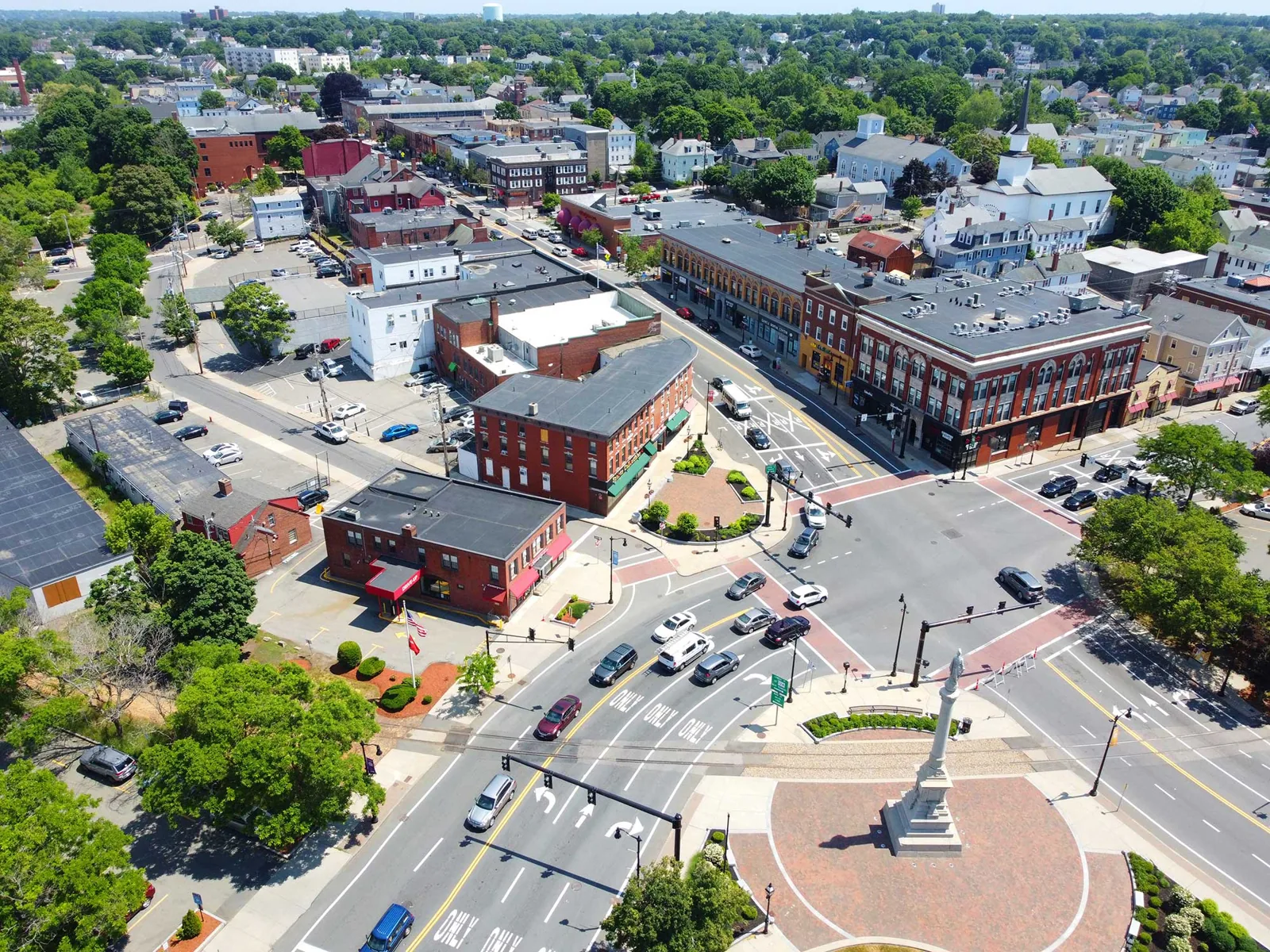
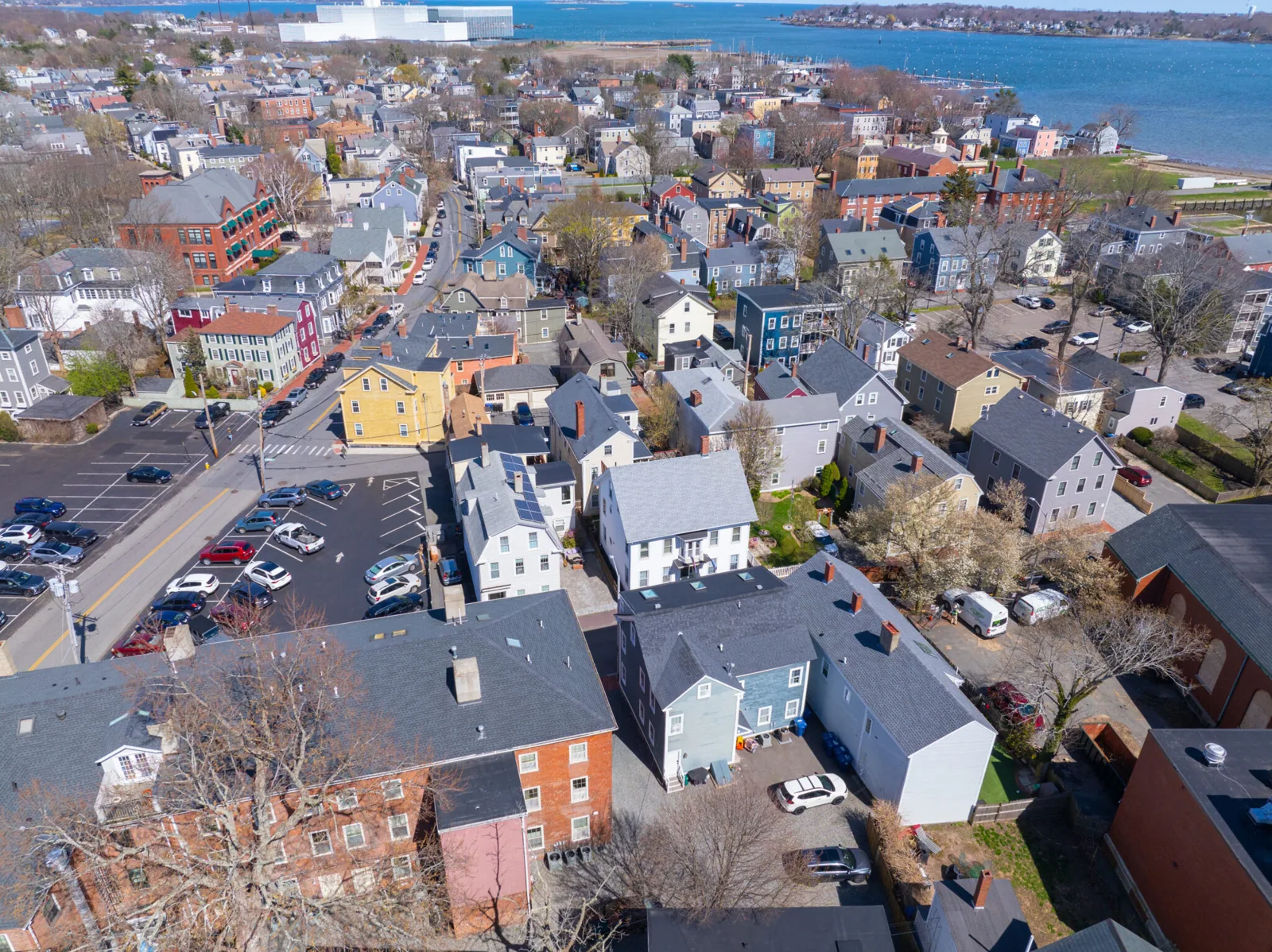
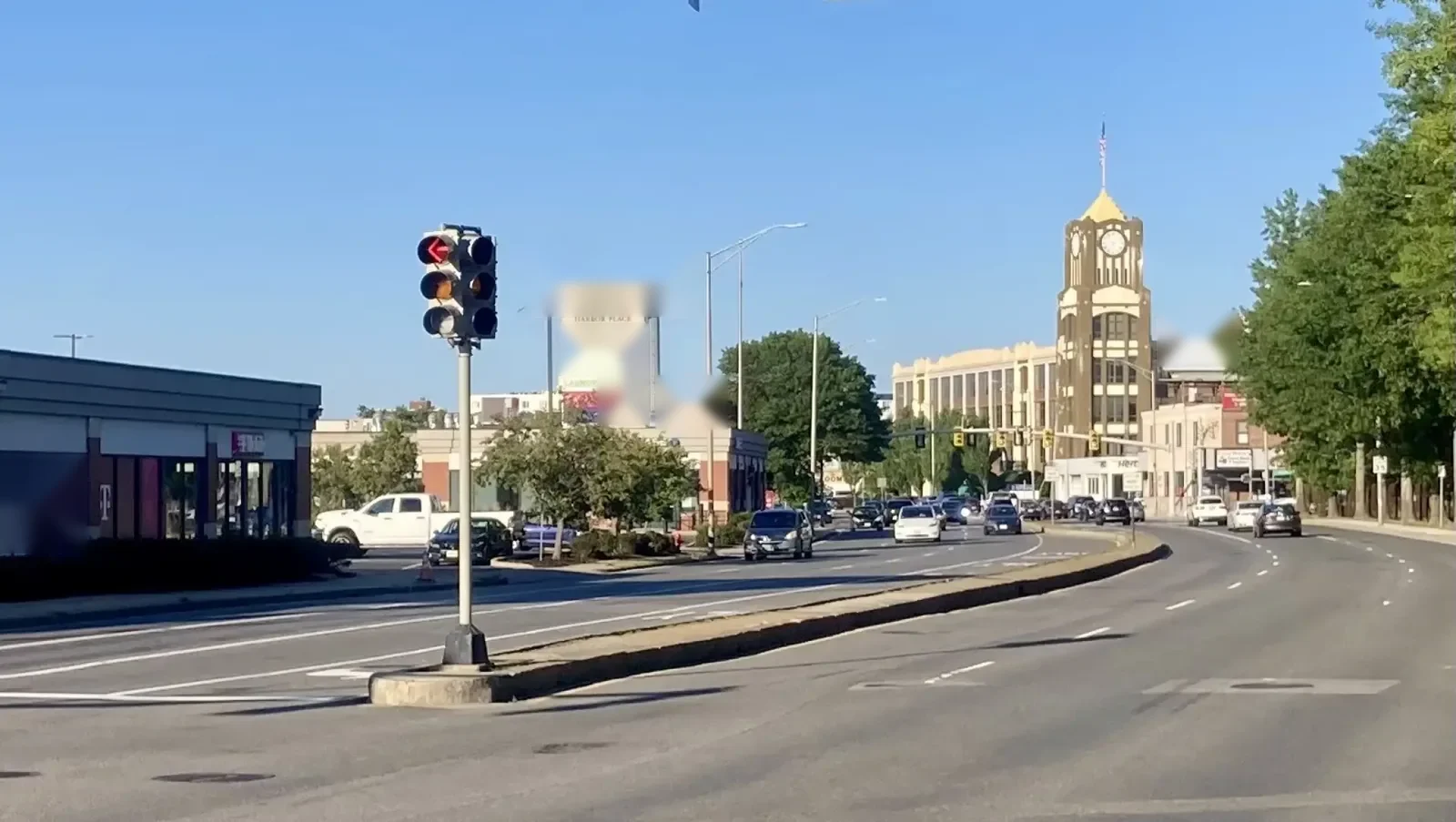
Use Saugus’s growth areas as context, then inspect the property
Saugus Center is a town redevelopment priority. Along Route 1, the Business Highway Sustainable Development District supports planned mixed-use growth. For a commercial owner, those growth plans can make timing, tenant coordination, and capital planning part of the roofing decision. We check current operations with the property contact and inspect the roof before setting repair limits.
We confirm the building contact, access, occupied spaces and safety requirements, then record visible membrane or metal, edges, penetrations, drains and prior repairs. A worn-looking surface may remain serviceable; a small opening at a transition may be more consequential. The report connects each observation to a roof zone and explains whether it supports repair, monitoring or further investigation.
The town’s economic-development office supports commercial development across Saugus. A dated roof record can keep maintenance decisions connected to the building as staff or plans change. It should state inspection limits as clearly as findings. In Peabody, Centennial Park is an employment location for technology and medical businesses. Those uses can call for different access and work-window planning; we confirm each owner’s operating limits and inspect each roof separately. Centennial Park in Peabody is a separate commercial area.
Build a roof record that separates evidence from assumptions
A useful roof walk starts with records available to the owner: plans, prior scopes, warranties, leak reports and repair dates. We compare them with accessible conditions. If documents describe one assembly but an exposed edge suggests another, we identify the difference and say what would confirm it. Where layers are concealed, the report identifies a test opening before those materials affect the repair or recover decision.
We trace transitions as well as components: field seams, perimeter conditions, penetrations, equipment curbs, wall terminations, drains and prior patches. Notes separate a visible defect from a possible cause and from a recommended test. If a moisture survey or test opening could change the scope, we explain the question it addresses and the area it covers. A test result applies to the opened point; adjacent zones remain outside that finding until inspected.
Near Saugus Center or Route 1, the same evidence standard applies. Planning context can help coordinate a roof decision with future use, but the scope comes from confirmed conditions. A roof condition report preserves photos, observations, open questions and follow-up dates for the next manager.
Plan for wet and cold seasons without presuming damage
Drainage, flashing and temporary dry-in deserve attention before a forecast becomes a scheduling problem. Rain can reveal a weak transition, while freeze-thaw periods can limit access and material application. We inspect the flow path, outlets, low areas and interior reports, then tie each repair recommendation to the condition observed at the property.
When water is reported, timing and location help focus the investigation. We ask when it appears, which room is affected and whether earlier repairs changed the pattern. We compare that account with accessible drains, seams, penetrations and wall transitions. If the water path remains unclear, a targeted test can identify the next repair boundary before a larger patch is priced. Drain and scupper service fits when the outlet or connection is at issue; other defects need their own repair detail.
Before cold-weather work, agree on the daily area that can be opened and closed, the temporary protection available if conditions change, and the installation limits for the selected system. That plan helps keep the building weather-tight and sets a clear boundary around completed work.
Compare repair, restoration and replacement against the findings
A localized repair can fit when a discrete defect is confirmed and adjacent materials remain suitable. A coating or restoration scope needs separate checks for adhesion, preparation, moisture, existing layers and drainage. A recover may limit removal only when the assembly and deck condition support it. Replacement becomes a stronger comparison when deterioration is widespread or concealed layers affect the entire scope. The recommendation should explain why the selected path fits the evidence.
Cost and duration depend on access, staging, material handling, occupied-space protection, detail repairs, disposal, testing and how much roof can be closed each shift. We identify assumptions and exclusions so bids can be compared fairly. For work near Saugus Center or Route 1, the proposal identifies the roof conditions addressed now, the repair boundary, and any items that remain outside scope.
A targeted repair names the work area and tie-in limits. A replacement plan documents removal, substrate review, transitions, drainage and closeout. Compare a recover only after its prerequisites are confirmed.
Close the work with clear limits and next steps
At completion, the owner should receive photographs, materials and details addressed, relevant test findings, and the boundary of approved work. The closeout should identify conditions left for observation, inaccessible areas and recommended follow-up timing. If a repair depends on an interior check or another trade, state that dependency so the next person knows what remains.
A dated baseline lets future managers compare the same drain, seam, or penetration. For a property near Saugus Center or Route 1, the closeout can inform maintenance budgets alongside the owner’s broader plans.
To arrange a Saugus roof walk, share the building’s general use, reported area, available records, safe access method, operating restrictions and desired schedule. We will inspect accessible conditions, document limits and present a repair or renewal scope tied to the evidence.
Commercial Roofing Questions
Do Route 1 zoning plans tell you what roof system a Saugus building has?
No. Route 1 is one of Saugus’s economic-development areas, and its zoning includes a sustainable mixed-use district. Those planning facts do not establish an individual building’s roof assembly. We inspect the property and identify its materials before recommending work.
Can you inspect a roof before a tenant or redevelopment decision?
Yes. We can document accessible conditions, note limitations and separate immediate repairs from longer-term questions. The report can support planning, but it does not replace structural review, design or testing when those are needed.
What should I send before scheduling a Saugus roof inspection?
Share the building contact, the area of concern, leak timing, available plans or prior repair records, access details and any occupied-space restrictions. If a project deadline is driving the visit, tell us so the inspection scope can focus on that decision.
How do you handle a leak when the entry point is uncertain?
We compare the interior report with accessible roof details and document what can be confirmed. If concealed conditions could change the repair, we can recommend a defined test or follow-up rather than promise a repair based on an uncertain water-entry path.
Can roof work be phased while the building remains in use?
Often, but the practical sequence depends on access, protection, weather, material limits and how much area can be left secure at the end of each shift. We review those conditions with the owner and define work zones before starting.
Schedule a commercial roof walk in Saugus
Share the building use, reported roof area, available records, access contact and operating limits. We will document the condition and outline the next repair or investigation step.
Back to Service Areas.