
Commercial Roofing in Lynn Harbor Port Area, Lynn, MA
A roof project beside Lynn Harbor must account for the building's operating needs as well as the membrane and flashing details. The Lynn Harbor Port Area is a designated port area intended to preserve water-dependent uses such as shipping, fishing, vessel services, and industrial processing that needs marine access. The site contact identifies current deliveries, roof access, and operating limits before the scope is set. We start by confirming the building, roof zones, access route, and work window with its owner. A commercial roof inspection records accessible conditions; a condition report captures the findings and limits for the property file.
Plan commercial roof work around marine-dependent operations in Lynn Harbor's port area, with documented access, dry-in, and repair boundaries.
Port use: coordinate the roof scope with site activity
Before the visit, we ask the owner or authorized manager to identify active work areas, delivery timing, restricted access, equipment routes, and any marine-dependent operations that affect staging. The Lynn DPA boundary is mapped on the northwesterly side of Lynn Harbor, while the designated-area purpose protects uses that depend on access to the water. The mapped boundary helps define the district; the property manager confirms the access route, work hours, and operating calendar for the inspected building.
On the first walk, the team confirms a safe route, roof hatch or ladder, fall-protection plan, escort needs, and where materials can be unloaded. If a lift or delivery competes with other site activity, the scope should identify a different access window rather than leave staging unresolved. We also locate sensitive interior areas where dust, water entry, or vibration could affect operations. The access record belongs in the job file, separate from the roof condition log, so a later crew can coordinate without mistaking logistics for a technical finding.
Roof assessment: follow the water path and mark the repair limit
Waterfront exposure can make owners attentive to rain and wind, but a roof inspection still begins with visible evidence. We review drains, scuppers, edge metal, seams, penetrations, curb flashing, transitions, and prior patches. Where an interior leak is reported, we record the room and timing, then compare that report with the roof areas we can access. A stain without a confirmed opening remains an open question. A displaced edge or open lap is described by location and condition, not assigned a cause solely because the property sits near the harbor.
A port-area inspection accounts for North Shore snow and rain while keeping the roof finding tied to its location. Nearby Boston Logan’s annual precipitation average is 44.52 inches; its yearly snowfall average is 48.2. We photograph drains, scuppers, seams, edges, and penetrations by roof zone, then identify whether concealed layers call for a test opening. An infrared pattern can narrow that location; the opening confirms the material condition.
For a waterfront building, we note metal-edge condition, exposed fasteners, coating wear, and joint movement where present. Proximity to the harbor alone does not establish corrosion, so the report ties each observation to its material and location. If a roof uses metal panels, we check whether seams, fasteners, penetrations, or wall transitions are part of the reported issue. That evidence helps distinguish a limited flashing repair from a wider assembly review. A coating proposal also records the existing finish, surface preparation, adhesion concerns, and compatible repair materials before application is priced.
Weather response: distinguish regional exposure from site damage
Massachusetts experienced coastal flooding during Hurricane Sandy in 2012, with East Coast reports placing surge between 2.5 and 4.5 feet. At a Lynn Harbor property, we inspect current edge attachments, wall flashing, seams, penetrations, and reported interior areas, then document only the conditions found. Severe thunderstorms in southern New England can also deliver damaging gusts and hail of an inch or more. A wind damage review or hurricane-related assessment starts from the inspected roof condition.
When a visit follows a storm, dated photos separate fresh impact marks, displaced components, open seams, and older weathering. The owner can then decide whether stabilization, a defined repair, or further testing is appropriate; regional exposure alone does not set coverage or cause.
Work scope: protect the building while the roof is open
A small repair can be appropriate if the opening is local and surrounding materials remain sound. A broader recover or coating proposal needs confirmation of existing layers, adhesion, moisture, and compatibility. Where test results show wet insulation or defects across several zones, the owner may compare a larger repair sequence with replacement planning. The project description should state preparation, materials, temporary dry-in, disposal, protection, exclusions, and how the crew will restore each area before leaving the roof.
Delivery and staging choices should be confirmed with the site contact before pricing. Cost can shift with lift access, material handling, roof height, the number of work zones, protection requirements, and any operation that limits the access window. If a test opening is needed, the owner should know its planned location and how the opening will be restored. A repair scope can define a limited defect; replacement work needs a broader dry-in and phasing plan. We avoid carrying a local repair boundary into the rest of the roof without inspection.
Closeout: return a clear record to the property owner
After work, the owner should receive dated photos, the repaired roof zones, materials, preparation notes, test results, and any unresolved conditions. If access restrictions prevented a complete review, the closeout file should name the area and recommended next visit. A follow-up date gives the owner a chance to compare the same seam, perimeter, or drainage area after another season. When operations change, an updated access contact should accompany the roof record so the next crew can plan a safe and coordinated visit.
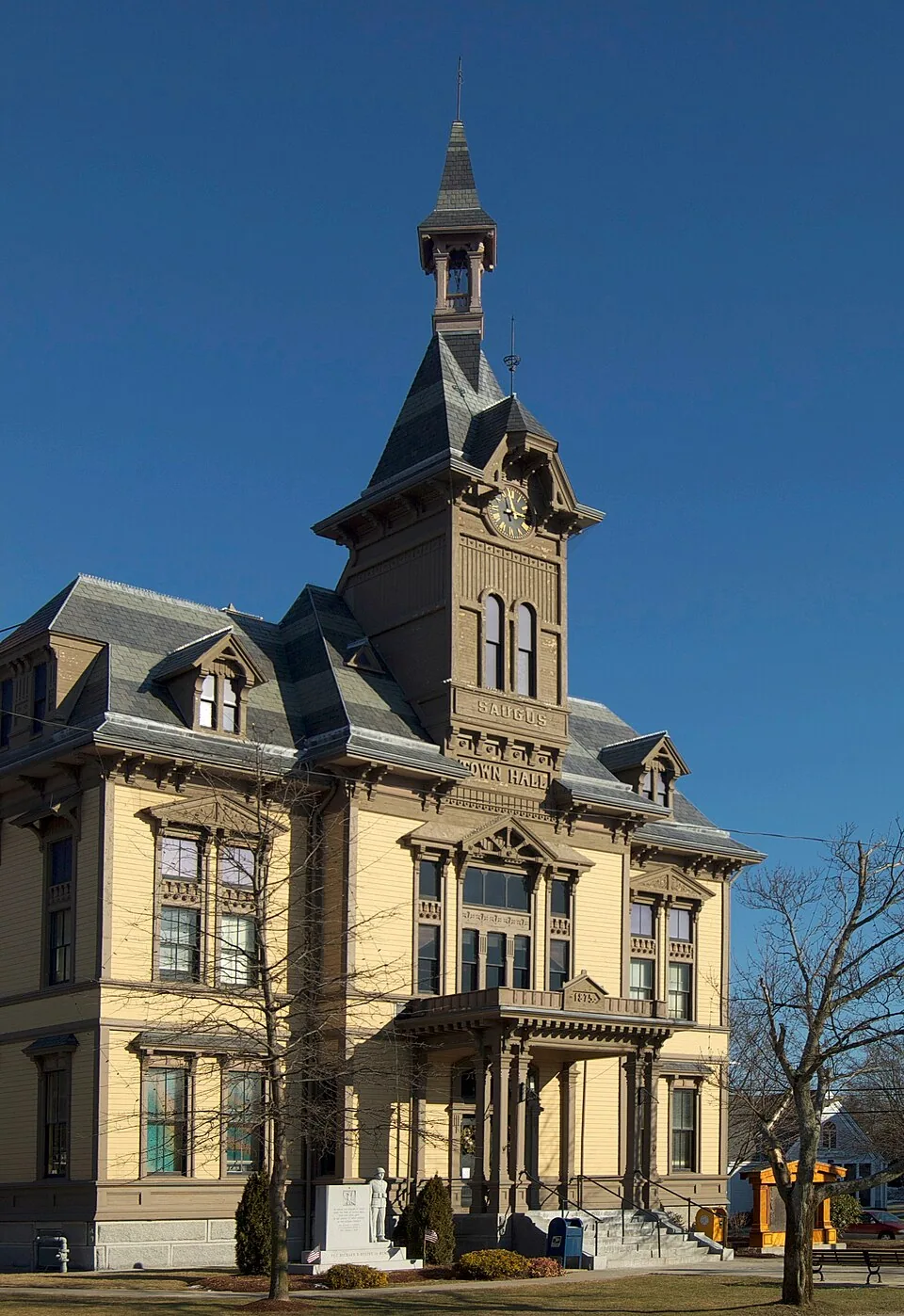
The Lynnway corridor has regional connections across multiple transportation modes, and Saugus is a nearby industrial reference with documented warehouse, processing, storage, and light-industrial use. Those are separate area contexts; neither tells us a particular port property's roof condition. Share the property contact, reported issue, available roof history, and access window to arrange an inspection and discuss a documented repair boundary.
If the owner is comparing a quick stabilization with a permanent repair, we state which materials are temporary and when the area should be revisited. That distinction helps operations plan for ongoing access and prevents a short-term dry-in from being recorded as a completed renewal.
Commercial Roofing Questions
What does the Lynn Harbor Port Area designation tell a facility manager?
It identifies waterfront land reserved for shipping, fishing, vessel services, and other marine-dependent commercial or industrial uses. For a roof decision, we inspect the building’s actual exposure, access conditions, and roof details before recommending repair or testing.
Can you schedule roof work around waterfront operations?
We can coordinate the proposed work window, delivery route, staging, escort needs, and interior protection with the owner or site manager. The facility contact must confirm current operations and access rules before the crew arrives.
What roof details should be checked after a coastal storm?
We commonly review perimeter attachments, edge metal, seams, penetrations, flashings, drainage, and any reported interior leak area. The report separates visible changes from older conditions and does not infer damage from a storm date alone.
Will you need to open the roof to assess suspected moisture?
Not always. We first document accessible observations and can recommend a noninvasive survey or a defined test opening if concealed materials could change the scope. Any opening should have an agreed location and restoration plan.
What should be included in the repair closeout?
Ask for dated photos, roof-zone limits, materials installed, preparation, test findings, remaining exclusions, and a follow-up recommendation. Those records help the owner compare later inspections with the completed work.
Arrange a Lynn Harbor roof assessment
Provide the building contact, roof concern, known operating restrictions, and preferred access window. We can document conditions and plan repair work around the confirmed site schedule.
Back to Service Areas.