Distribution Center Roofing in Lynn, MA
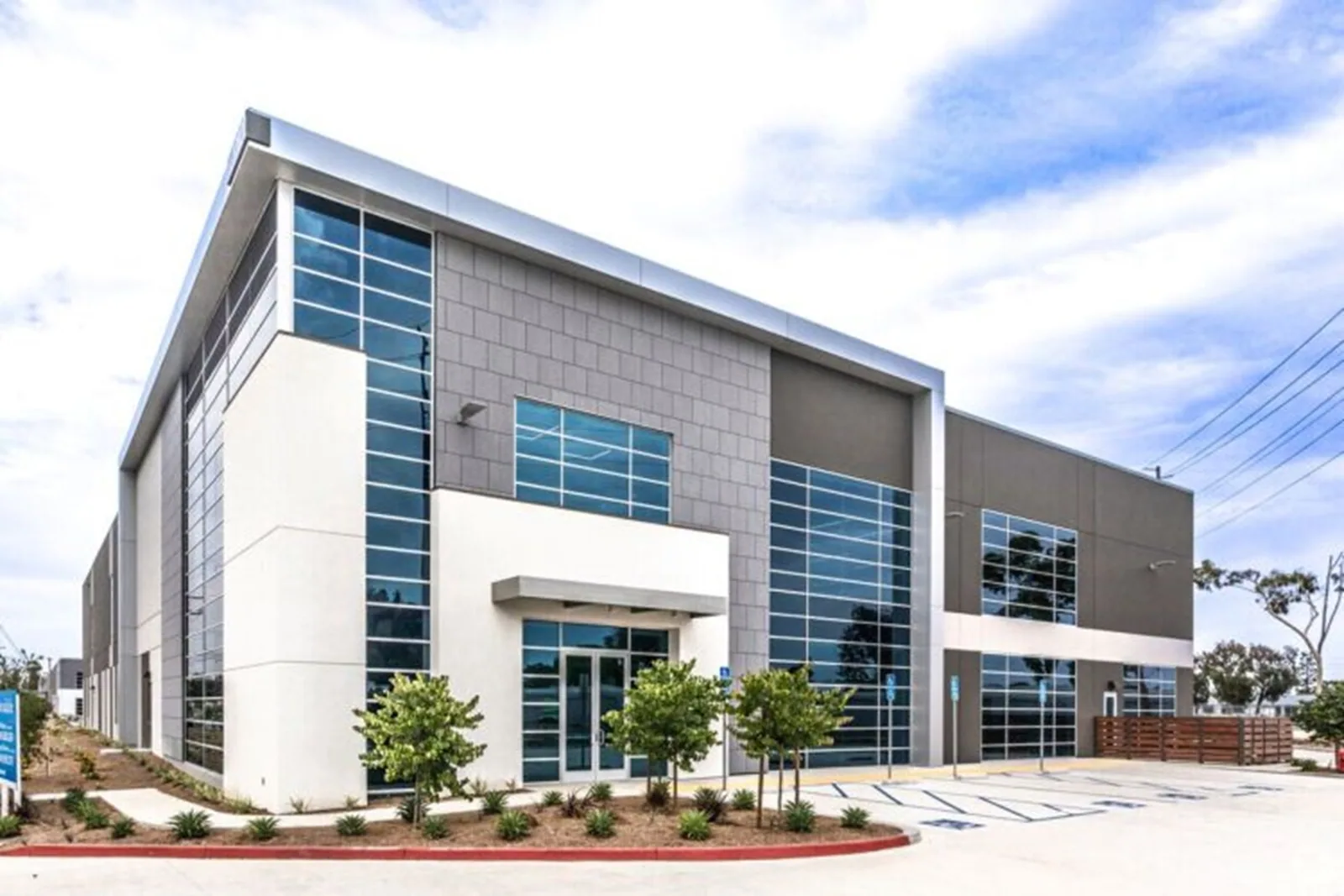
A distribution-center roof over a live loading schedule needs mapped work zones before a membrane is opened. Saugus identifies Route 1 and Saugus Center as commercial-development areas. Lynnway Park, within the Lynn market, includes warehouse, food-processing, storage, and light-industrial uses, including 60,000 square feet of cold storage. That mix makes the roof walk a coordination task as well as a condition review: each drain, curb, seam, and edge finding must connect to the dock, equipment, or storage area below. We record what is visible, identify what needs testing, and set a repair boundary the facility team can schedule.
Marine-dependent commerce remains part of the Lynn Harbor area, including shipping, fishing, vessel services, and processing; Route 1A Lynnway and Carroll Parkway connect regional movement. Those settings can affect delivery timing and staging, but not the condition at an individual distribution building. We confirm the site's truck routes, access windows, and security process before choosing the inspection sequence.
Document distribution-center roof conditions in Lynn with mapped dock zones, tested repair boundaries, and work sequencing for active freight movement.
Freight flow: map the operating constraints
We ask which docks remain in service, when trailers turn, how forklifts cross the yard, and which conveyor or sorting areas sit under the reported leak. A roof repair above an active receiving lane may require a different boundary from work over a reserve-storage bay. The facility contact identifies traffic routes and equipment that cannot be blocked, and we place those constraints on the access plan. They guide staging and protection; the roof evidence still establishes the repair quantity.
A roof-zone map can mark separate dry-in limits above receiving, returns, battery charging, and staff areas, so a shift supervisor can protect each route without treating every dock as available during repairs. Distribution operations can span shifts, so one crew handoff may not be the only handoff that matters. We document when a dock can pause, how temporary barriers will be recognized, and who receives notice if the daily sequence changes. We walk the yard route, trailer turns, and roof access together so a staging choice does not block freight. The condition log ties each roof zone to an operating area without suggesting that an entire building shares one leak or one assembly.
Roof record: trace each report to a zone
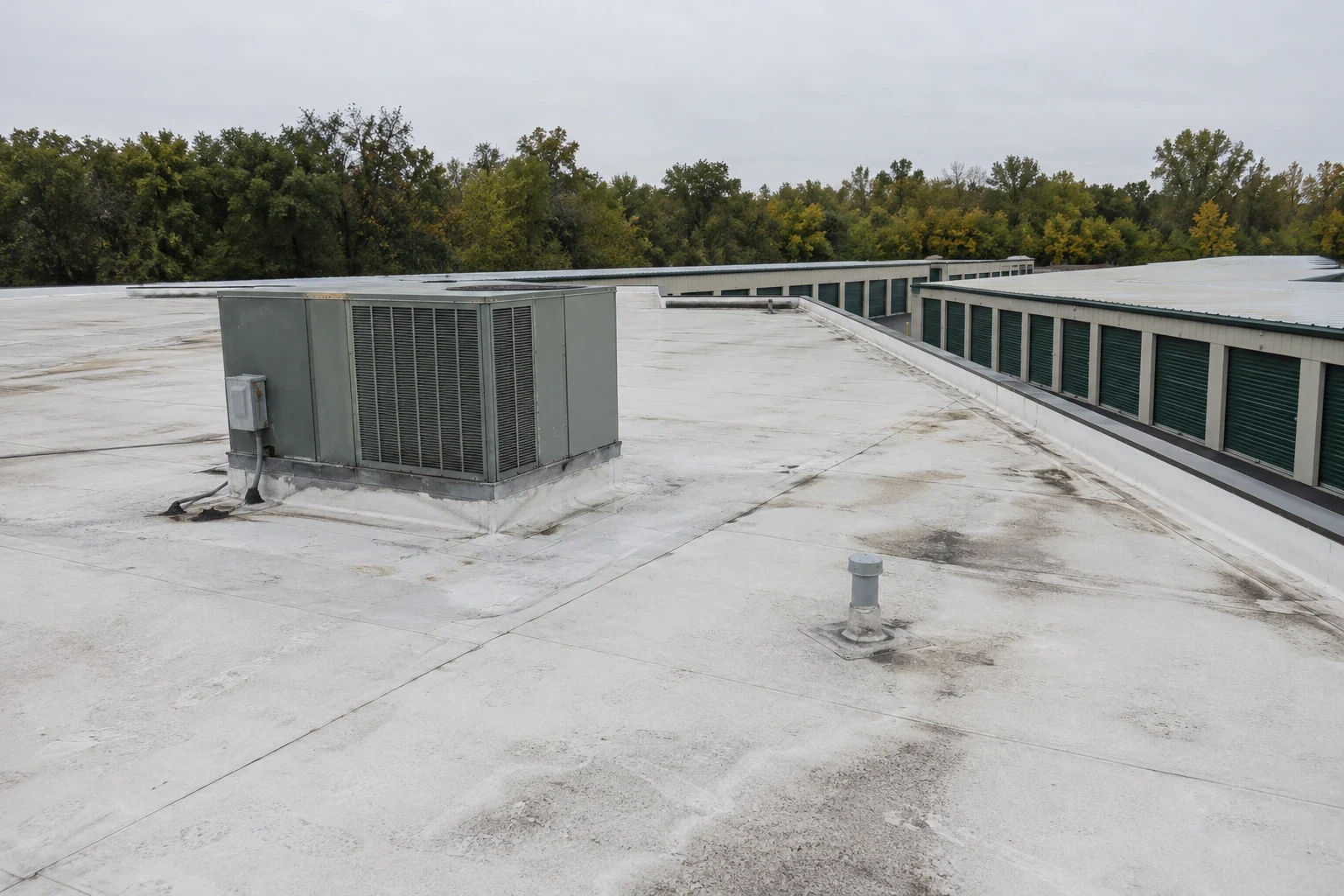
We start at the reported aisle, dock, office, or equipment room and follow the likely path above it. The roof inspection separates an interior mark from a visible seam opening, puncture, flashing gap, or blocked outlet. We label the roof zone, elevation, date, and photo reference, then note nearby curbs, wall transitions, drains, and service paths. Water can travel before it appears below, so a suspected route stays distinct from the confirmed defect. If a section cannot be reached safely, it is listed as not inspected rather than cleared by assumption.
Large roofs often contain additions, different membrane ages, equipment changes, and past patch materials. We record visible layer transitions, loose edges, open laps, cracked sealant, or traffic wear, while keeping each finding tied to its location. Infrared screening can help select a test area; a test opening identifies materials and moisture at that point. A test opening may be warranted when the result changes the removal boundary; the photo record identifies what the opening shows and which surrounding areas remain untested.
Regional exposure: keep water and wind findings specific
Boston Logan's yearly averages count 44.52 inches of precipitation and 48.2 inches of snow. At a distribution property, we trace each outlet, overflow path, low point, and membrane transition and record the actual water movement before setting a removal boundary. Snow and rain affect the timing of a roof walk; the drain and edge conditions at the building determine the repair.
Sandy brought coastal flooding to Massachusetts in 2012, with wind measurements recorded in Boston and Revere Beach. After a reported event, we inspect exposed edges and penetrations at the distribution center, then photograph fresh displacement, impact, open flashing, or water entry found there. Lynn Harbor's marine-dependent activity can affect delivery windows, so the site contact confirms staging separately from the roof findings.
Work options: compare the same freight zones
A local repair may fit an isolated seam or penetration when nearby material is stable and the substrate remains serviceable. We identify preparation, compatible repair material, tie-in, access limits, and any zone that needs follow-up. A commercial roof repair scope should make clear what is included above the dock and what has not been opened. If repeated failures or a test opening show broader moisture, the owner can compare a larger repair with replacement instead of expanding the boundary without evidence.
A recover assessment checks moisture, attachment, drainage, edge height, and compatibility before another layer is considered. Where removal is supported, a replacement plan identifies insulation, cover board, flashing, drains, perimeter metal, debris handling, and daily dry-in. The assembly may be evaluated against TPO or another suitable system based on the substrate and operating use. Warehouse roof requirements or manufacturing plant access can provide comparison points, but the center's own roof zones set its scope. Massachusetts commercial building and energy codes guide project design and permitting.
Sequencing: protect freight and dry-in
The foreman and facility contact identify the access route, delivery hours, roof opening limit, drains that must remain clear, and the person who accepts a temporary tie-in. Work is sized to the crew's ability to inspect and protect each opened area before the shift ends. If a conveyor curb or rooftop unit needs attention from another trade, the roofing detail stays at a hold point until that contractor completes the work and the tie-in can be checked.
The Route 1A Lynnway and Carroll Parkway corridor serves regional movement across multiple travel modes. An active freight property may have arrival windows that cannot shift with the roofing crew, so the site lead confirms gate rules and trailer circulation before materials are ordered. We confirm those rules at the site and record the agreed staging area and contact. A phased occupied-building sequence can set roof zones around continuous operation, while a drain review can separate outlet corrections from membrane work. The closeout file lists completed areas, photos, materials, open tests, and temporary protection that needs a follow-up inspection. Share the building use, dock map, affected zone, access contact, and operating window to request a roof walk.
Commercial Roofing Questions
How do you keep dock traffic separate from roof staging?
We confirm truck turns, active doors, lift placement, and emergency access with the facility contact before materials arrive. The agreed route goes on the work plan, and any change receives a new handoff. Roof access and loading activity remain distinct boundaries.
What evidence is needed before expanding a repair area?
A repeated leak, visible seam failure, moisture reading, or test opening can change the scope. We document which item is confirmed and what remains concealed, then compare the next step against the same roof-zone map. The owner can authorize more testing before quantities expand.
Can a distribution center stay in operation during replacement?
Many projects can be phased if the assembly and weather window allow a secure daily dry-in. We identify the zones that cannot be opened together, protect the dock and equipment routes below, and confirm delivery windows. The schedule follows the facility's actual operating controls.
Which local conditions matter in a Lynn freight building?
Winter precipitation, freeze-thaw, coastal wind, and the building's exposure all make drains and edges worth inspecting. Lynn Harbor and the Lynnway Corridor also have active marine and freight movement. We record those planning constraints, while the roof inspection determines what needs repair.
Request a distribution-center roof walk
Send the dock map, building use, known leak zones, access contact, and freight schedule. We will document roof conditions by zone and identify repair, testing, or replacement decisions that need an owner review.
Back to Property Types We Roof.