
Commercial Roofing in Washington Street Gateway District, Lynn, MA
A roof review in Lynn's Washington Street Gateway District should distinguish present building conditions from plans for future use. The Washington Street Gateway District is planned for mixed-use development and greater real-estate investment, with stronger connections between the neighborhood, waterfront, and transit. Vacant, underused, and low-density sites are part of the area's redevelopment considerations. The plan identifies redevelopment priorities for the district; the owner confirms the building’s current use, roof access, and project schedule before repair or survey work is scoped. A commercial roof inspection can document what is accessible, while a due-diligence survey can support a defined property or transaction question.
Evaluate Lynn Gateway district roofs for repair, drainage, and redevelopment planning with building-specific inspection findings and clear access limits.
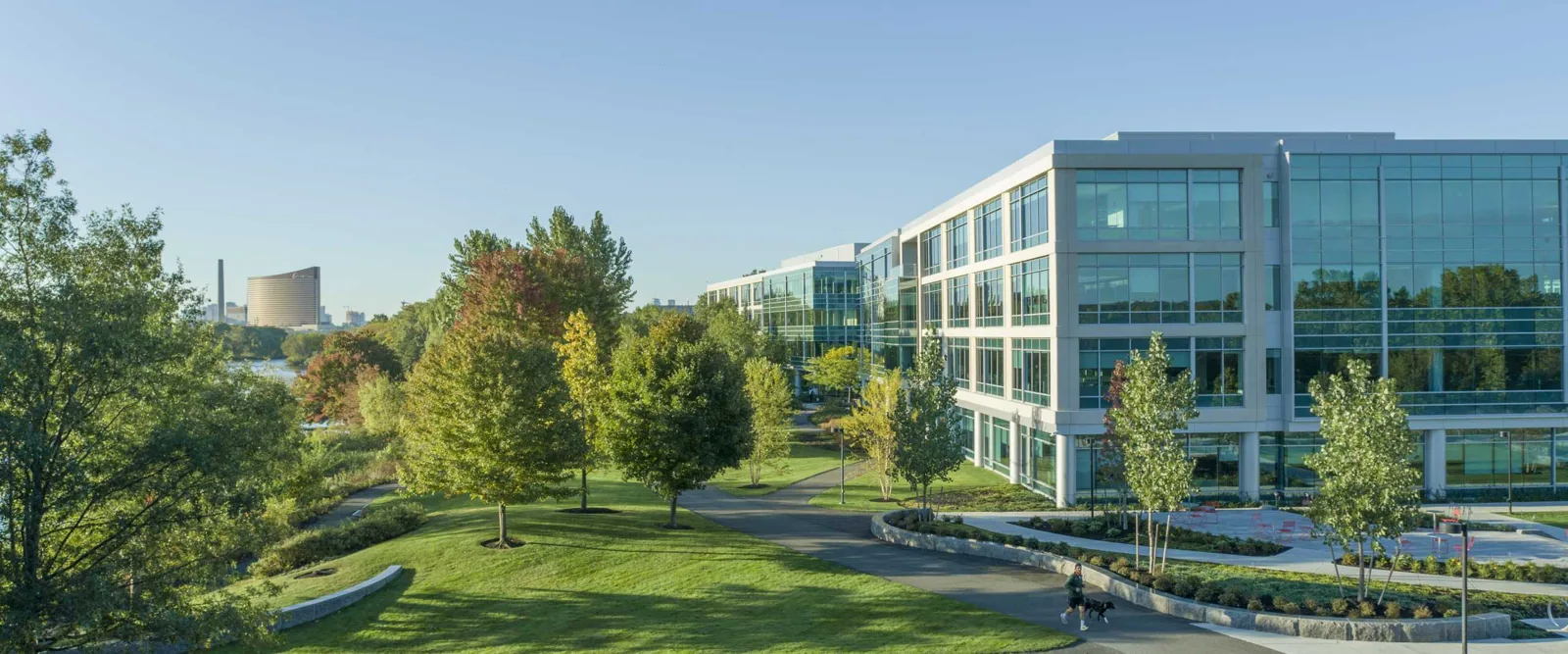
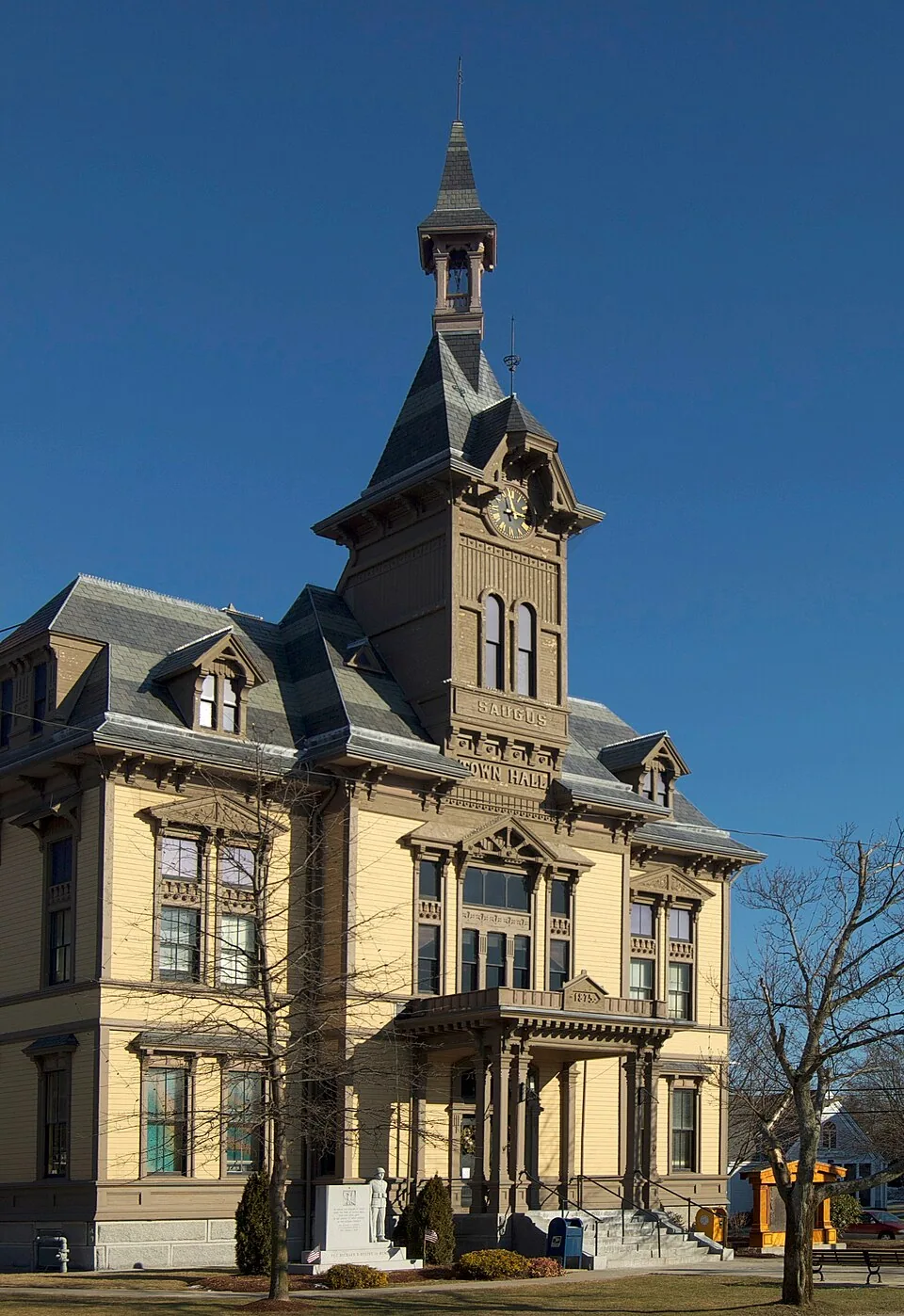
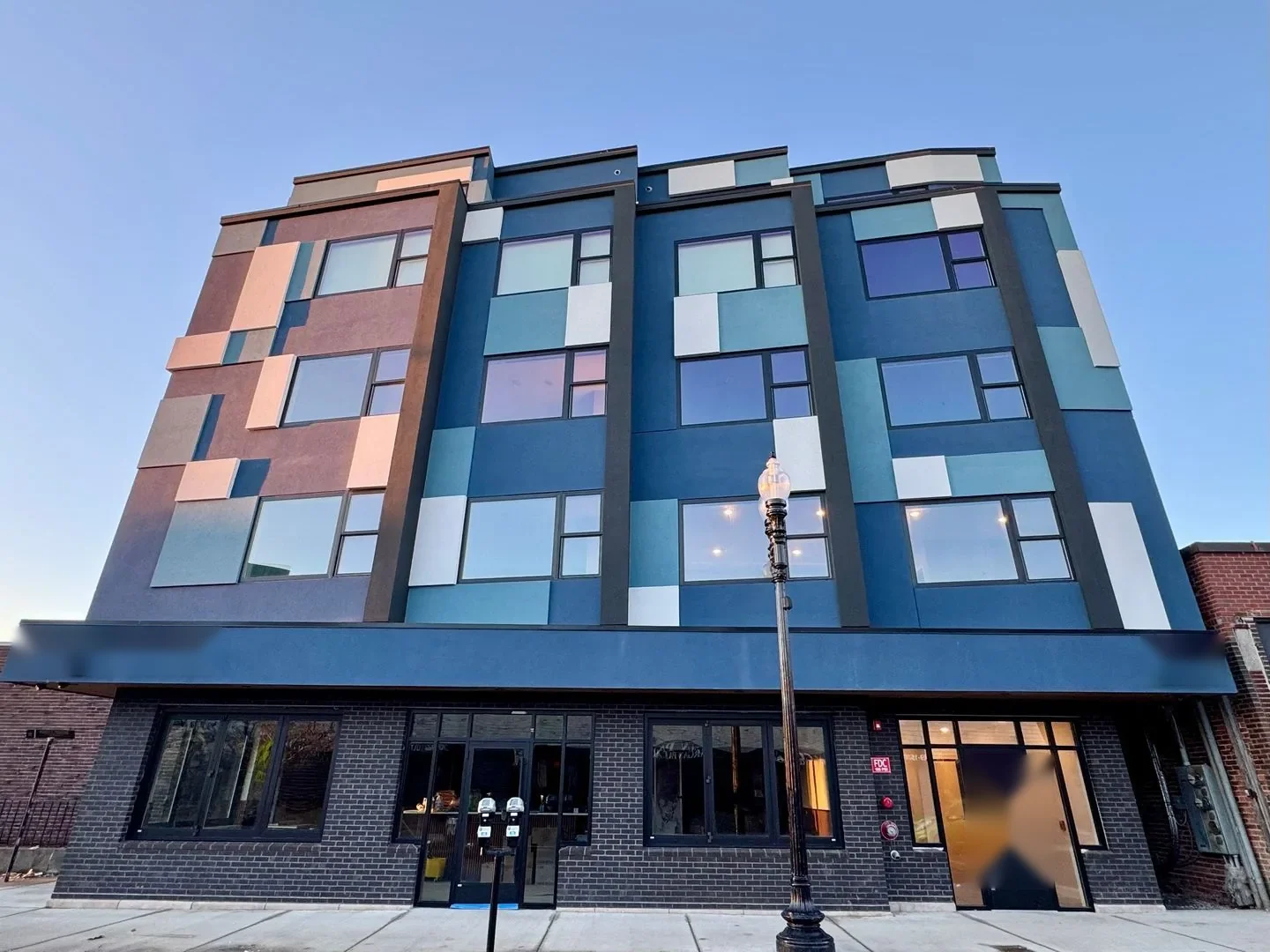
Redevelopment context: survey the actual building before planning work
When a property owner is evaluating renovation, leasing, or redevelopment, the roof record can help distinguish short-term protection from a larger capital decision. We identify visible systems where possible, accessible roof sections, drainage, edges, penetrations, prior patches, reported leak areas, and any test that could change the scope. For the roofing decision, the owner’s current records and an on-site review establish roof age, observed defects, tenant coordination, and any construction limits.
The district plan's emphasis on neighborhood, waterfront, and transit connections can prompt a practical access conversation: who approves entry, when deliveries can arrive, and whether work must coordinate with another project. The property manager confirms the approved route, delivery window, and work hours. If another trade is scheduled, we map roof tie-ins, assign dry-in responsibility at exposed transitions, and identify who accepts the handoff before the next phase. The daily log notes when the roof boundary is released and access can resume.
Water management: inspect drainage and transitions first
For any accessible roof, we check drains, scuppers, seams, perimeter metal, penetrations, curb flashings, and roof-to-wall transitions. If water has been reported inside, we note the affected room and date separately from visible roof conditions. We compare the stain location with the roof slope, transitions, and earlier repair boundary; nearby areas are inspected before they are included in the repair scope. We tie photos to roof zones and identify areas that need a test opening if concealed moisture could change the recommendation.
Lynn receives regular rain and about four feet of snow in an average year. For a Gateway-area roof, the walk traces the actual drainage path, outlet condition, and safe access points before a repair quantity is set. Drainage repair can address a confirmed collection or discharge concern; it cannot correct an unrelated seam or flashing opening.
Planning and operations: coordinate the access window
Before a roof walk, the manager identifies who can authorize access, whether an escort is needed, what interior areas require protection, and if planned construction affects the roof. If the property is occupied, we ask about tenant schedules and any areas that must remain open. If no contact can confirm a section, we do not mark it inspected. These limits are included in the report, together with the arrangement needed to return.
Downtown Lynn's cultural district includes restaurants, galleries, music, public art, events, and walking tours, while the Washington Street Gateway planning area connects its neighborhood with the waterfront and transit. Those city-center features can make owner coordination a useful topic where relevant, but they do not establish event activity at a specific Gateway building. Current constraints come from the property contact. A staged scope can then specify roof zones, access, material handling, work hours, daily dry-in, cleanup, and reopening requirements without attributing a generic schedule to the neighborhood.
Repair and renewal choices: state what would change the recommendation
A bounded repair may address one confirmed opening when the surrounding assembly remains stable. If defects recur in several zones, moisture is suspected below the surface, or the owner is preparing a broader redevelopment decision, testing or a larger comparison may be more useful. A repair scope should state the preparation, materials, boundaries, protection, exclusions, and assumptions. If the roof is not a suitable candidate for localized work, replacement planning can describe sequencing and dry-in requirements.
Cost and timing depend on roof size, access, staging, material handling, repair quantity, occupied conditions, and what is uncovered during work. For a planned renovation, the owner may need a survey early enough to incorporate roof findings into design or financing decisions. We note when the available evidence cannot support final quantities and propose a defined investigation rather than a speculative allowance. A report should also keep the roof-specific work separate from broader redevelopment and site-planning assumptions.
A building owner considering several future uses can ask for a roof scope that separates necessary weather protection from upgrades dependent on a later design. We identify the current assembly where it can be confirmed, the accessible areas reviewed, and any test that would clarify concealed layers. If a future tenant or use changes equipment loads, penetrations, or interior sensitivity, those details need review before the roof proposal treats them as settled. The inspection record can support planning without substituting for the project's eventual design documents.
Closeout record: carry roof evidence into the next project phase
Give the property owner dated photos, observed roof zones, repair boundaries, materials, test results, unresolved areas, and a follow-up recommendation. If the roof walk was limited by access, record the section not reviewed and the contact or schedule needed to complete it. When a future project team takes over, the record should help them distinguish current roof findings from earlier planning assumptions. A repair closeout should state what was completed and what remains outside the scope.
Downtown Lynn and Lynn Harbor Port Area have separate planning and operating contexts from the Gateway district. Those broader contexts can frame access questions. For this property, share the current use, owner contact, reported concern, available plans or repair records, and timing of any redevelopment decision. We can document the accessible condition and identify what further review is needed before work proceeds.
We can also note what the next project team will need to revisit, such as an inaccessible perimeter, an open warranty question, or an area temporarily protected during a prior repair. Recording these items prevents a temporary decision from being mistaken for a complete roof renewal.
Commercial Roofing Questions
Does the Gateway district plan mean a property is vacant or ready for redevelopment?
No. Vacant, underused, and low-density sites are redevelopment considerations in the district, but that planning context does not establish a property's current status or roof condition. We confirm current use with the owner and inspect within the agreed scope.
Can a roof survey help before a renovation or sale?
Yes. A bounded survey can document visible conditions, accessible roof areas, records reviewed, and unresolved questions. If concealed layers or quantities matter to the decision, the report can recommend a test opening or more detailed scope.
What details should a Gateway-area roof walk cover?
We review accessible drains, seams, edges, penetrations, flashings, prior patches, and reported leak areas. We also confirm access, interior protection, work timing, and any project constraints supplied by the owner.
How does the Lynn MBTA-area planning context affect roofing work?
It can prompt questions about owner access and coordination with other work, but it does not tell us how to reach a specific roof or what hours apply. The property manager confirms the route, schedule, and any escort requirements.
Should I repair the roof before making a redevelopment decision?
That depends on the visible condition, urgency, and project schedule. We can document immediate protection needs separately from longer-term replacement or renovation questions so the owner can decide which work should proceed first.
Request a Washington Street Gateway roof review
Send the property contact, current use, reported roof area, available records, and any renovation or transaction timing. We can document conditions and identify the next decision.
Back to Service Areas.