
Cold Storage Roofing in Lynn, MA
The freezer envelope below a roof curb can be affected by a small opening, but the roof record must show where the membrane actually failed. Saugus Center and Route 1 are economic-development areas identified by the town; a cold-storage property still needs its assembly and operating details confirmed. We inspect seams, penetrations, drains, insulation transitions, and rooftop equipment, then mark each condition by roof zone and the temperature-controlled area below. A test opening is identified when concealed layers could change the repair boundary; a ceiling symptom alone does not establish how far moisture has traveled.
Lynn Harbor's marine-dependent industry and the Lynnway Corridor's regional movement make access and staging part of the plan. We confirm refrigeration service routes, delivery windows, roof entry, and operating contacts before opening an assembly. The condition log separates observed damage from equipment questions that a refrigeration contractor must confirm.
Review cold-storage roofing in Lynn with documented insulation, penetrations, drains, and access limits for facilities that must protect temperature control.
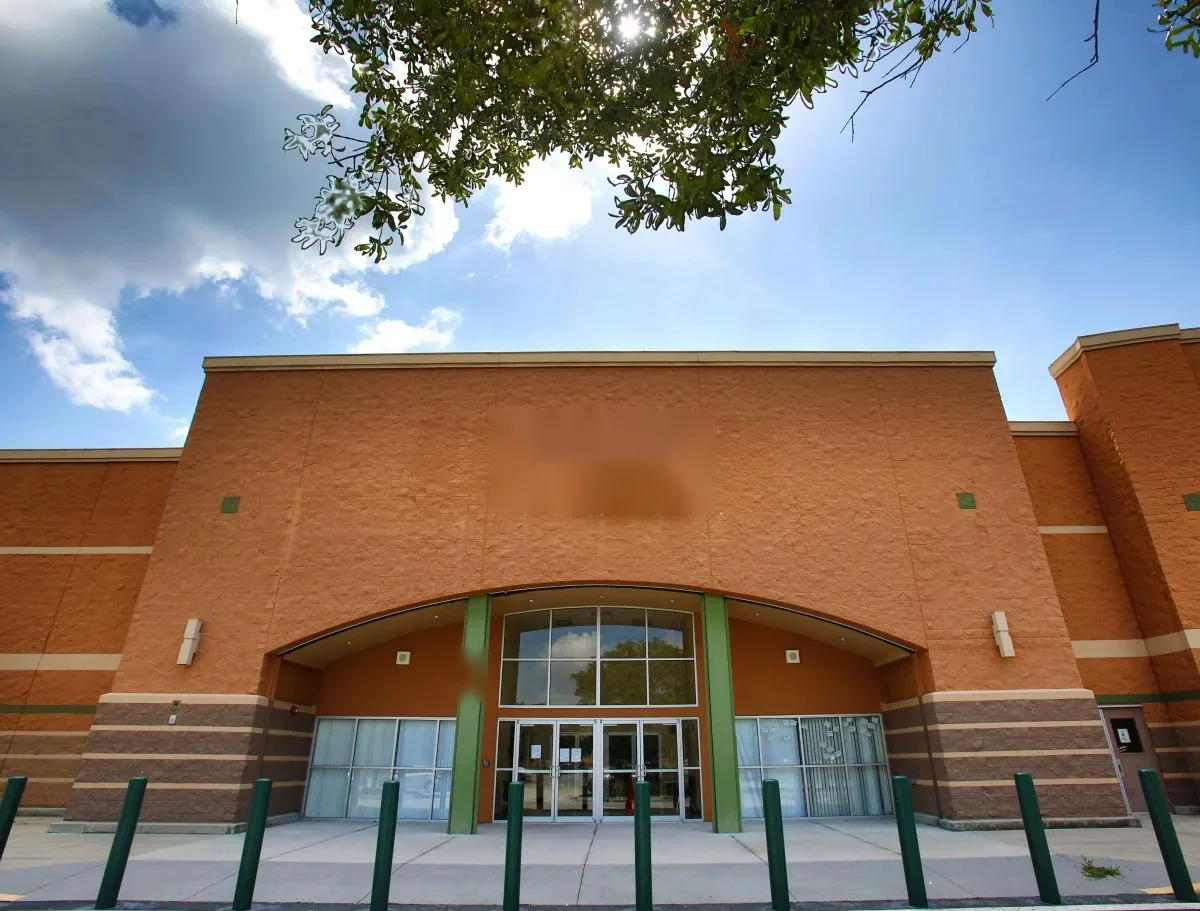
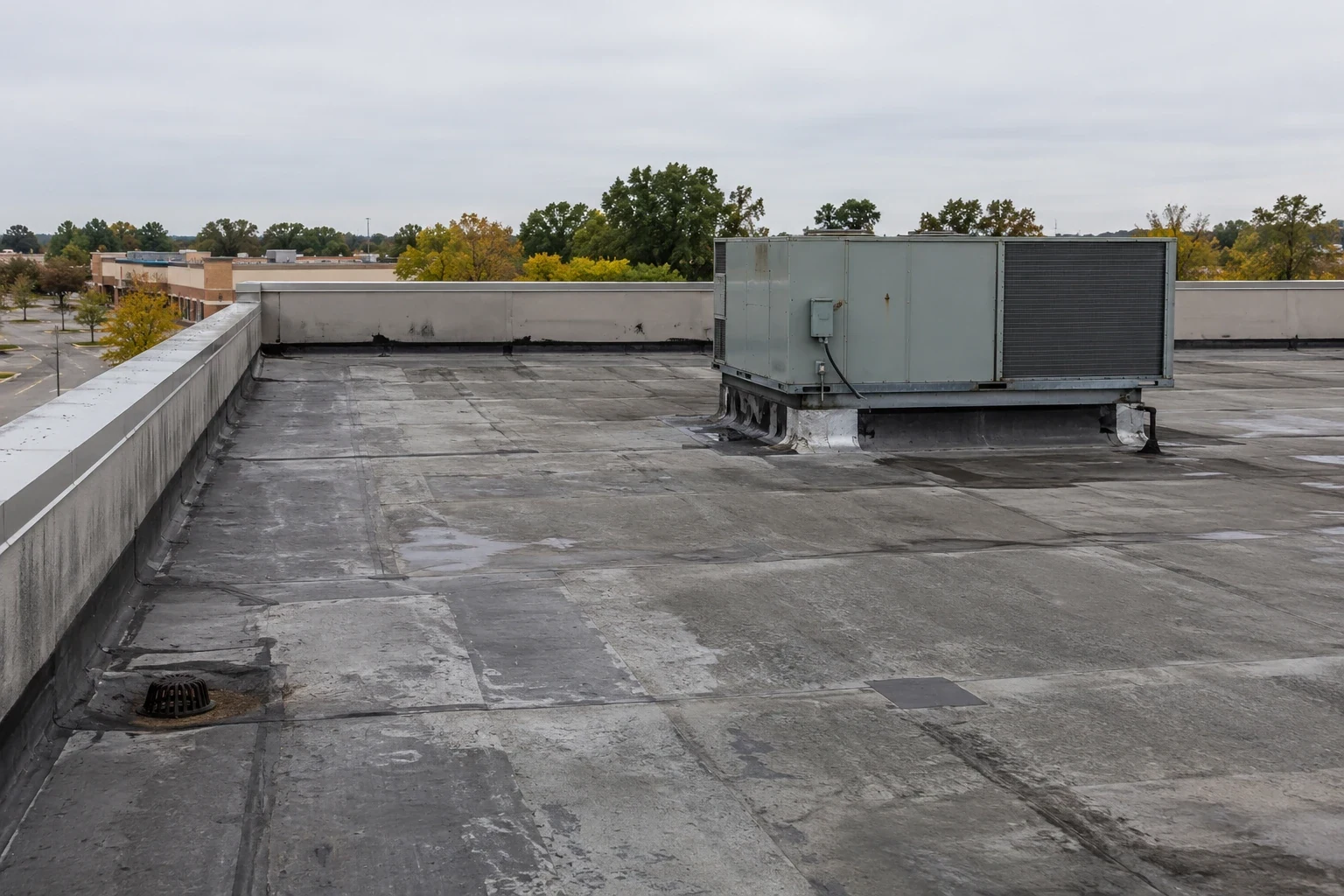
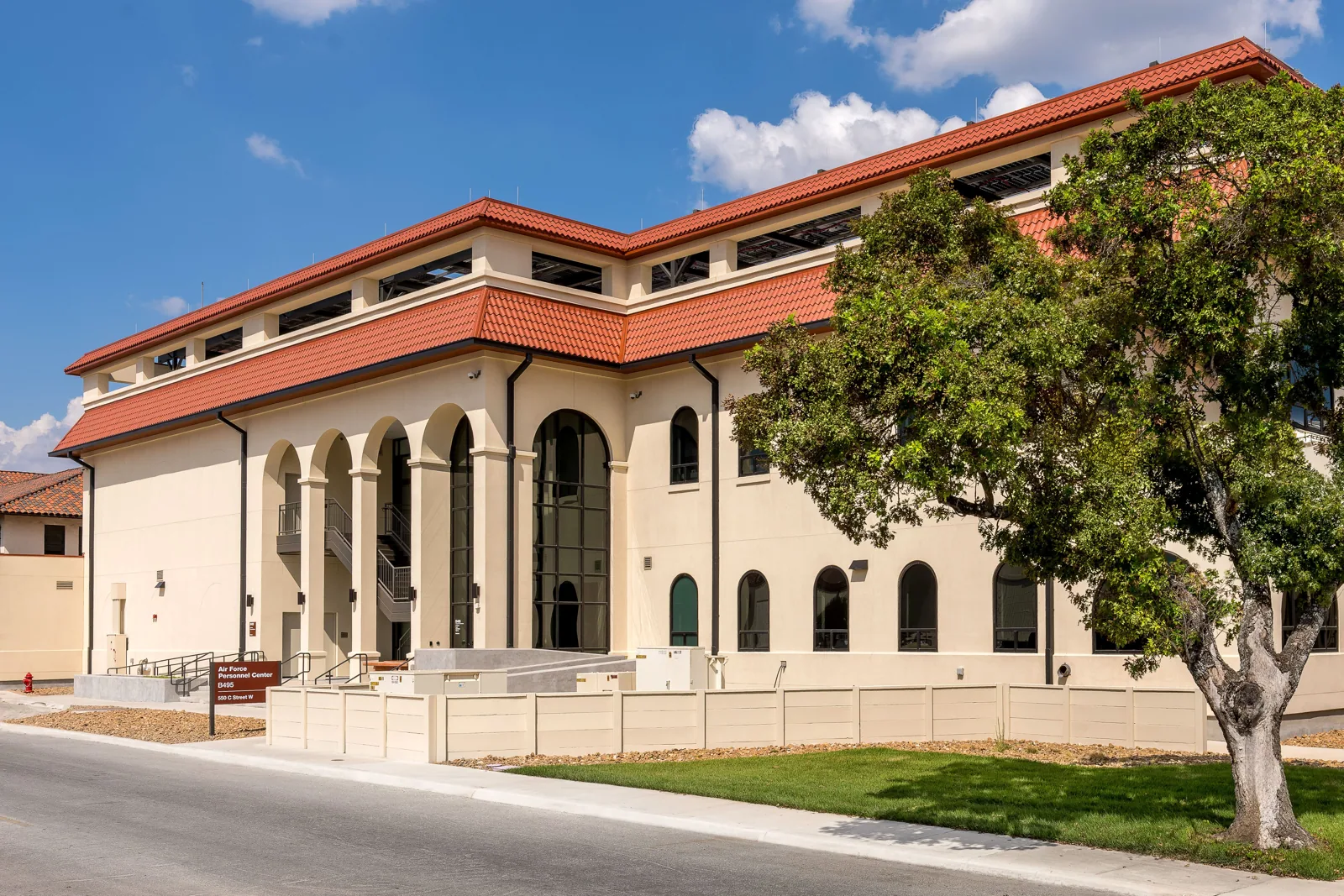
Temperature control: map the envelope boundaries
Before the roof walk, the facility lead identifies freezer and cooler zones, evaporators, refrigerant piping, electrical controls, and the areas where product protection is critical. We do not assume that all roof areas serve the same temperature conditions. Each curb, pipe penetration, exhaust, wall transition, and access hatch receives a roof-zone reference, while any equipment condition that needs another trade remains clearly assigned. This keeps a roofing finding from being mistaken for a refrigeration diagnosis.
Cold-storage facilities can have different roof sections above receiving, processing, storage, and support rooms. We compare the roof plan with the field layout and note additions, service paths, drainage bowls, and prior patches. A route across an insulated roof may require protection from foot traffic; the work plan identifies the approved path and temporary barrier. Lynnway Park's mix of cold storage and food-processing uses makes it useful to align roof access with active operations without making assumptions about a particular tenant or its inventory.
Penetration review: trace water and vapor paths
A wet ceiling near a freezer may relate to roof entry, condensation, refrigeration equipment, or a pipe route. We inspect the roof above the reported area and document the nearest membrane lap, curb flashing, pipe boot, drain, and edge transition. The report labels what is visible and what remains a possible path. If condensation or a mechanical connection could be involved, the refrigeration contractor verifies that part while we keep the membrane observation separate. Each photo shows its date, zone, and repair limit.
Insulation below a low-slope roof can change the scope if moisture is confirmed. We can use infrared screening to select a test location, but a pattern in an image does not establish wet material. An authorized moisture survey or test opening can answer whether insulation, cover board, or deck is affected at that point. We record the layers found and avoid treating untested sections as confirmed. A distribution-center roof may share loading conditions, while the cold-space boundary makes the facility’s envelope record distinct. Where roof insulation meets a curb or pipe support, the detail should preserve a continuous transition and leave service access clear. We mark the repair limit so later refrigeration work can return to the same location without relying on a general roof sketch.
Seasonal exposure: check drainage and perimeter details
Cold-storage inspections map drain bowls, overflow routes, low points, flashing, and insulation transitions. Annual snowfall at Boston Logan averages 48.2 inches, with 44.52 inches of precipitation; the station's July mean daily high is 83.2 degrees, while January's mean daily low is 24.3. For a refrigerated building, that weather range makes drain capacity, sealed transitions, and controlled access important inspection points. The field walk establishes the roof's actual condition: we inspect outlets and membrane, mark debris or ponding where present, and trace water toward intended drainage points.
Sandy’s coastal flooding and the generally reported 2.5-to-4.5-foot east-coast surge range make post-event perimeter checks a prudent part of a cold-storage roof review. Inspect the wall transitions, supports, and edge metal actually present, then coordinate the visit around the facility’s receiving and refrigeration schedules. After a coastal event, we inspect actual edge metal, wall transitions, and supports at the property. Lynn Harbor's waterfront setting makes post-event inspection of edges, walls, and rooftop supports useful, but a regional storm does not prove damage at a freezer facility. We look for new displacement, debris strike, open seams, or water entry and compare dated photos where available. The Route 1A Lynnway/Carroll Parkway corridor serves multiple travel modes; we use the property's actual receiving schedule to set an inspection window.
Repair decision: protect insulation and operating limits
A local repair can be appropriate when a seam, puncture, or curb detail is isolated and surrounding materials remain serviceable. The written scope identifies surface preparation, compatible materials, tie-in, and the roof zone above the affected cooler or freezer. A cold-storage roof repair should note any nearby area that could not be inspected. If a test opening confirms wet insulation or deck concerns, we compare a larger removal boundary with targeted correction instead of extending a patch by guesswork.
Recover or replacement options depend on moisture, attachment, drainage, edge height, code, and the need to maintain temperature control below. A replacement plan can sequence tear-off and dry-in by roof zone; a recovery layer is considered only when the assembly is suitable. The membrane choice may include EPDM or TPO, but the detail at curbs, drains, and cold-room transitions controls compatibility. Massachusetts commercial building and energy codes inform the permitted design and insulation requirements for the project.
Site sequence: coordinate roof and refrigeration crews
We confirm the roof hatch, lift location, escort process, truck route, and time when a refrigeration technician can reach rooftop equipment. The manager identifies alarms or controls that must stay active and which service path remains open. If a curb, piping support, or evaporator connection must move, the work pauses at a hold point until the responsible contractor finishes and the roof tie-in can be reviewed. The work plan specifies the opened area and how temporary protection shields the building before the next shift.
Lynnway Park and the broader Lynn Harbor area support cold-storage, processing, shipping, and other industrial activity, but each property's access rules determine the actual sequence. A manufacturing roof can require similar trade coordination; the drain and scupper review keeps outlet work separate from membrane repair. We close with dated photos, layers found, materials, test results, areas not reached, and any follow-up inspection. Share the affected temperature zone, known leaks, roof plan, contact, and access window to request a walk.
Commercial Roofing Questions
How can a leak affect a cold room if the roof opening is small?
Water may travel along a seam, insulation joint, or deck before it appears indoors. We trace the report to nearby roof details and mark the confirmed opening separately from a suspected path. A test may be needed if the hidden layer condition changes the repair limit.
When should refrigeration staff join the roof inspection?
Include them when a leak is near an evaporator, pipe support, curb, control, or condensate route. We document the roof condition and set a separate check for mechanical connections. That keeps the roofing record accurate while protecting access to equipment.
Can replacement be phased without interrupting cold storage?
The sequence depends on roof zones, weather, dry-in capacity, equipment access, and the facility’s product controls. We set an opening limit and coordinate with the site lead before work begins. Each shift closes with the temporary boundary and any follow-up check recorded.
What local weather exposure belongs in a Lynn roof review?
Regional snow, precipitation, freeze-thaw, heat, and coastal wind make drainage and perimeter details useful inspection points. Lynn Harbor is a marine-industrial setting, but no weather history establishes a defect at one building. The roof condition log records what is visible at the property.
Request a cold-storage roof assessment
Provide the temperature-controlled areas, equipment contacts, roof plan, leak reports, and available access window. We will map observed roof conditions and identify any test needed before choosing repair or replacement.
Back to Property Types We Roof.