
Commercial Modified Bitumen Roofing in Lynn, MA
A low-slope commercial roof in Downtown Lynn or along the waterfront may use modified bitumen, a multi-layer membrane system based on bitumen modified with polymers such as SBS or APP. The roof walk should identify the actual layers, surfacing, attachment or application approach where known, patch history, and current transitions before anyone recommends another ply or a replacement. We map seams, laps, drains, curbs, walls, and low areas by roof zone. Photos and a dated condition log help distinguish a localized split from a broader assembly concern.
Building use matters to the work plan. Lynnway Park combines warehouse, storage, food-processing, and cold-storage activity, while Downtown Lynn has active retail and cultural uses. These facts inform access planning, not assumptions about a specific roof. Compare a modified-bitumen repair with built-up roofing or EPDM only after the deck, moisture evidence, drainage, and desired assembly have been reviewed. A commercial inspection can establish what is visible; replacement or recover decisions need separate scope comparisons.
Evaluate SBS and APP modified bitumen roofs in Lynn with a documented review of plies, surfacing, seams, drainage, and flashing transitions.
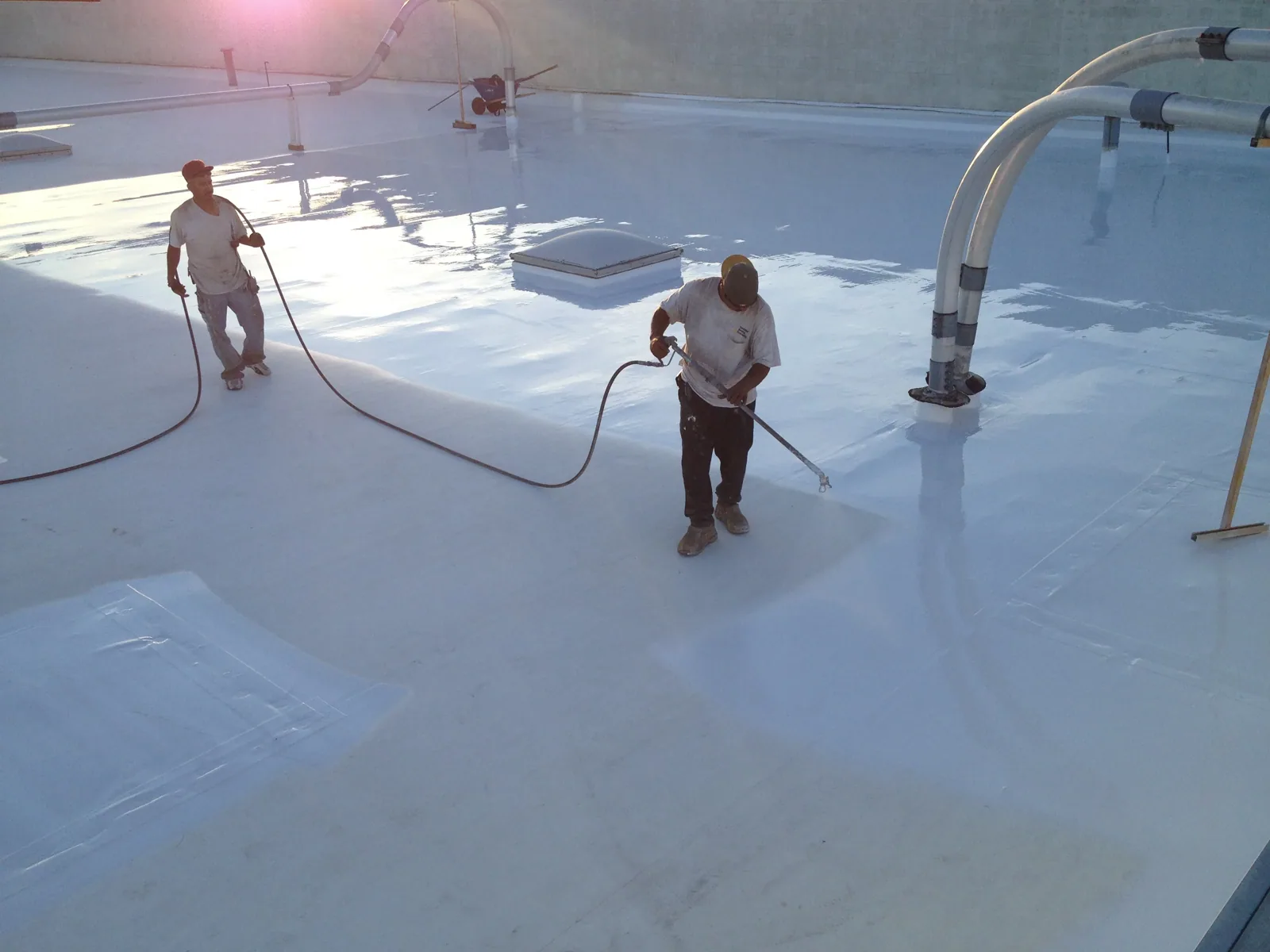
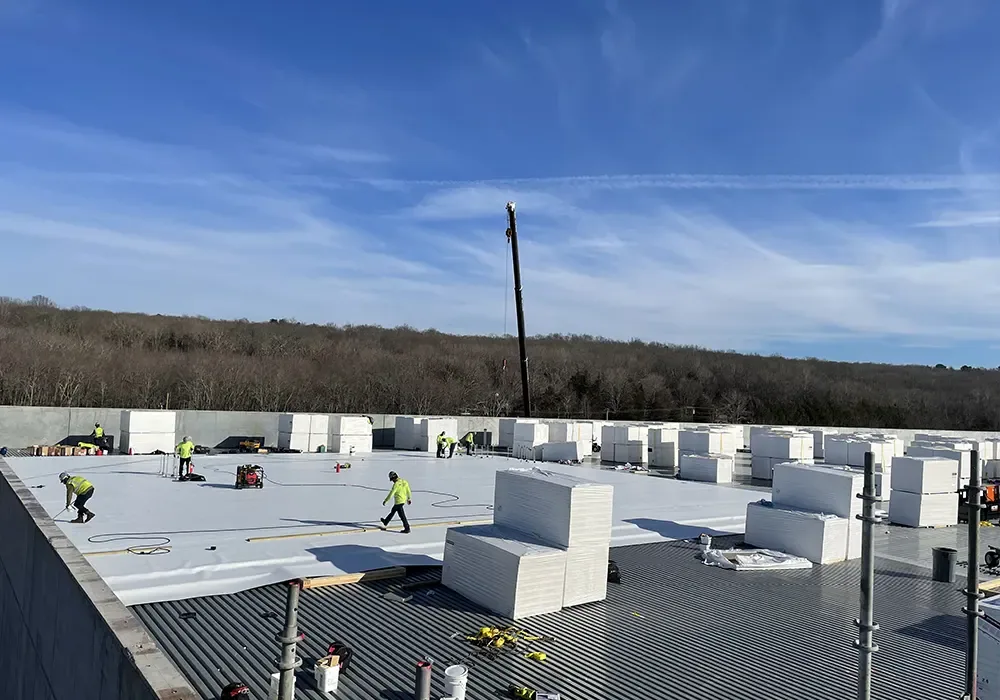
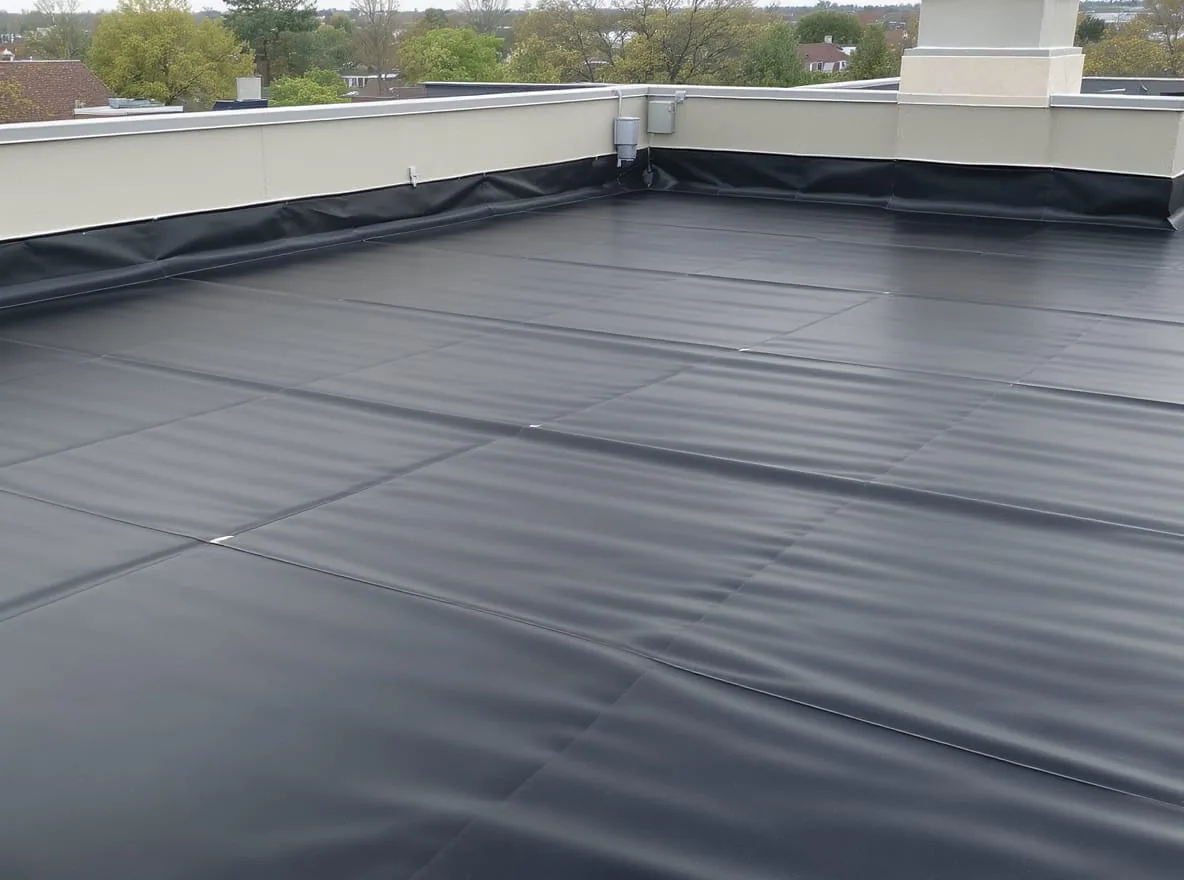
Layers and surfacing: establish the starting point
Modified bitumen roofs can differ in reinforcement, polymer type, number of plies, surfacing, and installation method. The survey records what can be identified and labels unknowns rather than assigning a product by appearance alone. We note blisters, splits, exposed reinforcement, worn granules, open laps, prior patches, and changes around penetrations. A surface defect may warrant repair, but it does not establish the condition of underlying insulation. If moisture or layer transitions remain uncertain, a test opening in a selected zone can provide direct evidence and clarify the removal boundary.
For a torch-applied or otherwise heat-sensitive detail, the work plan should account for the actual assembly, adjacent materials, fire-safety requirements, and site controls. The building owner should receive a clear description of the proposed application approach and any areas needing special protection. At Downtown Lynn, occupied entrances and constrained staging may shape the sequence. In Saugus, Cliftondale Square's commercial and public uses make it important to confirm the actual delivery and tenant schedule with the property contact. The condition record keeps those constraints apart from the technical assessment.
Seams and details: inspect where systems change
Multi-ply protection relies on continuity through field laps, penetrations, curbs, walls, expansion joints, drains, and perimeter edges. We document the location and extent of visible separation, cracking, displaced surfacing, or previous repairs. A lap that appears intact at the surface may still require closer review if water entry is reported nearby. The photo record should show the detail from useful angles and tie it to a roof-zone plan, while the written scope states which locations are included and which remain outside the repair boundary.
Water management needs equal attention. We check drain bowls, scuppers, overflow routes, debris accumulation, and the relationship between membrane height and adjacent flashing. A roof with recurring ponding may need a separate slope or outlet review instead of another surface application. If a localized condition can be repaired, a repair scope should identify preparation and compatible materials. If repeated failures suggest broader deterioration, the owner can compare recover and tear-off options with the concealed assembly evidence documented.
Weather context: connect the regional record to findings
The Lynn market sees warm summer days, freezing winter periods, regular precipitation, and annual snowfall. In Lynn, those regional patterns make drainage, water entry, freeze-thaw movement, and seasonal installation access reasonable inspection topics. They do not show whether a particular modified-bitumen roof is leaking. The crew should follow visible water paths, compare interior reports with roof zones, and record any trapped moisture or surface damage that is actually found. A slope change or added insulation should be checked against drain elevations and perimeter flashing.
Severe thunderstorms across southern New England can bring hail and damaging gusts. Hurricane Sandy brought coastal flooding along Massachusetts, with east-coast storm surge generally between 2.5 and 4.5 feet. A regional weather event cannot establish the condition of an individual Lynn roof. After an event, document observed displacement, puncture, impact, or water entry and keep the suspected cause separate. A Lynn Harbor building may have exposed edges, but the inspection must establish whether a detail moved or failed. A condition report can preserve the dated evidence.
Assembly choice: compare repair and replacement
Repair, recover, and replacement answer different conditions. A repair may address a limited split or flashing issue where adjacent plies remain suitable. A recover can add a compatible layer only if the existing roof is stable, adequately dry, and within applicable layer and code requirements. Replacement allows removal and direct review of concealed materials but requires more demolition and temporary protection. The estimate should describe the observations supporting each option, any moisture assumptions, and what a test opening could change.
When comparing SBS and APP products, confirm the proposed manufacturer, reinforcement, surfacing, application method, insulation, attachment, and detail accessories. Product-specific instructions matter, especially at transitions and where heat or adhesive processes are used. Massachusetts commercial building and energy codes must be checked for the project design and permit. The written assembly record should also address expected rooftop access and maintenance. Do not select a system solely from a general claim about flexibility or weather performance; show how the actual roof zones and use support the proposed choice.
Project record: stage the work and verify closeout
Modified-bitumen work can involve odor, heat, adhesive, hoisting, and temporary exposure depending on the selected materials and method. An occupied building needs a schedule and work-area plan that account for entrances, vents, tenant operations, and deliveries. The crew should identify daily tie-in points, dry-in procedures, and who is responsible for checking the roof at shutdown. Lynn’s marine and industrial uses can make access coordination especially important; in downtown sites, pedestrian protection and compact staging may matter more. Those decisions belong in the project record before mobilization.
Closeout materials should include marked repair limits, assembly and product information, photos of laps and flashing, drain and perimeter completion, test-opening findings, and any change to the scope. Note the surfaces or concealed areas that could not be inspected. Future maintenance staff can use that record to locate the work and compare later conditions. A scheduled follow-up inspection should revisit known transitions and drainage paths; it should not imply that a multi-ply roof is immune from wear, weather, or maintenance needs.
Commercial Roofing Questions
What is the difference between SBS and APP modified bitumen?
They refer to different polymer modifications used in bitumen roofing products. The chosen product, reinforcement, surfacing, and application method should be identified in the project documents, and product-specific instructions should guide the installation details.
Can another modified-bitumen ply be installed over the existing roof?
Only if the existing assembly is suitable, sufficiently dry and stable, and the project requirements permit it. Document the roof layers and moisture evidence first; a test opening can resolve uncertainty at a selected location.
How do I know whether a modified-bitumen roof needs a repair?
Map visible splits, lap separation, exposed reinforcement, surfacing loss, and interior reports to specific roof zones. Then inspect the surrounding assembly and drainage before limiting the scope to a patch or recommending a broader project.
Do Lynn weather conditions determine whether the system is failing?
No. Regional snowfall, freezing, rainfall, heat, and coastal storms help frame inspection questions. The condition of the roof must be established from on-site findings, not inferred from the climate or a storm record.
What details should be included in a modified-bitumen proposal?
Ask for the product and ply build-up, surfacing, attachment or application method, substrate preparation, flashing and drain details, work sequence, temporary dry-in, and how concealed conditions will be handled.
Plan a modified-bitumen roof review
Tell us the building use, known roof layers, affected zones, access contact, and preferred schedule window. We will document visible conditions and identify what needs confirmation before pricing a repair or assembly change.
Back to Roof Systems.