
Commercial Roofing for Property Management Companies in Lynn, MA
A property manager's roof file has to serve more than one building and more than one decision-maker. Across Lynn, MA, a portfolio may include street-facing commercial space near Downtown Lynn, marine or industrial use by Lynn Harbor, and warehouse or cold-storage operations at Lynnway Park. We start with the building use, roof zones, access rules, and the reported condition, then create a dated inspection record that separates what is visible from what still needs testing. That gives an owner a grounded way to compare a contained repair, a phased project, or broader renewal. A multi-site roof program can keep the same reporting fields across properties without treating unlike assemblies as identical.
Commercial Roofing Lynn coordinates Lynn portfolio inspections, repairs, and capital work for property managers with clear records and schedules.
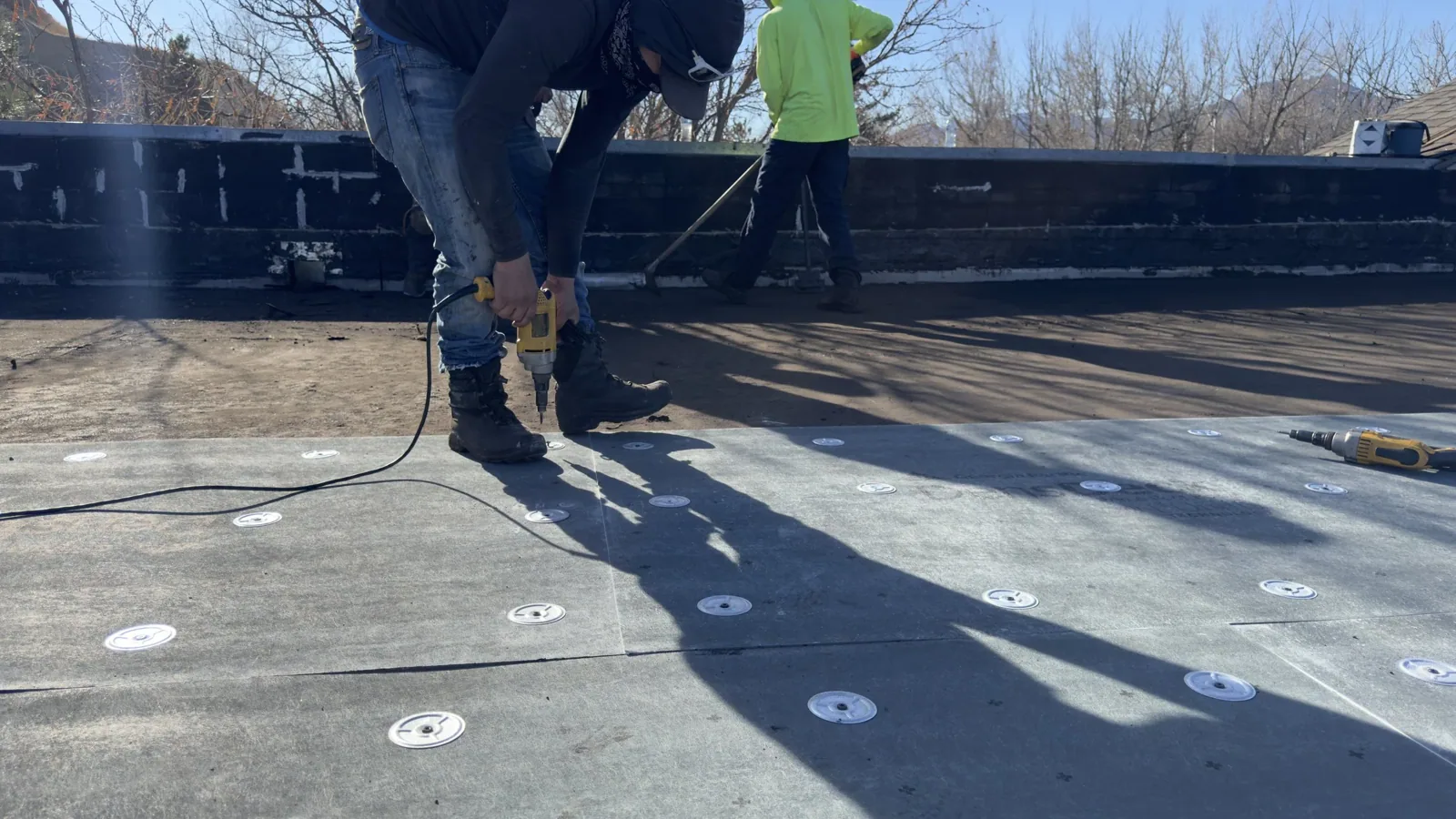
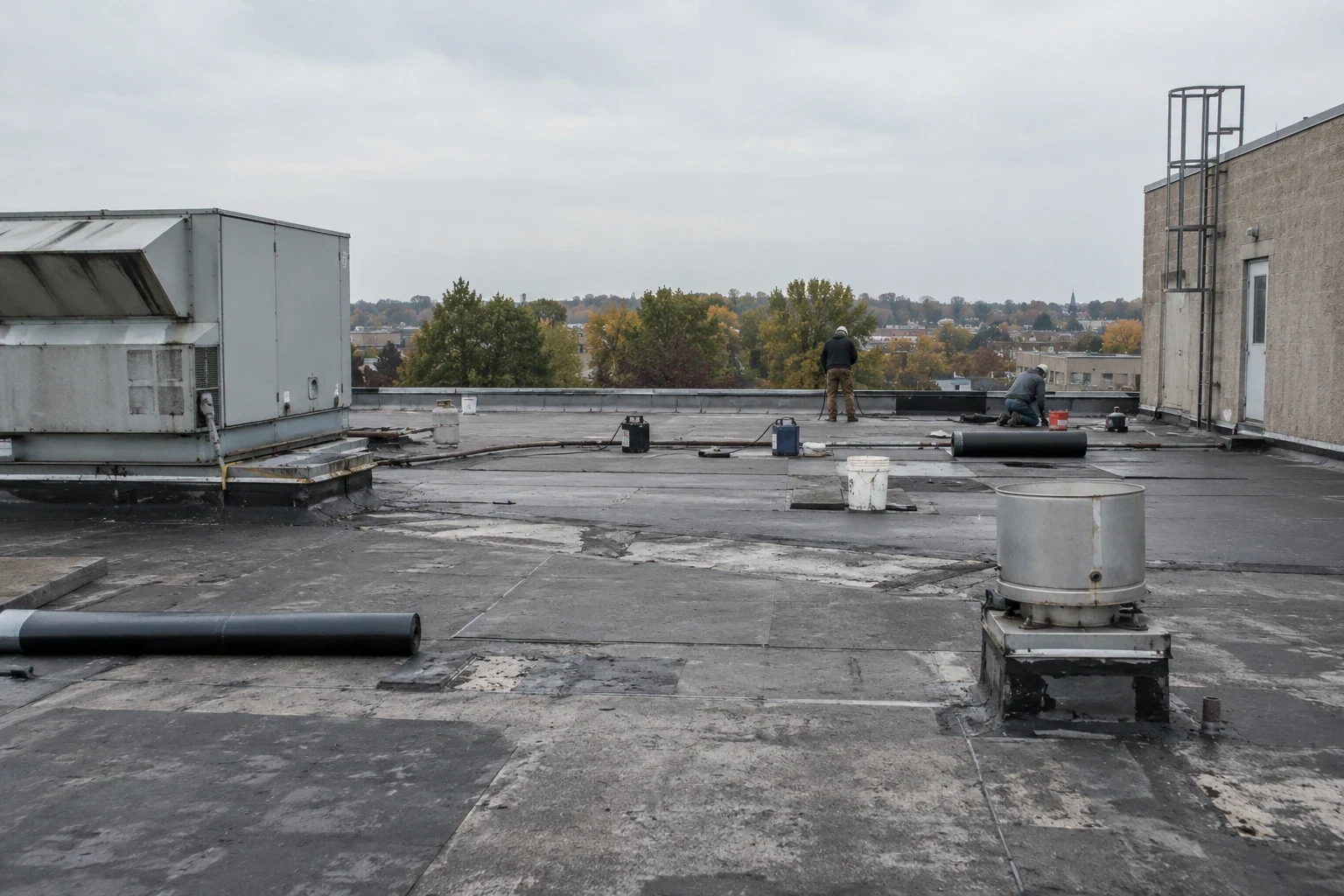
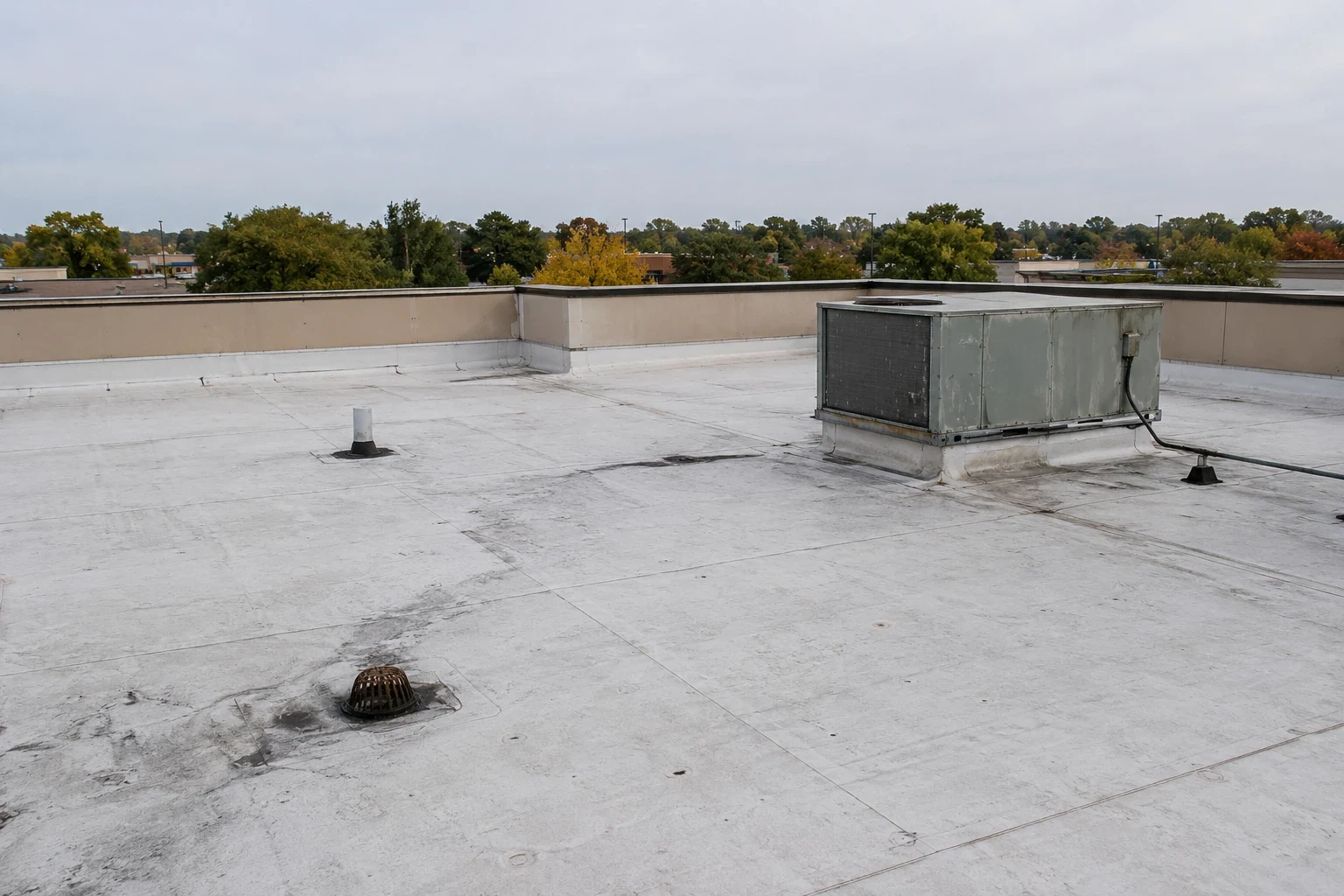
Portfolio intake: sort buildings before scopes
The first useful portfolio list records building use, roof area by section, known membrane or metal assembly, access contact, and current water or interior complaints. That list is not a substitute for a roof walk. It tells us which buildings need an urgent visit, which can be grouped by geography, and where an operating constraint changes the order. Lynn Harbor's marine-dependent industrial uses and the waterfront plan's mixed commercial and retail activity are different work settings; the plan does not establish a roof type or condition at any particular property. Industrial property portfolio work can require a receiving-window plan, while a downtown tenant mix may call for protected entries and clear daily reopening boundaries.
We record each asset separately even when the portfolio shares ownership, because a leak report at one property does not establish a similar defect elsewhere. A condition log should identify the roof zone, observation date, photo angle, and next action: repair, monitor, test opening, or scope confirmation. For managers with several sites, healthcare property coordination can translate those findings into a consistent review cycle while preserving each building's assembly record.
Condition record: distinguish an active defect from backlog
A ceiling stain is an interior symptom, not a complete roof diagnosis. On the roof, we trace the reported area to seams, flashings, penetrations, edge transitions, drains, and prior repair boundaries; where the assembly conceals moisture, a test opening or infrared survey may be warranted before a larger quantity is assumed. Each finding should state what we observed and what we could not confirm. That distinction matters when a manager is balancing an immediate service call against deferred work across several owners or properties. A commercial inspection provides the roof-level observation, while a photo-supported condition report can make the work list reviewable by a facilities contact who was not on the roof.
A portfolio calendar can account for Boston Logan’s 44.52-inch annual precipitation average and 48.2-inch snowfall average alongside a January mean daily low of 24.3 degrees and July mean daily high of 83.2. These values help managers schedule drainage reviews and winter access; they are not a substitute for documenting the condition of each roof. After a severe thunderstorm or coastal event, the manager can compare the event date with dated photos, interior reports, and roof findings rather than assigning every open maintenance item to one storm.
Capital review: put repair and renewal on one table
Portfolio decisions become clearer when the estimate identifies the roof area included, repair boundary, assumed existing layers, access limitations, temporary dry-in, and exclusions. A local repair can be appropriate where the membrane and nearby details remain serviceable; repeated failures, widespread wet insulation, or an assembly that cannot be confirmed may justify testing or a larger renewal comparison. We explain the condition behind the recommendation and separate confirmed quantities from allowances. State regulations place commercial work under 780 CMR's 10th Edition, an amended version of the 2021 IBC; Massachusetts also lists the 2021 IECC and ASHRAE 90.1-2019 for commercial energy performance. The reviewer determines which rules apply to a specific scope. We identify the assembly and proposed alteration so the property owner can coordinate that review without relying on a generic permit promise.
When a portfolio contains both industrial and retail assets, timing can matter as much as the membrane choice. Lynnway Park includes food-processing, storage, and cold-storage uses; Downtown Lynn's cultural district includes restaurants, galleries, retail, and events. These facts support different coordination questions, not assumptions about an individual building. A recover comparison can test whether the existing assembly is suitable to remain, while replacement planning addresses removal, staging, and daily exposure if it is not.
Work sequence: protect occupancy and receiving windows
Before mobilization, we set the access window, delivery path, roof loading limits, work zone, temporary dry-in plan, and the person authorized to approve field changes. A retail entry, production schedule, or warehouse receiving period may have different high-conflict hours. If the building stays occupied, we divide the work into sections that can be closed safely at the end of a shift and identify how noise, odor, crane placement, and access to roof equipment will be handled. These controls belong in the scope discussion, not in a vague promise that operations will be unaffected.
Lynn's Route 1A Lynnway and Carroll Parkway corridor serves multiple travel modes and regional movement; that context makes delivery staging and arrival windows worth confirming for properties reached from the corridor. The city also has commuter rail and ferry connections, but those facts do not predict an individual site's truck access. We confirm the actual site route and loading point with the manager before setting dates. If water is entering during planning, an emergency dry-in can limit exposure while the permanent scope is defined, followed by a dated photo record of the protected area.
Closeout: leave a portfolio file that supports the next decision
At completion, the manager should receive the installed or repaired area, material or assembly description, photographs, remaining exclusions, access notes, and recommended follow-up inspection interval. A closeout file should connect each image to a roof zone rather than rely on a folder of unlabeled photos. We also identify conditions discovered outside the approved boundary, so the owner can decide whether to authorize a separate test or repair without confusing it with completed work. Where work affects a warranty, we preserve the applicable documentation and maintenance instructions supplied for that system.
For a portfolio review, we can return the findings in a building-by-building format with priorities tied to observed condition and operational consequence. Waterfront and downtown properties can require different access and staging plans. Their value is in understanding why access, continuity of operations, and water management may differ from asset to asset. A roof walk with the building use, reported zone, access contact, and schedule window gives the next review a clear starting point.
Commercial Roofing Questions
Can you inspect several Lynn properties under one work order?
Yes. We can coordinate a portfolio visit while keeping a separate condition record for each roof, since assembly, access, active leaks, and repair history need to remain tied to the correct property. Share the buildings, contacts, reported zones, and available access windows so we can sequence the visits.
What should our capital committee receive with a repair recommendation?
The decision file should show the observed condition, affected roof zones, photos, repair boundary, open questions, and the alternatives considered. We can distinguish work that addresses an active defect from testing or renewal that needs a separate authorization, which lets reviewers compare scope without treating uncertain areas as confirmed.
How do you prioritize roofs when several buildings report leaks?
We first separate active water entry and immediate safety concerns from maintenance backlog, then inspect the reported zones and document exposure to occupied space, equipment, or inventory. Weather history can help set timing, but each roof still needs its own findings before a cause or storm connection is assigned.
Can tenants remain in place during planned roofing work?
We plan the work boundary around entrances, operating hours, deliveries, and interior sensitivities, then set a daily dry-in target for the active section. The building may remain occupied when the site conditions and project sequence support it, but the specific access and protection plan has to be confirmed for that property.
What records help keep a multi-year roof plan useful?
Keep the assembly description, dated condition photos, repair locations, closeout details, and follow-up findings together by asset. When a later visit uses the same zone labels, the manager can see whether a condition changed, remained stable, or needs a test opening before a larger capital decision.
Schedule a Lynn portfolio roof review
Share the property list, building uses, reported roof zones, access contacts, and preferred inspection windows. We will return building-specific findings and scope options.
Back to Industries We Serve.