
Multi-Site Commercial Roof Programs in Lynn, MA
A multi-site roof program needs consistent reporting without pretending that every building has the same system, condition, or operating schedule. We help owners and property teams set a shared inspection process, define who supplies access, and keep each roof's findings tied to its own zones and history. A portfolio near Lynn can span industrial, waterfront, retail, and mixed-use properties; the operating context may shape the schedule, while the actual roof determines the scope. Roof asset management provides the record structure, and each site retains a separate condition log for decisions and closeout.
Coordinate Lynn-area roof inspections, repairs, records, and capital decisions across multiple buildings while keeping every property scope distinct.
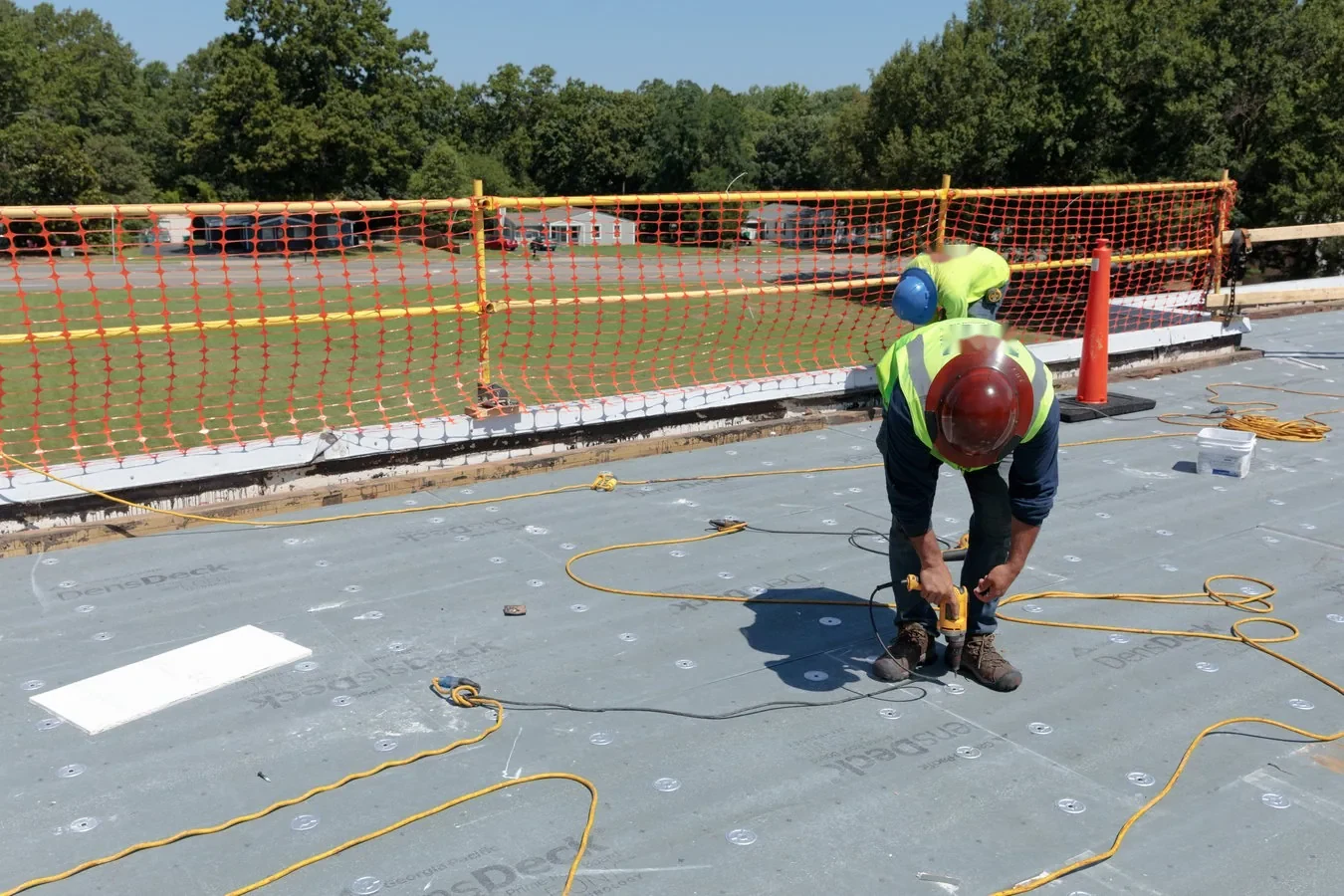
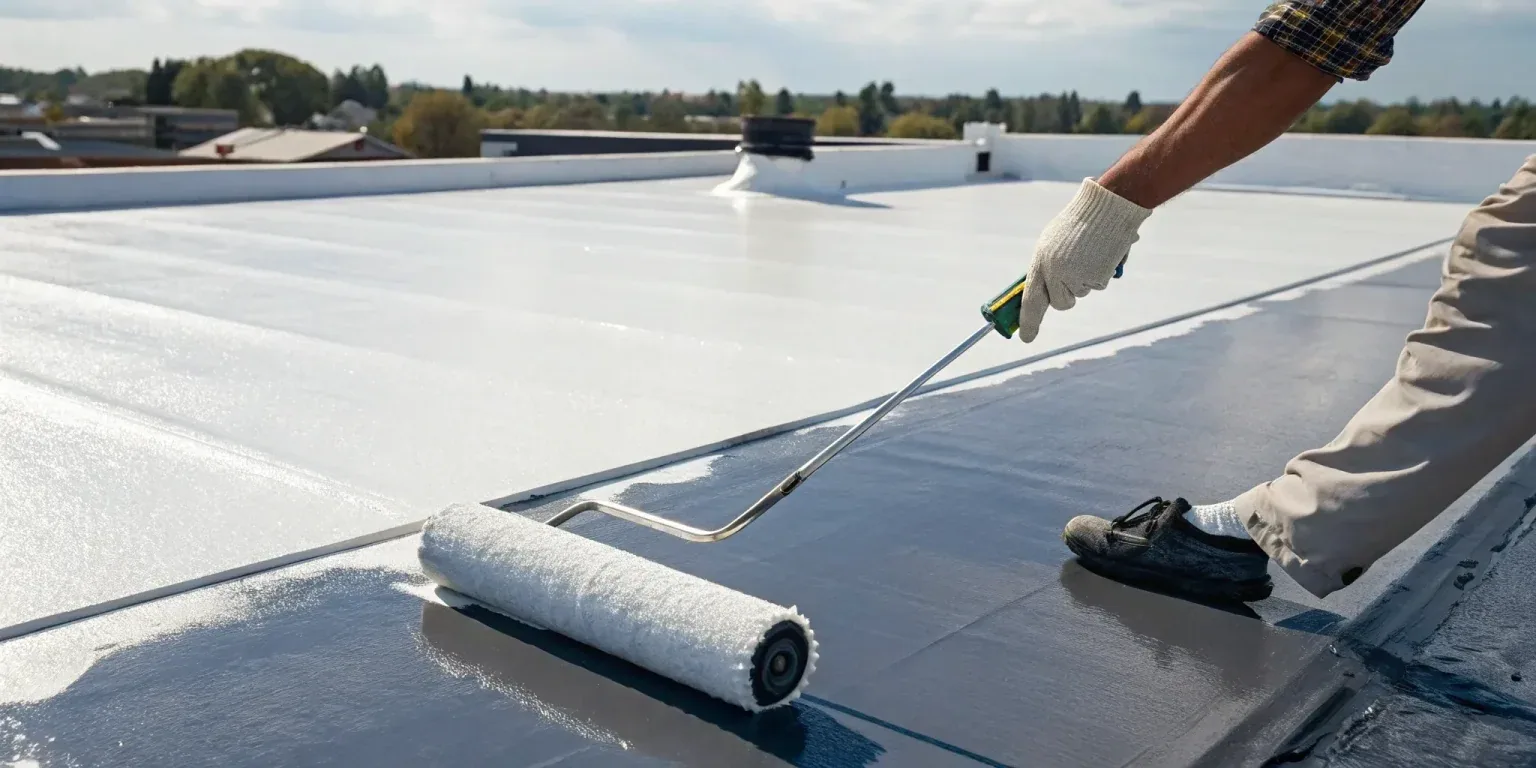
Program design: standardize the fields that help owners decide
We begin by identifying the buildings, owner contacts, tenant contacts, known systems, available records, active leaks, and near-term project windows. The common record can track inspection date, roof zones reached, reported conditions, photos, access limits, repair history, warranty documents, recommendations, and next action. Where a field is unknown, it stays unknown until a site visit or record resolves it. This prevents a portfolio dashboard from giving a false sense of precision because one property has complete files and another has none.
Cliftondale Square in Saugus includes retail, restaurants, service businesses, and contractors, so a multi-site roof program still confirms each property's access and operating window with its manager. At Lynn Harbor, marine-dependent activity can make delivery and staging coordination important. These place facts help prepare scheduling questions; they do not tell us how an individual building is used. Each manager confirms the actual site rules, occupied areas, and emergency contact before a roof visit.
Before the first cycle, we agree on how the owner wants findings escalated. An active leak, a safety concern, a warranty notice deadline, and a routine maintenance item should not enter the same approval queue. We set the contact path, expected response, and minimum information needed to make a decision. If an approval is pending, the status remains open in the program view until the owner or authorized manager resolves it and records the disposition for the next annual roof budgeting cycle.
Inspection cycle: align visits with evidence and access
A program calendar can group nearby visits to reduce travel and coordinate crews, but it should not set identical inspection intervals by default. A roof with recurring leaks, prior repairs, or open recommendations may need earlier review than a stable assembly with complete records. Warranty terms, building occupancy, roof access, weather, and owner budget cycles also matter. We document why a follow-up was scheduled and what the next visit should confirm.
Lynn's seasonal cycle moves from winter temperatures near freezing to summer highs in the low 80s. That shift makes drainage, freeze exposure, heat, and repair windows useful planning questions; each property's inspection determines whether damage is present. We can also schedule a follow-up before a cold period when a known drain or exposed edge needs repair. After a severe weather event, a targeted roof inspection can prioritize reported locations and visible changes. The findings are added to the affected building's record rather than copied across the portfolio.
Triage: keep urgent conditions from obscuring planned work
When one property develops an active leak, the program should route that condition for prompt assessment while preserving the planned review sequence for the other buildings. We identify the affected roof zone, interior report, temporary measures, and who can authorize work. A suspected storm loss is recorded separately from gradual wear, and any insurance or warranty questions remain subject to their own terms. Leak-response work can document immediate stabilization; a condition report then captures the accessible roof area and open questions.
The program lead can review a portfolio summary to see open repairs, unconfirmed conditions, deferred recommendations, and upcoming inspections. A high-level status is useful only if it links back to site-level evidence. We avoid labels that flatten different conditions into a single color or score without explaining the basis. When several teams participate, the same terms and action categories help owners compare sites without claiming that one roof is interchangeable with another.
Work delivery: coordinate crews around each building's use
Once a repair or renewal scope is approved, we coordinate roof access, occupant notice, material staging, lift placement, interior protection, work hours, and temporary dry-in around the site plan. For Downtown Lynn properties with retail, restaurants, galleries, public art, and events, the manager can identify actual customer or event constraints before a crew is scheduled. The cultural district's public activity does not determine a particular building's hours; those must come from its owner or tenant.
Each work order should state the roof area, boundary, assumed materials, preparation, exclusions, and any test opening that could change quantity. A program-wide contractor relationship does not eliminate the need for site-specific authorization and scope. Replacement projects may need their own phasing and closeout plan, while a smaller repair scope can be scheduled around the immediate operational need. The project record returns photos and completed boundaries to the property register after the crew demobilizes.
Portfolio review: turn reports into a funded sequence
At a regular review, the owner can compare repair status, investigation needs, warranty dates, budget allowances, and upcoming access windows. We identify which decisions depend on new evidence and which can proceed under a defined scope. A capital plan can translate those findings into an annual or phased funding sequence, while warranty tracking keeps service duties and transfer questions attached to the correct asset.
The closeout process is part of the program, not a separate archive task. Each site should receive dated before-and-after images, work limits, material information, test results, remaining exclusions, and a next-review date. If a site contact or property manager changes, the incoming team can see what was observed and what remains unresolved. The owner can then compare a future inspection to a known baseline instead of restarting from loose invoices and email fragments. That continuity makes a program more useful across years without replacing the judgment needed at each roof.
Portfolio meetings work best when every status can be traced to a report or owner action. We can prepare a concise list of decisions due, documents missing, and scopes ready for pricing, with supporting records linked at the property level. The meeting summary should name the responsible contact and next date so items do not reappear without context.
Commercial Roofing Questions
How does a multi-site roof program begin?
We build a property list, confirm owner and access contacts, gather available roof records, and identify active issues or project deadlines. A first inspection cycle establishes which fields are known and which buildings need a closer review.
Can one inspection schedule work for every building?
Usually the calendar can be coordinated, but intervals should reflect each roof's condition, use, access, warranty duties, and prior findings. We document the reason for each follow-up rather than assign the same date to unlike properties.
Will portfolio reporting combine each building's conditions?
A summary can compare priorities, but evidence and work scopes remain property-specific. Photos, roof zones, repairs, and unresolved questions stay linked to the building where they were observed.
How do you handle an urgent leak during a planned inspection cycle?
We route the reported building for prompt review, document its affected zones and temporary needs, and preserve the planned visits elsewhere. The response record is added to that property's history rather than treated as a condition across the portfolio.
What should the owner receive after each project?
Return dated photos, repair limits, materials, test results, exclusions, relevant warranty paperwork, and a follow-up recommendation to the individual asset record. This gives the next manager a usable baseline for future decisions.
Coordinate Lynn-area roof work across your portfolio
Share the property list, site contacts, known roof records, and active priorities. We can set a consistent reporting cycle while scoping each building on its own evidence.
Back to Roofing Capabilities.