
Commercial Roof Recover in Lynn, MA
A Lynn, MA warehouse with a stable deck and a dry existing assembly may be a candidate for a recover, but the visible membrane is only one part of that decision. We record existing layers, insulation transitions, penetrations, drains, edge metal, and previous repairs before discussing another roof above them. The condition log has to show where the existing assembly is sound and where a test opening is needed. That evidence lets the owner compare added layers with removal, rather than treating a recover as a shortcut that fits every building.
Lynnway Park includes warehouse, food-processing, storage, and cold-storage uses, while Lynn Harbor remains a working marine and industrial area. Those uses make access and exposure part of the scope: a recover can change edge height, curb detail, and drainage, and the delivery plan must fit the property’s operating hours. We use photos and a marked roof-zone plan to show what is known, what remains concealed, and where installation could stop if a test opening changes the condition. A hands-on inspection establishes that record before the options are priced.
Compare a commercial roof recover with tear-off in Lynn using test openings, moisture findings, drainage details, and a documented assembly record.
Assembly review: count layers before adding one
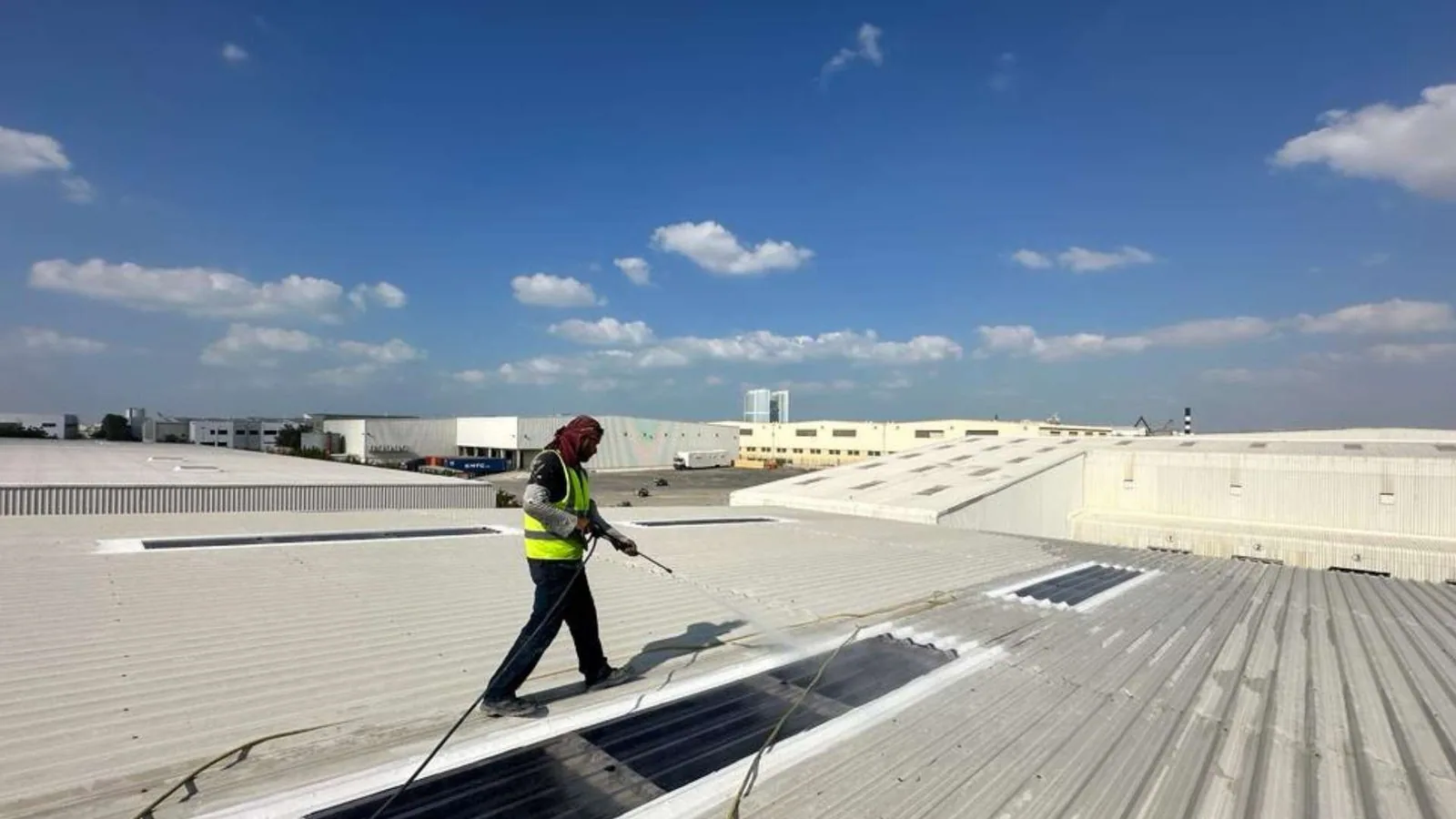
A recover adds weight and height, so the existing construction must be understood before a new membrane is selected. We inspect attachment, substrate firmness, insulation transitions, moisture indicators, and the condition of the deck where accessible. If the current roof has several layers or undocumented repairs, a test opening can confirm the assembly at a representative zone. We photograph each layer and mark its location. That small opening may show whether a recover remains practical or whether tear-off is needed to reach wet material, damaged deck, or an unstable base.
Massachusetts commercial building and energy requirements apply to the project’s actual assembly and permit path. We note the existing and proposed layers, insulation approach, curb heights, and perimeter conditions for the design review. In Lynn’s downtown mixed-use area, changes in roof height may also affect parapet transitions and equipment. A membrane selection follows that field record instead of leading it.
Moisture map: define the recover boundary
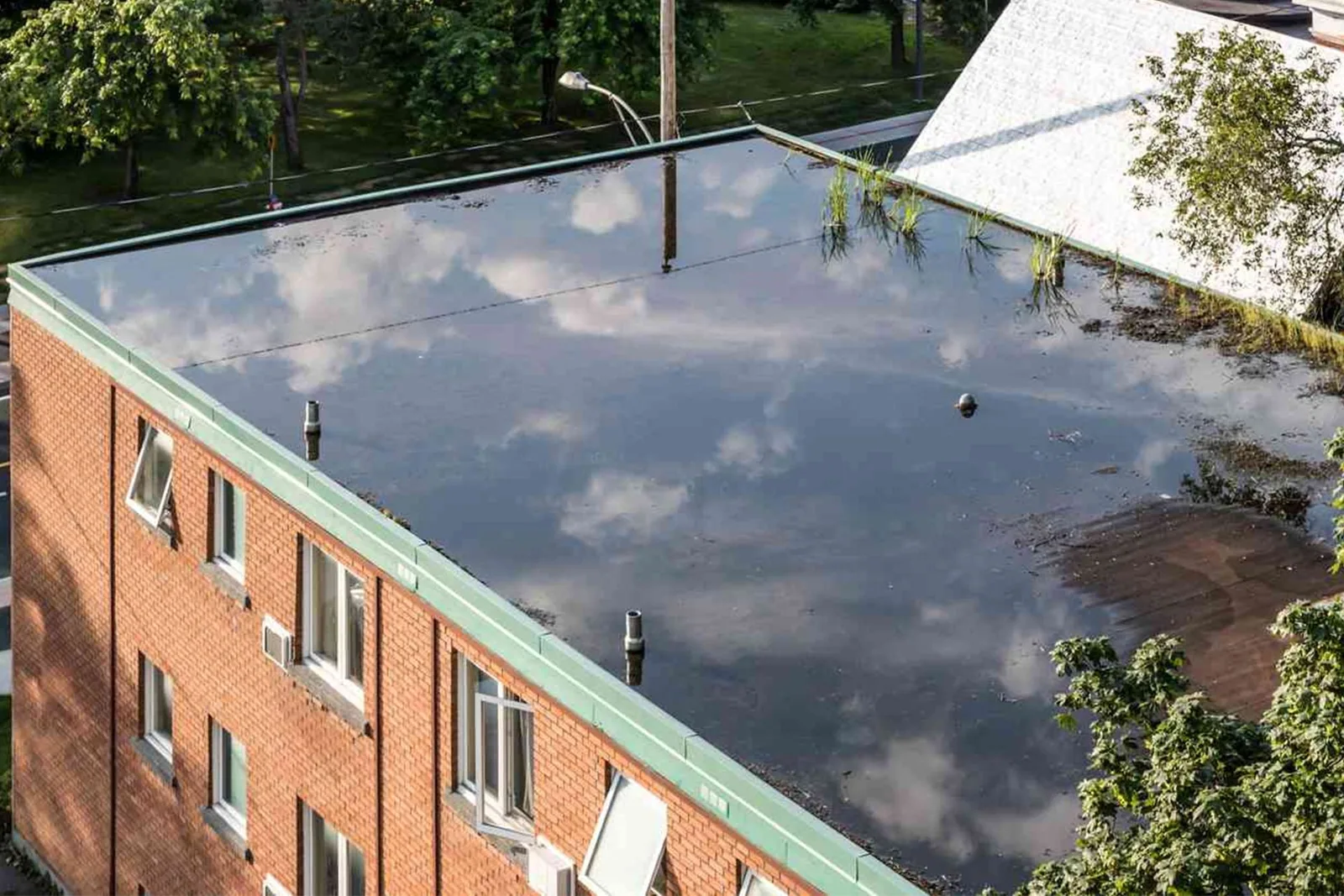
Moisture changes the limits of a recover. A damp insulation area left under a new membrane can retain water within the assembly and complicate later diagnosis. We review stains, soft areas, seam separation, blistering, prior patch edges, and drainage behavior, then identify locations for infrared scanning or a core cut when the surface evidence is not enough. The resulting moisture map should separate measured or exposed conditions from suspected areas. A clear boundary gives the owner a decision point if removal expands beyond the initial allowance.
A recover raises the finished roof surface, so the Lynn-area cycle of rain, winter snow, and freeze-thaw makes drain elevations and overflow paths part of the assembly comparison. We map low points and test locations, then show whether the proposed cover layer changes clearance at scuppers, curbs, or walls. The decision to retain existing layers rests on the material condition found through inspection and testing.
Option comparison: recover or remove
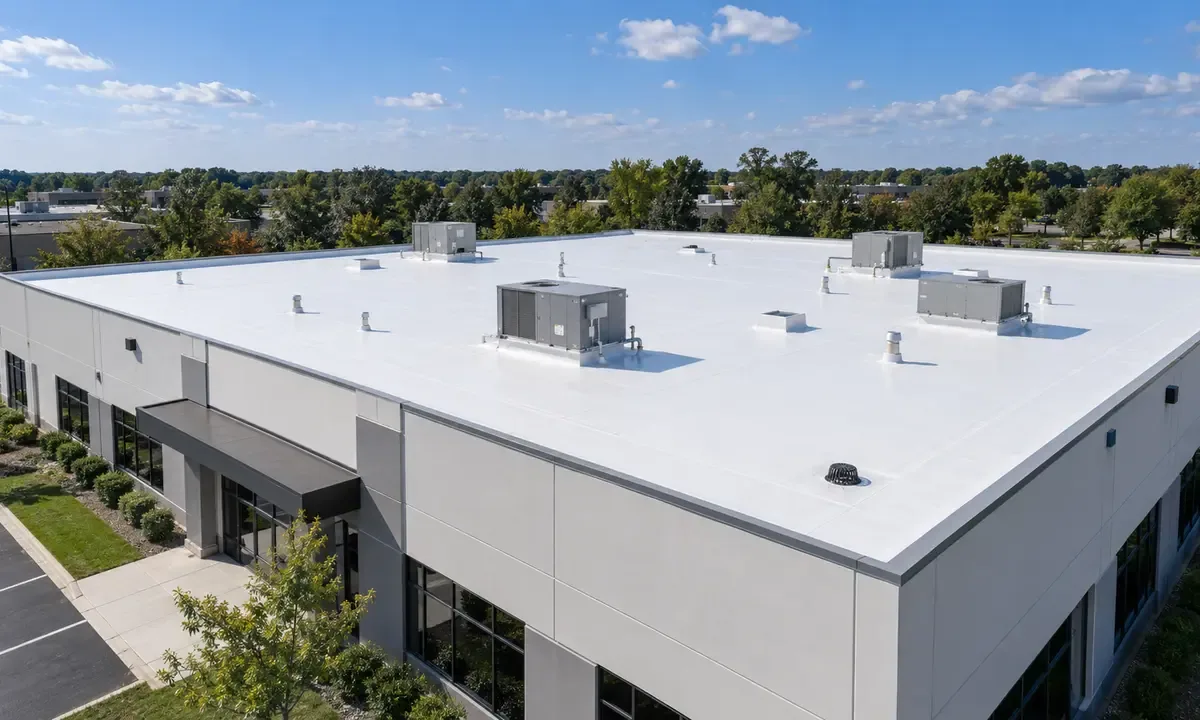
The comparison should place recover and tear-off beside the same facts. A recover may reduce demolition and keep some existing material in place when the roof is dry, firmly supported, and within applicable assembly limits. Tear-off exposes more of the deck and insulation and can resolve concealed conditions, but it brings additional disposal, protection, and sequencing needs. We list what each option includes, where a test opening could change scope, and which items are excluded until opened. The owner can then compare a defined repair boundary instead of relying on a vague allowance. A EPDM system review can help compare membrane compatibility with the existing assembly.
Lynn Harbor’s designated port area supports water-dependent industrial and marine uses, and the Lynnway corridor serves regional transportation. For those properties, access to staging and the ability to keep a roof zone weather-tight can affect which alternative is workable. A recover plan still needs secure edge details, compatible materials, drain adjustments, and curb transitions. If the existing roof does not support those details, the report should say so plainly. We can also compare localized commercial roof repair when the field record shows isolated defects and a sound surrounding assembly.
Local exposure: height, wind, and runoff
Hurricane Sandy brought coastal flooding to Massachusetts in 2012. A recover evaluation should check wall flashing, edge securement, and drainage before a new assembly covers those details. We record any current displacement, open termination, or water path on the roof plan, then show whether the proposed height changes the transition or requires a separate detail.
At Downtown Lynn properties, parapets and neighboring roof levels may make the finished transition as important as the field membrane. The scope should name the new termination, material compatibility, and any equipment work required before the membrane is installed. For a building with recurring wet areas, a photo-supported condition report can retain the locations and findings for later comparison. We do not label a recover suitable until the recorded assembly supports it.
Access and sequence: protect the assembly in progress
A recover may keep demolition limited, but installation still requires a controlled work area and a reliable dry-in plan. We identify delivery access, rooftop equipment, occupied rooms, and the roof zones that can be worked during each access window. In cold storage or food processing, the sequence also needs to protect operating equipment and product areas from dust, water, and unplanned shutdowns. The owner’s site contact can confirm the route and timing before material arrives. Daily photos record completed transitions and any condition that changes the next zone.
The closeout file shows the accepted assembly, detail work, drain changes, test-opening results, and any section excluded from the recover. If a later phase remains, its boundary should be visible in the roof plan with a follow-up inspection date or trigger. The Lynn Municipal Harbor Plan anticipates continued industrial activity while waterfront uses evolve; that makes a durable record useful when the building’s operations or maintenance staff change. To compare the recover with full replacement, provide the building use, affected roof zones, access contact, and schedule window for a roof walk in Saugus.
Commercial Roofing Questions
What conditions rule out a roof recover?
Wet insulation, unstable substrate, excessive existing layers, unsuitable deck conditions, or details that cannot be raised and flashed properly can make a recover a poor fit. We use inspection findings and test openings to define those limits. If only one zone fails, the report can show whether local removal is workable or whether the condition reaches farther. The owner receives evidence and a clear boundary.
Will a recover hide an existing leak?
A new membrane should not cover a leak path before its cause and wet area are understood. We trace the reported location, check nearby seams and penetrations, inspect drainage, and map moisture before recommending an overlay. A test opening can verify layers below the surface. If water or damaged material is found, that area needs a defined correction before the new assembly closes it in.
How does a new roof height affect drains and curbs?
Added layers can change the relationship between the membrane, drain bowl, scupper, parapet, and equipment curb. We measure those transitions and include the adjustments needed to keep drainage and flashing continuous. A Lynn roof with older equipment supports may require curb work before the field membrane is laid. Photos and a marked plan make those details reviewable before installation.
Can you compare recover and tear-off in one proposal?
Yes, when the field record supports both choices. We use the same roof zones, access assumptions, and known repairs for each scope, then identify test openings or concealed conditions that could change the price. The comparison distinguishes demolition, insulation, membrane, drainage, and detail work. If a recover cannot meet the assembly conditions, the report records why tear-off is the viable path.
Compare the assembly options
Request a roof walk with the building use, reported leak zones, access contact, and schedule window. We will document the existing layers and prepare a recover-versus-removal comparison with its test-opening boundaries.
Back to Commercial Roofing Services.