Commercial EPDM Roofing in Lynn, MA
A warehouse or service building near the Lynn Harbor Port Area may have an EPDM roof with years of patches, equipment changes, and shifting maintenance needs. The first decision is what the existing assembly can still support. We record membrane age if known, seam and patch condition, attachment or ballast where visible, insulation transitions, drains, and perimeter details by roof zone. EPDM is a flexible synthetic-rubber membrane used in commercial roofing, but suitability for a repair or new assembly depends on its actual condition and the project details. A dated photo record helps the owner weigh each recommendation.
Lynn includes marine-dependent industry, cold-storage and warehouse uses at Lynnway Park, and occupied retail and cultural buildings in Downtown Lynn. Those settings change access and sequencing, not the facts found on an individual roof. We identify who needs access, what equipment must remain serviceable, and which areas may be isolated. Compare a defined repair scope with a modified-bitumen assembly or built-up roof system only after reviewing deck, layers, drainage, and the owner’s requirements. The findings may also support a condition inspection or a replacement scope.
Assess EPDM roof condition in Lynn with a zone-by-zone review of seams, membrane movement, penetrations, drainage, and repair options.
Membrane condition: distinguish age from damage
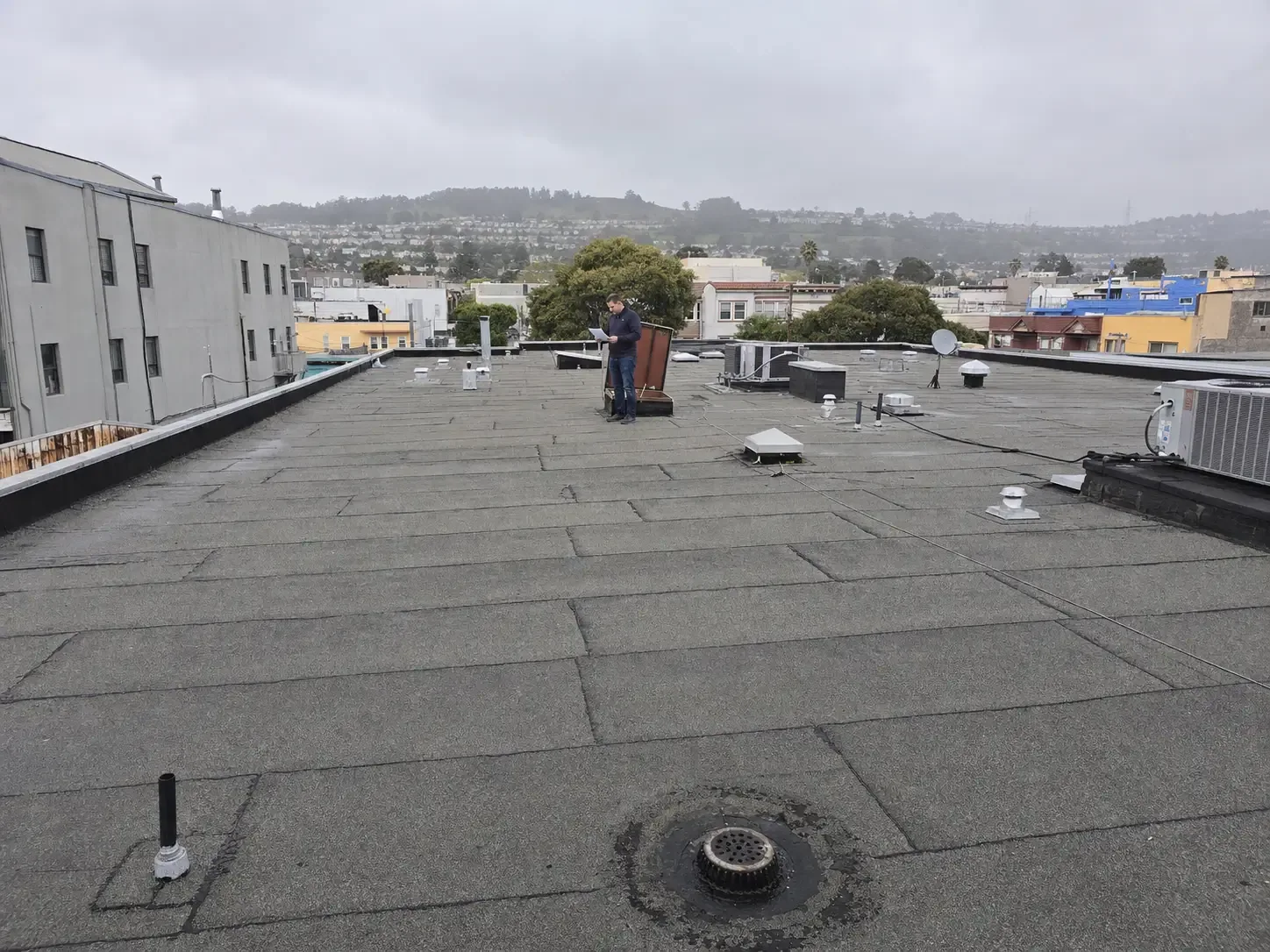
An older membrane is not automatically failed, and a newer membrane is not automatically sound. We map open or suspect seams, shrinkage at terminations, splits, punctures, patch edges, surface deterioration, and areas where the sheet pulls away from a curb or wall. Any staining or interior leak report is recorded beside the roof location and date, but the stain alone cannot show the full wet area. If moisture extent or layer history remains unclear, a carefully placed test opening can document the assembly at that point and help define the limits of the investigation.
EPDM systems may be adhered, mechanically attached, or ballasted, so the survey should establish what is present before repairs are specified. We note ballast condition and distribution where relevant, securement at edges, flashing material, walkway pads, and the paths used by service crews. At Lynn Harbor, an exposed perimeter is a reason to inspect actual edge details, not to assume wind damage. In Saugus, the Route 1 commercial area and Saugus Center's redevelopment focus make it useful to confirm each property's access and staging limits with its manager. A marked plan makes those distinctions clear.
Seams and flashing: define the repair boundary
EPDM seams and patches require compatible materials and a prepared surface. Dirt, oxidation, moisture, incompatible prior sealants, and movement can affect whether a repair will bond as intended. The scope should identify the repair product and preparation method rather than promising that a generic patch will resolve a leak. We record seam laps, splice tape or adhesive where observable, corners, pipe boots, curbs, wall terminations, and drains. Where the full detail is concealed, note that limitation and request the access needed to verify it.
A good repair boundary follows observed conditions and an explainable transition. If a puncture is isolated and the surrounding membrane and insulation appear serviceable, a local repair may be appropriate. If multiple roof zones show recurring separation or moisture, broader investigation may be needed before pricing an overlay or replacement. A recover overlay should not be selected before the existing assembly, moisture, and project requirements are reviewed. We provide a photo record that distinguishes the confirmed repair area from adjacent areas that were inspected but not opened.
Regional conditions: check drainage and edges directly
Boston Logan's climate includes warm summers, winter freezing, annual precipitation, and snowfall. For an EPDM roof in Lynn, those seasons put drain capacity, overflow paths, low areas, seam transitions, and freeze-thaw movement on the inspection list. Our roof-zone map marks actual debris, water lines, membrane movement, or drainage obstructions. Where slope correction is considered, the proposal should show the intended flow path and the relationship to drains and scuppers.
During Hurricane Sandy, coastal flooding affected Massachusetts; regional observations included a 62 mph gust at Boston and 54 mph sustained wind at Revere Beach. After a coastal storm, we inspect Lynn roofs for displaced edge details, fresh punctures, debris strikes, and interior water entry. We look for displaced edge details, fresh punctures, debris strikes, and interior evidence, then record the date and extent. Work near the Lynnway should also consider delivery and access movements when setting an inspection window. A roof condition report can preserve findings for future comparison.
System choice: compare assembly needs
When an EPDM roof reaches a decision point, compare repair, recover, and replacement using the same documented roof zones. Repair preserves the existing system where conditions are localized and a suitable bond can be established. Recover may reduce tear-off, but only when the roof layers are dry, stable, compatible, and permitted by the project requirements. Replacement allows a fuller review of concealed materials, insulation, and drainage while increasing debris, schedule, and temporary exposure. Each option should name assumptions and the conditions that would change its scope.
A new EPDM assembly must specify membrane product, thickness, attachment, substrate, insulation, perimeter securement, flashing, and drain details. Material selections should be verified against the current project documents and manufacturer requirements. Massachusetts building and energy code provisions apply to commercial work; the design team should check the applicable edition and project-specific requirements. If the building has rooftop equipment, frequent maintenance paths, or active loading, the plan should identify how these uses interact with the membrane and where protection or restricted access is needed. A system label cannot answer those site questions.
Access and closeout: keep a usable assembly record
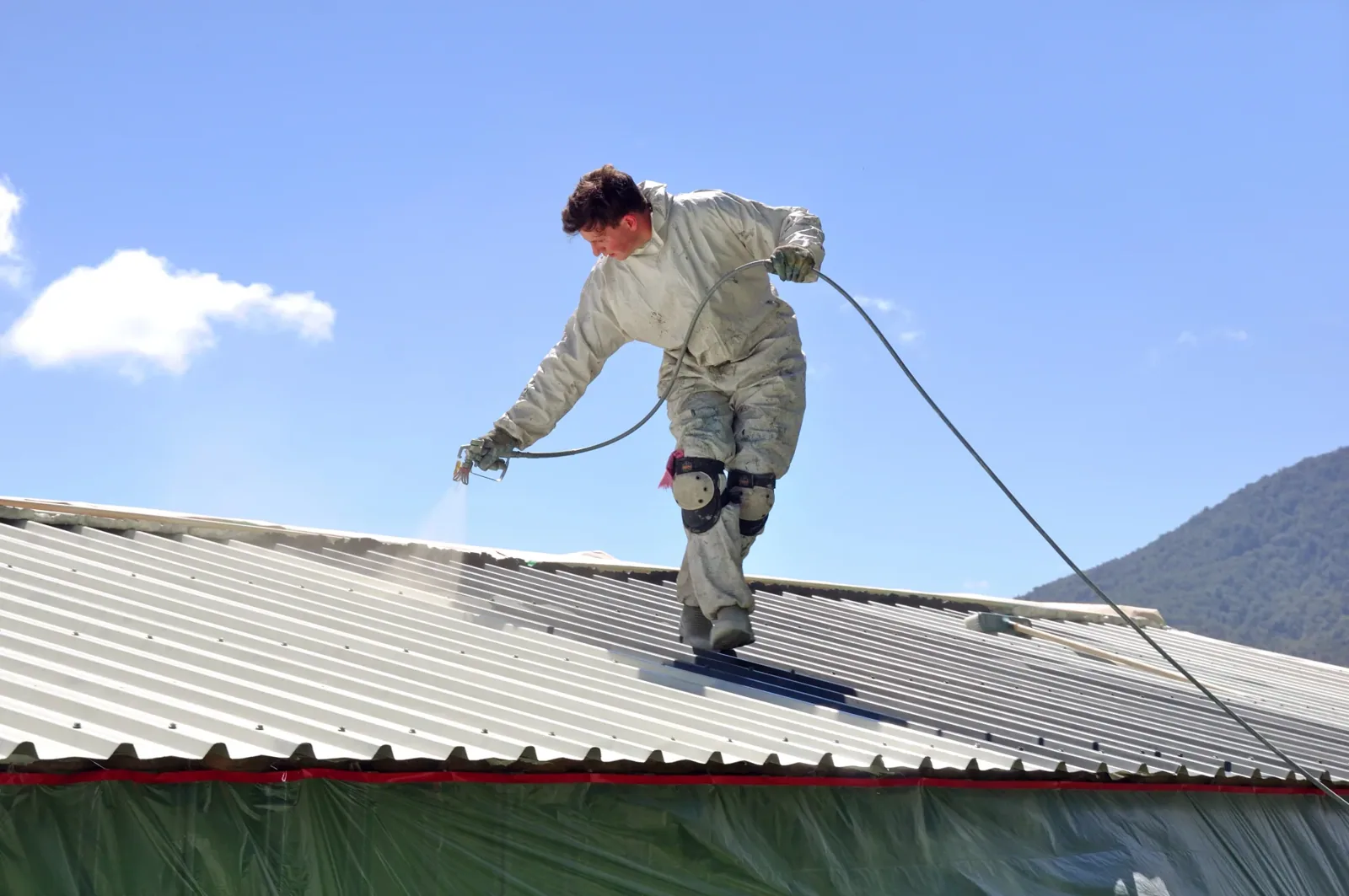
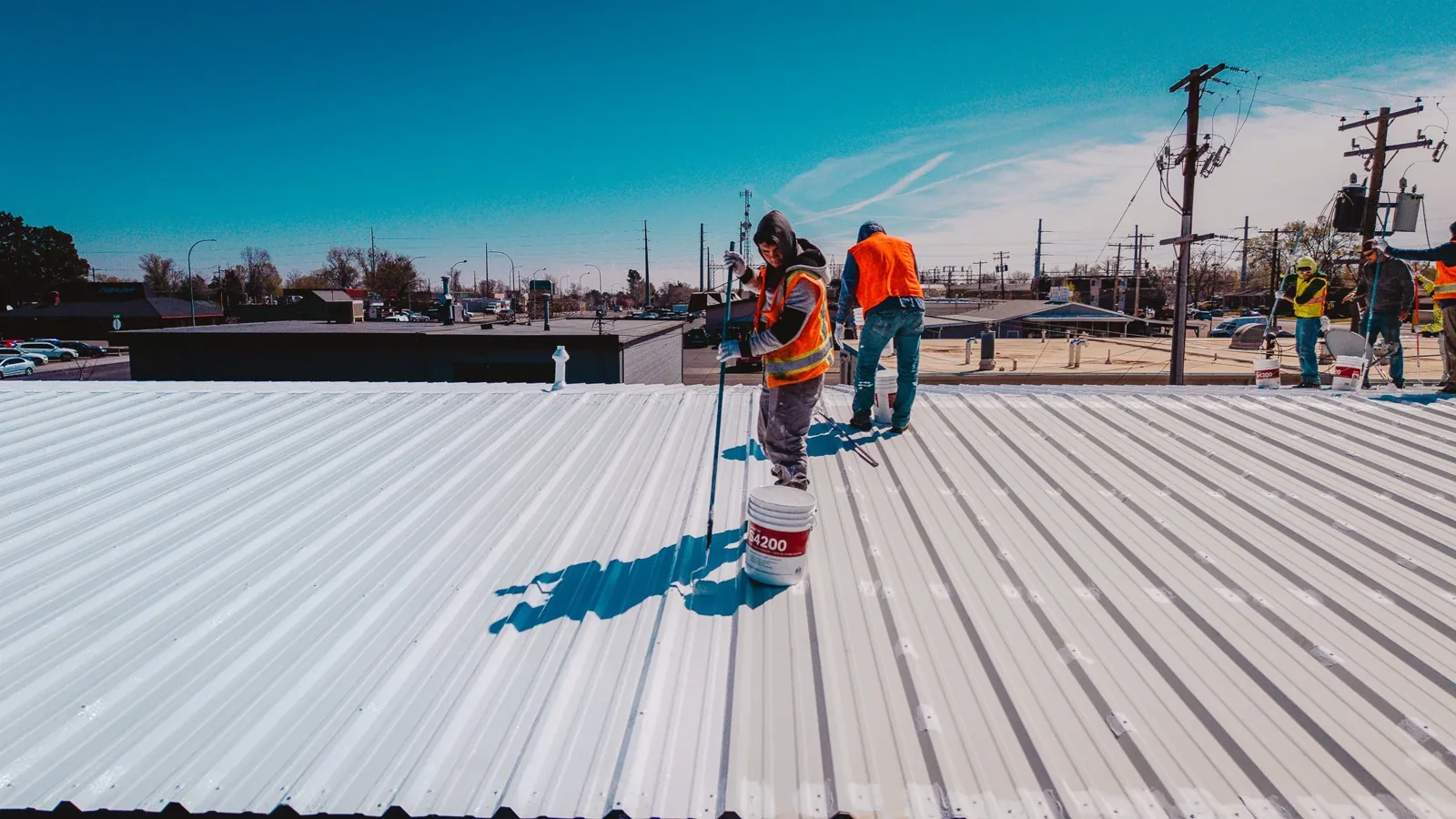
EPDM installation and repair work require a defined opening sequence, suitable surface conditions, and protection if weather interrupts the work. The plan should show where crews can stage materials, who coordinates rooftop access, and how the facility will maintain deliveries or occupied entrances below. For a marine or industrial property, material movement may intersect with truck activity or water-dependent operations. A small phased zone can be easier to protect than a large open area, but sequencing must reflect the roof layout, tie-ins, and available dry-in methods. Record the access window and daily boundaries.
At completion, the owner should receive marked repair limits, photos of seams and flashing, drain and edge observations, material or assembly information, and notes on any condition concealed or changed during the work. That file helps maintenance staff understand where follow-up attention may be useful and prevents a future inspection from starting without the project history. A later replacement evaluation can compare new observations against the closeout baseline. The record should be specific about work performed and avoid claims that any membrane removes the need for inspection or maintenance.
Commercial Roofing Questions
How can an owner tell whether EPDM needs repair or replacement?
Start with a roof-zone survey that maps seams, patches, transitions, drainage, and interior reports. Age alone does not determine the answer. If moisture or concealed layers remain uncertain, a test opening may provide evidence for comparing a localized repair, recover, and replacement.
Can EPDM shrink or pull away from roof details?
Membrane movement and termination condition should be observed at walls, edges, curbs, and penetrations. A photo and marked location help define what is visible; the repair scope then identifies the compatible materials and preparation needed for that specific detail.
What is important when repairing an EPDM seam?
Surface preparation, compatible repair materials, existing contamination, moisture, and movement all affect the work. The contractor should describe how the seam will be prepared and how the repaired area will be checked before it is returned to service.
Does coastal weather mean an EPDM roof has wind damage?
No. Lynn’s coastal setting and regional storm records are reasons to inspect perimeter and flashing details after severe weather, not evidence that a particular roof was damaged. A dated finding should describe observed displacement, puncture, or water entry.
What information helps schedule an EPDM assessment?
Provide the building use, leak or repair locations, known system history, rooftop access contact, and a schedule window. Photos and prior work records can help locate the questions, while the current membrane and assembly still need direct inspection.
Schedule an EPDM roof walk
Share the building use, known roof history, affected zones, access contact, and available inspection window. We will map visible conditions and identify any evidence needed before choosing repair, recover, or replacement.
Back to Roof Systems.