
Commercial Roofing for Manufacturers in Lynn, MA
A manufacturing roof has to be evaluated against what the building does beneath it. In Lynn, MA, Lynnway Park includes food-processing, storage, cold-storage, and light-industrial uses, while Lynn Harbor remains designated for marine-dependent industrial and commercial activity. Those local uses make production windows, ventilation equipment, material staging, and interior protection important scope questions; they do not tell us an individual plant's roof type or condition. We map the assembly by zone, connect roof findings to the affected operation, and document the boundary between confirmed repair and further testing. Portfolio roof review starts with that building-specific record.
Commercial Roofing Lynn helps manufacturers assess roof assemblies, protect production windows, and document repairs and renewal work across Lynn facilities.
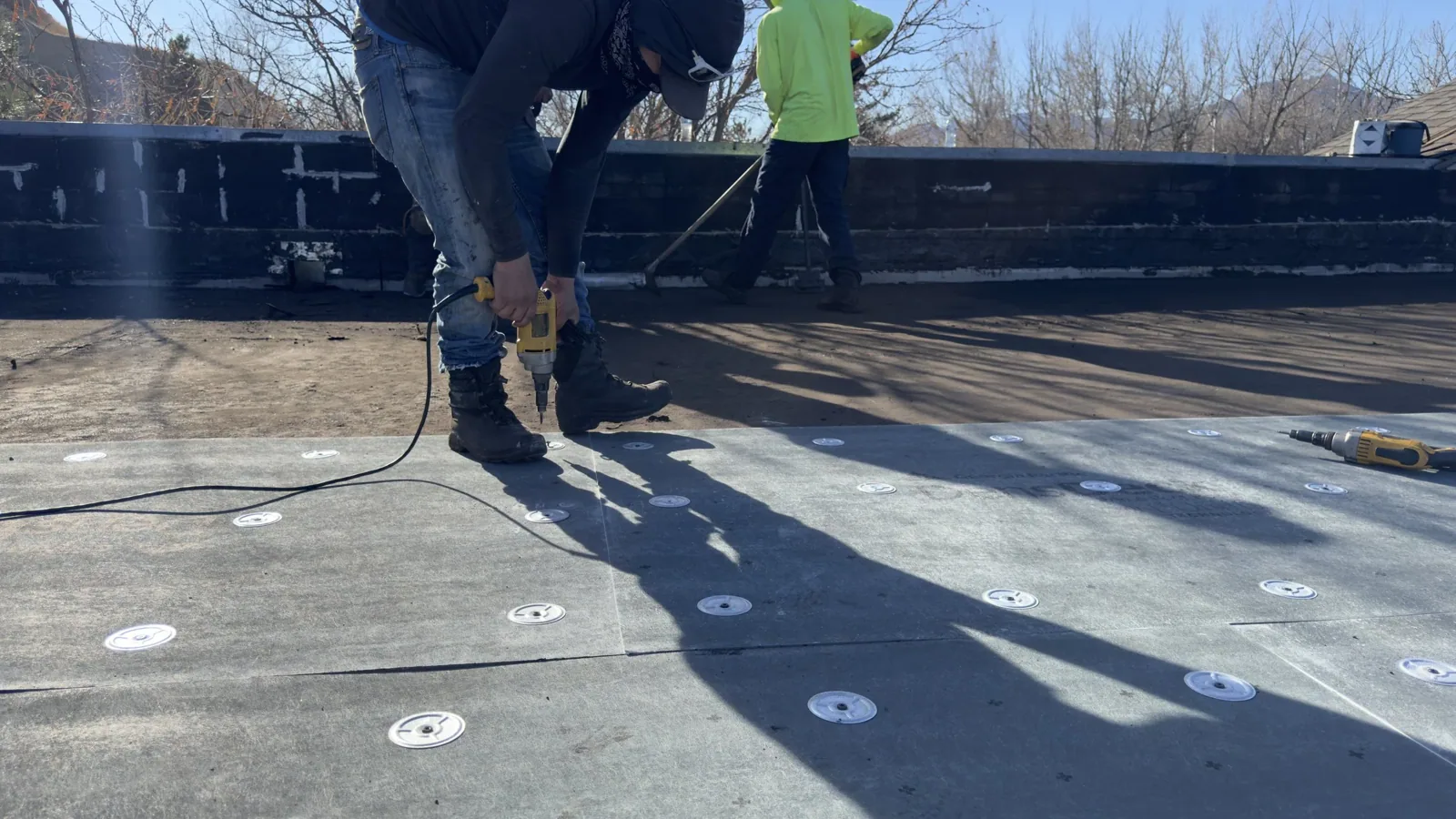
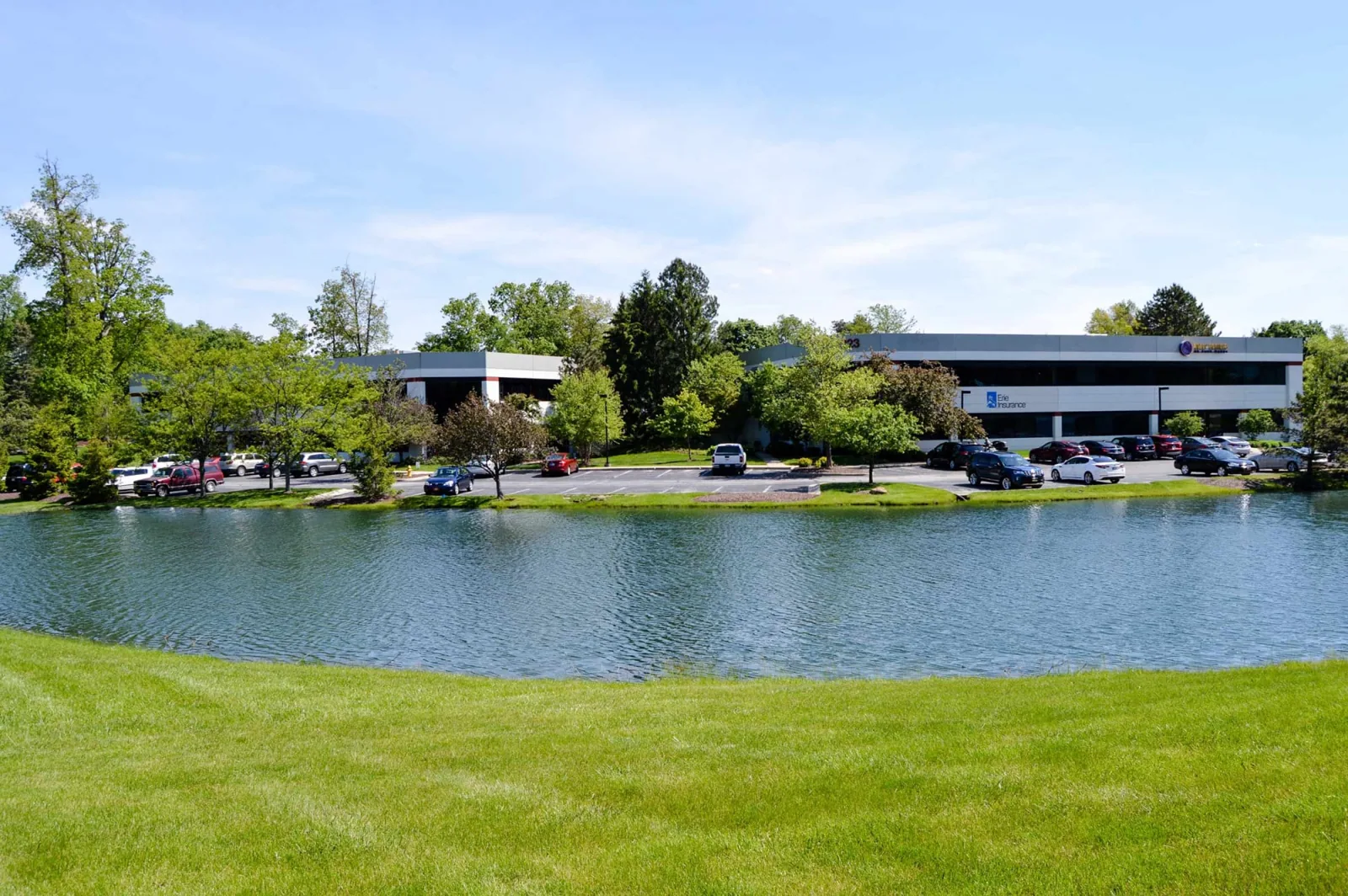
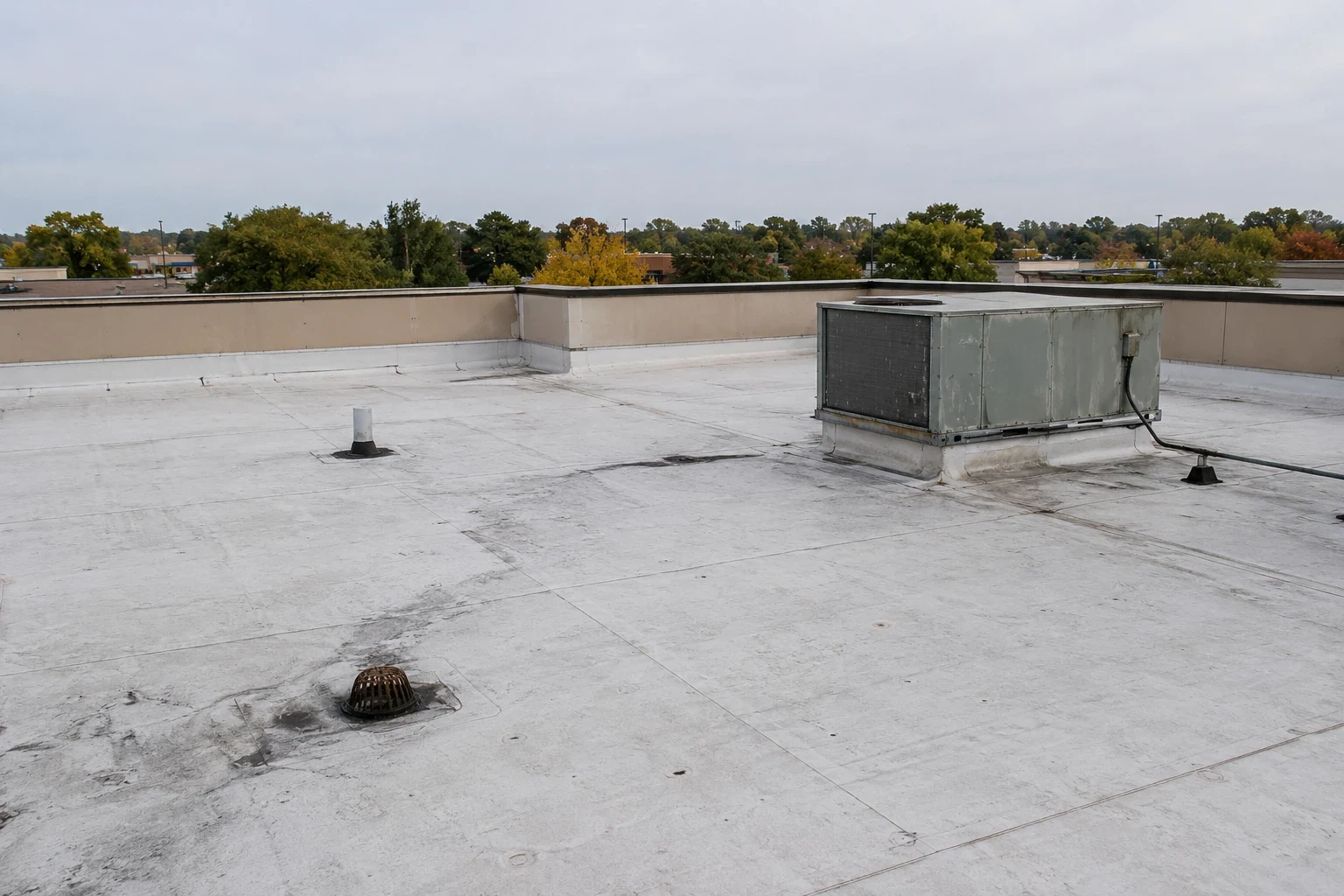
Production continuity: map roof work against the line
Before inspection or mobilization, we ask which areas contain active production, packaging, inventory, utilities, or process equipment, then confirm the site's access and shutdown rules with its facilities contact. The question is not whether all activity can continue unchanged; the work plan must identify where noise, vibration, odor, crane operations, or a temporary roof opening could affect the schedule. We document delivery routes, roof access, and the portion of the building that can be isolated each day. Phased occupied-building work can set the daily work boundary and dry-in point so an open roof area is not left ambiguous at shift turnover.
For food-processing or cold-storage environments, the owner may have particular temperature, cleanliness, or inventory controls. We confirm those requirements directly rather than assume that a facility listed for a certain use follows one standard. If work could affect air intakes, exhaust discharge, or interior operations, those locations belong on the coordination drawing and must be reviewed before materials arrive.
Communication needs a named route, too. We confirm who can close a roof zone, who receives notice when deliveries or roof access shift, and how the production contact will know that temporary protection is in place. If an event occurs during a work phase, we record the condition before expanding the approved area and return the decision to the designated representative. That sequence helps the owner distinguish a necessary field adjustment from a new quantity requiring review.
Assembly review: record what the roof is made of
A manufacturing facility may have multiple additions, different membrane systems, metal transitions, and repairs of different ages. The inspection should identify each section and record visible layers, seam condition, perimeter details, curbs, penetrations, drains, and past patches. If a roof plan conflicts with field conditions, we note the discrepancy and confirm the correct area before calculating quantities. A concealed assembly or suspect moisture area may require a test opening; an infrared indication alone is not proof of wet insulation. Infrared moisture surveys can help direct testing when weather and roof conditions are suitable, while a condition report ties photos and observations to the zone map.
That detail matters when production equipment cannot be moved easily or when future maintenance must avoid a sensitive section. We mark which conditions are active, which can be monitored, and what needs a separate design or engineering review. The owner receives a repair boundary that can be priced and inspected later rather than a broad statement that the roof is in good or poor shape.
Maintenance visits can preserve the same zone names and reference points, making it easier to compare seam movement, recurring moisture indications, and earlier repairs. For each observation, we state whether the surface was dry, what weather preceded the walk, and whether the area was accessible. That context makes a follow-up useful to the plant engineer instead of a second inspection that starts without the prior condition file.
Local exposure: account for coastal wind and winter water
Lynn Harbor protects marine-dependent industry and commerce, placing exposed edges and water routes on the post-storm review list. Hurricane Sandy brought coastal flooding along Massachusetts; wind measurements at Boston and Revere Beach give regional context for checking perimeter metal and wall transitions. A Lynn manufacturing roof still gets a zone-by-zone inspection of attachment, flashing, drainage, and temporary dry-in before the crew recommends a repair. We compare event timing with photos, interior reports, and the actual roof assembly, then identify which observations warrant immediate work.
Route 1A Lynnway and Carroll Parkway serves regional movement and multiple travel modes. Where a manufacturing site uses the corridor for deliveries, project access and staging should be confirmed with the site contact instead of inferred from the map. Saugus and the harbor's marine industrial area have different context; a roof plan must still be built from the property and its operating schedule.
Scope control: compare repair with renewal
We can define a local repair, a recover evaluation, or a replacement scope, then show the work boundary, assumed layers, staging requirements, temporary dry-in, and exclusions for each option. A repair can control a localized defect when surrounding materials remain serviceable; recurring failures or confirmed widespread moisture may change that recommendation. Where the roof affects a critical production area, the estimate should also identify the work window and contingency if weather delays closure.
For code review, Massachusetts lists 780 CMR's 10th Edition for commercial construction, drawing on the 2021 IBC, and references the 2021 IECC plus ASHRAE 90.1-2019 for energy. The design professional and local official determine which provisions apply to the plant alteration. We describe the assembly and work proposed so the manufacturer and owner can coordinate the proper code review, without assuming that a general roof repair triggers a specific requirement. Replacement planning and repair work should each retain a distinct closeout record with photos, materials, and follow-up actions.
Where a plant works with a construction manager or general contractor, the roofing scope should state tie-in points, access responsibility, weather protection, and the party controlling the sequence between trades. We can coordinate the roof package with general contractor teams so mechanical, electrical, and roofing tasks do not leave an undocumented opening or unclear warranty boundary. The final file identifies what was completed, what work remains by others, and when the owner should revisit the roof zone.
Commercial Roofing Questions
Can roof work be scheduled around production shutdowns?
We can plan a sequence around the facility's actual access windows and operating restrictions, then identify the roof section, daily dry-in target, and approvals needed for each phase. Share the production calendar early so the estimate reflects the work window rather than relying on a generic duration.
What should we provide before an inspection at a manufacturing site?
Useful items include roof plans, known assembly information, leak history, prior repair records, access and safety rules, and any areas where equipment or production schedules restrict work. We compare those records with field observations and flag mismatches before defining a repair boundary.
How do you keep dust, debris, or weather exposure away from production?
The scope should name the active roof zone, containment and cleanup steps, daily dry-in, material handling, and the contact who can pause work if site conditions change. The facility cleanliness and safety requirements must be reviewed with its operator before mobilization.
Does an infrared scan tell us which insulation is wet?
It can indicate temperature patterns that may help identify areas for further review, but an indication needs interpretation and may require a test opening. We describe the method, conditions, and limits, then distinguish a confirmed finding from an area that remains untested.
When should we compare a repair with full roof renewal?
Compare the options when findings show recurring leaks, broad material deterioration, concealed moisture, or a scope that keeps expanding beyond a local repair. We can define each alternative and note access, staging, and production constraints so the owner can weigh immediate protection against a larger project.
Coordinate a manufacturing roof review in Lynn
Provide the production schedule, building use, roof plans, reported zones, and facility access contact. We will map the findings and outline a work sequence.
Back to Industries We Serve.