
Wind Damage Commercial Roof Repair in Lynn, MA
After a wind event, an industrial roof at Lynn Harbor or a warehouse roof near Lynnway Park needs a property-specific walk before a repair area is chosen. We check which edge, seam, coping joint, curb, or penetration moved, then map that observation to the interior report and the building's access limits. The inspection record distinguishes a loose component from a membrane opening, and it notes whether water entered or the issue is visible movement alone. Lynn Harbor's port area is exposed to a coastal setting, but each roof still determines the repair boundary and work sequence. We label sections by their actual location so follow-up photos can be compared after temporary protection is removed.
Commercial Roofing Lynn inspects wind-affected roof edges, seams, flashings, and openings, then documents a defined repair and temporary protection plan.
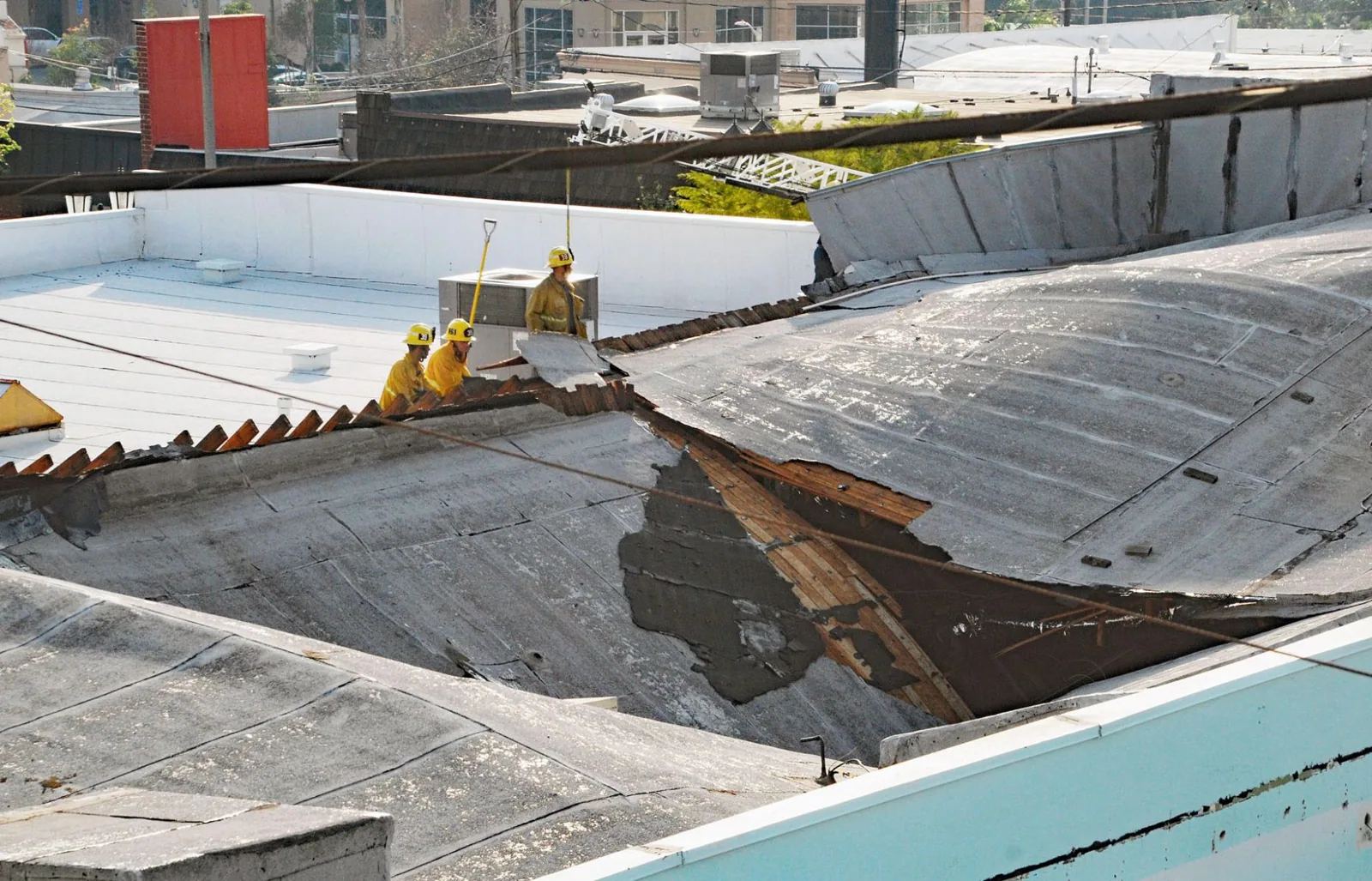
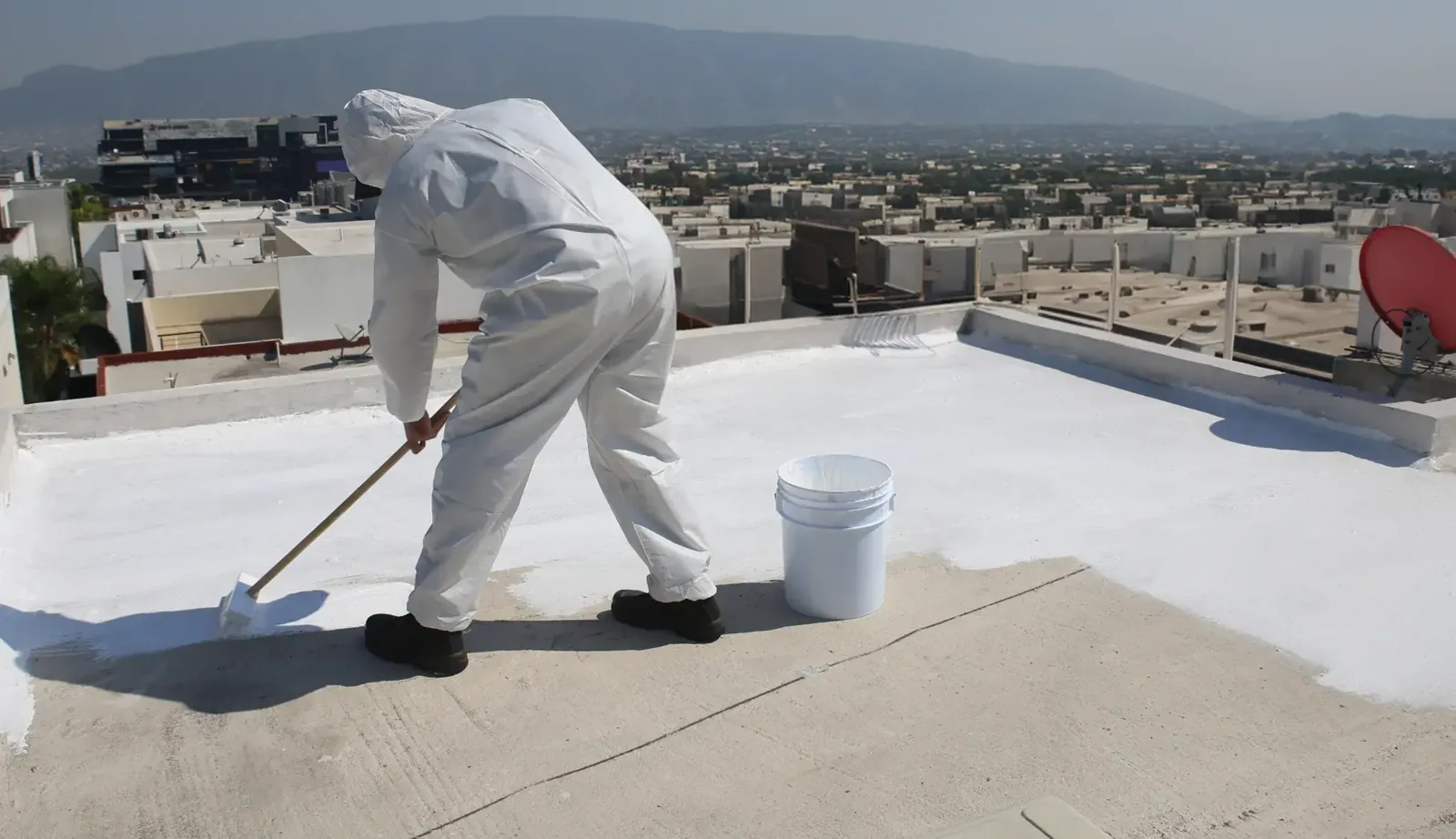
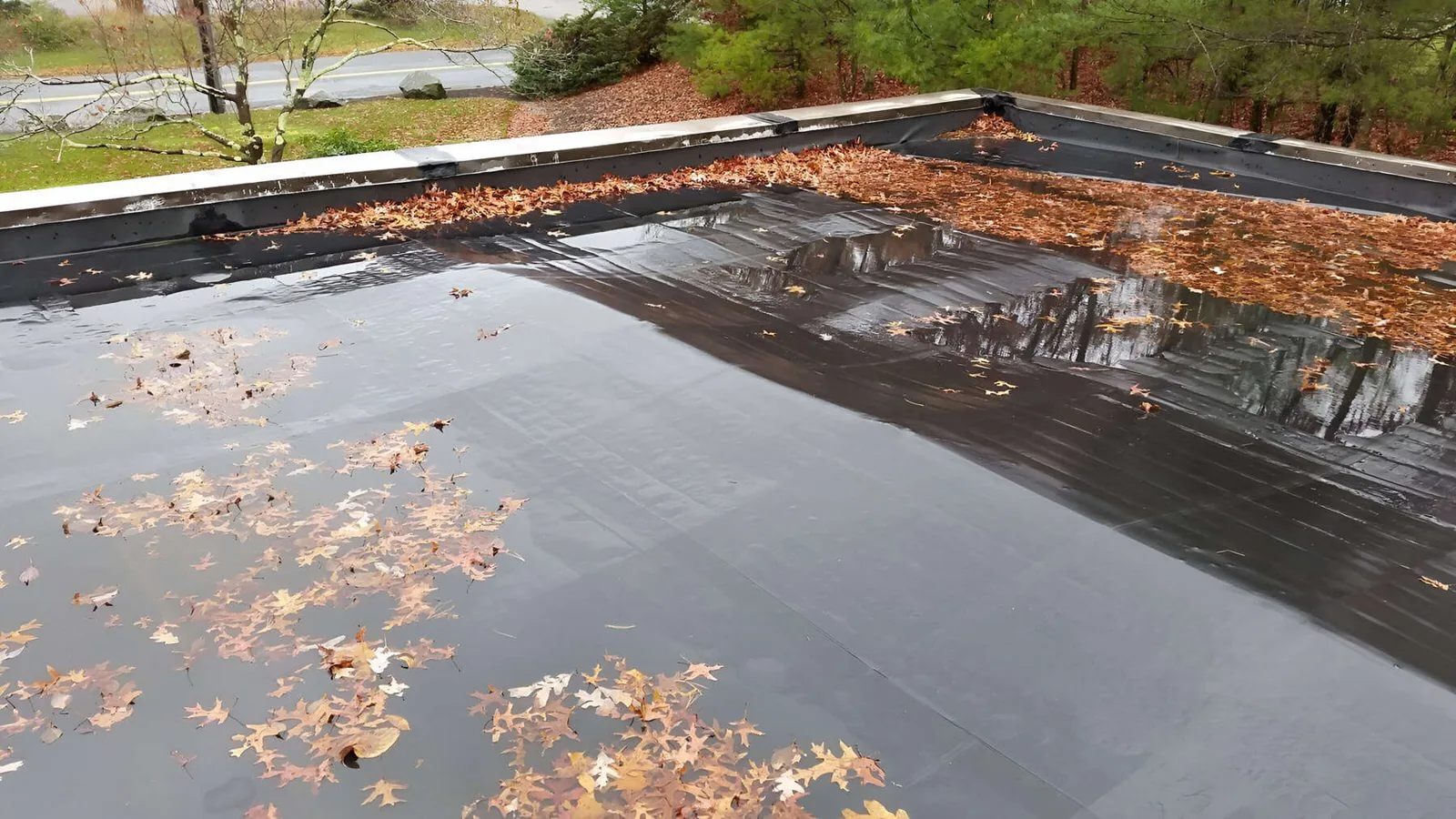
Perimeter check: follow movement from the edge inward
Wind pressure is not uniform across a roof. We inspect corners, perimeter zones, parapet transitions, coping, edge metal, fasteners, and terminations before treating the center field as the whole story. A cap that shifted, a termination bar that loosened, and a membrane seam that opened each call for a different repair detail. We photograph adjacent conditions to see whether movement stops at a single connection or continues across more than one roof zone. Metal roof edges and membrane terminations need the correct attachment and compatible closure, not sealant applied over a moving joint.
At a low-slope roof, air pressure can act beneath a lifted edge or opening. We check whether the membrane is still attached beyond the visible separation and whether insulation or substrate has shifted. If the assembly is concealed, we identify the test opening that would confirm attachment rather than assume the visible flap is the full extent. The estimate records what can be repaired now and what needs additional access or evaluation.
Fasteners deserve individual attention after a gust. We look for backing out, elongated holes, movement at a termination, and a line of distress where the roof meets a wall or parapet. A replacement fastener cannot correct a damaged substrate by itself, so we note whether the attachment point feels sound and whether adjacent locations show the same movement. The repair detail may require a larger securement area or a test of the substrate before it can be priced. Keeping those observations separate gives the owner a clear basis for authorizing the work.
Interior report: trace rain without enlarging the claim
Wind damage can allow wind-driven rain through an edge or penetration, but an interior mark alone does not show where the roof opened. We record the affected room, time noticed, and whether water continued after the event, then inspect the relevant roof zone and nearby details. A water path can follow a deck or insulation joint, so a stain may sit away from the entry. When moisture may be concealed, we recommend an appropriate test before assigning a larger removal quantity. Leak tracing can establish the entry path while keeping temporary protection separate from permanent repair.
Rain and snow recur across the Lynn market, so a temporary wind repair needs a follow-up check before the next wet or freezing period. We state how the opening is protected, which areas remain exposed, and when a follow-up inspection is needed. The handoff also records the visit date and any access limit that delayed a full review. The closeout file identifies the repair material, location, photographs, and any condition left outside the approved boundary. We also record whether nearby drains and penetrations were reviewed during the same visit.
Local exposure: set inspection priorities after coastal wind
During Hurricane Sandy, the Massachusetts coast experienced flooding, and Boston recorded a 62 mph gust while Revere Beach recorded sustained wind of 54 mph. Those regional measurements support a careful review of Lynn roof edges, coping, flashings, and drain connections after a major coastal event; they do not confirm damage at an individual property. Southern New England thunderstorms can also bring damaging winds and hail, so a site may need inspection after a shorter event even when no broad storm damage is apparent from the ground.
Along Lynnway and Carroll Parkway, regional movement involves several travel modes. For a wind-response visit near Lynnway and Carroll Parkway, the property contact should coordinate roof access, lift placement, and material delivery around current site activity. The Lynnway corridor and Downtown Lynn have different operating settings, so we confirm the actual access window before scheduling a repair.
Repair scope: distinguish securement from replacement
A localized fastener or coping repair may be sufficient where surrounding material remains secure; widespread attachment loss, repeated seam separation, or wet insulation can change the scope. We show the roof zone, repair limit, assumed layers, temporary dry-in, access, and any area that was not inspected. If the proposed work changes after a test opening, the new finding and quantity are documented before the boundary expands. Hurricane-related inspection may call for a broader water and perimeter review, while hail assessment looks for a different pattern of surface impact.
For occupied properties, we coordinate roof access, lift or ladder placement, interior protection, and the daily closure point with the owner. Emergency dry-in can reduce active exposure while a permanent scope is prepared. At completion, photos should show the repaired detail and surrounding area, and the closeout notes should identify follow-up work or monitoring rather than imply that an uninspected zone was cleared.
Cost and timing depend on access, weather, material compatibility, the number of roof zones affected, and whether hidden layers need to be opened. We define the measured area, include temporary protection where needed, and identify limits that could change after testing. A small edge repair may be completed in a short access window when its substrate is sound; a broader attachment failure can require additional material, coordination, and a revised closure plan. The proposal should state those drivers so the owner can compare a contained repair with a more extensive renewal option.
Commercial Roofing Questions
What should we do if coping or edge metal moved during a wind event?
Keep people away from any loose material and arrange an inspection when roof access is safe. We photograph the edge, check fasteners and adjoining membrane, and state whether the component can be reset or the attachment beneath it needs repair before reopening that area.
Does a strong regional gust mean our roof has wind damage?
Regional weather gives a reason to inspect, not a diagnosis. We compare the event timing with visible movement, interior reports, and the roof assembly at your property, then record confirmed damage separately from older wear or areas that still need testing.
Can you secure an opening before the permanent repair is designed?
Yes. We can document the condition, install a temporary dry-in where appropriate, and identify the limit of protection. The follow-up scope then describes the permanent detail and any concealed material that needs examination.
How do you tell wind damage from a failed seam that was already open?
We look for the extent and character of movement, compare nearby seams and edges, review prior repair records, and note what can be supported by current evidence. If the event connection remains uncertain, the report says so without assigning the entire condition to one cause.
What will the repair proposal show?
It should state the roof zones, details included, materials assumed, temporary protection, access needs, exclusions, and any testing still required. Photos and a marked repair boundary let the owner compare the work with the inspection finding. It should also state when the owner can expect the next check and who will receive the closeout file.
Arrange a Lynn wind-damage roof walk
Share the event date, affected interior or roof area, building use, access contact, and safe inspection window. We will document the condition and outline a bounded repair.
Back to Roof Damage Repair.