
Commercial Roof Hail Damage Repair in Lynn, MA
A hail report should lead to a roof inspection, not an automatic replacement recommendation. In southern New England, severe thunderstorms can produce hail at least one inch across, and the exposed roof of a Lynn commercial building may show different effects across membrane, metal, coating, and rooftop equipment. We record the reported event date, map each roof zone, and photograph impacts before comparing them with prior wear or repairs. Saugus includes commercial activity in Cliftondale Square, while Downtown Lynn includes retail, restaurants, galleries, and events; these settings help frame access, but the roof inspection determines whether a property has hail damage.
Commercial Roofing Lynn inspects hail impacts on membranes, metal details, and rooftop equipment, then documents confirmed repairs and follow-up.
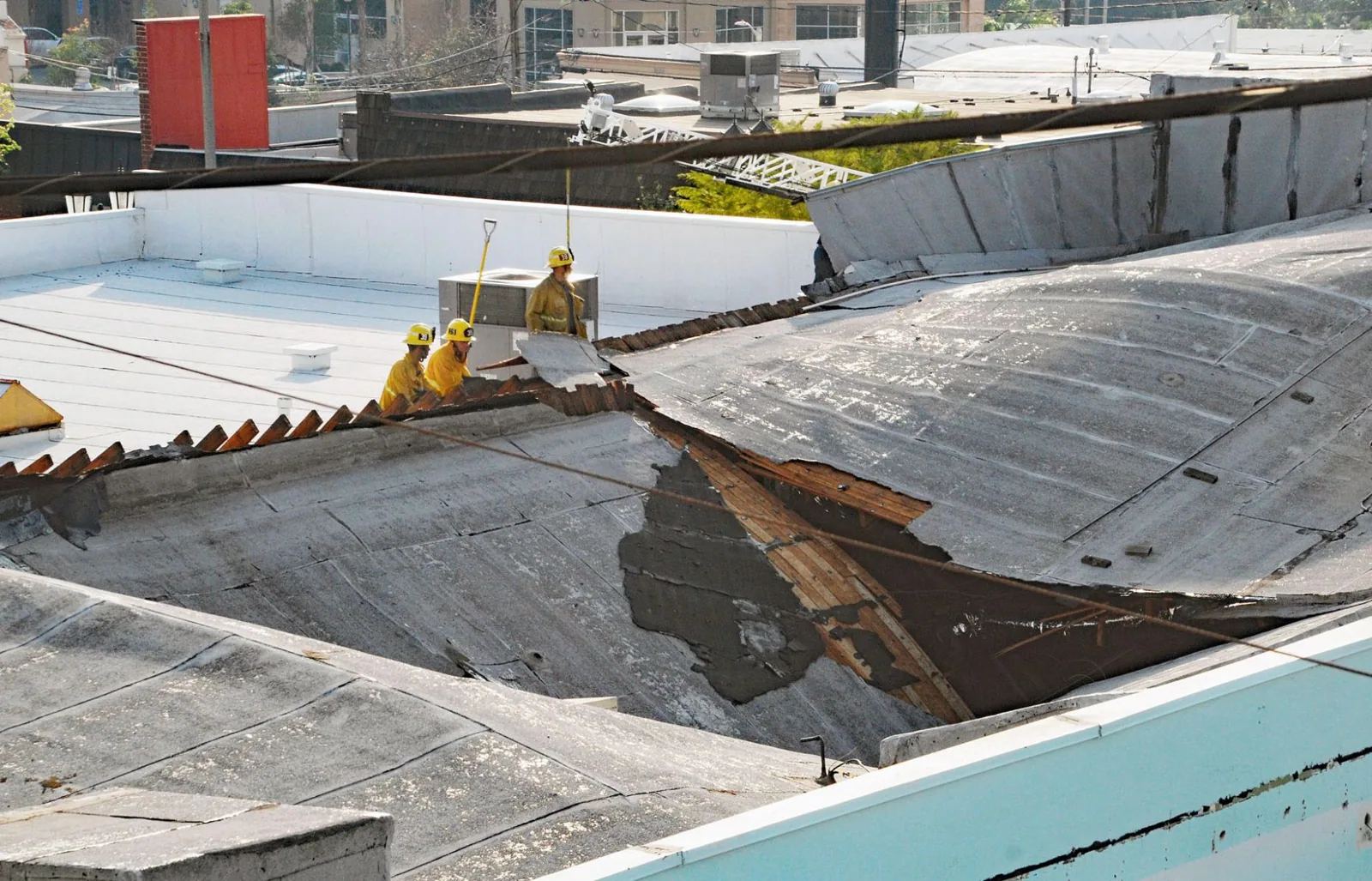
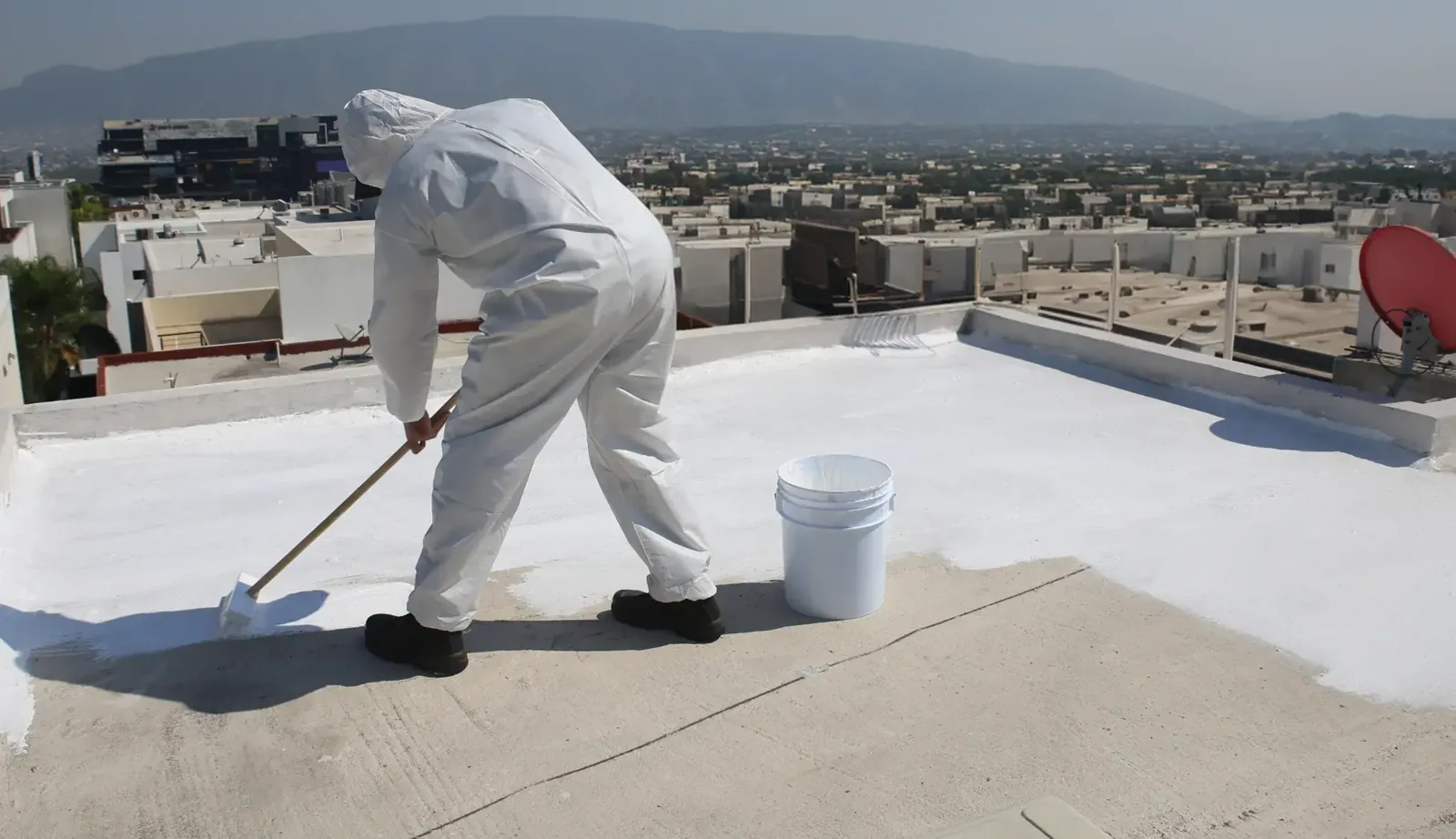
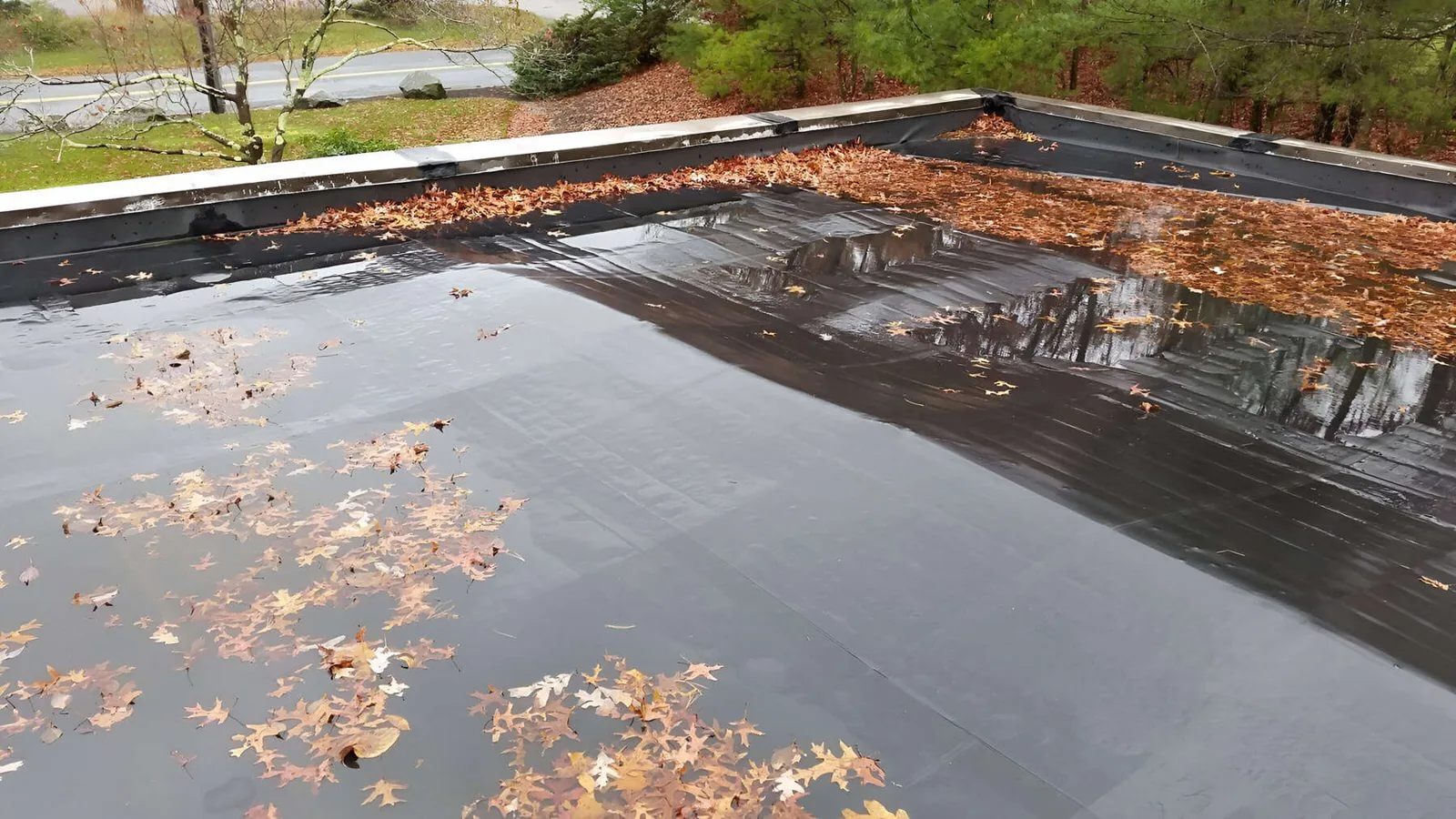
Impact map: distinguish a mark from a roof failure
Hail can bruise a membrane, fracture a brittle coating, dent metal, damage a skylight, or strike a rooftop unit, but a visible mark does not necessarily mean the roof lost watertightness. We inspect exposed surfaces and details, note the size and location of impacts when visible, and look for punctures, splits, loosened flashing, displaced edge components, or damaged glazing. Each finding is tied to a roof zone and photo reference. Warehouse roof inspections may also need coordination around stored goods and receiving access, but the actual interior exposure comes from the facility contact.
If hail has left a suspected bruise or coating fracture, we compare the condition with the assembly and nearby undamaged areas. Where concealed damage is possible, we describe the test or close examination required rather than claim that a surface image confirms an internal defect. We keep suspected impacts separate from confirmed openings so the owner can review the scope without mixing appearance and performance.
On coated or metal roofs, hail may leave a chipped finish or dent that does not correspond to a leak. We photograph the affected panel or coating area and check joints, fasteners, terminations, and exposed edges for a functional opening. The location and pattern matter: a mark near a seam or attachment may deserve a closer check than an isolated cosmetic impression. We do not use a ground view to count roof damage because many details are not visible from below.
Interior signs: trace any leak to an opening
If water appeared after the storm, we record the interior location, first noticed time, recurrence, and any equipment or inventory impact. On the roof, we inspect the nearest seams, curbs, penetrations, drains, and perimeter transitions for a path consistent with the report. The point where water shows inside may be offset from the entry. Leak tracing maps the suspected route; if the membrane is punctured, a puncture repair defines the material and boundary that need work.
The Lynn market sees rain and snowfall through the year, with winter cold and summer heat adding seasonal stress. After a hailstorm, additional precipitation or freeze-thaw can make a temporary opening more consequential. We state whether the roof is dry at the time of inspection, what was protected, and when a follow-up check should occur. Those facts guide timing but do not attribute unrelated leaks to hail.
Equipment and glazing: inspect vulnerable components separately
Roof-mounted equipment, vents, skylights, and metal accessories may show impact marks even when the membrane remains intact. We note damage to caps, guards, curbs, screens, fasteners, and glazing separately from the roof field, then coordinate with the equipment owner when a mechanical or glazing assessment is needed. A dent alone does not determine whether a unit still functions or whether its flashing failed; that question requires the appropriate inspection.
Lynn Harbor is a marine-dependent commercial and industrial area, and the Route 1A Lynnway corridor supports regional movement. These are different operating environments, so the owner should identify roof access and equipment service contacts before the visit. The Lynn Harbor port area is local context for scheduling, not a statement about a particular unit or roof.
Any roof equipment that stopped operating after a storm should be referred to its mechanical service contact even if the curb flashing appears intact. We can record the roofing interface and visible impact, but an equipment function test falls outside the roof-surface review. The owner can then keep the roof finding, mechanical inspection, and any glazing assessment in separate records while preserving a shared event date. This prevents a dented housing from being counted as a membrane failure or a sound curb from being treated as proof that the unit is unaffected.
Repair recommendation: match the work to the confirmed effect
When inspection finds a puncture, split, or failed detail, the estimate identifies the repair zone, compatible materials, access needs, temporary dry-in, and any area that remains untested. If the roof surface shows marks without a functional failure, the report can document them and recommend monitoring instead of converting them into a repair quantity. Replacement is considered only when the confirmed assembly condition supports a broader scope. Wind damage assessment can address edge movement found during the same visit, while claim documentation preserves dates and observations without deciding policy coverage.
Timing depends on roof access, weather, material compatibility, and whether equipment or glazing needs a separate contractor. The closeout file carries the inspection date, impact map, photographs, approved work, and follow-up recommendation. This lets the owner compare a later inspection to the same zone and distinguish new effects from prior conditions.
For a claim review, the initial condition should be documented before cleaning or patching changes the surface. We can photograph loose fragments, cracked coating, displaced edge metal, or broken glazing where safe, then preserve the temporary repair step and its time. The insurer and policyholder determine coverage. Our role is to describe the observed roof condition and the work required to make the roof serviceable, with any unresolved area listed for additional inspection.
When the roof remains watertight, the owner can keep the impact map with routine maintenance records and revisit marked zones on a later walk. A follow-up view can show whether coating loss, a panel dent, or a seam condition changed after additional weather. We identify the review date and any surface area that could not be reached during the first inspection.
Commercial Roofing Questions
Does a hail impact on a membrane always require a patch?
No. We check whether the impact opened or weakened the membrane and examine nearby seams and details. A visible mark can be recorded without repair when the surface remains intact; confirmed puncture or separation receives a defined scope.
How do you tell hail marks from older wear?
We compare the distribution, shape, and condition of marks with the reported storm timing, surrounding roof areas, and existing repair history. If the evidence does not distinguish a recent impact, the report states that limit rather than assigning a cause.
Can you inspect skylights and rooftop units after hail?
Yes. We document visible impacts to glazing, guards, equipment housings, curbs, and flashing, then identify when a mechanical or glazing specialist should check function. Roof watertightness and equipment performance are separate findings.
What should we do before the next rain after a hailstorm?
If there is an opening or loose material, restrict access and arrange temporary protection when safe. We document the affected area, cover only the necessary boundary, and schedule the permanent repair or follow-up inspection.
Does the storm report prove our building had hail damage?
Regional reports identify a reason to inspect but do not determine a property condition. We compare the date with the roof surface, interior reports, and assembly details, then record what is confirmed and what remains uncertain.
Request a Lynn hail-damage roof inspection
Send the reported storm date, affected area, interior observations, building use, and access contact. We will map impacts and identify any repair that field conditions support.
Back to Roof Damage Repair.