
Commercial Roof Insurance Claim Assistance in Lynn, MA
A commercial roof claim needs a dated condition record that distinguishes observed damage from older wear and unconfirmed areas. In Lynn, a waterfront property near Lynn Harbor may face a different access plan from a food-processing or cold-storage building at Lynnway Park. Neither location establishes what happened at one roof. We inspect the property, photograph the affected roof zone, and describe the physical work needed without deciding what an insurance policy covers.
The owner or adjuster needs a scope that can be compared with the roof itself. We record reported storm timing, visible conditions, prior repairs when available, and any test needed to confirm concealed moisture. A clean chronology can help organize the conversation while policy interpretation and coverage remain with the insurer and policyholder.
Document a Lynn commercial roof claim with dated photos, mapped damage, repair quantities, and a clear separation of observed conditions and unknowns.
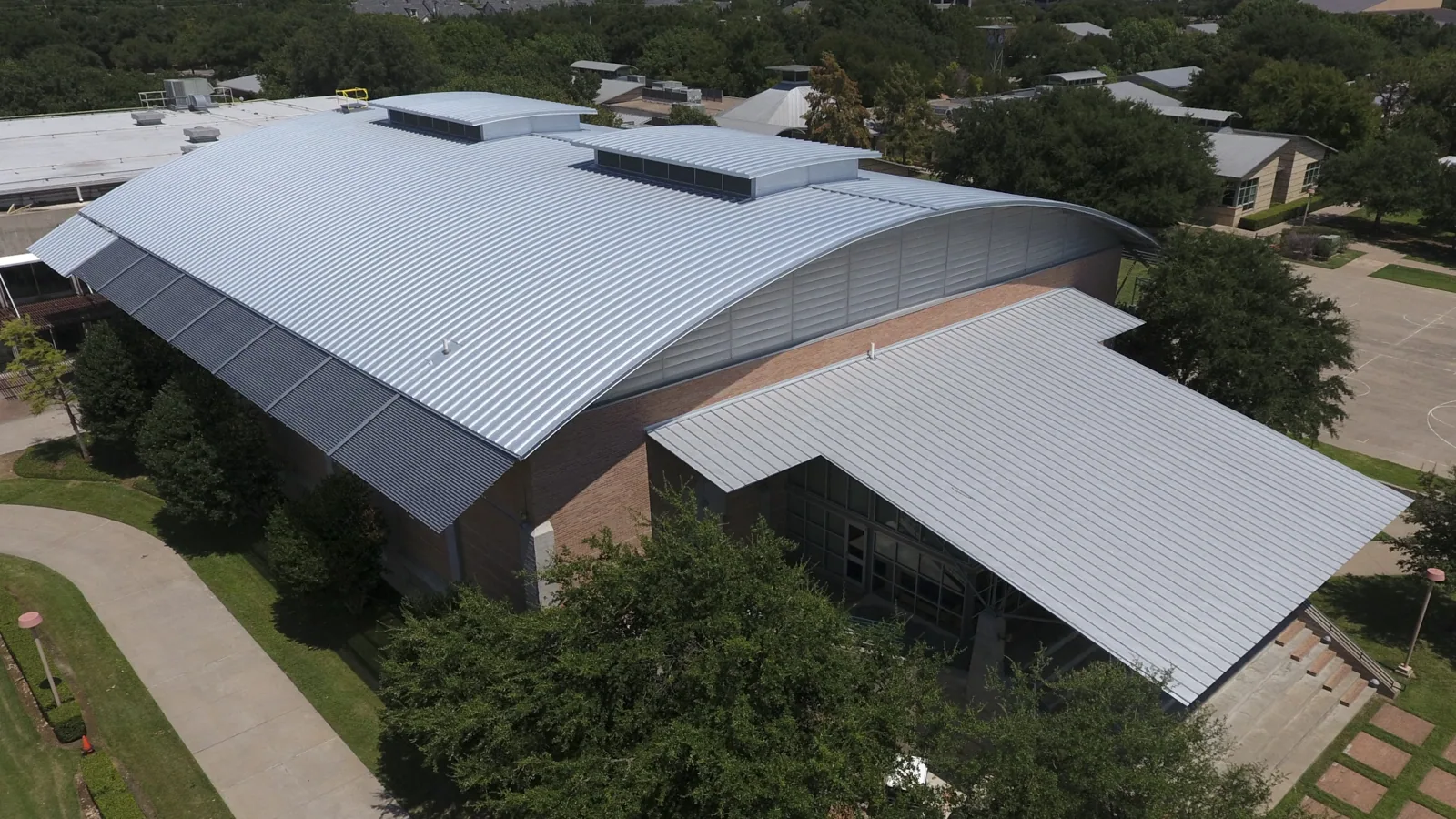
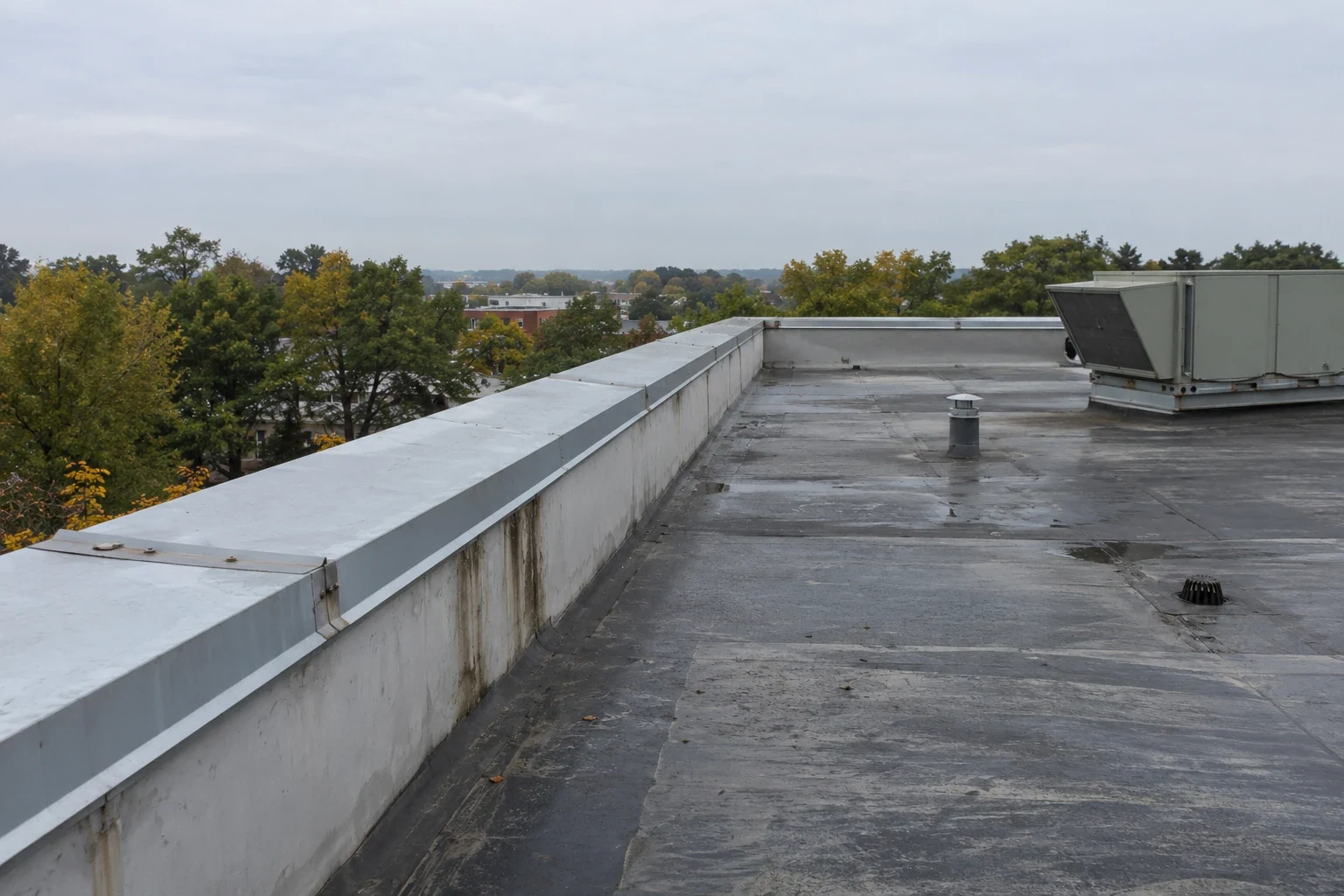
Build the File from Dated Roof Evidence
We begin with the building contact, reported event date, first interior observation, maintenance log, prior repair records, available roof plans, and any existing photographs. Then we map roof zones and identify the surface, seams, edges, penetrations, curbs, drains, and prior patches that relate to the reported condition. Each photo gets a location and date so it can be compared with the scope later.
At a warehouse, food-processing facility, or cold-storage property, the access window and operating constraints may affect how a walk is organized. Lynnway Park includes those building uses, but that fact does not tell us which use applies to the claim property. We confirm the operation with its owner or manager and list any roof area that could not be reached.
A commercial roof inspection records observed conditions. A photo condition report can sort findings by roof zone and identify where a test opening or additional record is needed. We keep owner reports, photographs, and direct observations distinguishable in the file.
We can also lay out a simple sequence: last known dry condition, first reported water entry, any emergency protection, and the permanent repair inspection. The sequence does not determine cause by itself, but it helps a reviewer understand when each observation was made and which condition changed between visits.
Separate Event Timing from the Roof Finding
Storm history is a reason to inspect, not proof that a particular roof was damaged. Hurricane Sandy produced coastal flooding along the Massachusetts shoreline in 2012. That broad event does not establish wind or water damage at a Lynn Harbor property. We document what the building shows now and compare it with dated records where available.
Severe thunderstorms in southern New England can bring hail at least one inch across and damaging winds. For a claim, we examine impact marks, displaced edge metal, open seams, punctures, flashing, and water paths. If an interior stain predates the reported event or a roof patch is older, we note the timing supplied and avoid assigning a cause without evidence.
When concealed layers could change the finding, we state the confirmation step. An infrared moisture survey may help prioritize locations when conditions are suitable, while a selective opening may be needed to inspect the assembly directly. We describe the method and limits, not a conclusion the test cannot support.
Describe Repair Work Without Deciding Coverage
The repair estimate identifies work required to restore the roof: temporary protection, tear-out, substrate repair, compatible material, flashing, tie-in, staging, and disposal. We measure the affected area and identify assumptions that could change quantities. If several roof zones show similar damage, each is documented separately rather than combined into one unsupported total.
A storm repair scope can describe the physical work and sequence. If water is still entering, emergency response may secure a temporary dry-in and record the opening before the permanent repair. The property owner can submit those materials to the carrier, but the insurer determines policy interpretation and coverage.
If evidence shows a broader assembly problem or prior wear, we state that separately. An estimate can compare a local repair with replacement without representing either as approved or reimbursable. When the actual work area is still unclear, the file names the test or access needed before final quantities can be confirmed.
Coordinate the Site Walk and Claim Review
For a marine-commercial operation around the Lynn Harbor Port Area, we confirm the site contact, delivery restrictions, and safe roof access before mobilizing. At a downtown property near the Market Street Corridor, occupied entrances, tenant schedules, and public activity may shape where equipment can be staged. We use those neighborhood facts to plan the visit, not to infer a building's storm exposure.
If a carrier representative or building consultant will attend, we align on the affected areas and make clear which sections are included in the walk. We can note questions raised at the meeting and add dated photographs or measurements to the file. If a second inspection is needed after temporary protection is removed, the follow-up is recorded as a separate visit.
A perimeter review can document coping, edge, gutter, and downspout conditions; a drainage check can show whether water movement connects to the reported interior area. Those findings support a clearer scope even when the final cause remains under review.
Deliver a File the Owner Can Reconcile
The final packet can include inspection date, weather event date supplied by the owner, photo index, roof-zone map, observed condition, measured work, materials, exclusions, and open questions. We note whether a photo shows a pre-existing repair or whether the record does not establish when the condition began. That transparency helps the owner reconcile the contractor's scope with other reports.
If the roof remains in service while a claim is reviewed, a follow-up inspection can monitor exposed edges, temporary protection, and drainage. At Lynnway Park or a downtown Lynn building, we schedule it around the actual operating contact and preserve a separate condition log for each property.
Provide the building use, affected zone, event date, available policy or claim contacts, prior maintenance records, and access window. We will document the roof evidence and return a repair scope that can be reviewed without overstating cause or coverage.
The owner receives a dated copy organized for later review.
For a multi-zone building, we can provide an indexed photo set and separate measurements for each roof area. That makes it easier to reconcile the field record with a repair estimate or a later inspection, without blending conditions from different sides of the property.
Commercial Roofing Questions
Can you tell us whether the policy covers roof damage?
No. We document roof conditions and the repair scope; the policyholder and insurer determine coverage under the policy terms. Our file separates observed conditions from questions still requiring confirmation.
What records should we gather before the inspection?
The event date, leak reports, maintenance history, previous repair photos, roof plans, and current access instructions help us build a dated comparison. We can still inspect when some records are unavailable and identify the resulting limits.
How do you handle roof wear that existed before the storm?
We photograph and describe it separately when the condition can be distinguished. If the timeline cannot be established from available records, we say so rather than assign the condition to a specific event.
Can you prepare a repair estimate for the adjuster?
Yes. We can provide measured work areas, materials, access assumptions, temporary protection, and open conditions. The estimate describes the roof work, not an insurer’s coverage decision.
Will you meet with the carrier representative on site?
We can coordinate a site walk when requested, identify the areas inspected, and document questions or additional measurements. Any follow-up visit is dated and added to the owner’s condition file.
Request Claim Documentation for a Lynn Roof
Send the building use, reported event, affected zone, available maintenance records, claim contact, and access window. We will document observed conditions and prepare a measured repair scope.
Back to Commercial Roofing Services.