
Commercial Roof Edge Metal, Coping, and Gutters in Lynn, MA
A loose coping cap or open edge joint can turn wind-driven rain into a concealed roof problem, especially when the building sits in a coastal market. Lynn Harbor's port area supports marine-dependent uses; Lynnway Corridor connects regional movement and waterfront parcels. Those location facts do not prove a detail has failed. We inspect the actual perimeter, photograph each roof zone, and mark whether the need is fastening, flashing, gutter repair, or a broader water-path investigation.
The edge assembly links the roof field to the wall and drainage route. We check its continuity, attachment, laps, corners, end dams, gutters, downspouts, and discharge points, then compare the finding with any leak report or past repair. The scope states which metal pieces can be reset, which need replacement, and what concealed condition requires opening.
Repair commercial roof edges, coping, gutters, and downspouts in Lynn with photo-mapped details, water-path checks, and a clear repair boundary.
Inspect the Edge as a Connected Assembly
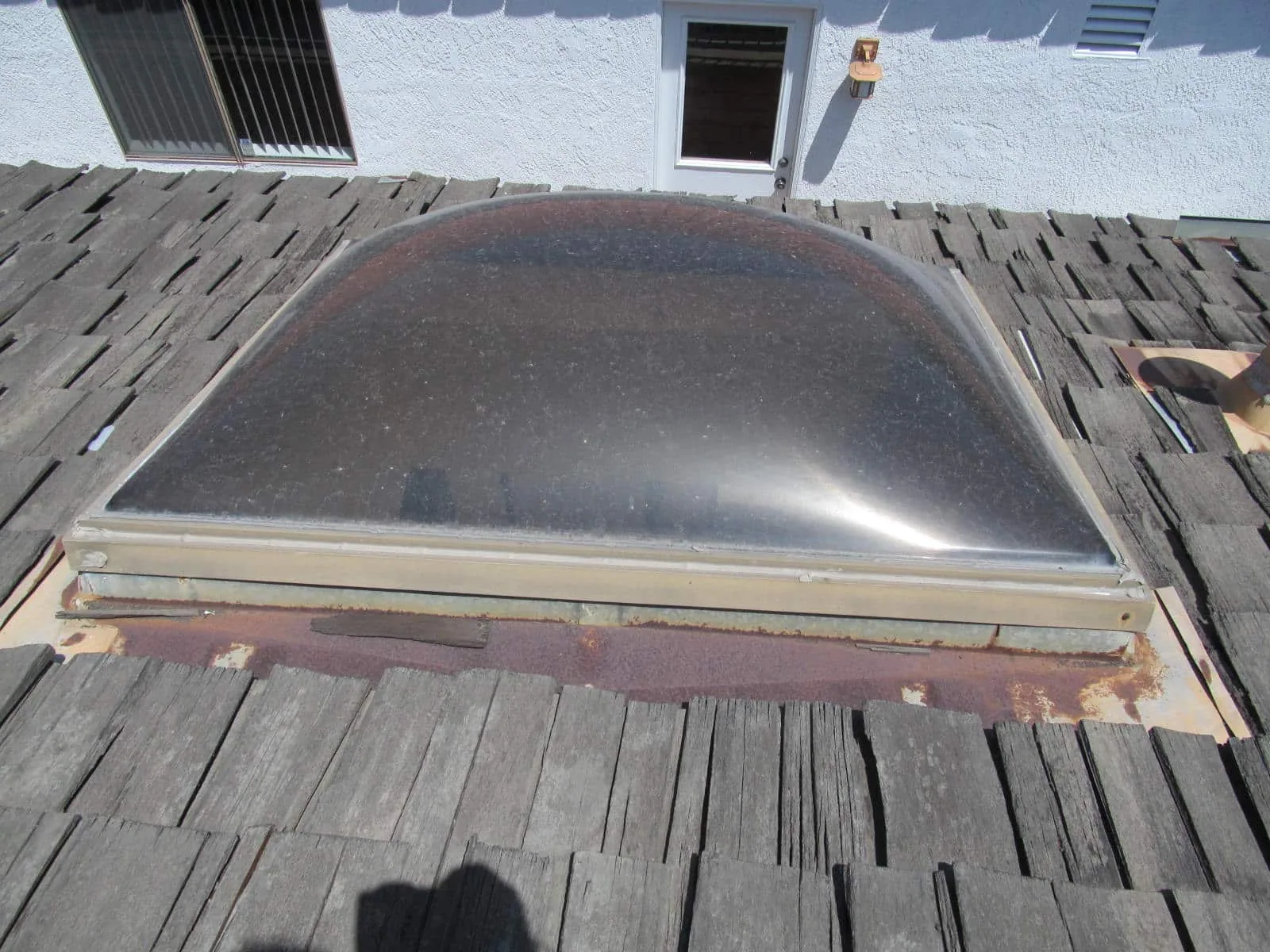
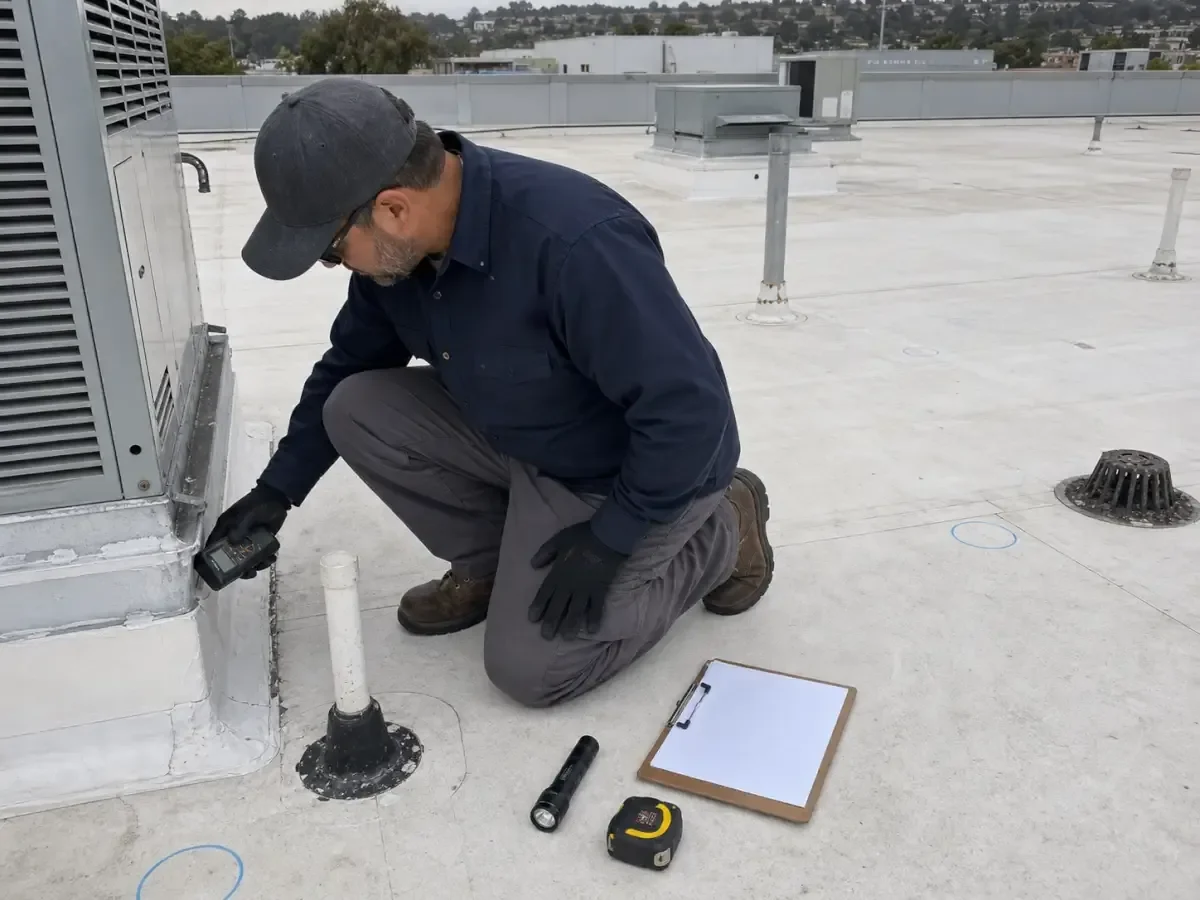
At parapets, we look for coping movement, open joints, loose cleats, failed sealant, staining, and gaps at corners. At a roof edge, we examine the metal profile, fastening, membrane termination, and transition to the wall. A single loose cap can be isolated, while repeated movement along a run may point to a wider attachment or compatibility issue. Photos identify the exact run and adjacent roof field.
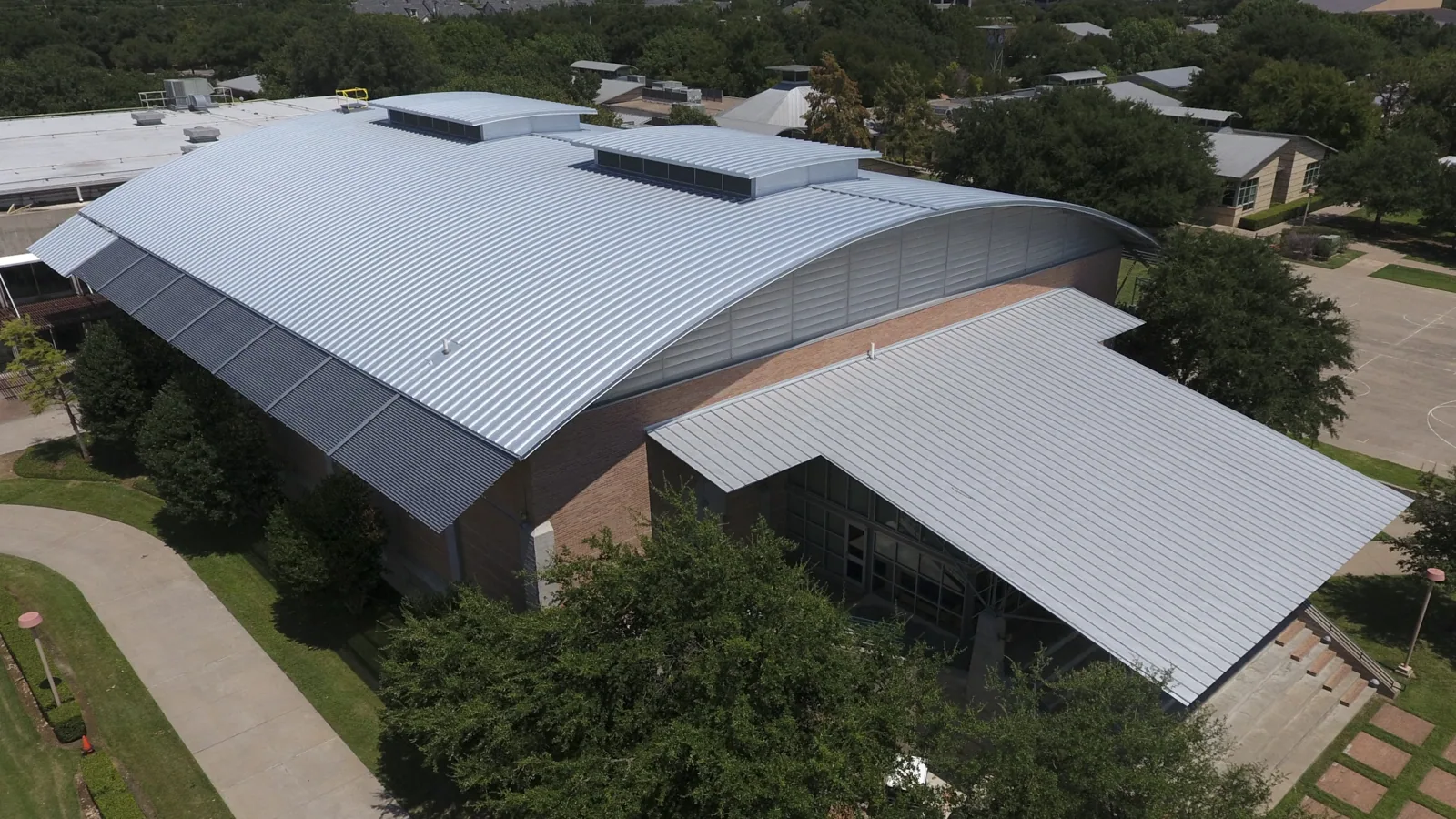
For a standing-seam or other metal roof, panel ends and trim transitions need to work with thermal movement. On a membrane assembly, edge metal and flashing must secure and protect the termination. We identify the existing construction before choosing a repair. A roof inspection records the accessible details; a standing-seam system review can help frame the material and transition questions when that assembly is present.
We also check where a wall, curb, or equipment support interrupts the edge. Water can track behind metal and reach the interior away from the visible opening, so we compare roof-side observations with reported stains and the condition of nearby flashing.
Follow the Water Through Gutters and Downspouts
A gutter can be clear and still fail to move water correctly if it has separated, lost pitch, or no longer connects to a sound outlet. We inspect seams, hangers, joints, outlets, downspout connections, splash or discharge locations, and signs of overflow. At roof drains, we check the membrane transition and surrounding low area. A debris issue, a loose support, and a damaged flashing connection should not be priced as one repair.
Lynn's coastal market combines regular rainfall, winter snow, summer heat, and freeze-thaw exposure. That mix makes drainage capacity and winter access worth checking along the North Shore, while the building's roof determines the flow route and condition. We document blocked paths and visible ponding without assuming one outlet layout applies across Lynn.
If the problem starts at the roof outlet, a drain and scupper check maps the connection. If water is already entering the building, a leak investigation compares interior timing with roof seams, wall transitions, and edge metal.
We check the discharge point below as well. A sound downspout should carry runoff away from the roof edge and into the intended drainage route. Loose joints, crushed sections, or an outlet aimed at a wall can undermine otherwise sound roof work, so we record the visible connection and identify any ground-level drainage item that needs separate attention.
Check Fasteners and Joints After Severe Weather
Coastal weather can make an edge inspection timely, but regional exposure does not establish damage at one building. Hurricane Sandy brought flooding along the Massachusetts coast in 2012, with a Boston gust of 62 mph and sustained wind of 54 mph at Revere Beach. We use that storm history to focus attention on corners, coping, metal laps, and terminations after reported severe weather. We still record only conditions found at the property.
At the Lynn Harbor Port Area, a marine-dependent use may require a planned access window and material delivery route. The Lynnway study includes Route 1A and multiple transportation connections; we confirm actual traffic and staging restrictions with the site contact. Those facts help schedule work, not diagnose corrosion or wind damage.
If fasteners are missing or metal has pulled away, we document the affected length and whether the substrate can accept a new attachment. A wind-related repair scope can separate new movement from old wear or an earlier patch. If metal or membrane needs broader replacement, we state the transition and tie-in details before estimating.
Choose Between Resetting, Replacing, and Rebuilding
A loose cap may be reset only if the cleat and underlying support remain sound. A corroded or deformed section may need replacement, and a failed membrane-to-metal connection may require roof-system work beyond the visible trim. We inspect corners, joints, terminations, and nearby membrane before choosing. If the deck or edge blocking is concealed, the proposal notes the test or opening that could confirm the attachment condition.
The estimate lists measured length, metal profile, fastener work, flashing, end treatment, sealant, access equipment, disposal, and any gutter or downspout section included. It also identifies items that are not part of the scope, such as a separate wall repair or drainage redesign. This helps the owner compare bids without assuming identical quantities.
For a commercial property in Saugus, we coordinate with the building contact on equipment and loading activity. Downtown properties near the Market Street Corridor may have different staging limits. We schedule the work to the building, protect the path below, and leave each shift with the active edge weather-tight.
Record the Perimeter Before the Next Inspection
After repair, we photograph the completed run, corner, outlet, gutter, or downspout connection and list material used and quantity. The closeout file also identifies the section that was not accessible or any follow-up test that remains. A future inspector can compare the same joint and see whether movement or leakage has returned.
At a waterfront site or a commercial property in Downtown Lynn, a dated maintenance record supports planning around seasonal exposure and public access. We do not assume a past storm caused a later leak; the next inspection compares present evidence with the earlier record. A maintenance visit can recheck the perimeter, clear debris from gutters, and flag any open connection before the next wet period.
Send roof drawings, the reported leak location, photographs, prior metal work, access contact, and desired schedule. We will walk the edge and drainage route and return a mapped scope that distinguishes an isolated detail from a connected assembly problem.
Commercial Roofing Questions
How can a coping problem create a roof leak?
Water can pass an open lap or corner, move behind the edge metal, and enter at a wall or roof transition. We inspect the metal, attachment, membrane termination, and nearby surface to identify the confirmed path.
Can you repair a gutter without replacing the roof edge?
Yes, if the gutter and its connection are serviceable and the roof termination remains sound. We inspect both interfaces and list gutter, downspout, and membrane work separately.
Does coastal storm history mean our coping is damaged?
No. Regional storm records guide which details we inspect; the building condition must be confirmed on site. We photograph movement, open joints, and any related interior water.
What if the metal moves again after repair?
We compare the closeout photos with the new condition, then inspect attachment, substrate, and adjacent joints. If the support is concealed, we identify the opening needed before proposing a broader rebuild.
What details belong in the repair estimate?
Measured length, metal profile, corners, fasteners, flashing, access, disposal, gutter sections, and excluded work should be stated. We also identify weather or access assumptions that affect timing.
Request a Lynn Perimeter Roof Inspection
Send the affected edge or gutter zone, leak history, prior photographs, roof documents, access contact, and schedule window. We will map the assembly and define the repair.
Back to Commercial Roofing Services.