
-
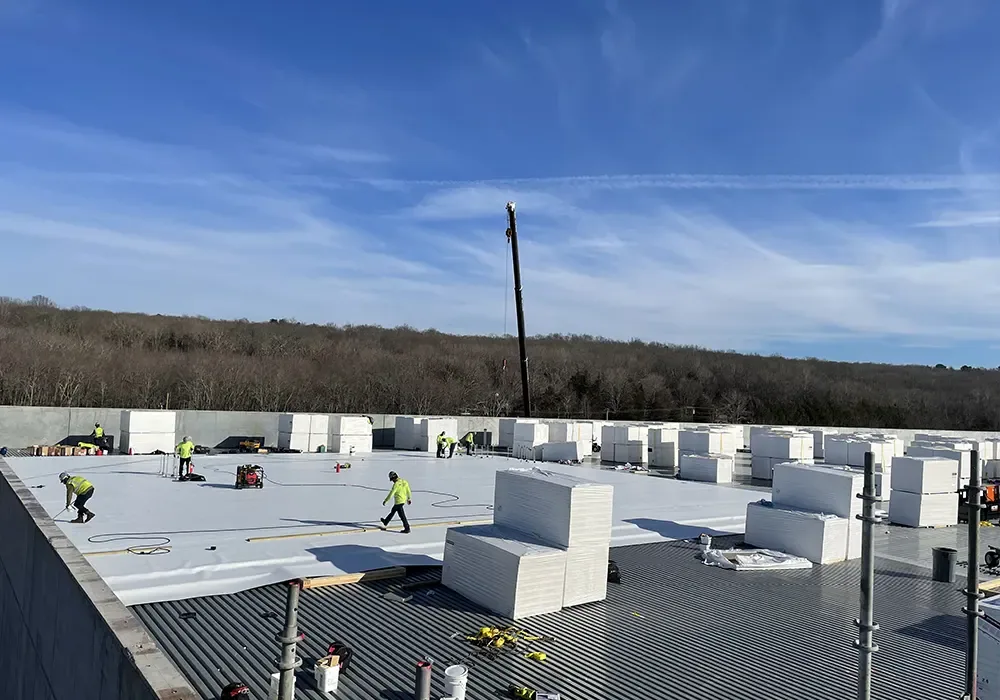
Commercial TPO Roofing
Evaluate TPO for Lynn commercial roofs with a documented review of seams, attachment, drainage, penetrations. -
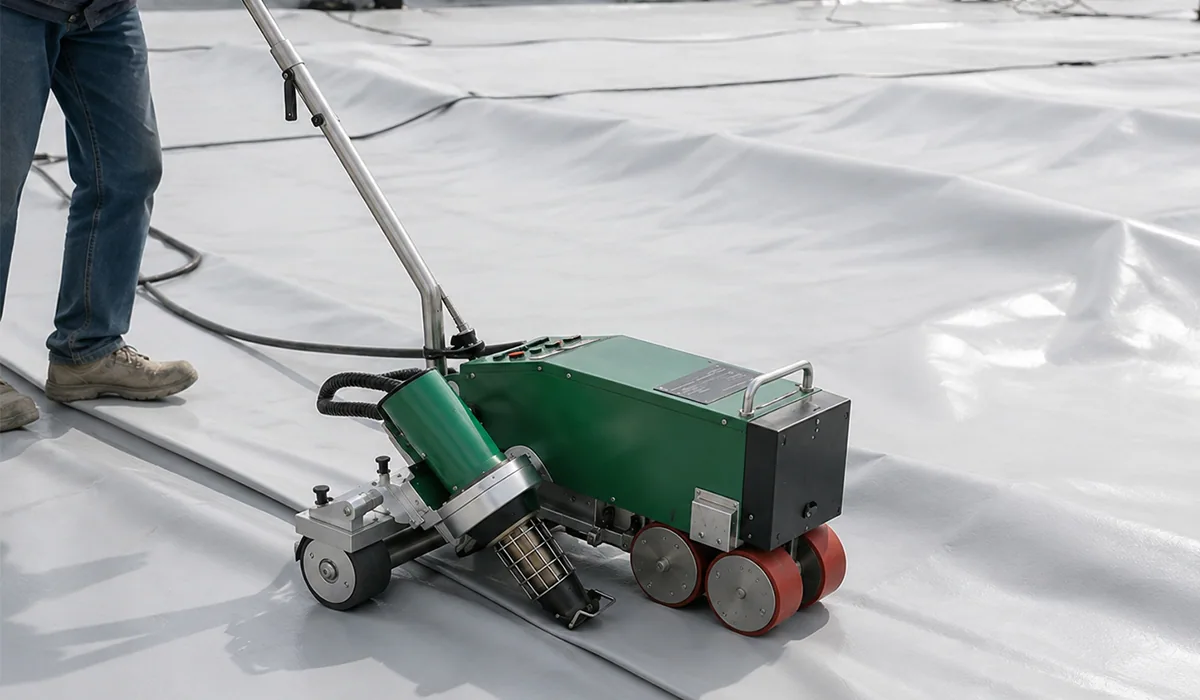
Commercial PVC Roofing
Review PVC roofing for Lynn facilities with attention to chemical exposure, welded seams, rooftop equipment. -
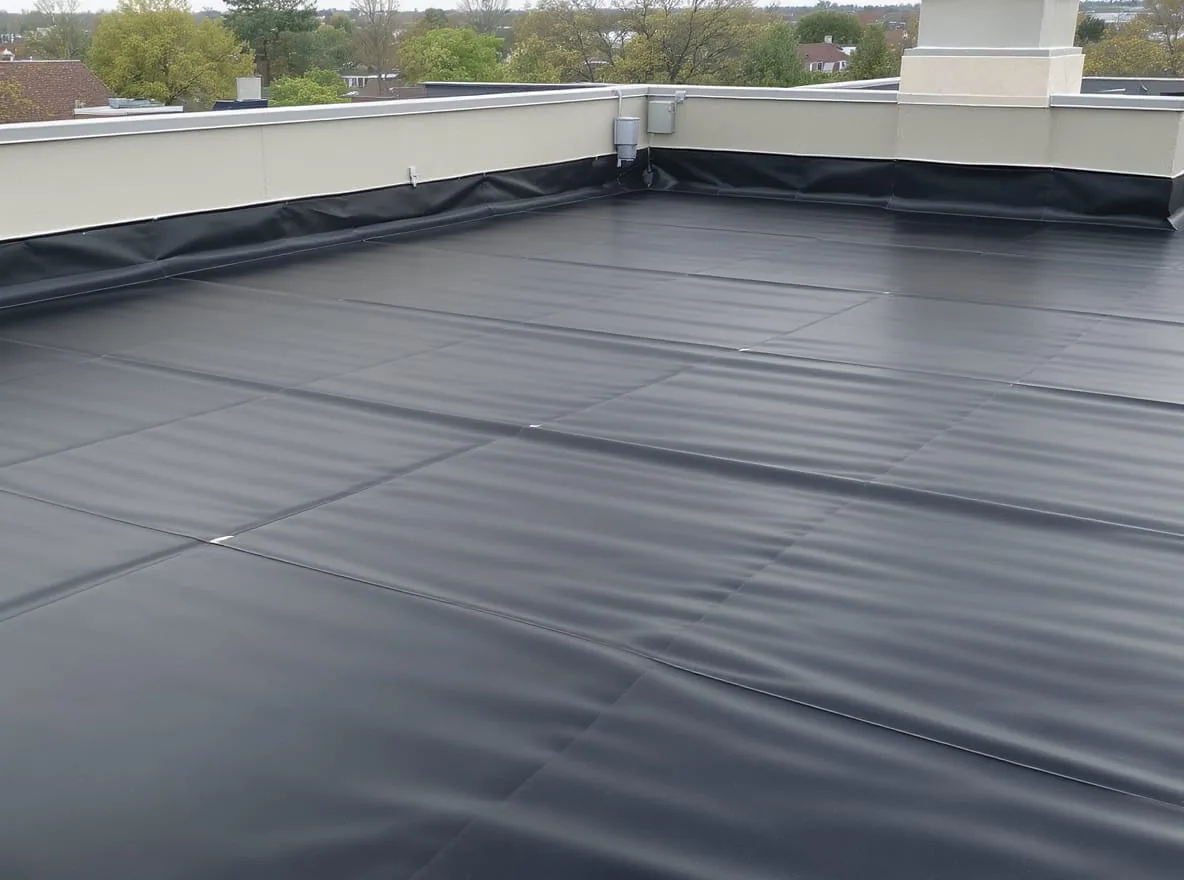
Commercial EPDM Roofing
Assess EPDM roof condition in Lynn with a zone-by-zone review of seams, membrane movement, penetrations, drainage, and repair options. -
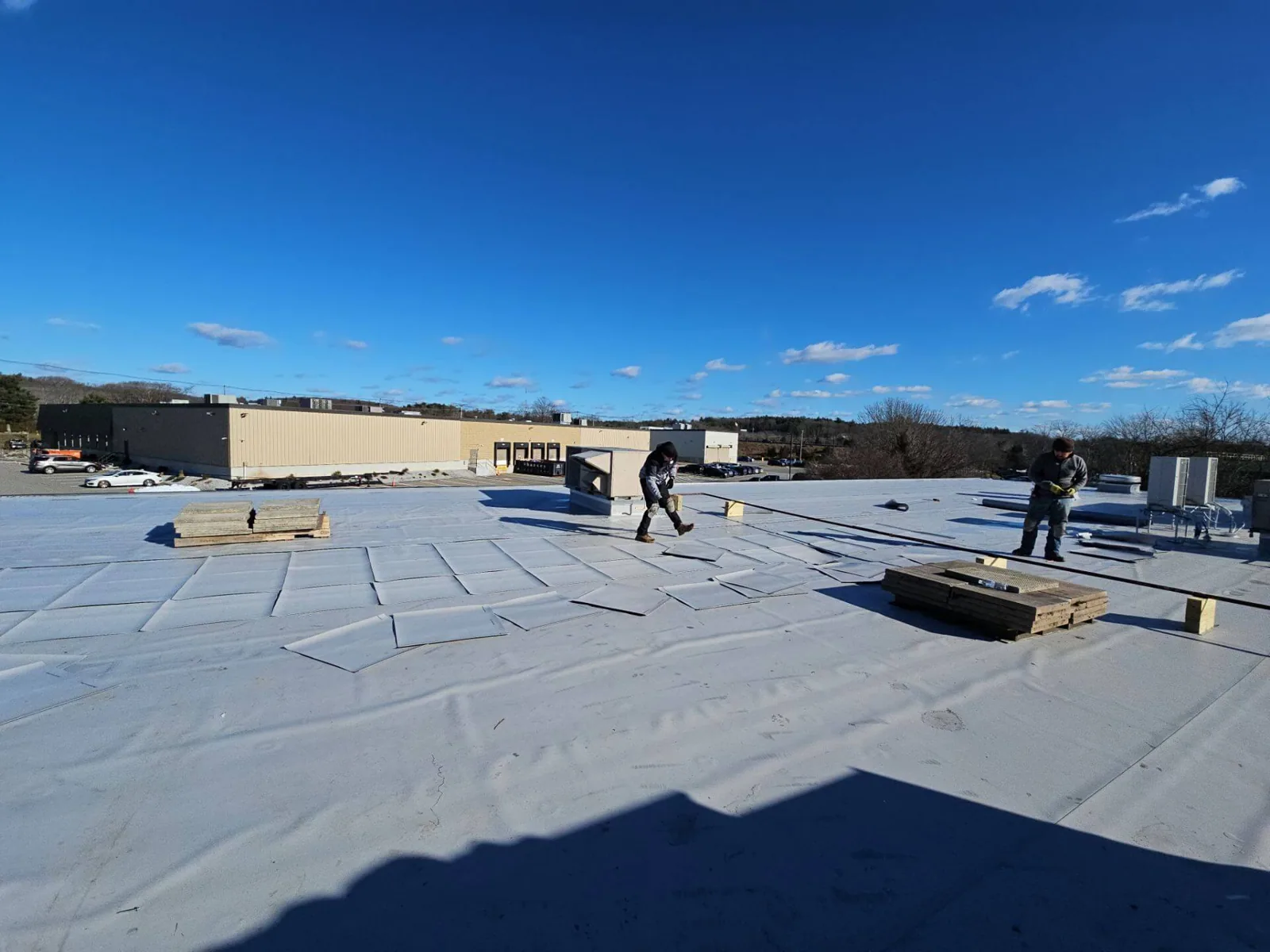
Commercial KEE Roofing
Review KEE membrane options for Lynn commercial buildings with product-specific compatibility, seam, flashing, and assembly checks. -
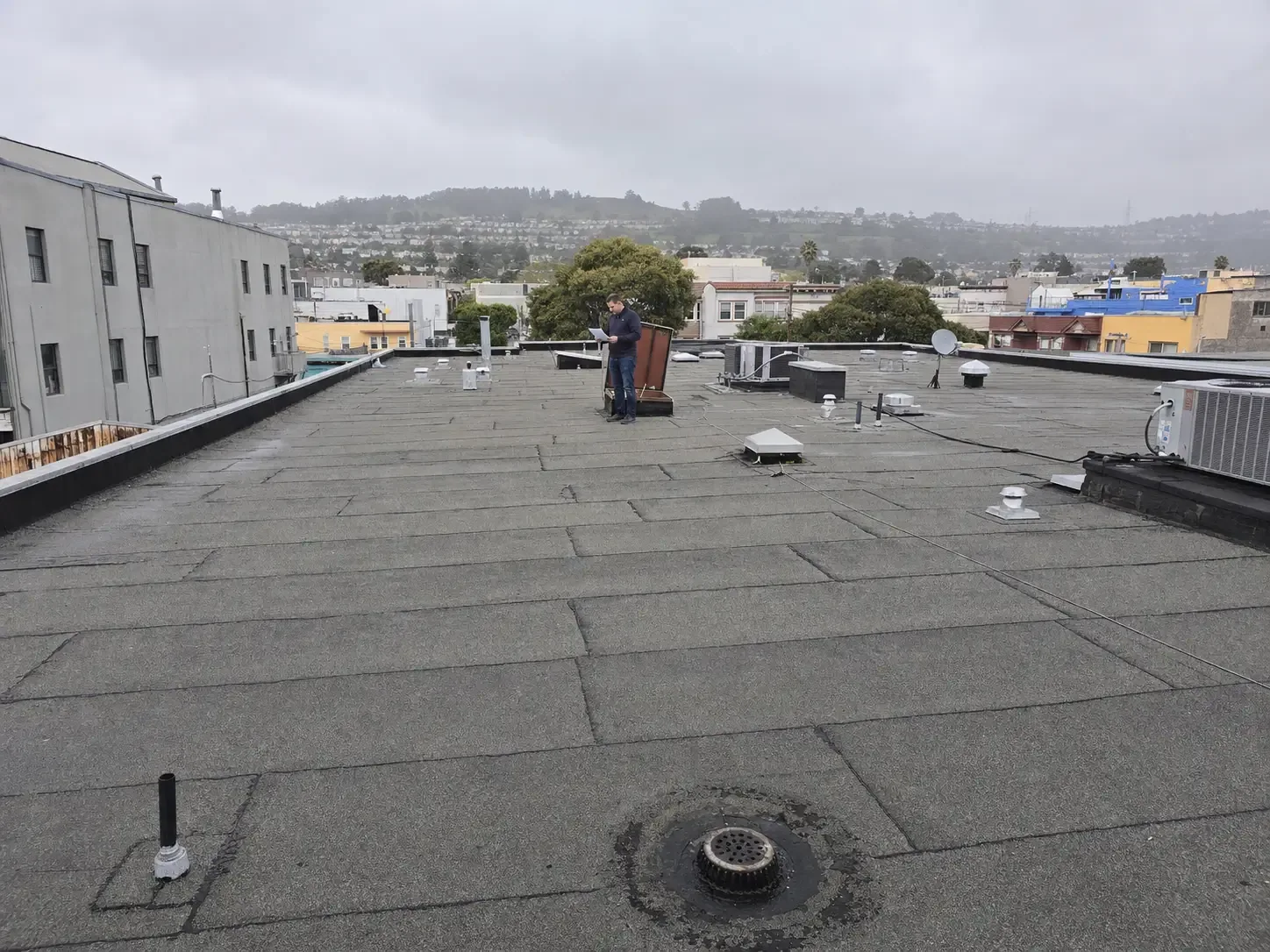
Commercial Modified Bitumen Roofing
Evaluate SBS and APP modified bitumen roofs in Lynn with a documented review of plies, surfacing, seams. -
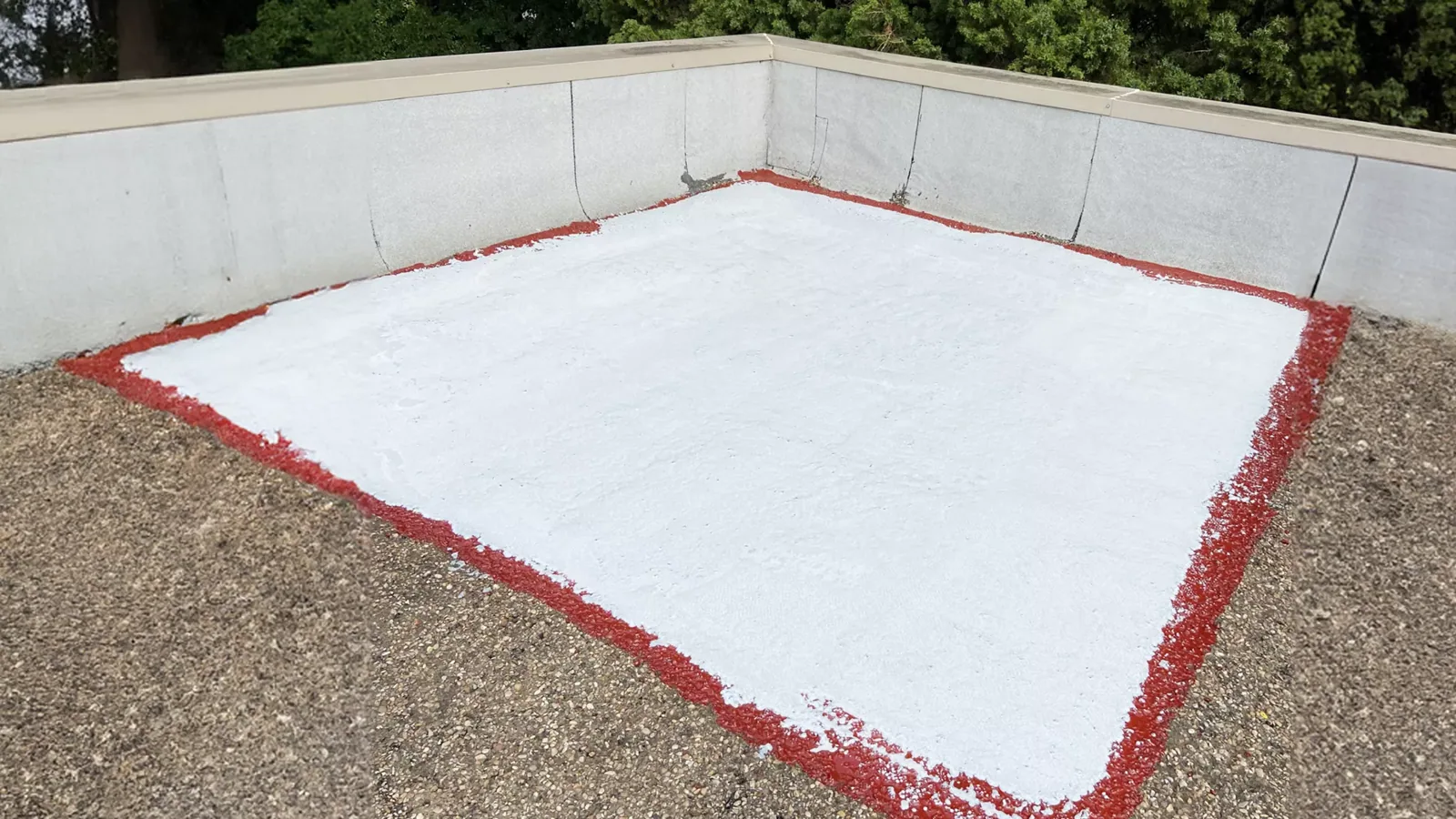
Commercial Built-Up Roofing
Inspect Lynn built-up roofs by documenting ply condition, surfacing, drainage, flashings, and the evidence behind repair or replacement. -
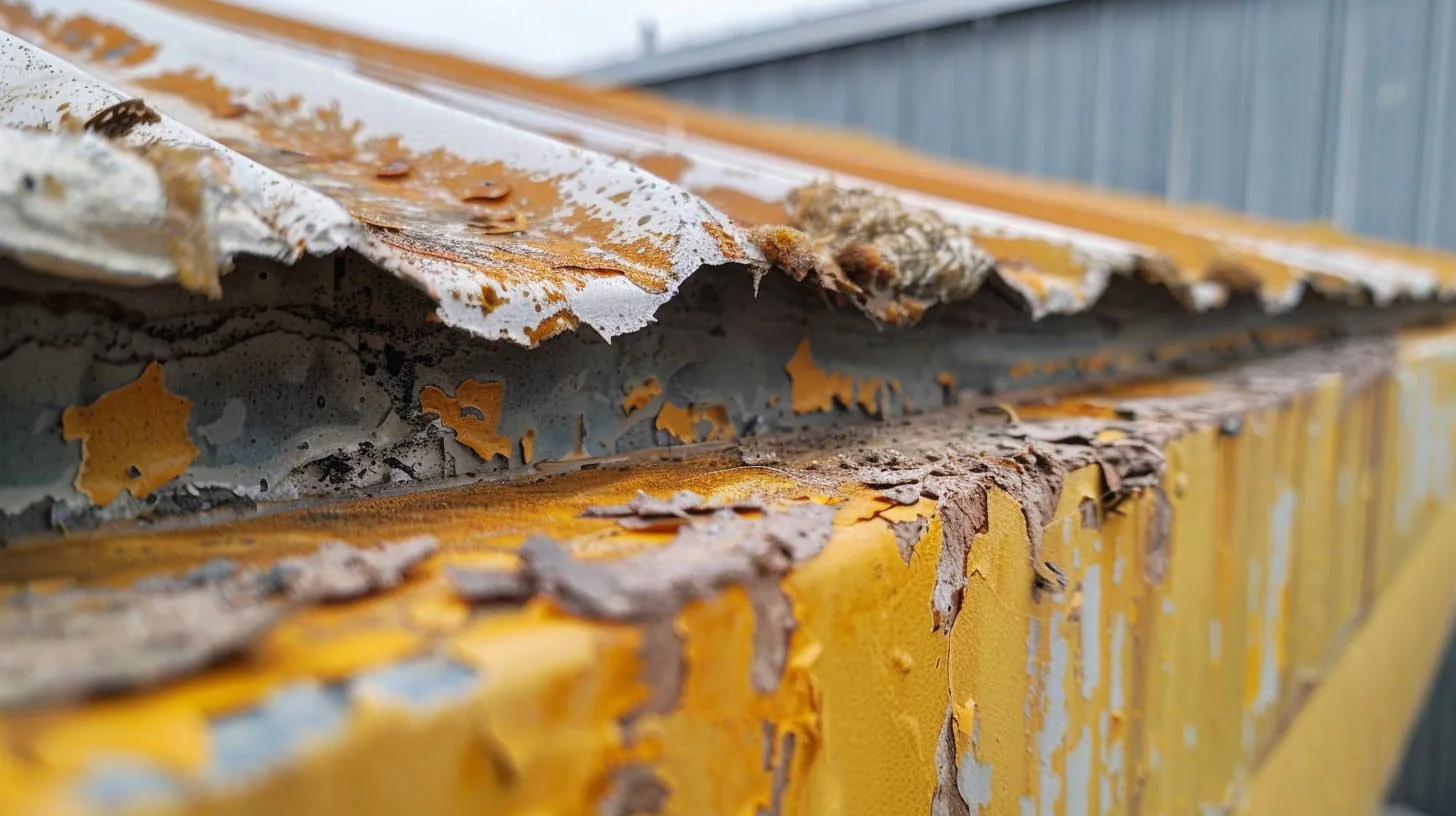
Commercial Standing Seam Metal Roofing
Evaluate Lynn standing-seam roofs with panel, clip, seam, flashing, corrosion, drainage, and movement checks. -
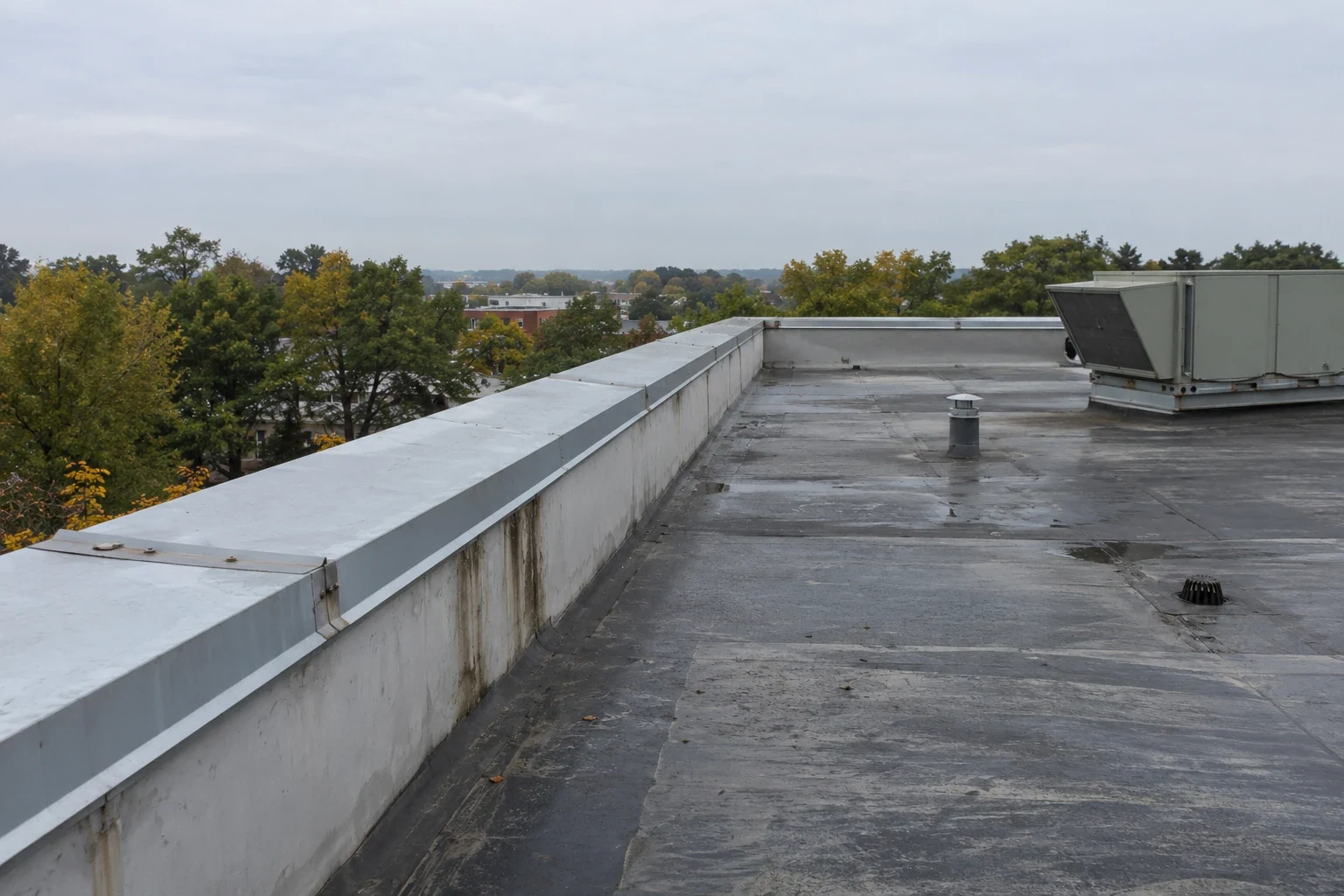
Commercial Metal Roof Retrofit
Plan a Lynn metal roof retrofit by verifying panel condition, structural support, attachment, drainage, height transitions, and access. -
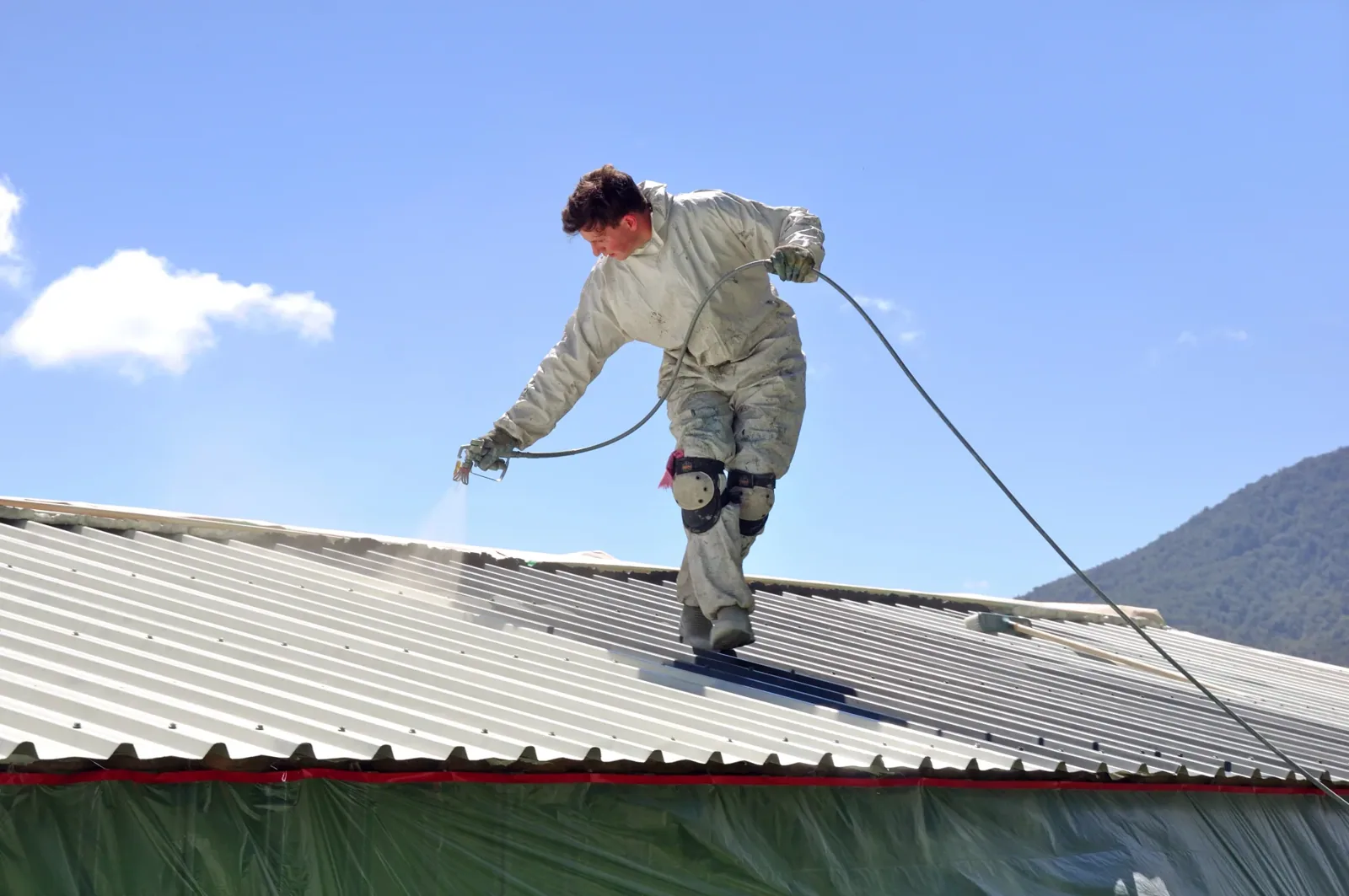
Commercial Spray Polyurethane Foam Roofing
Assess Lynn SPF roofs through substrate moisture, adhesion, foam profile, protective coating, drainage, and repair-boundary checks. -
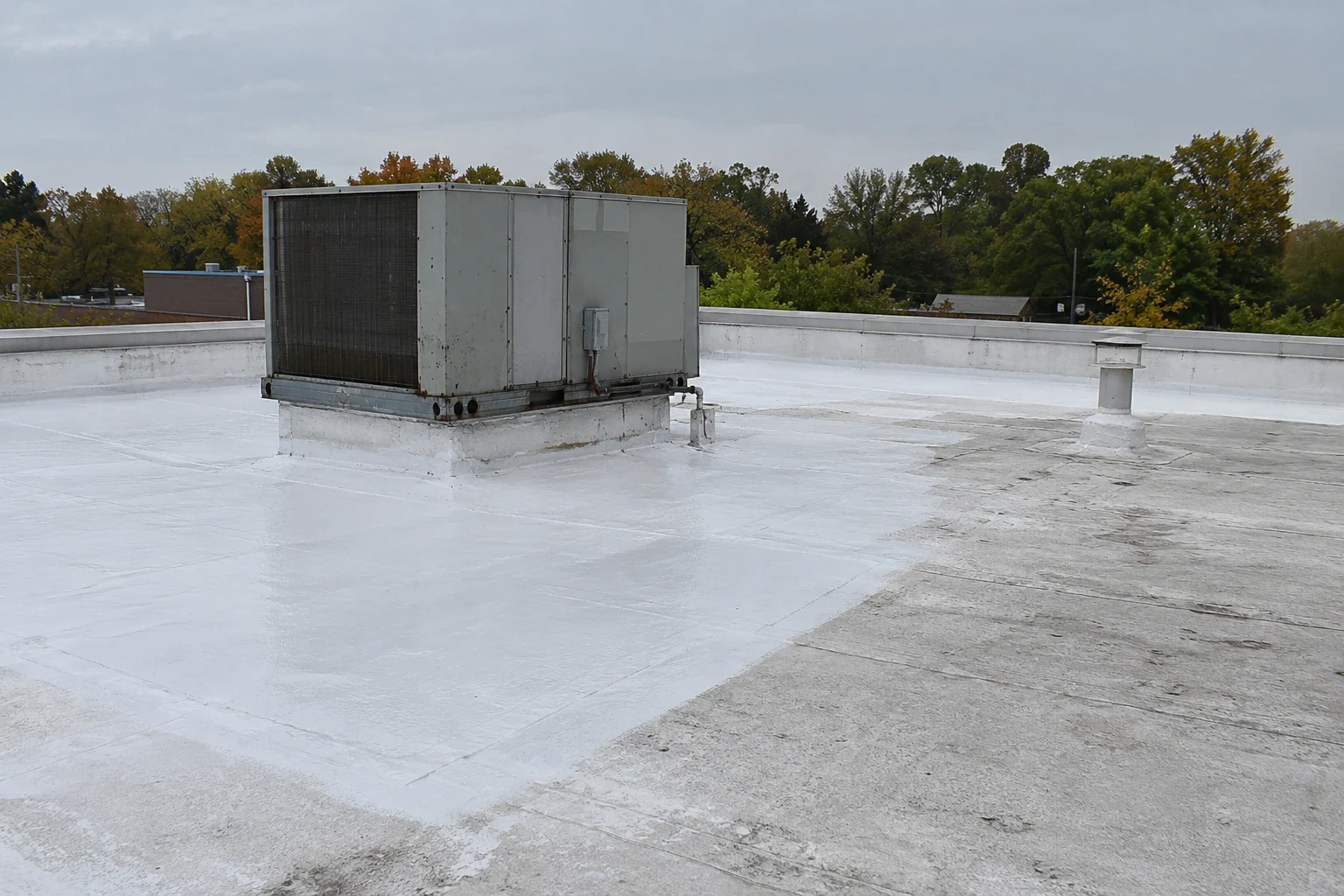
Commercial Silicone Roof Coatings
Review Lynn silicone roof coatings with substrate, adhesion, moisture, drainage, compatibility, and detail. -
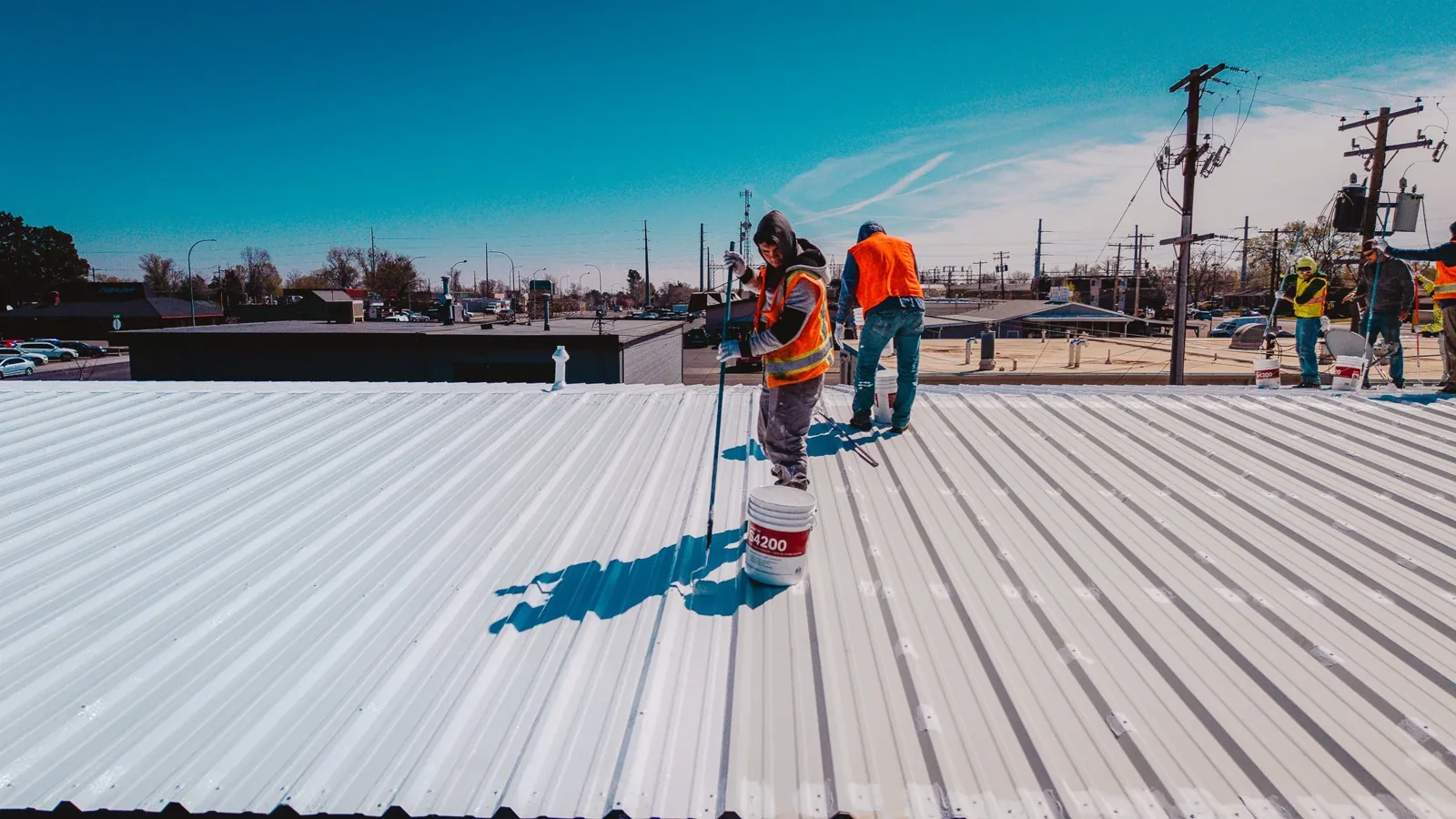
Commercial Acrylic Roof Coatings
Evaluate Lynn acrylic roof coatings by reviewing substrate, drainage, adhesion, weather window, repairs.
Assembly options: compare the components, not labels
Single-ply systems require attention to membrane, seam method, attachment, insulation transitions, and perimeter securement. A KEE membrane or built-up assembly brings its own material and detailing considerations. Standing-seam metal, retrofit metal, spray foam, and coatings also depend on substrate and existing conditions. We describe proposed layers and tie-ins so an owner can see whether the option addresses the problem or simply changes the surface.
A recover requires more than a compatible product. We review layer count, moisture, deck, attachment, edge height, drainage, and project requirements before recommending that existing material remain. Where concealed conditions can alter scope, a test opening or moisture investigation is identified before pricing is treated as fixed. The decision record notes what is known, what is assumed, and which test result would change the assembly comparison.
Local exposure: account for rain, snow, and coastal weather
The Lynn market brings steady annual precipitation and winter snowfall, alongside summer heat and freezing winter periods. For Lynn roofs, seasonal rain, snow, summer heat, and winter freezing make drainage and transition details useful inspection points. We trace water to drains and scuppers, photograph low areas or obstructions, and record edge and flashing conditions at the building.
The 2012 Sandy record includes coastal surge and wind observations at Boston and Revere Beach. Near Lynn Harbor, that regional event can focus a post-storm look at perimeter metal and wall transitions, while direct findings determine any repair. A weather event alone does not establish damage at a property. A commercial roof inspection preserves the evidence, and a recover comparison can evaluate whether the existing assembly should remain.
Selection record: make the next step reviewable
For each option, we identify scope, preparation, access, staging, temporary dry-in, repair limits, and unresolved conditions. The closeout file can include product and layer notes, test locations, photos, and follow-up items, giving the building team a baseline for later maintenance. Each test result stays attached to its roof zone, with neighboring areas listed separately until they are inspected. When a roof sits above active refrigeration, loading, or public-facing areas, the work window and protection requirements belong beside the technical scope.
Share the building use, available roof plans, known water entry, access contact, and schedule limits to request a roof walk. We will compare practical assembly options and state the evidence behind each recommendation.
Commercial Roofing Questions
How do you choose between TPO, PVC, and EPDM?
We compare the existing deck and layers, drainage, attachment needs, transitions, roof use, and project requirements. A system name does not establish compatibility or resolve concealed moisture. A test opening may be needed if those conditions can change the recommendation.
Can you coat any existing commercial roof?
No. The surface, adhesion, moisture, movement, and compatibility with the proposed coating must be reviewed. We document preparation needs and define the area where application is supported before including it in a scope.
What should I know before approving a recover?
The report should identify existing layers, attachment, deck evidence, moisture testing, edge height, drainage, and project limitations. We state what supports leaving the existing roof and what concealed result would require removal instead.
Will a new membrane stop future maintenance?
A new assembly still has drains, seams, penetrations, and perimeter details that need inspection. We provide a closeout record and can set a follow-up plan around the building's use and exposure.
Compare roof-system options
Send the building use, current assembly if known, affected roof zones, access contact, and operating window. We will document conditions and outline options with clear scope limits.