
Commercial Spray Polyurethane Foam Roofing in Lynn, MA
Spray polyurethane foam, or SPF, forms a roof surface on site, so its condition depends on both the foam profile and the protective coating above it. On a Lynn commercial building, we map blisters, cuts, exposed foam, coating wear, ponding, penetrations, drains, and transitions before recommending renewal or repair. The roof-zone record also notes the existing substrate and whether moisture, adhesion, or deck conditions require further investigation. A coating refresh cannot correct an unstable substrate or unaddressed water entry, so the assembly evidence needs to come first.
Lynnway Park includes storage, food-processing, warehouse, and cold-storage uses; Lynn Harbor supports marine-dependent activity. The operating setting helps define the access window and staging plan; the SPF assessment documents the foam, coating, and drainage conditions. We confirm rooftop equipment, service paths, ventilation discharges, and work windows with the building contact. Compare SPF repair or recoating with silicone roof coating or acrylic coating options only after identifying the existing foam and coating system. A commercial roof inspection provides the initial photo record.
Assess Lynn SPF roofs through substrate moisture, adhesion, foam profile, protective coating, drainage, and repair-boundary checks.
Foam and substrate: find the limits of the work
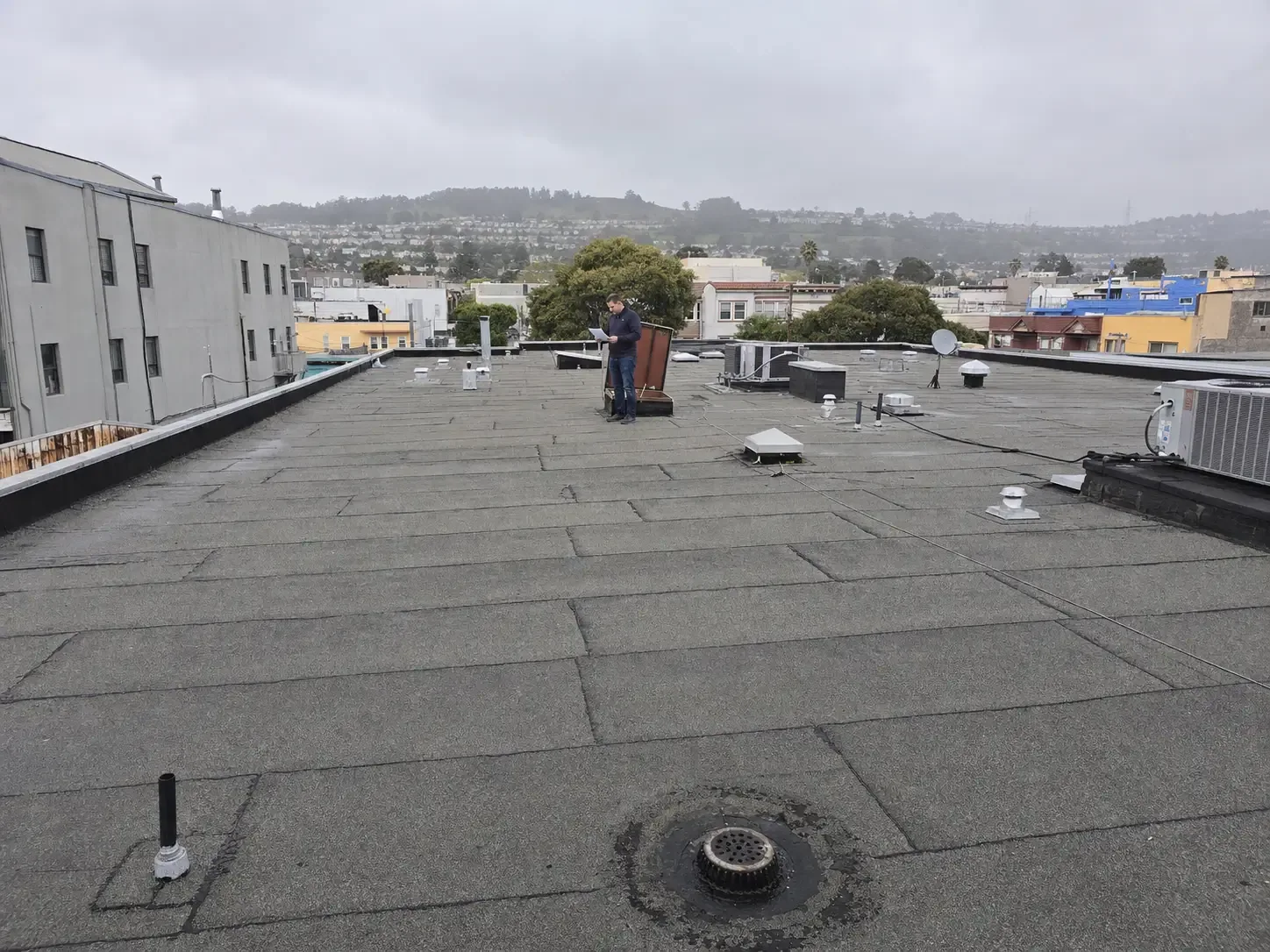
SPF is applied as a cellular layer that must adhere to an appropriate substrate and form a consistent roof profile. The survey notes visible voids, cracks, cuts, gouges, separated areas, soft spots, exposed foam, and transitions at curbs or parapets. We record the coating condition separately because a worn topcoat and damaged foam are not the same repair. If the substrate or bond cannot be judged from the surface, a selected test area or other investigation may be needed. Mark the exact location and avoid extending a conclusion beyond the area examined.
Roof equipment and later building work can leave cuts or penetrations that bypass the original detailing. Inspect pipe boots, ducts, supports, drains, scuppers, wall flashings, and patches for continuity. In Saugus, Route 1 is a town-identified economic-development area; the building contact identifies equipment paths and access limits for the roof walk. At an occupied Downtown Lynn property, the work plan may need to protect public routes and coordinate odors or application windows. The record should identify the location and access constraint without assuming that the whole SPF field shares the same condition.
Protective coating: verify condition and compatibility
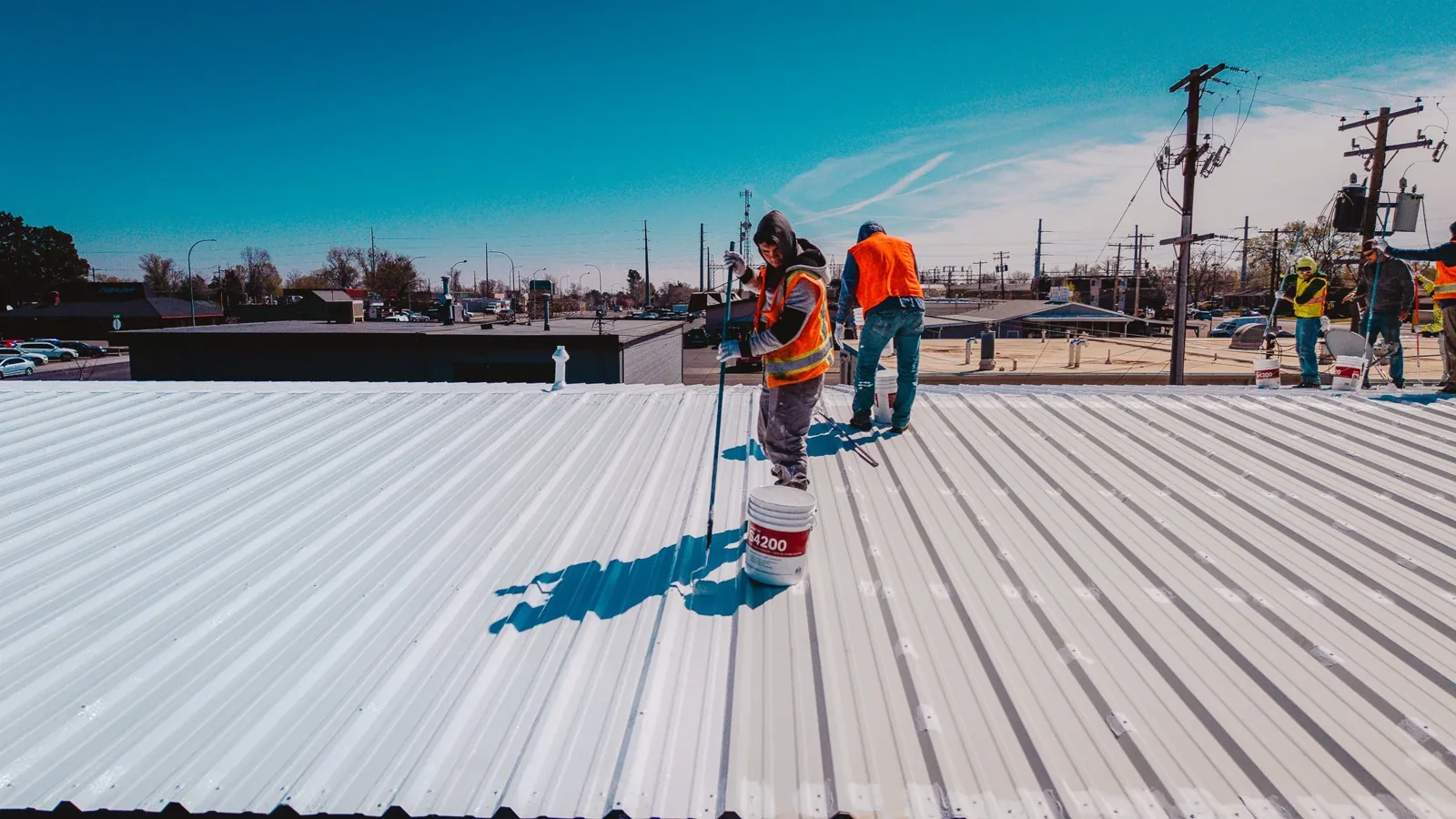
The coating protects foam from weather and ultraviolet exposure, so its thickness, continuity, adhesion, and compatibility with the SPF system matter. We map blisters, splits, chalking, erosion, ponding marks, exposed foam, and earlier coating patches. A visual inspection cannot establish every concealed bond condition, so the scope should identify any test or preparation needed before recoat. Before specifying a product, confirm the existing coating type, foam condition, manufacturer requirements, and compatibility of primers, repair materials, and finish coats.
Do not apply a new topcoat over loose coating, contaminated foam, wet areas, or a detail where the water-entry route remains unresolved. The preparation plan should describe cleaning, drying, repair of damaged foam, priming, and application conditions. A commercial roof coating project should also show how drains, penetrations, edges, and equipment supports will be treated. Keep the work boundary clear so the owner can distinguish full-field recoat from localized repair and see which areas could not be accessed or tested.
Drainage and weather: map water before recoating
SPF drainage review should connect runoff to the coating and foam condition at each low point. Logan's yearly climate totals include 44.52 inches of precipitation and 48.2 inches of snow. We map ponding, outlet paths, debris, coating-depth changes, and exposed substrate so the owner can see whether the proposed scope addresses water flow as well as the surface layer; the station's temperature averages also frame application and access windows.
For weather-related review, Southern New England's severe storms can bring damaging gusts and hail measuring at least one inch. Sandy also caused coastal flooding in Massachusetts. On an SPF roof, we follow reported impact to coating, foam, flashing, and perimeter, then distinguish observed damage from event history. Lynn Harbor provides coastal context; a condition report records the affected zone, test result, and next decision.
Renewal choice: repair foam, recoat, or replace
A localized cut or impact may call for foam repair and a compatible protective coating. Broader surface wear may support a recoat when the foam remains sound, dry, and well-adhered and the existing layers are compatible. If moisture, delamination, widespread damage, or substrate problems are found, adding coating alone may not resolve the condition. Replacement can require removal to a suitable substrate and rebuilding the assembly. Compare these scopes with the same map, state what remains concealed, and explain which test result could change the recommendation.
The proposed work should identify SPF thickness or repair profile, coating product, surface preparation, primer, detail reinforcement, drains, and terminations to match the selected system instructions. If insulation or drainage changes are included, describe their relation to code, equipment heights, and outlets. The project team identifies applicable Massachusetts commercial building and energy requirements before the assembly is approved. A recover overlay is a separate assembly question; do not treat it as equivalent to recoat. Written comparisons help owners understand what each option addresses and what future access or maintenance it requires.
Access and closeout: record application conditions
SPF application depends on suitable weather, dry substrate, surface preparation, access control, and safe management of overspray and ventilation. The site plan should identify adjacent property and equipment protection, air intakes, pedestrian routes, staging, and the person who coordinates work windows. At industrial locations, the process or warehouse schedule may restrict access. At Downtown Lynn sites, occupied entrances can need separation. Daily reports should note the roof zone completed, product batch or system records as required by the project, weather conditions, and any boundary held open for further repair.
Closeout should include foam repair locations, coating coverage records where required, photos of drains and terminations, product information, test findings, and a marked roof plan. Note locations that remain inaccessible or where the substrate was not opened. That record lets facilities staff schedule later walks and compare coating wear with the original condition. If a follow-up is recommended, identify the zone and observation that warrants it. The closeout should describe completed work and limitations accurately, not promise a particular service life or that future coating work will never be required.
Before applying material, we compare the forecast window with the selected product instructions and record start and stop conditions for each zone. Surface moisture or temperature can affect preparation and adhesion, so an application log should identify the conditions present at the time of work.
Commercial Roofing Questions
Can an SPF roof be recoated instead of replaced?
Possibly, when the foam and substrate are suitable, dry, adequately bonded, and compatible with the proposed coating system. Map exposed or damaged areas and resolve water entry before treating a recoat as a complete scope.
What causes exposed foam on an SPF roof to need attention?
Cuts, erosion, coating loss, or later penetrations can leave foam exposed. The assessment should identify the area, confirm the foam and substrate condition, and specify compatible repair and protective coating steps.
Can a coating fix ponding on an SPF roof?
A coating renews the surface, while a drainage correction may require slope, outlet, or localized roof work. Map low points and confirm outlet function before selecting the SPF scope.
How do I know which coating works with existing SPF?
Identify the installed foam and coating system, inspect adhesion and surface condition, and obtain product-specific compatibility instructions. A generic coating label is not enough to establish a suitable assembly.
What should a Lynn SPF roof review include?
Request a roof-zone map, photos of foam and coating conditions, drain and flashing observations, any test results, access constraints, and a clear comparison of repair, recoat, and replacement assumptions.
Schedule an SPF roof assessment
Share the building use, known foam or coating history, concern zones, access contact, and available work window. We will document the visible assembly and identify what needs confirmation before selecting repair or recoat work.
Back to Roof Systems.