
Commercial Silicone Roof Coatings in Lynn, MA
A silicone coating decision for a Lynn warehouse or commercial roof should follow an inspection of the existing surface, not replace it. We map coating loss, open seams, ponding, blisters, exposed substrate, wet areas, and transitions at drains, walls, and equipment. The owner needs to know whether the base roof can accept another layer, which repairs must happen first, and what parts of the system remain concealed. A coating can renew a suitable surface; it does not resolve a failed deck, unstable membrane, or drainage defect that has not been addressed.
Lynnway Park has warehouse, food-processing, storage, and cold-storage uses, while Lynn Harbor serves marine-dependent activity. Those settings guide access and staging questions but do not establish that any property needs coating. We document each roof zone and compare coating with acrylic coating or SPF roof renewal based on the actual substrate and project requirements. A roof coating restoration review can define preparation and repair needs before the product is selected.
Review Lynn silicone roof coatings with substrate, adhesion, moisture, drainage, compatibility, and detail checks before a project scope is set.
Substrate review: confirm what remains in place
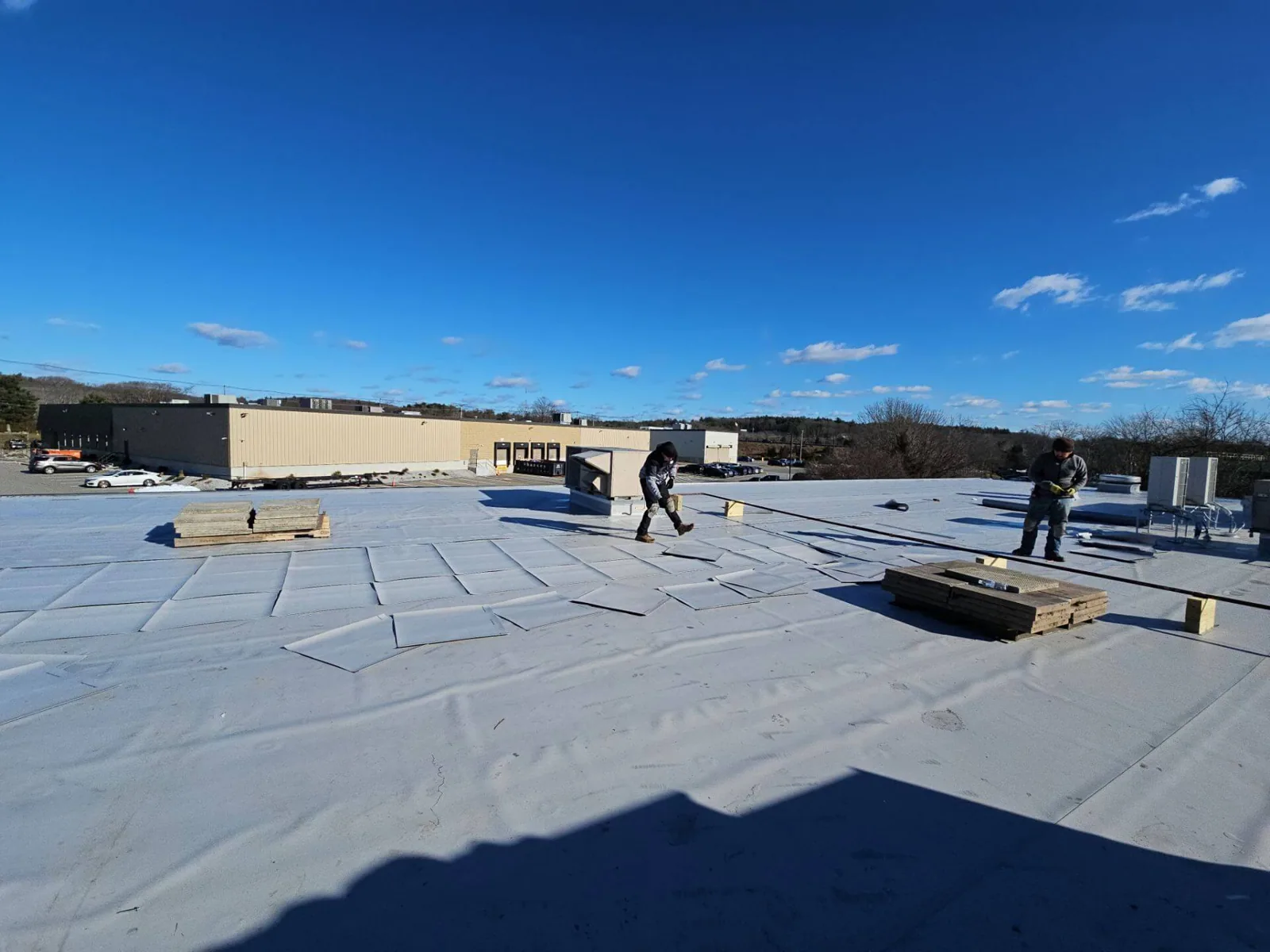
Before estimating silicone, identify the existing roof material and all coatings, repairs, and surface treatments that can be observed. We note blisters, splits, loose material, rust, exposed reinforcement, wet insulation indicators, contamination, and areas where adhesion may be uncertain. A test patch or other product-required evaluation can help confirm compatibility, but it represents only the area tested. If moisture or concealed layers could change the recommendation, a test opening may be needed. The report should state which method was used and what condition remains open.
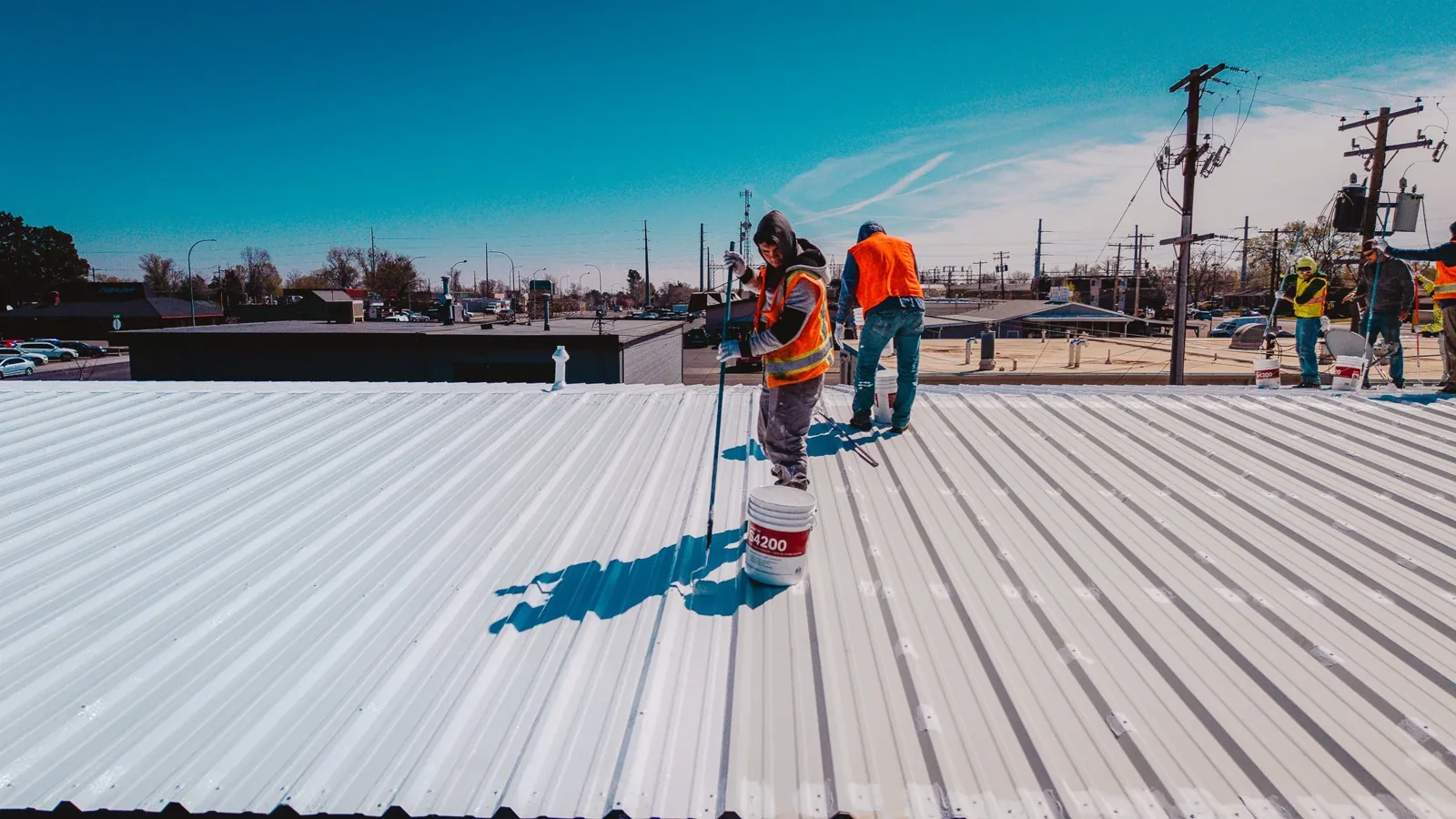
Surface preparation is part of the system. The scope should specify cleaning, removal of loose coating, drying, repair materials, primer if required, reinforcement at details, and the conditions needed before application. In Saugus, the town identifies Saugus Center and Route 1 as economic-development areas; each building contact sets its own access window. Near Downtown Lynn, public entrances or nearby tenants can affect staging and overspray controls. Document those constraints separately from the coating assessment.
Drainage and details: treat them as part of the system
A fluid-applied coating follows the prepared surface, so drains, scuppers, penetrations, curbs, parapets, expansion joints, and perimeter terminations need an explicit detail plan. We mark the actual water path and note ponding duration only when it has been observed or reliably reported. The coating manufacturer’s instructions should define where reinforcement, additional film build, or separate repair materials are required. A uniform field application cannot compensate for an unresolved flashing transition or a drain that is blocked or set at the wrong elevation.
A silicone project needs a forecast window that meets the chosen system’s application limits. Boston Logan’s long-term precipitation average is 44.52 inches per year and snowfall average is 48.2 inches; typical mean daily temperatures range from 24.3 degrees in January to 83.2 degrees in July. Use those seasonal patterns to plan access and drainage work, then base the coating scope on field conditions. Before work, confirm the forecast and substrate conditions required by the selected system. If slope or drainage correction is needed, show that work apart from the coating quantity. A drain and scupper review can help define outlet work, while a repair scope should identify the specific condition being corrected.
System selection: define product limits
Silicone formulations and system requirements vary, so obtain the data for the product proposed at the building. Confirm compatibility with the existing roof and repairs, adhesion or test procedures, required application rate or dry-film thickness, reinforcement at details, cure conditions, warranty provisions, and inspection steps. If the current roof has grease, chemical discharge, or other process contamination, document the actual exposure and obtain product-specific guidance. Do not select a coating because a generic description sounds appropriate for ponding, ultraviolet exposure, or a particular substrate.
Compare coating with a recover overlay or replacement using the same conditions map. Coating may require less demolition if the roof is suitable, but concealed wet areas or unstable materials can undermine that scope. A recover changes the assembly and needs its own layer and code review; replacement offers more direct access to concealed conditions but increases tear-off and temporary exposure. Massachusetts building and energy provisions should be checked for the project. The proposal should identify exclusions, assumed substrate condition, and what finding would lead to added repair rather than leaving those decisions until application begins.
Local exposure: inspect after events, record what changed
Following a coastal storm, inspect the coating surface and its terminations for fresh splits, punctures, uplift, or impact marks. Sandy brought flooding to the Massachusetts shoreline, and Revere Beach recorded sustained wind of 54 mph. These historical conditions help explain why the review includes edge and transition details; only the property inspection can identify a defect. Those conditions support a post-event inspection, but a coating failure must be found at the property. Photograph actual punctures, lifted flashing, new splits, coating loss, debris impacts, and interior water entry. Compare those observations with the pre-event condition record when one exists. Keep the date and location beside each finding.
At the Lynn Harbor Port Area, marine-dependent uses make an edge and termination inspection relevant; the observed assembly determines the work. A coating may hide a surface after application, so the project file should preserve photographs of the substrate and repairs before coverage. A roof condition report can document the pre-work and closeout state, including areas not accessed. This makes later maintenance more specific and avoids attributing new conditions to weather without evidence.
Application and closeout: keep the record measurable
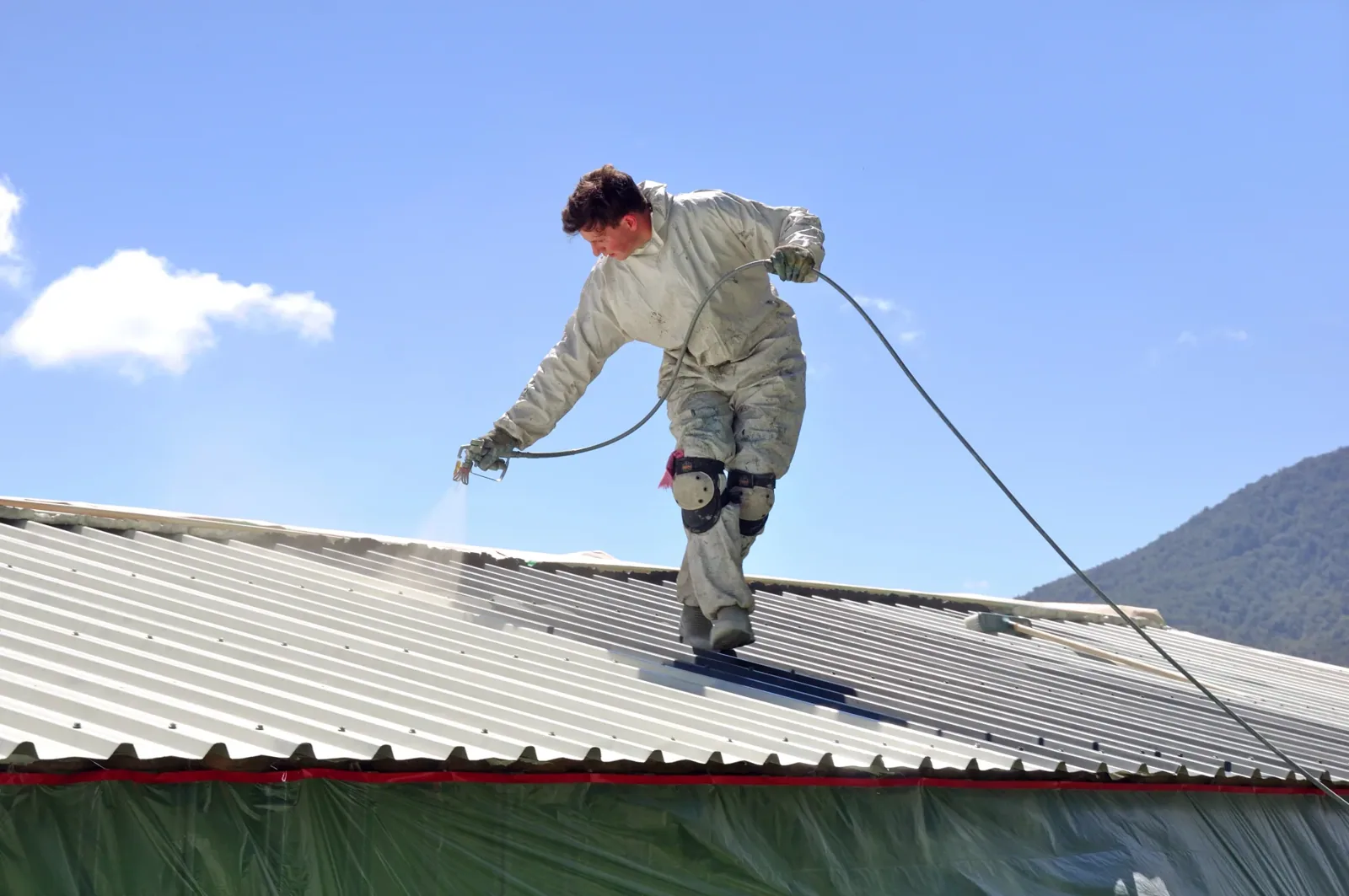
Coating work depends on surface preparation, dry conditions, temperature limits, dew point, and access controls specified by the product system. The work plan should identify roofs or sections opened each day, masking and overspray protection, ventilation or intake considerations, and who confirms a section is ready to receive coating. Active industrial operations may require a controlled application window. Daily notes should record areas prepared, repairs completed, application conditions, and any location deferred because the substrate was not ready.
Owners should also confirm how the crew will protect air intakes, equipment, adjacent walls, and pedestrian areas during preparation and application. If any rooftop equipment has to remain available, the plan needs a route that does not track debris or wet coating into active service zones. Keep the selected system documents with the daily conditions log so the facility can compare the installed areas, specified coverage, and any field adjustment against the original scope.
At closeout, include product identification, preparation and test records, repaired details, application areas, film-build checks if required, drain and edge photos, and a marked roof-zone plan. Note where the work stopped and any substrate condition outside the scope. Keep the file with future maintenance records and schedule inspection at the interval required by the selected product and building needs. The record should describe actual work completed rather than make a broad claim about future service life or maintenance-free performance.
Commercial Roofing Questions
Can silicone coating be applied over any commercial roof?
No. The substrate, existing coating, moisture, contamination, adhesion, and detail condition must be checked against the exact product requirements. A test area or test opening may be appropriate before the owner approves a larger application.
Will a silicone coating fix ponding water?
Do not assume so. Map the drains, scuppers, low areas, and water path first. If slope or outlet work is needed, define it as part of the project rather than expecting coating alone to correct drainage.
What preparation is needed before coating?
Preparation depends on the existing roof and product system, but the scope should address cleaning, loose material, repairs, drying, primer or adhesion evaluation, and detail reinforcement where required.
How does a coating handle Lynn weather?
The selected product instructions govern application conditions, while local winter freezing, precipitation, snowfall, and summer heat help plan inspection and scheduling. Weather records do not determine the condition of the building's current roof.
What should an owner receive after a silicone coating project?
Request product and application records, photos before coverage, repair and detail locations, any required film-build checks, a marked roof plan, and clear notes about excluded or inaccessible areas.
Review a silicone coating scope
Share the current roof type, repair history, affected zones, access contact, and intended schedule. We will document the substrate and identify the compatibility and drainage checks needed before coating is specified.
Back to Roof Systems.