
Commercial Roof Coating Restoration in Lynn, MA
A coating is a renewal option only when the roof beneath it is a suitable substrate. At Lynnway Park, food-processing and cold-storage uses make roof access and operating windows part of a careful inspection; along the Lynn Harbor Port Area, marine-related activity gives the property team different staging questions. Neither place name tells us the assembly or its condition. We inspect the roof, test representative areas where needed, and document the repair boundary before recommending restoration.
A liquid-applied coating can protect a sound roof surface and extend its service life, but it does not correct saturated insulation, weak attachment, failed drainage, or a moving deck. We record which defects can be repaired, whether adhesion is adequate, and what areas remain outside the coating scope. The owner can then compare restoration with recover or replacement using the same roof-zone evidence.
Assess commercial roof coating in Lynn with adhesion tests, moisture checks, detail repairs, and a photo record that defines where restoration fits.
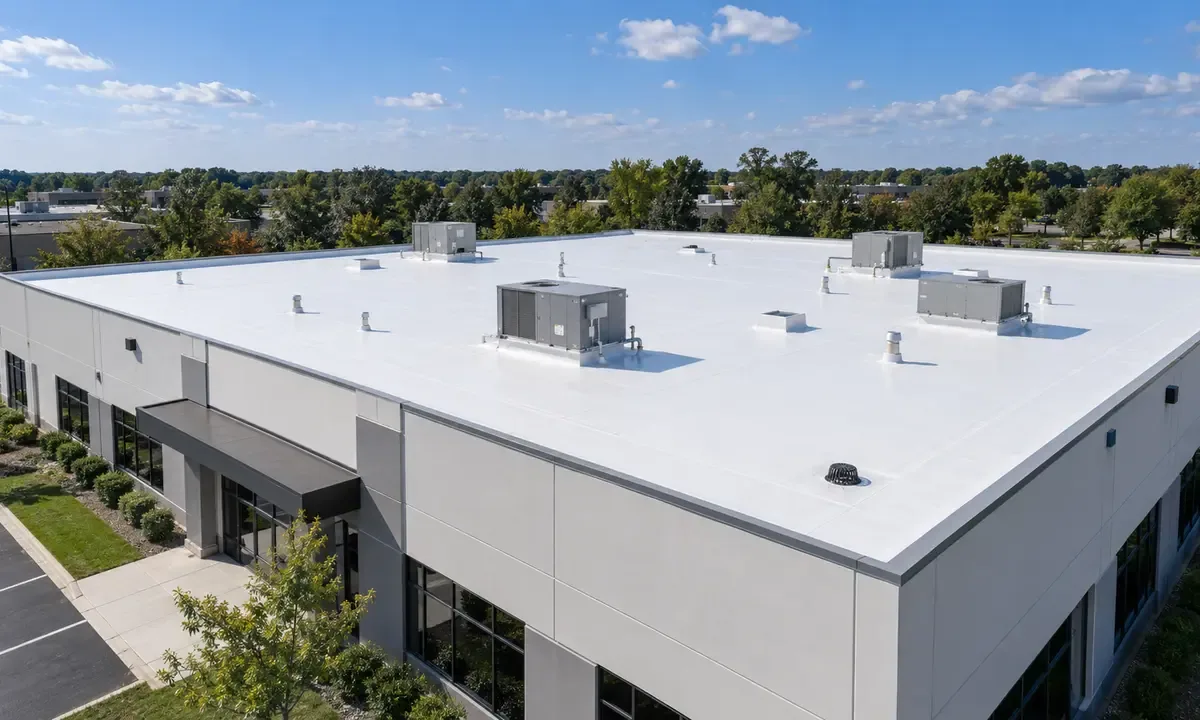
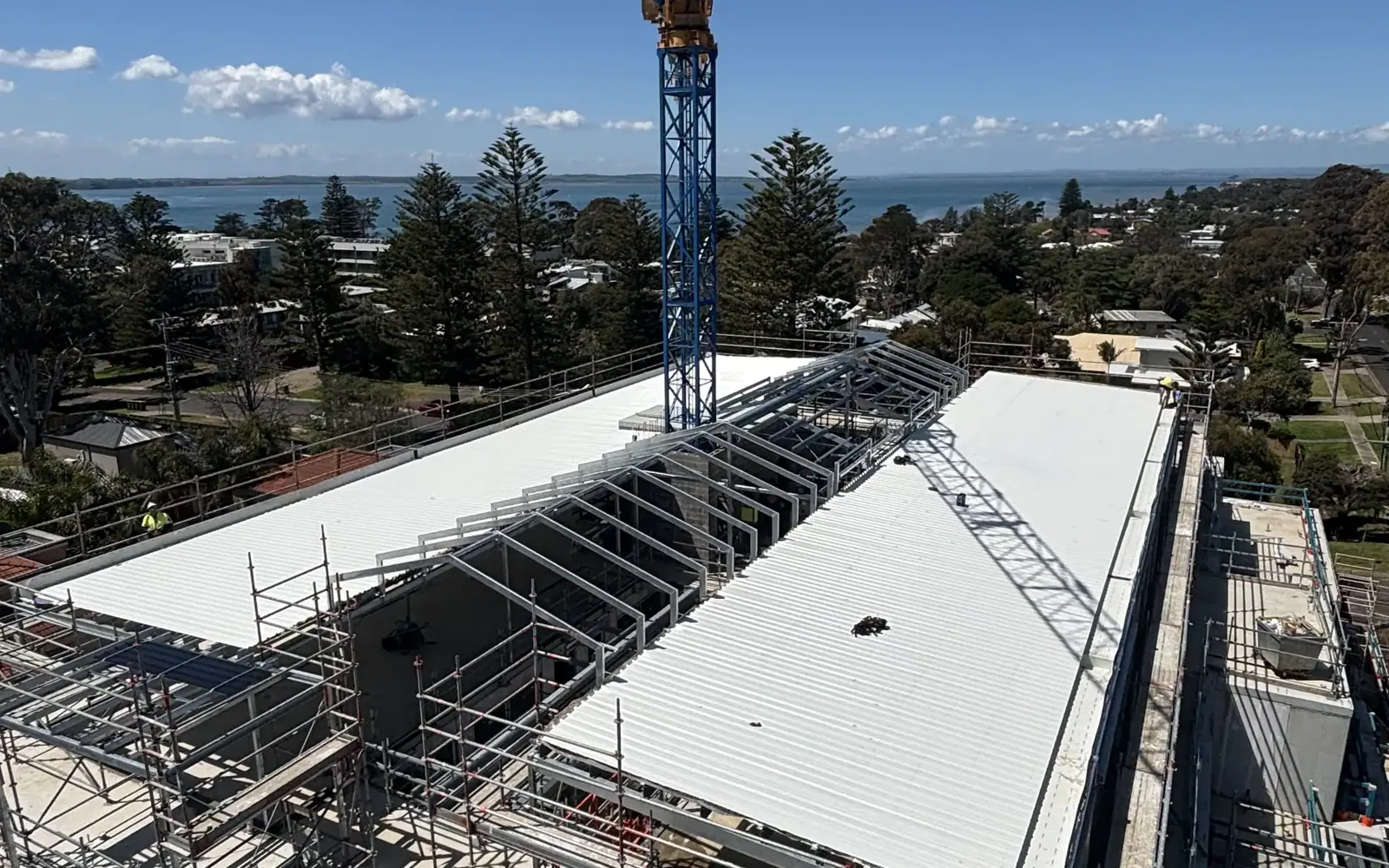
Confirm the Substrate Before Selecting a Coating
Start with the existing system, not a product label. We identify whether the surface is membrane, metal, modified bitumen, or another compatible assembly, then review prior coatings, patches, contamination, and moisture concerns. Coating chemistry and preparation have to match the substrate. If the roof has unknown layers or widespread wet material, we identify that before estimating gallons, detail work, or installation time.
On a cold-storage property, the interior use can make leak timing and access coordination important, but it does not tell us the roof's vapor or insulation design. We check the records and accessible assembly directly. A roof inspection maps defects; a photo report can show where restoration is a candidate and where testing or replacement needs comparison.
We inspect seams, laps, fasteners, flashing, penetrations, drains, curbs, and perimeter metal. Open seams, failed sealant, loose termination, or damaged membrane require repair before coating. The work sequence includes cleaning and surface preparation, repair, adhesion testing, and confirmation that the finished film can meet the selected system's application requirements.
Test Adhesion and Moisture in Separate Steps
A coating needs a clean, sound surface to bond. We remove dirt, loose material, and incompatible residue as the system allows, then perform adhesion checks at representative roof zones. A test result from one area does not clear every section. We record the location, preparation, and result so the scope shows where further work or a different assembly may be needed.
Moisture below the roof is a separate question. A dry-looking surface may sit over wet insulation, while a surface stain may not indicate a broad moisture field. We look for soft areas, open seams, interior leak history, and drainage patterns. An infrared moisture survey can help select areas for confirmation when weather and roof construction are suitable; we describe where a test opening is still needed.
At Saugus, the documented food-processing and cold-storage operations make it sensible to coordinate access with the site contact. The condition log still identifies actual roof findings, not assumptions about a process or assembly. Restoration should not proceed over a condition that could compromise adhesion or hide an unresolved leak.
Repair the Details a Coating Cannot Replace
Coating material is only one part of the system. We separately address open seams, penetrations, curb corners, wall transitions, drain connections, and metal edges with compatible repair methods. A coating does not bridge every moving joint or replace missing flashing. The detail scope calls out reinforcement, sealant, fabric, or sheet repairs as the selected system requires.
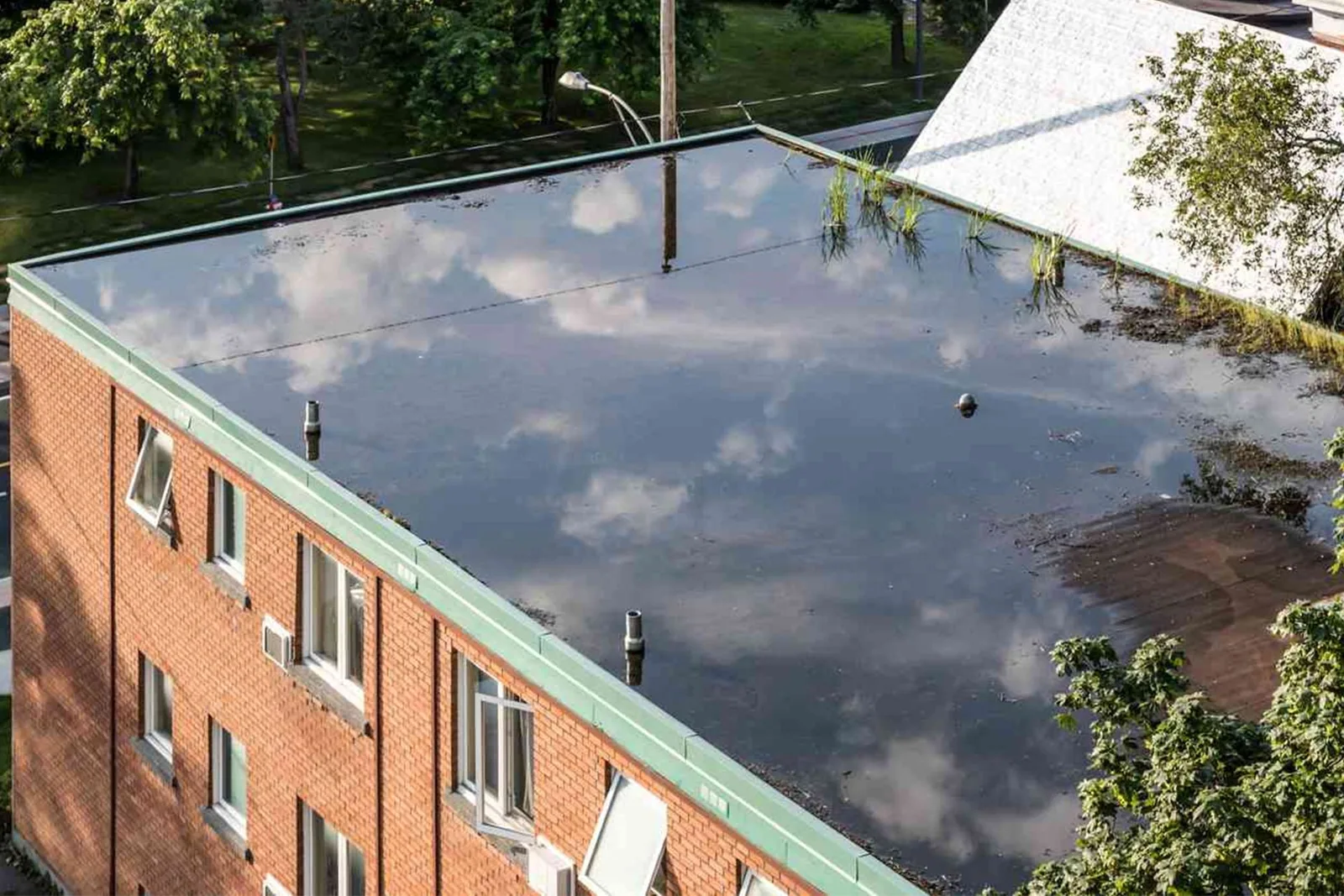
Drainage needs particular attention before a restoration project. We check bowls, strainers, scuppers, overflow routes, low areas, and any standing water. Ponding may reflect a blocked outlet, a damaged drain transition, or a slope issue; those causes carry different remedies. A drainage correction can be scoped before the coating so the finish is not expected to solve a flow problem.
Hurricane Sandy brought coastal flooding to the Massachusetts shoreline in 2012. That regional history makes edge and flashing checks relevant after severe weather, but it does not establish damage at the Lynn Harbor Port Area or any individual building. We inspect the roof before including storm repairs in a restoration proposal.
Compare Restoration with Replacement
Restoration may suit a roof with sound attachment, limited moisture, serviceable drainage, and repairable details. Replacement becomes more appropriate when wet insulation, widespread membrane failure, deck concerns, or incompatible layers make a coating an incomplete answer. A replacement assessment compares the assembly and transitions; a repair visit can address isolated damage while the owner decides on a larger renewal.
Our estimate separates cleaning, preparation, repairs, adhesion testing, coating area, detail reinforcement, access equipment, and any test openings. It also states assumptions about dry-in, weather windows, material cure, and protected areas. Cost and schedule can change if the surface needs more preparation or if previously concealed moisture is confirmed. We note each allowance rather than hide the difference in a single broad line.
For properties with marine or delivery operations, we coordinate staging and roof access before delivery. A Lynn Harbor Port Area project may require a different site contact or material route from a downtown job, but the coating work itself follows the assembly and test results at the building.
Application also depends on a consistent film across field areas and a reinforced build at transitions. We plan separate passes where needed, protect drains and equipment, and confirm cure before the next trade walks the surface. If rain or dew threatens the work window, the crew adjusts the sequence rather than leave an incomplete edge exposed.
Leave a Coating Record by Roof Zone
At closeout, the owner should receive the product and system information, repaired details, adhesion-test locations, coating areas, photographs, and any remaining limitations. We also note the conditions present during application and the sections that were excluded. That record gives the next inspection a baseline for checking film continuity, transitions, and repairs.
Maintenance should revisit the locations that move or collect water: laps, penetrations, terminations, drains, curbs, and perimeter details. A maintenance plan can capture those observations in a dated condition log. If a coating candidate does not pass adhesion or moisture checks, we document the reason and compare the next viable scope rather than applying material to an unsuitable surface.
Send the building use, roof history, previous coatings, known leaks, and access window. We will inspect the assembly, identify where testing is needed, and return a scope that shows whether restoration fits this roof.
Commercial Roofing Questions
When is a commercial roof suitable for coating?
A coating can be considered when the existing assembly is attached, dry enough, compatible, and structurally sound, with details that can be repaired. We verify each condition and record the test locations before proposing the application.
Can a coating stop a leak without repairing the seam?
No. We repair failed seams, flashing, penetrations, and drains with compatible details before coating. The finish is not a substitute for a repair at a moving or open joint.
How do you know if insulation below the roof is wet?
We combine visible condition, leak history, and appropriate moisture testing. An infrared pattern may guide confirmation, while a test opening can be needed to identify concealed layers.
Does coastal storm history mean Lynn roofs need coating?
Regional storm history supports inspecting edges and transitions after severe weather, but it does not diagnose an individual roof. We recommend a coating only after the substrate and details pass review.
What changes the coating project schedule?
Surface preparation, repair quantity, adhesion results, weather, curing conditions, access, and any test opening can affect timing. We list those assumptions in the scope comparison.
Request a Roof Coating Evaluation
Send the building use, existing system records, prior coating information, leak history, and access window. We will test the substrate and document whether restoration fits.
Back to Commercial Roofing Services.