
Commercial Roof Flashing Failure Repair in Lynn, MA
A flashing failure can start where the roof meets a wall, equipment curb, skylight, or pipe, and the first visible water may appear somewhere else inside. In Lynn, MA, a warehouse or cold-storage building at Lynnway Park has different interior and access concerns than retail or event space in Downtown Lynn, but the flashing detail must be inspected at the actual roof. We map the leak report to a roof zone, examine the transition and surrounding membrane, and record whether the opening is local or connected to a longer separation. Downtown Lynn and Saugus are useful area context, not evidence of a particular roof defect.
Commercial Roofing Lynn repairs failed roof flashing at walls, curbs, and penetrations after documenting the water path, assembly, and work boundary.
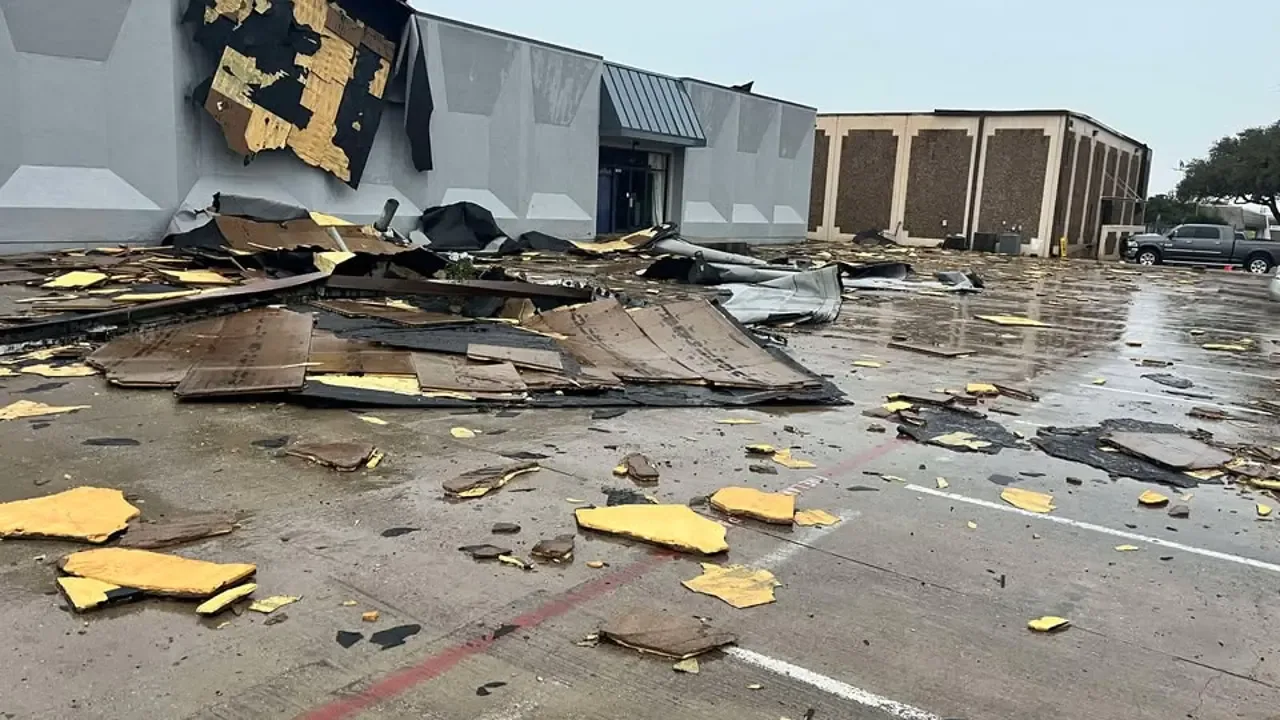
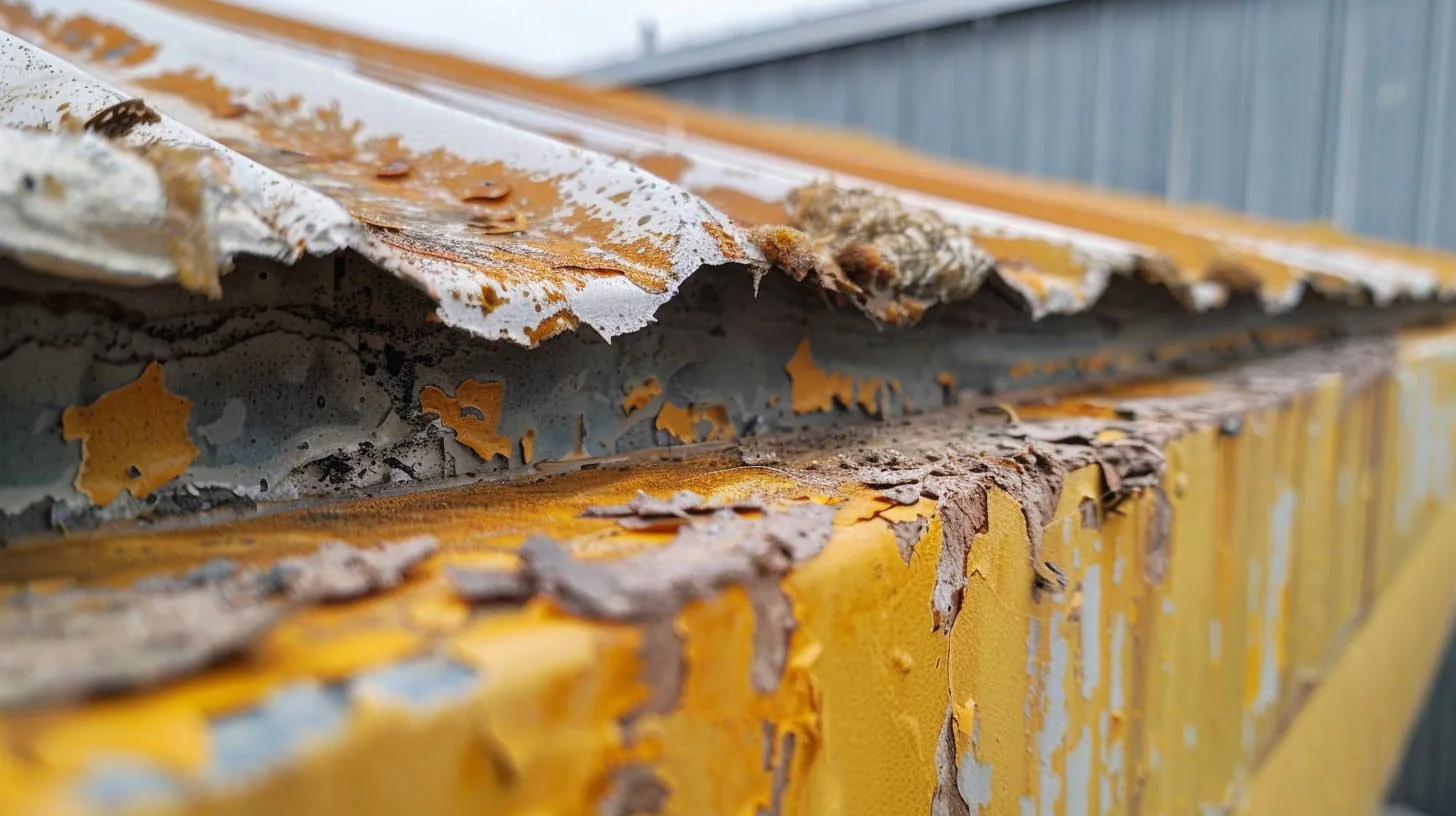
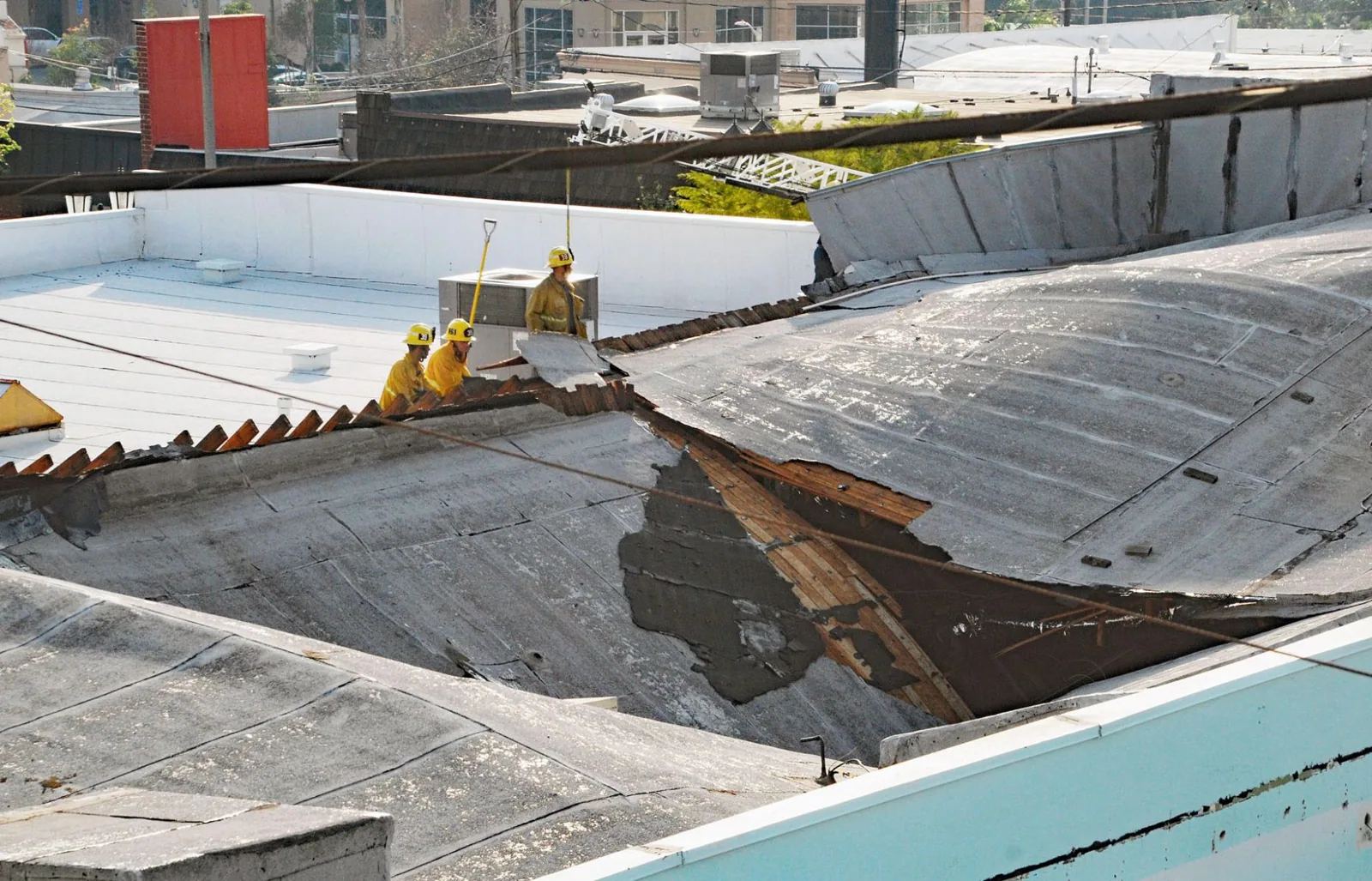
Transition check: find the break in the water barrier
We examine the flashing height, termination, counterflashing, sealant, corners, fasteners, curb face, and the membrane tie-in. A sealant bead can crack because the joint moved or because the underlying flashing no longer remains attached; adding another layer over an unstable edge may only hide the separation. We photograph the complete transition, not just the point where water is visible, and look for related conditions on the adjoining wall or roof field. Skylight and penetration flashing work depends on whether the defect is in the curb, glazing perimeter, pipe boot, or membrane connection.
When the flashing is concealed by a counterflashing or equipment base, we identify what must be opened to inspect the underlying material. A test opening should be placed where it can answer a defined question, such as whether the membrane turns up the curb or whether wet insulation reaches the edge. We note the exposed assembly and the repair limit before proposing how to close it again.
A flashing detail should be checked as a small assembly, not just a bead at the upper edge. The curb face, corner, base flashing, membrane termination, counterflashing, fastener line, and any adjacent cladding each affect how water crosses the joint. We note which part failed and whether the defect appears limited to one corner or continues along the entire perimeter. If the metal is corroded, the curb is unstable, or the substrate cannot hold a termination, those conditions may require a separate trade or a broader repair boundary.
Water path: connect the roof detail to the interior report
The interior report should identify the room, time, recurring pattern, and any effect on equipment or operations. At the roof, we trace outward from the suspected flashing and check seams, fasteners, drains, edges, and previous patches that could route water. Moisture may travel along the deck or insulation before appearing below, so the stain does not define the full extent. A leak investigation can document the path and distinguish a temporary dry-in from the permanent detail repair.
If wet material is possible, we state whether a test opening or moisture survey is needed before measuring removal. An infrared pattern can help select a test location under suitable conditions, but the indication itself does not confirm the assembly is wet. The report should say what was observed and what remains uncertain, then tie each recommendation to a roof-zone photo and a repair boundary the owner can review.
Coastal and winter exposure: review movement at the joint
Lynn's regional conditions include winter cold, snowfall, summer heat, and year-round rain, all of which can expose a weak transition to repeated movement and wetting. Coastal weather adds wind-driven rain concerns around edges and penetrations. Hurricane Sandy produced coastal flooding along Massachusetts' shoreline and strong regional winds; that history supports checking flashing after a major event but cannot identify damage at an individual property. Southern New England thunderstorms can also produce damaging wind and hail, so an inspection should respond to the actual event and observed detail.
At Lynn Harbor, marine-dependent activity remains part of the local industrial setting, while Route 1A Lynnway and Carroll Parkway is a regional travel corridor. Those contexts may affect work access, deliveries, or staging. We confirm the building's access window and the surrounding material before planning a repair. Lynn Harbor's port area provides geographic context without deciding what material belongs at a specific curb.
Repair detail: rebuild the connection to sound material
The repair method depends on the roofing system, flashing material, curb condition, and extent of separation. We remove material as needed to reach a secure tie-in, prepare the substrate, and install a compatible flashing detail with the required termination. If a curb or wall is moving, the repair may need coordination beyond the membrane; if the existing substrate is deteriorated, the scope should name the additional work or leave it as an approval item. Wind damage repair may involve nearby edge securement, while ponding-water work focuses on how water reaches and remains at a transition.
We price a measured boundary, list materials assumed, explain access needs, and note any area not opened or tested. Timing depends on roof access, weather, material compatibility, and whether an occupied area needs protection. A closeout file includes the completed flashing, photographs before and after, remaining conditions, and a follow-up recommendation.
Before installation, we confirm the existing membrane type, surface condition, and compatibility of the proposed flashing materials. A detail should be cleaned and prepared as the system requires, with a secure transition onto sound membrane and a termination that fits the substrate. Applying new sealant across dirt, loose coating, or a moving joint can obscure the condition without resolving it. If the repair requires temporary removal of equipment or cladding, that responsibility and sequence should be identified before the roof is opened.
For a work area above occupied space, we also note interior protection and daily closure. If weather reaches an incomplete curb or wall transition, the owner needs to know what temporary cover is in place and who will check it. The photo record captures the exposed layers before they are closed, giving the next inspector a useful baseline for that roof zone.
Where a flashing meets masonry or cladding, we note whether the termination reaches sound material and keep exterior-wall work separate from the roofing quantity. The closeout photo should show that boundary before the detail is concealed.
Commercial Roofing Questions
Can you seal a flashing leak without removing the existing detail?
Sometimes a surface repair is appropriate, but we first determine whether the flashing remains attached and whether the joint or substrate is moving. The proposal states whether the work is a surface repair or requires opening the detail to rebuild the tie-in and inspect the substrate around it before deciding the repair extent and compatible repair material selection.
Why does water appear far from a curb or wall flashing?
Water can travel through the roof assembly or along a deck before it reaches an interior surface. We inspect the suspected transition and nearby seams, penetrations, and drainage, then describe what evidence supports the likely route and what still needs testing.
What information helps you inspect a recurring flashing leak?
Provide the room or equipment area affected, dates of recurrence, previous repair notes, roof plans, and safe access details. We compare that history with the present flashing condition and keep prior patches visible in the photo record.
When is a test opening needed at a flashing detail?
A test opening helps when the membrane turn-up, concealed substrate, or moisture extent cannot be confirmed from the surface. We state the question it will answer and document the layers exposed before recommending a final repair quantity.
What does the closeout show after flashing is repaired?
It should identify the roof zone, transition repaired, materials used, photos, any work by others, and conditions left outside the agreed boundary. We also note whether a follow-up inspection is needed after rainfall or a later maintenance visit.
Request a Lynn commercial flashing inspection
Send the reported room or roof area, building use, prior repair history, and access contact. We will document the transition and define a repair scope.
Back to Roof Damage Repair.