
Emergency Commercial Roof Repair in Lynn, MA
Water above a cold-storage or food-processing line has an operating consequence as soon as a ceiling or piece of equipment is exposed. We respond around the clock, including nights, weekends, and holidays, to assess the roof, protect the opening, and coordinate access with the site contact. At the Lynn Harbor industrial area, wind and marine activity may affect the route and staging; in Downtown Lynn, tenants and public access can shape the work area. We document the affected roof zone and the temporary dry-in before permanent repairs are priced.
The first visit records what is active, what is wet, and what requires a follow-up inspection. We photograph the suspected entry, nearby seams and flashings, rooftop equipment, and interior impact when access is available. Hurricane Sandy brought coastal flooding and strong winds at Boston and Revere Beach, conditions that can stress roof edges and drainage. We use the event as a reason to check the exposed roof zones and record what the inspection finds. For active water entry, our leak tracing service follows the path before the permanent repair boundary is set.
Get 24/7 commercial roof emergency response in Lynn, with temporary dry-in, mapped exposure, safe access coordination, and a clear permanent-repair plan.
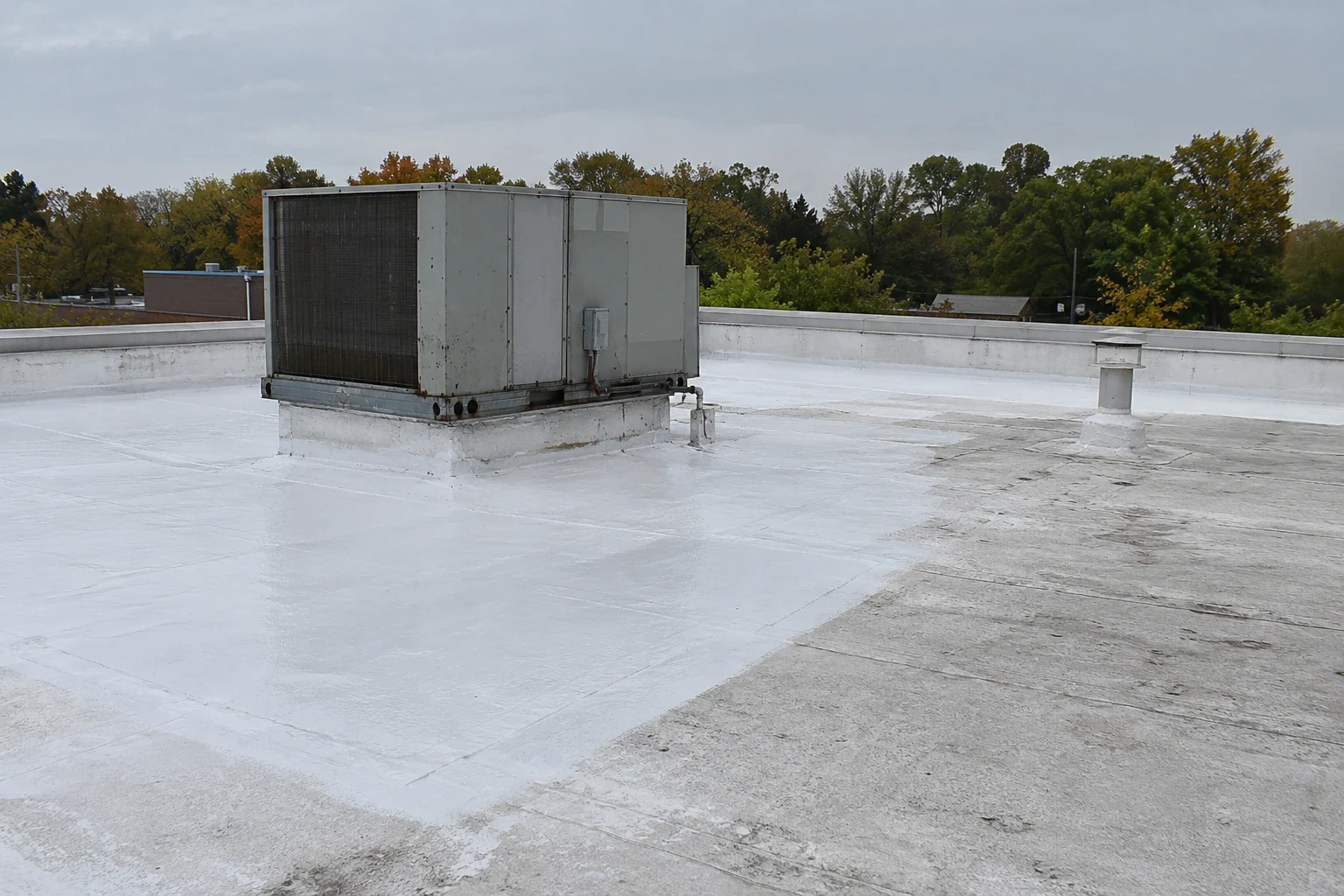
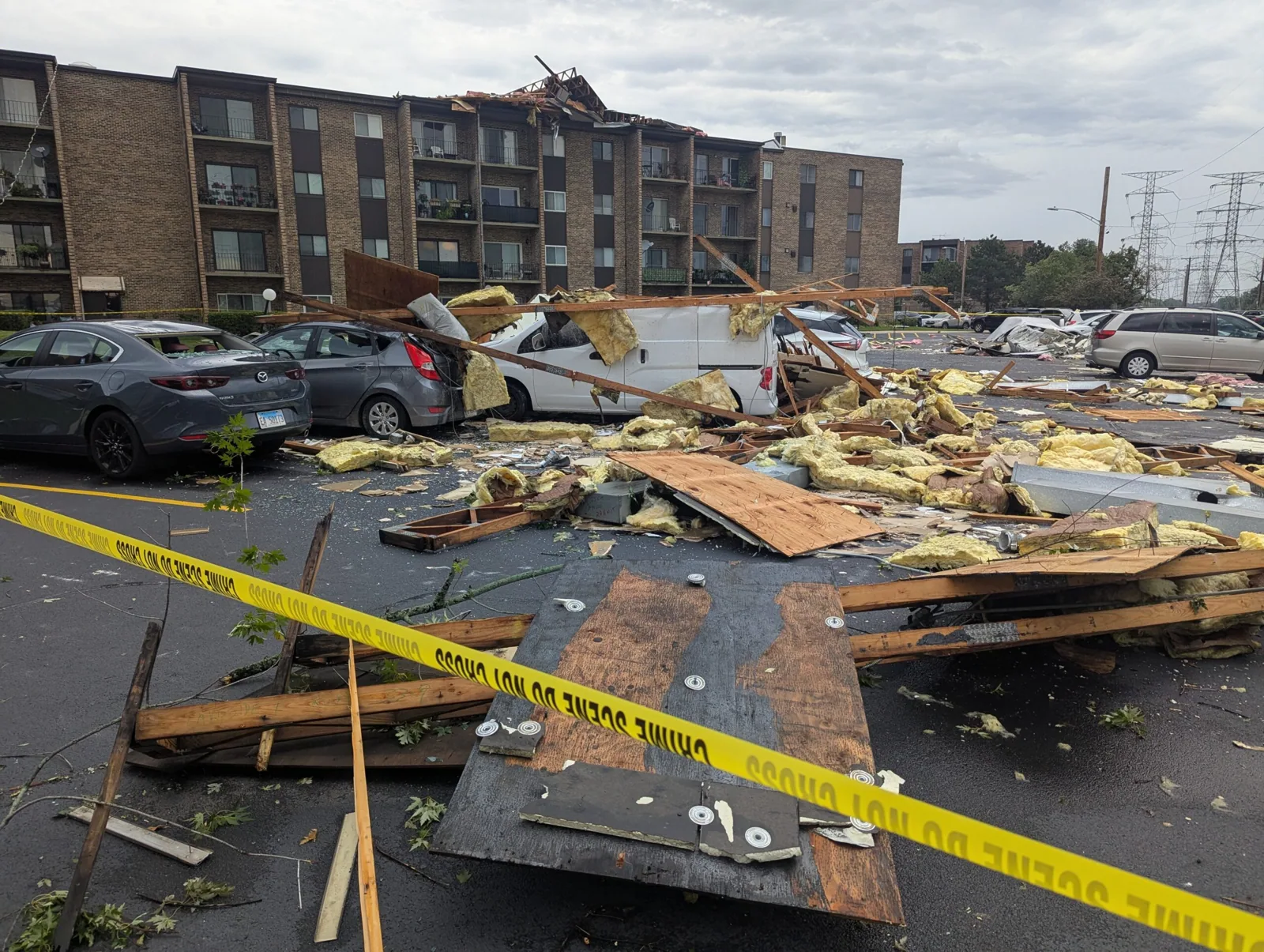
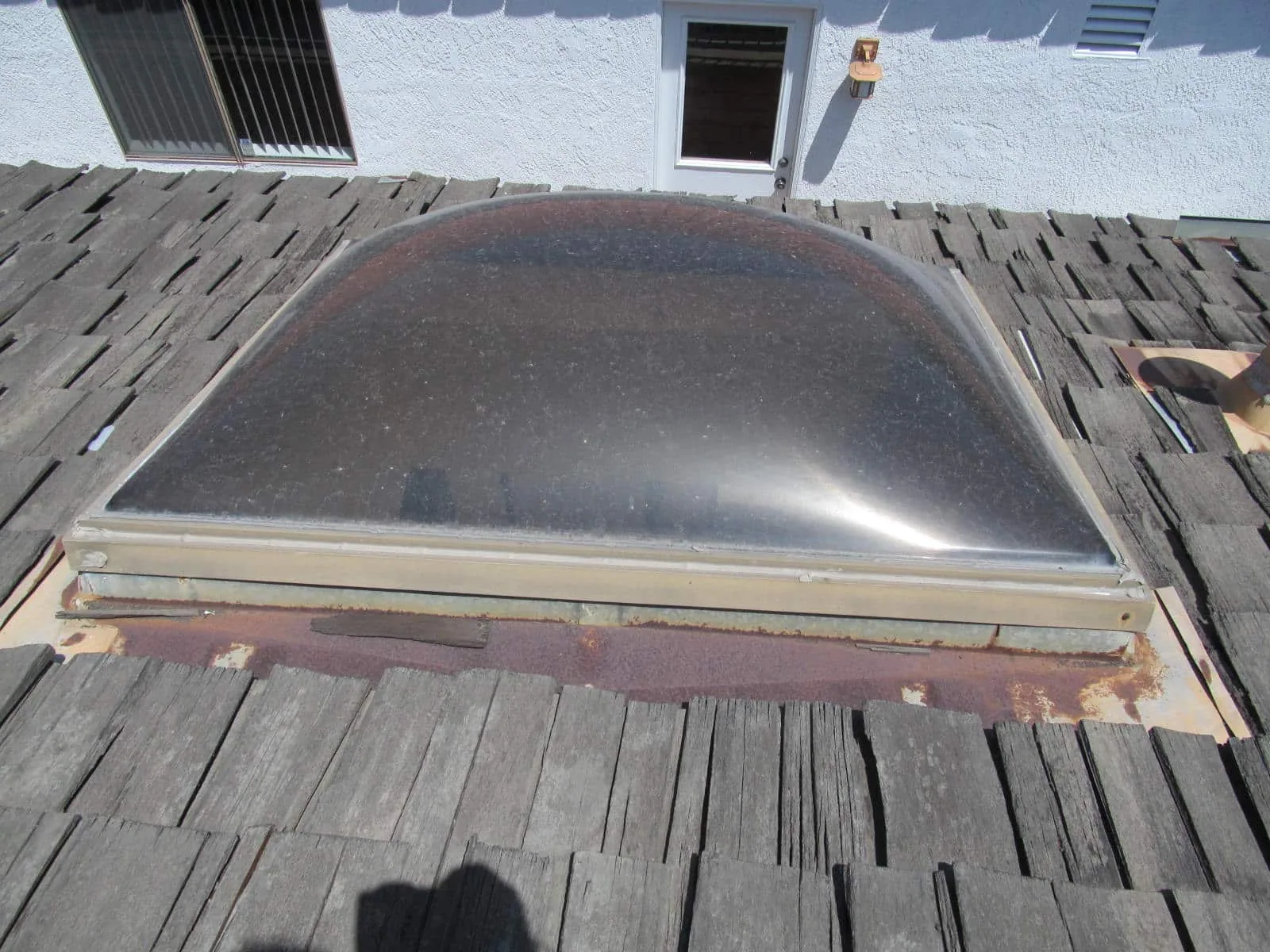
Response priority: protect people and the building
We begin with the condition that presents immediate risk: water near electrical equipment, a loose roof component, a compromised ceiling, or an opening that can admit more rain. The site contact identifies occupied rooms, isolation procedures, and any area that must remain clear. We do not enter unsafe roof zones simply to make a photograph. If wind, lightning, ice, or roof instability prevents safe access, we explain the limitation and coordinate the next step from a safe location. The response note records the time, observed conditions, and actions taken.
Inside, the facility team may need to move stock, protect equipment, or isolate a room while the roof is assessed. Lynnway Park contains food-processing, warehouse, storage, and cold-storage uses, so water near a process or stored product can require rapid coordination. The work plan identifies who can approve access and where temporary protection is allowed. We keep names and personal details out of the roof-zone plan; the building record needs locations and conditions. A follow-up roof inspection can expand the emergency assessment once immediate exposure is controlled.
Temporary dry-in: control the opening
Temporary protection is sized to the opening and the conditions that caused it. A secured tarp or temporary membrane detail may limit water entry until compatible materials, weather, and access support a permanent repair. We record the covered roof zone, attachment method, remaining exposed edges, and the condition that still needs attention. The site contact receives a clear note on whether the measure is temporary and what should trigger a return visit. A temporary cover cannot be described as a completed roof repair when the entry detail remains uncorrected.
Rain or wind can move across an exposed roof quickly, so the team identifies how the work area will be made watertight before leaving. At marine-facing properties in Lynn Harbor, temporary materials and edge protection need secure attachment and a route for inspection. At Salem South Commercial Waterfront, commercial and community uses share a waterfront setting; access must be planned for the actual property. We mark the temporary work on a photo plan and provide the next inspection condition. Permanent commercial roof repair follows once the substrate and surrounding assembly can be evaluated.
Damage assessment: record facts before scope expands
After the immediate opening is protected, we distinguish visible damage from suspected concealed conditions. The record includes membrane punctures, displaced edge metal, separated seams, lifted flashing, blocked drainage, and any soft area that warrants testing. We also note which surfaces could not be reached safely. A storm report or interior stain alone does not establish the roof condition. If a test opening or moisture survey is needed, we identify the location and purpose so the owner can approve a defined step rather than a broad, open-ended investigation.
The North Shore receives significant annual precipitation and snowfall, with cold winter periods and warm summer conditions. Those regional patterns make drainage, freeze-thaw transitions, and summer membrane exposure relevant in Lynn, but emergency recommendations still rely on the actual field findings. Severe thunderstorms in southern New England can bring hail and damaging wind. After such a storm, we inspect edges, penetrations, and any reported impact area. If damage spans several zones, storm damage assessment can organize the repair map and evidence file.
Occupied building: coordinate the work area
Emergency response often happens while people are still working inside. We coordinate where the crew can enter, which rooms need protection, where materials can be staged, and what time window keeps the operation safe. A downtown retail or office property may need a clear pedestrian route, while a cold-storage facility may need active equipment protected from water and debris. The access plan records the site contact and relevant restrictions without making assumptions about the building’s operating procedures. If a shutdown is needed, the owner or facility lead approves it.
For a roof that cannot be left open while the permanent repair is arranged, we identify each exposed boundary and the order for returning to finish the work. A marked plan helps the property team see whether temporary protection covers the entire reported area and what remains outside it. If the building has multiple roof levels, we list them separately so a second issue is not confused with the original leak. Our occupied-building work planning carries the same access discipline into a larger repair or replacement.
Permanent repair and closeout: keep the timeline clear
The permanent scope follows the emergency record. It identifies the failed detail, repair method, material compatibility, affected roof zones, and any test result that changed the boundary. We separate completed dry-in from work still due, then schedule the permanent repair around weather and site access. If inspection finds wet insulation or damaged deck, the owner sees the test location and recommended removal before the area is closed. A repair that reaches beyond the initial opening receives a revised photo record and clear approval point.
A photo-supported condition report includes response notes, before-and-after images, temporary work, permanent material, and any follow-up inspection. At Lynn Harbor or the Lynnway Corridor, that record can also help facility staff coordinate future roof access around marine or regional transport activity. The file ties each repair recommendation to dated photos, roof zones, and test results. To request emergency help, provide the building address, active water location, building use, safe access contact, and any known restriction. Keep staff clear of any unsafe roof until the site lead confirms a route.
Commercial Roofing Questions
What should I report when requesting emergency roof help?
Give us the property address, where water is entering, when it started, the building use, and a safe access contact. Mention any electrical equipment, sensitive stock, occupied rooms, or roof access restrictions near the reported area. Photos from a safe indoor location can help, but no one should climb onto an unsafe roof to take them. We will confirm the next access step and record what is observed.
Can you respond outside normal business hours in Lynn?
Yes. Emergency response is available around the clock, including weekends and holidays. The first visit focuses on safe access, limiting active exposure, and documenting the temporary dry-in. Permanent repairs are scoped after the affected assembly can be inspected and the site schedule is confirmed.
Does a temporary tarp complete the repair?
A tarp or temporary membrane can limit water entry, but it remains a provisional measure until the failed detail is corrected. We record where it is secured, what area it protects, and what still needs inspection. The permanent scope follows the roof findings, material compatibility, and weather window. A return visit confirms the temporary edge and completes the repair.
How do you handle an emergency at a food or cold-storage property?
We coordinate with the facility contact about product, refrigeration equipment, room access, and any area that must remain operating. The roof-zone plan keeps the opening controlled and identifies the interior protection needed below it. Lynnway Park’s food-processing and cold-storage uses make those operating details relevant to the work sequence. We document the access limits before setting the permanent repair schedule.
Request emergency response
Call with the property address, active water location, building use, and a safe access contact. We will assess the roof, limit exposure where conditions allow, and document the next repair step.
Back to Commercial Roofing Services.