
Commercial Roofing for Healthcare Systems in Lynn, MA
A healthcare roof decision has to connect the condition above the ceiling with the room, service, and access route below it. For a system serving Lynn, MA, we begin with the building use, reported area, roof zone, and operating constraints, then document which conditions are visible and which require testing. The scope needs to protect the daily boundary around staff, patients, equipment, and deliveries while leaving enough evidence for facilities and finance teams to review. Hospital roof work begins with that building-specific map, not an assumption that every campus or clinic shares the same assembly.
Commercial Roofing Lynn plans inspections and phased repairs for healthcare properties, with clear work boundaries, access coordination, and closeout records.
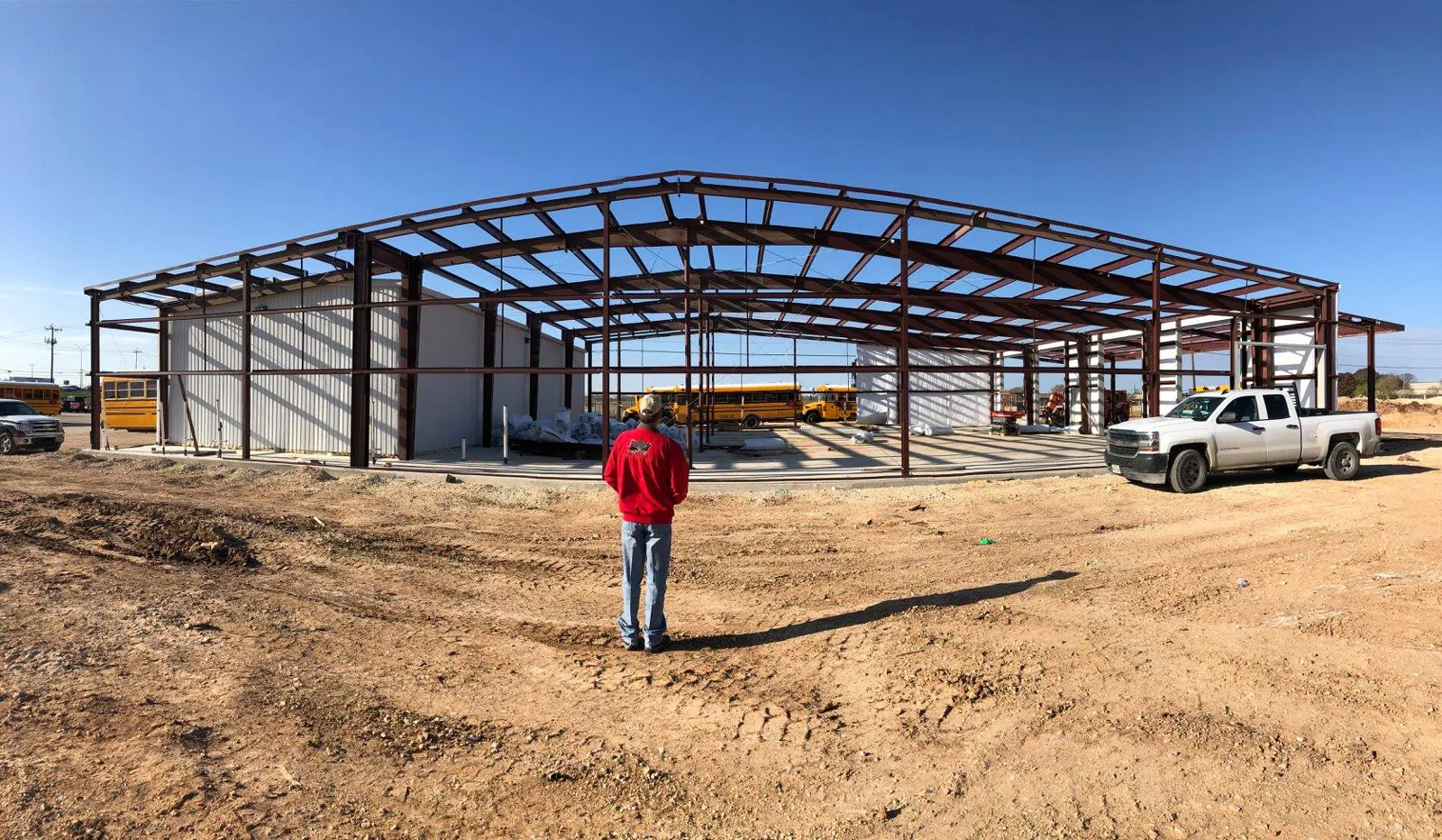
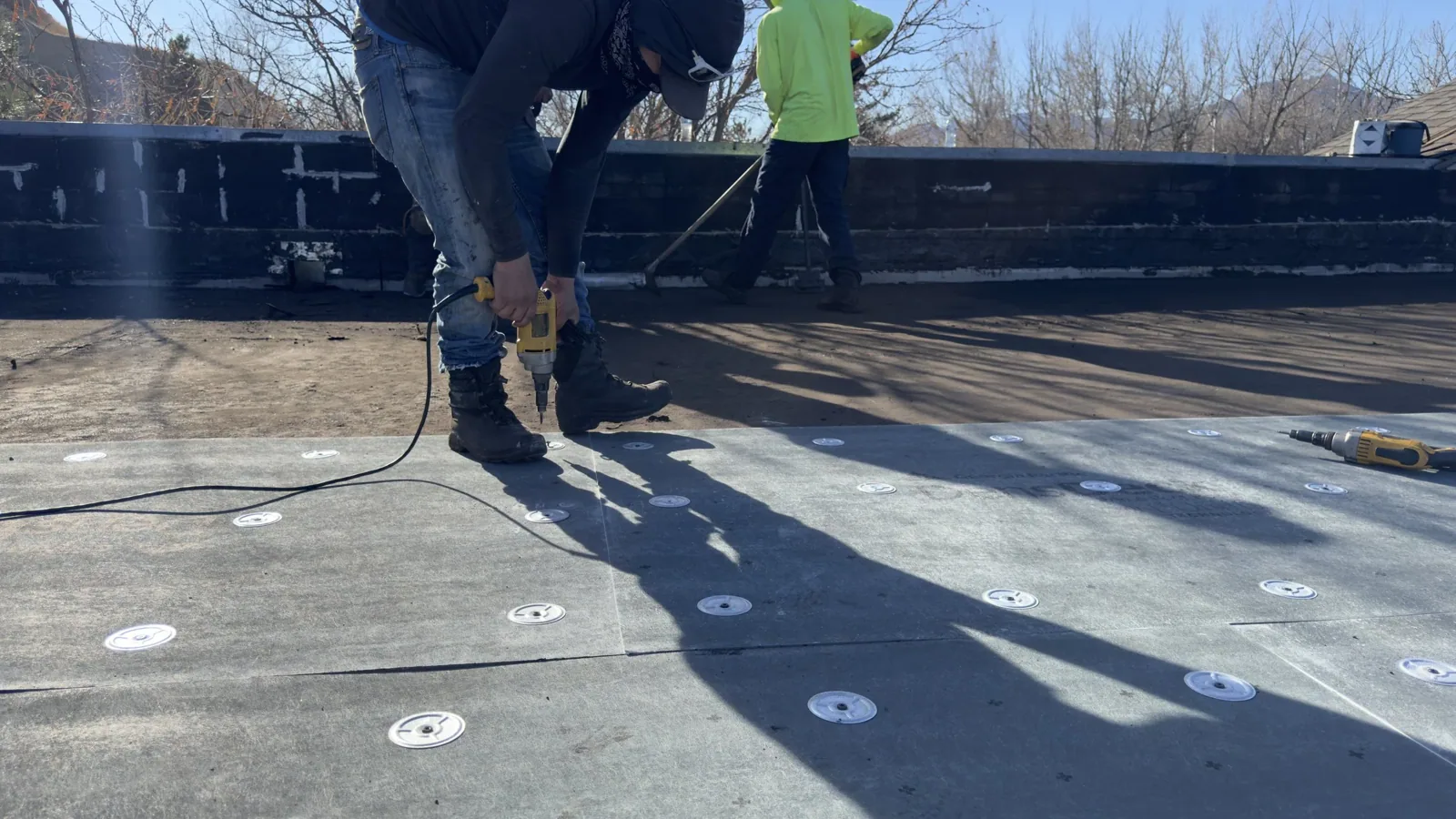
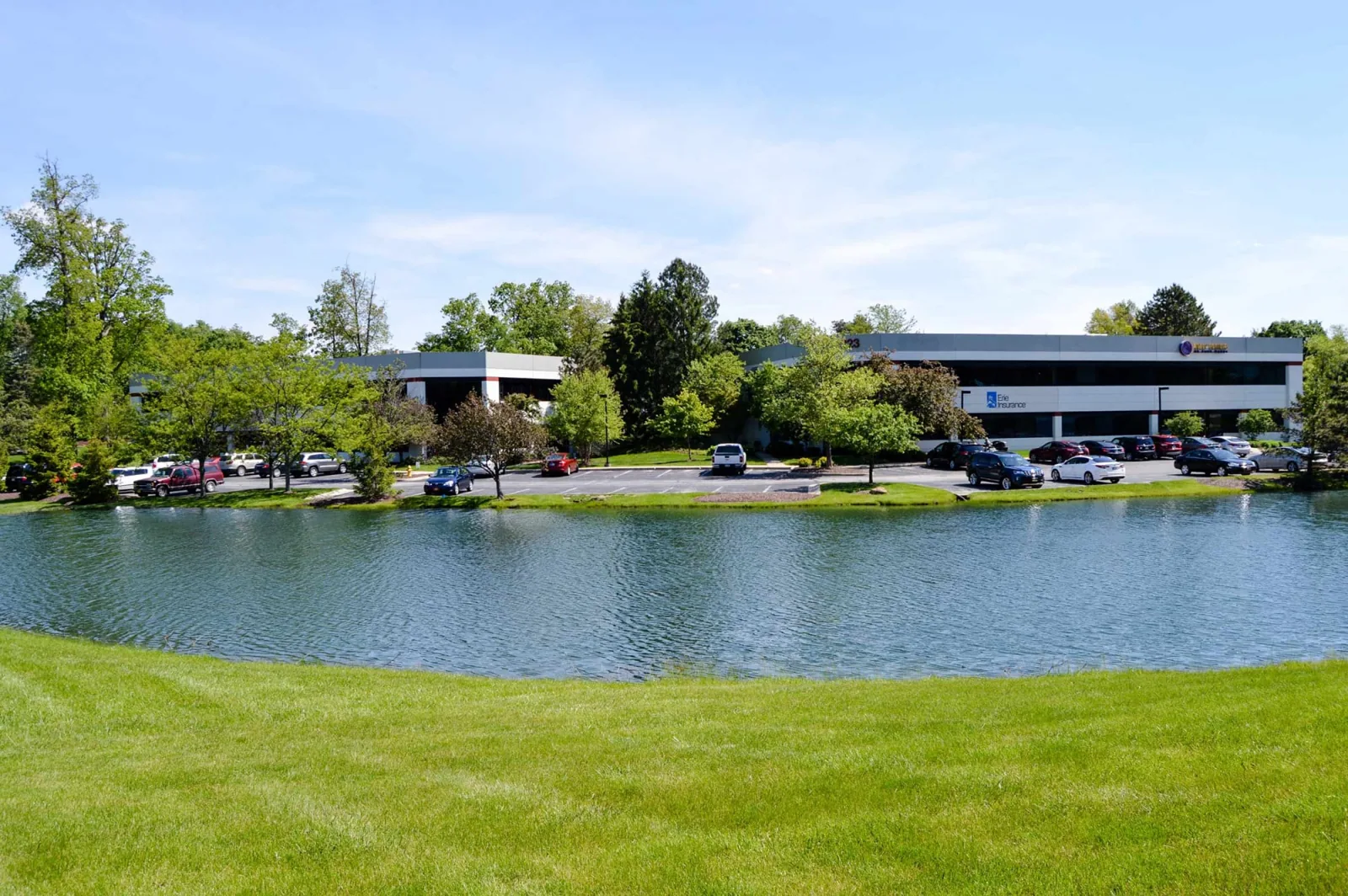
Access plan: protect clinical routes and service windows
Before a roof walk, we confirm who can authorize access, which entries and service paths must remain open, how roof ladders or hatches are controlled, and whether nearby equipment requires coordination. The site contact can identify sensitive rooms and times when noise, odor, vibration, or temporary access changes need special handling. We record those limits with the inspection route so a repair estimate does not assume a clear path that the building cannot provide. Occupied-building roof sequencing can divide work into daily sections, each with a stated dry-in point and a closeout check before access is returned.
Healthcare and research activity is part of the wider North Shore economy. Nearby Beverly's Cummings Center and Route 62 is an employment location with about 5,000 workers across health, research, engineering, and professional activity. That profile helps explain why access coordination matters in the region; it does not establish a particular Lynn property use, roof type, or tenant. We confirm the actual facility rules with the owner and record any schedule dependency before the work plan is set.
Before pricing, the site team can flag generator exhausts, medical gas equipment, mechanical intakes, and routes used for deliveries or emergency response. We do not assume those constraints from a building label; the facilities representative identifies them during access planning. The roof scope then states how material is staged, which sections remain under protection, and who receives notice if a concealed condition changes the planned work. A clear daily sequence gives the operator a practical checkpoint before a roof zone is opened again.
Finding record: connect the symptom to a roof zone
When a ceiling report arrives from an occupied care area, we log the room, time, weather, and any effect on service, then trace the report to roof details that could admit water. A stain can be offset from the entry point, and water may travel along a deck, insulation joint, or structural member before it becomes visible. We inspect seams, curbs, penetrations, flashings, edge conditions, and drainage around the mapped area. If the condition is concealed, we label the limit and propose an appropriate test opening or moisture survey rather than write an unconfirmed extent into a repair quantity.
A dated photo record should show the roof surface, reference point, and affected zone; the owner can then compare that view with interior reports and prior repairs. Leak repair investigation separates temporary protection from the permanent repair boundary, and a written condition report preserves what was observed for facilities, risk, and capital reviewers. Each recommendation should identify a next action, responsible contact, and whether the area needs monitoring after work.
Regional exposure: review drainage, edges, and winter response
Nearby Boston Logan climate normals include warm July days, cold January nights, year-round precipitation, and measurable snowfall. For roof maintenance in Lynn, that regional pattern makes outlet function, flashing transitions, perimeter attachment, and freeze-thaw movement sensible items to inspect. It does not establish that a particular facility has storm damage. After a severe weather report, we compare its timing with interior symptoms and roof findings, then keep unrelated maintenance items separate from any event-specific repair recommendation.
Lynn sits on a coastal harbor, and Hurricane Sandy brought coastal flooding along Massachusetts' shoreline with strong recorded winds in the region. The history supports a careful review of perimeter details and wind-driven rain paths after severe coastal weather, but the roof condition must be evaluated at the property. We can record the condition of coping, edge metal, penetrations, drains, and temporary protection without extending the conclusion beyond what the inspection supports. Wind damage assessment is most useful when photographs, event timing, and the current assembly description stay connected.
Project boundary: compare short-term repair with phased renewal
A healthcare owner may need an immediate repair, a temporary dry-in, or a larger project divided around operational windows. We identify the roof areas in the estimate, the materials assumed, expected access needs, any temporary protection, and conditions outside the approved work boundary. If testing changes the measured area, the revised scope should state why. Claim documentation can keep event evidence and repair work distinct, while capital planning can put confirmed deficiencies into a sequence based on condition and operational impact.
A healthcare owner should route the proposed roofing alteration through its design professional and local reviewer, who determine applicable building and energy provisions. The state references 780 CMR's 10th Edition, 2021 IECC, and ASHRAE 90.1-2019 for commercial work. We provide the assembly description, affected zones, and extent of work for that review. The closeout file should include final photos, repaired zones, materials, remaining observations, and a follow-up date, giving the next facilities review a useful comparison point.
When a system owns multiple buildings, a common inspection format helps the facilities lead compare urgency without flattening the differences between clinics, offices, and treatment spaces. A portfolio coordinator can maintain each assembly record, while the building contact supplies access limits and operating priorities for that location. Property management teams may use a similar site-by-site approach for nonclinical assets, and public agency facilities staff can benefit from dated findings that remain easy to reconcile during budget review. The report should still identify the exact facility and roof zones rather than combine unrelated observations.
Commercial Roofing Questions
How do you inspect above an active care area?
We coordinate entry, roof access, work windows, and any sensitive operating areas with the facility contact, then document the reported zone and condition separately from areas that were not accessible. If a test opening or disruptive step is needed, we identify its purpose and proposed timing before proceeding.
Can you phase repairs so clinical services remain available?
The sequence can be divided by roof zone and access window, with a daily dry-in target and a clear boundary for each phase. The final plan depends on the roof assembly, weather, staging, and the facility’s own operating constraints, which we confirm before setting the work calendar.
What should a facilities team include in a leak report?
Include the room or area affected, when water was first seen, whether it recurred, recent weather, and any equipment or service impact. We use that history to guide the roof walk, then keep the interior report and roof-level finding linked without assuming they occur at the same location.
Can a roof condition report help with capital approval?
Yes. A useful report gives the affected zone, photographs, observed assembly, repair boundary, unresolved questions, and alternatives. We can separate confirmed repair from a proposed test or larger renewal so reviewers see what the current approval would address.
How do you handle a roof opening discovered during work?
We protect the exposed area with a controlled dry-in, document the condition and limits, and contact the designated owner representative if the discovery changes the approved scope. The closeout records the completed work and any separate follow-up recommendation.
Plan a healthcare roof walk in Lynn
Share the building use, reported area, facility access contact, sensitive operating windows, and available roof records. We will map findings and outline a workable scope.
Back to Industries We Serve.