
Commercial Roof Capital Planning in Lynn, MA
Capital planning begins with a decision, not a roof-age spreadsheet. A Lynn owner may have one roof with an active leak, another with broad surface wear, and a third that has not been inspected recently. We organize the evidence so the owner can compare an immediate repair, a planned renewal, and a replacement allowance without treating all three buildings as equally urgent. Each option states the observed condition, what remains unknown, the expected work boundary, and the access or operating constraints that can change cost. The result supports budgeting and scheduling; it does not predict an exact service life or replace project design where required. Condition reports provide the dated findings that make the comparison useful.
Compare roof repair, phased renewal, and replacement budgets in Lynn using dated conditions, test findings, access needs, and clear scope assumptions.
Budget basis: separate confirmed work from planning allowances
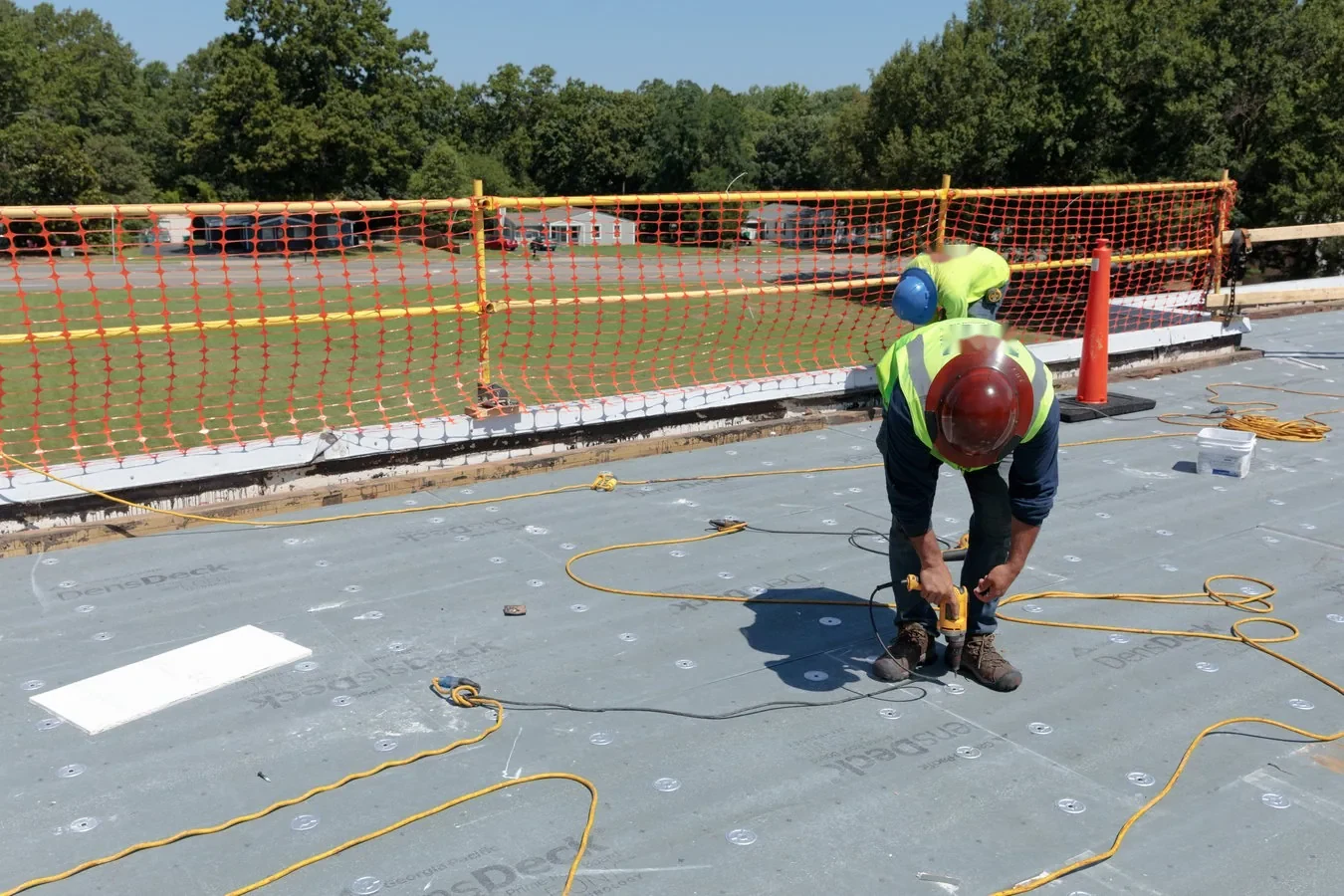
A scope comparison should identify repair quantities that have been observed, areas that need a test opening, and allowances carried because the concealed assembly is not yet known. We record mobilization, access, protection, removal, temporary dry-in, disposal, replacement materials, and closeout requirements as distinct cost drivers. Where an owner is evaluating several buildings, those assumptions need to remain attached to the correct roof. Roof asset management can keep property identifiers and repair history consistent, while replacement planning can define the scope for a specific building.
Saugus has economic-development areas at Saugus Center and Route 1. That planning context can inform a property decision, but it does not establish a building’s use, assembly, or roof condition. We ask the owner which rooms, equipment, or production windows require protection before setting a phasing allowance. Near the Lynn Harbor port area, marine-dependent commercial and industrial activity may also affect delivery coordination. The project estimate should reflect confirmed site constraints rather than assume that every waterfront property has the same access. We list owner-provided information separately from items that still need field confirmation before approval.
Timing: rank risk without inventing a replacement date
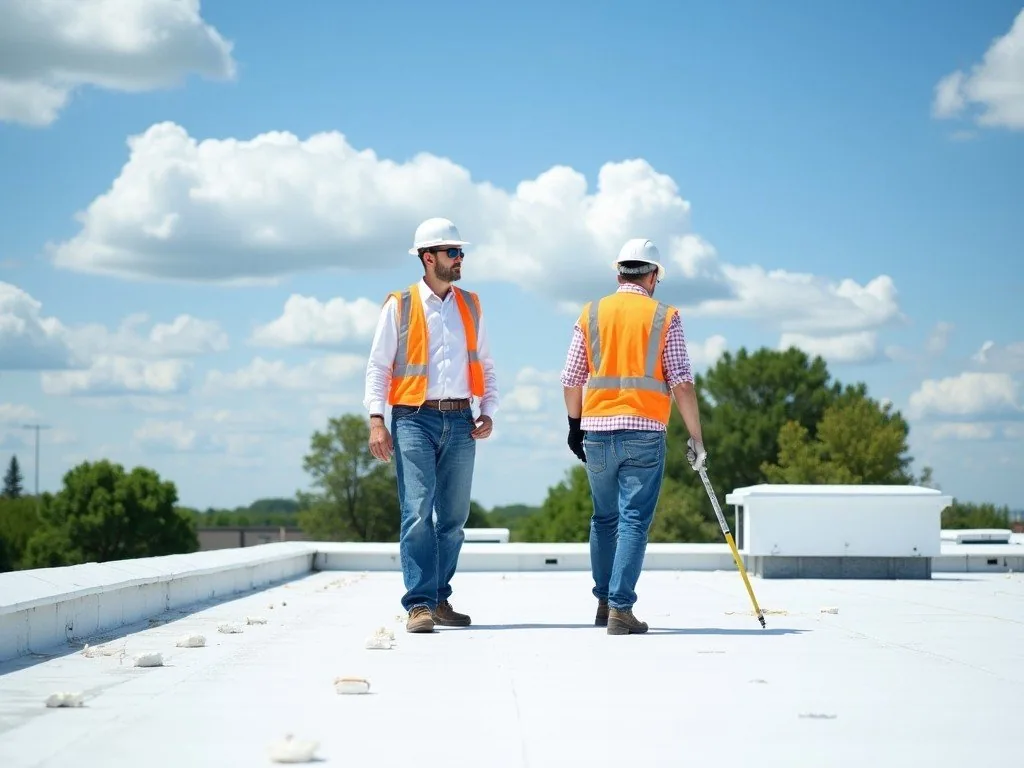
We distinguish work that controls active water entry from work that can be scheduled after investigation. A localized flashing repair with sound surrounding membrane may belong in the near-term maintenance budget. A roof with repeated openings, widespread wet insulation, or failing edge conditions may require a broader comparison. If the available evidence is not enough to choose, the budget can carry a defined investigation step rather than an arbitrary replacement year. A moisture survey may help identify test locations when conditions are appropriate, but concealed conditions should be confirmed before final quantities are set.
Nearby Boston Logan records 48.2 inches of snowfall each year and 44.52 inches of precipitation. For a Lynn owner, those separate totals help frame drainage upkeep, winter access, and interim dry-in as planning items; the field assessment establishes which costs belong in the building’s scope. The timing model should include the owner’s next budget cycle, tenant commitments, warranty requirements, and procurement lead time. If a project cannot be completed in the preferred season, the interim plan should state what temporary protection or monitoring is needed and when the owner should revisit the decision.
Where a roof serves temperature-sensitive storage or production, planning should also identify acceptable shutdown windows and temporary conditions inside the building. A repair that protects the membrane but interrupts a critical operation may need a different sequence. We document those owner-defined constraints before comparing calendar options. Those constraints belong in the budget notes for later review.
Options: compare repair, phase, and replacement on equal terms
For each viable option, we list the area covered, surface preparation, system assumptions, work sequence, interior protection, exclusions, and the conditions that would trigger a change order or a new decision. A phased project can reduce disruption, but only when the phase boundaries are technically coherent and the exposed edges can be protected. A coating or recover option is not a low-cost substitute if moisture, adhesion, or existing layers make that approach unsuitable. Coating restoration and recover work need their own eligibility checks before they enter the comparison.
We show how each choice affects future inspections and record keeping. A focused repair may defer a larger project, but it should not be presented as eliminating later capital needs. Replacement may bring a longer planning horizon, while also requiring more intensive access, staging, and temporary dry-in. When the owner is managing an occupied property in Downtown Lynn, scheduled events and customer access may affect sequencing; the cultural district’s retail, galleries, restaurants, public art, and events are area context, not a claim about any particular building’s calendar.
Budget handoff: make the next approval specific
A planning package should leave the owner with an approval-ready next step. We can identify a roof walk, records request, test opening, or bid-level scope as the next action and describe what it will resolve. For a multi-property portfolio, we can separate near-term repairs, investigation allowances, and future renewal planning so that an immediate leak does not erase other building needs. Multi-site coordination can help align access and procurement while preserving separate scopes and roof records.
After work, the closeout file should return dated photos, boundaries, materials, unresolved areas, and the follow-up interval to the planning record. Owners can then compare actual findings and costs with the original allowance before approving the next property. We flag unknowns plainly, keep warranty and access documents with the relevant building, and avoid claiming that an estimate fixes the entire future cost curve. This gives finance, property, and facilities teams a consistent basis for deciding whether to repair now, investigate, or prepare a broader capital request.
When an owner compares proposals, we can align the assumptions before reviewing totals: roof area, demolition depth, insulation replacement, edge work, interior protection, access, and cleanup. If one option omits a test opening or temporary dry-in, its lower figure may not represent the same project. We note those differences in plain terms and identify whether a contractor or owner must provide each item. A consistent comparison helps the approval team see which price reflects a confirmed scope and which includes a planning allowance.
Commercial Roofing Questions
How do you prioritize roofs in a capital budget?
We rank documented conditions by urgency and consequence, then separate active repairs, needed investigation, and planned renewal. Building use, access, warranty duties, and the owner’s budget calendar influence timing, while unconfirmed conditions stay labeled as assumptions.
Can you estimate a replacement year from the roof age?
Age alone is not enough to set a reliable year. We compare assembly information, inspection history, moisture evidence, repairs, and current exposure, then state what should be checked before a replacement allowance becomes a project scope.
Should we budget for repair or full replacement?
That depends on the extent of the defect and the condition of adjacent areas. We can compare a defined local repair with broader renewal options and explain which findings, such as wet insulation or repeated failures, would change the recommendation.
How should we handle unknown conditions in an early budget?
Use a visible investigation or allowance line tied to a specific uncertainty. A test opening, access review, or record search can reduce the range before bid documents are finalized; it is safer than quietly assuming concealed layers are sound.
What should a roof capital plan include after work is complete?
Add closeout photos, materials, repair limits, exclusions, warranties, and the next inspection window to the property record. That lets the owner compare later findings with the decision and budget basis used for the completed project.
Build a Lynn roof capital comparison
Share your budget cycle, affected buildings, current roof records, and any urgent leaks. We can document conditions and outline the next investigation or scope decision.
Back to Roofing Capabilities.