
Commercial Roof Asset Management in Lynn, MA
A portfolio roof register is useful only when a property manager can connect a dated finding to a building, roof zone, and decision. For Lynn owners with warehouse, food-processing, retail, or mixed-use properties, a single list of roof ages can hide different assemblies and operating limits. We document what is visible, what remains unconfirmed, which repairs were completed, and what should be checked next. Warehouse roofs and office properties may share an owner but rarely share the same access plan or exposure history. The goal is a usable condition log, not a promise that every roof can be forecast to an exact replacement year.
Build a practical Lynn roof asset record with condition history, mapped roof zones, access needs, and repair priorities for every managed building.
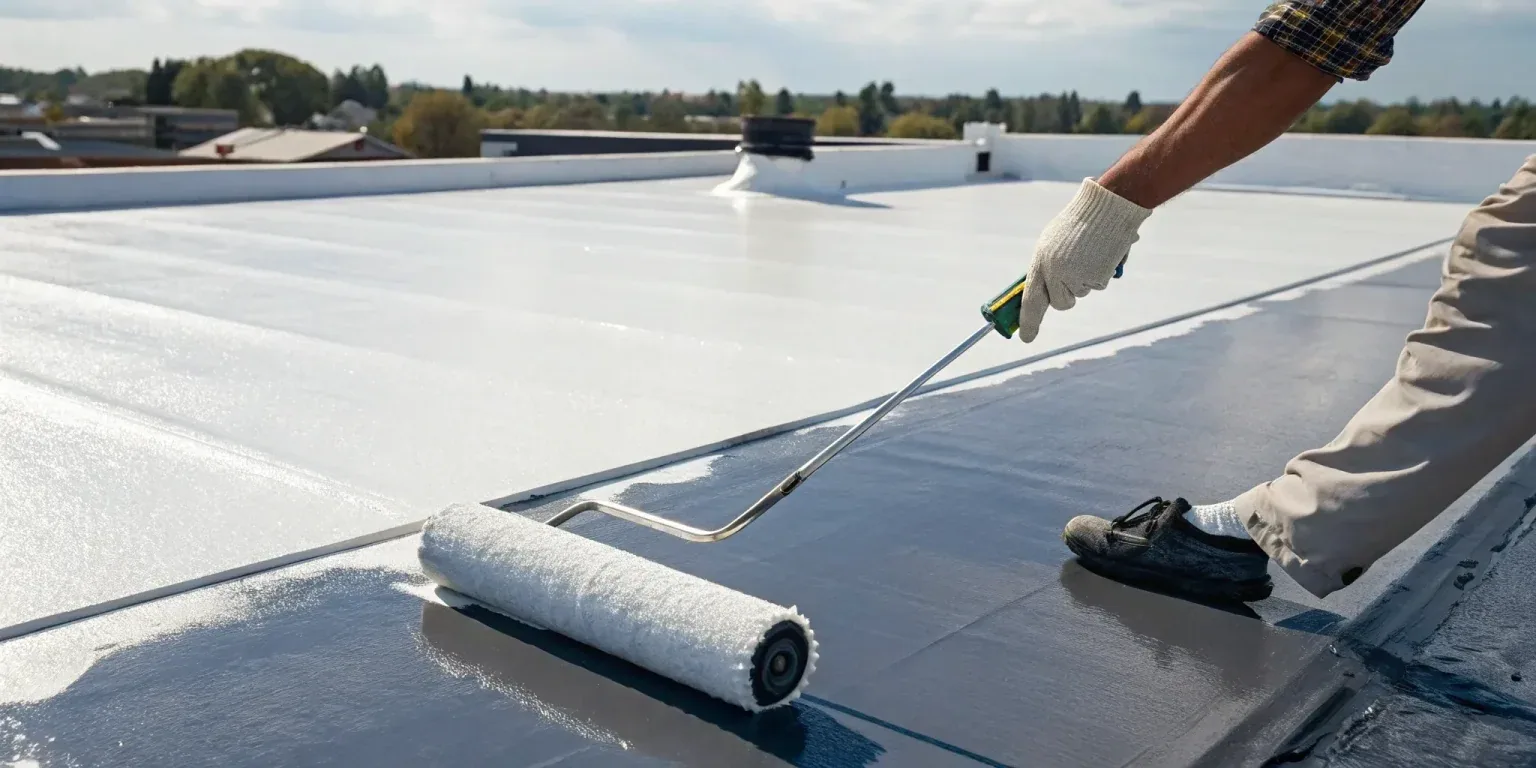
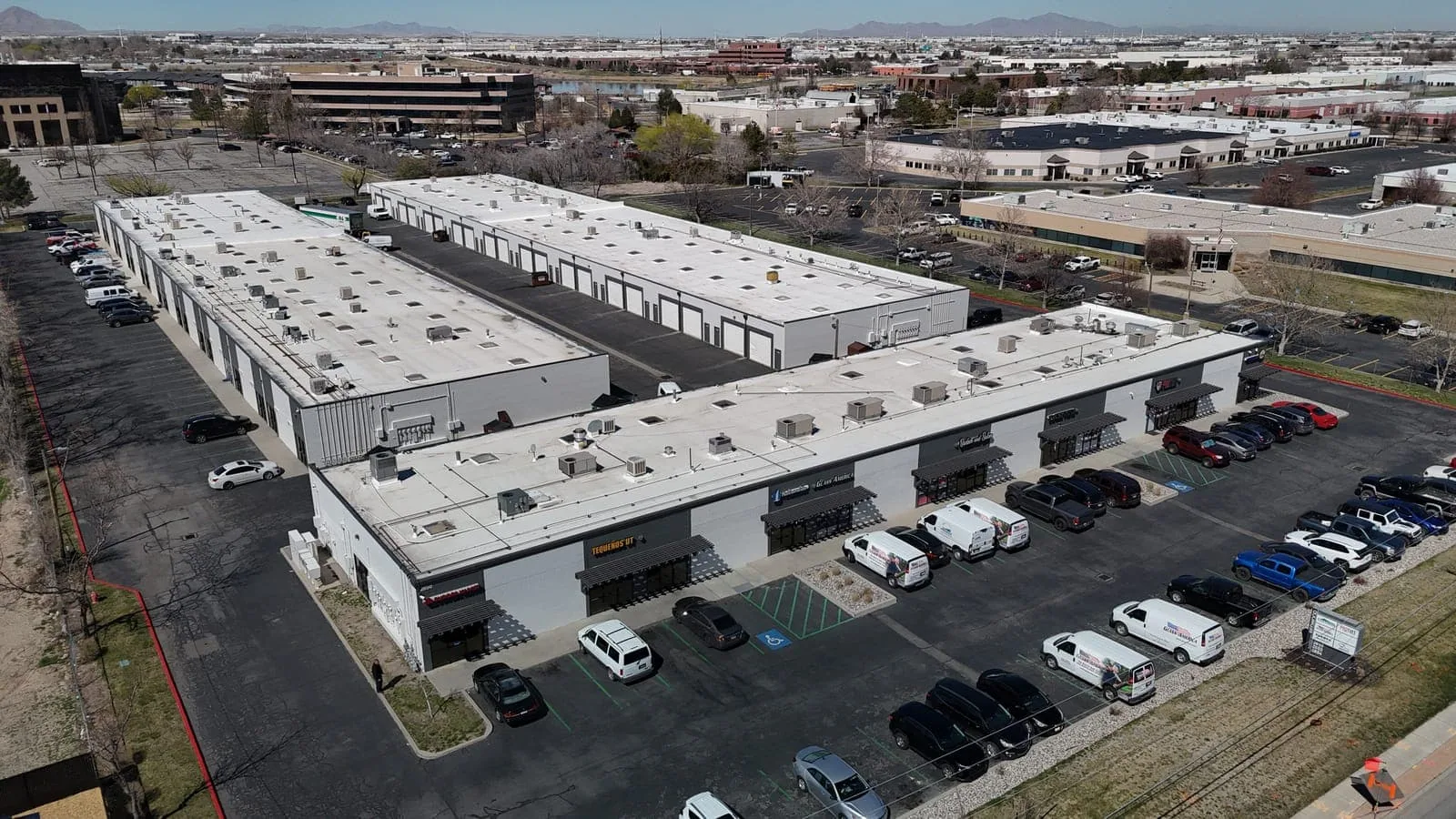
Portfolio record: identify each building before ranking it
We begin with an asset identifier that the owner already recognizes, the address supplied for the property, the building use, the roof area or section name, and the people who can authorize access. The working file can track system information when known, installation or repair dates supported by records, warranty status, prior leaks, equipment changes, and open questions. When drawings or invoices are missing, we label those fields as unknown rather than filling gaps from neighboring buildings. A multi-site roof program can use the same field definitions across a portfolio while allowing each property's own conditions to remain distinct.
At Lynnway Park, warehouse, food-processing, storage, cold-storage, and light-industrial uses make operating windows and access constraints useful portfolio fields. We confirm the building and its contact before adding a roof observation to the register. At the Lynn Harbor port area, marine-dependent operations likewise make staging and delivery coordination relevant to a roof visit, but each facility's conditions need separate inspection.
Condition history: preserve the difference between observation and assumption
Each inspection entry should identify when the roof was reviewed, who attended, which zones were accessible, and whether conditions limited the visit. Photos should carry a date and roof-zone reference, with a short description of the visible item: open lap, displaced edge metal, blocked drain, punctured membrane, deteriorated flashing, or a prior patch. If a ceiling stain was reported but no active entry path was found, the register records that distinction. An unresolved moisture question stays open until a test opening or other suitable method provides an answer.
Written condition reports provide the supporting record for a portfolio entry, while infrared moisture review may help identify areas for confirmatory testing under appropriate conditions. We do not treat a scan, a photo, or a maintenance note as proof of concealed damage by itself. Owners can compare later visits against the same roof zones and see whether a finding is stable, changing, repaired, or still awaiting access. That history is more reliable than a vague label such as “fair” without a dated basis.
We keep repeated observations comparable by using the same roof-zone names and photo viewpoints where practical. If the owner changes those labels, the record should preserve a cross-reference so an earlier repair does not appear to belong to a different area. That continuity helps owners compare trends reliably.
Priority method: sort work by exposure, consequence, and evidence
Prioritization starts with the condition and its possible consequence for the building. Active water entry near sensitive operations may need immediate attention; a loose perimeter detail may call for prompt review before severe weather; broad surface aging without a confirmed opening may be monitored or evaluated for a planned project. We note the evidence supporting each category and the next step that would change the ranking. This method allows an owner to compare urgent stabilization, a defined repair, and a larger renewal scope without implying that a ranking is an engineering certification.
Across Lynn, summer heat and winter cold put drainage, edge details, seams, and planned repair timing on the portfolio review list. The Route 1A Lynnway and Carroll Parkway corridor supports regional movement across several travel modes, so an access record can also help owners coordinate deliveries and site activity during work. We keep weather context and observed roof conditions in separate fields.
Owners can define a review cadence around the decision calendar instead of waiting for a leak to trigger a site visit. A spring review may capture winter movement and drainage concerns; a later-season check can confirm whether completed work remains stable. The register can also flag a roof whose warranty requires specific maintenance documentation or whose access needs advance tenant coordination. We record the reason for each scheduled review so that a new property manager understands why a particular roof is on the list. If a roof is inaccessible during one visit, the limitation and rescheduling need remain visible rather than disappearing from the portfolio summary.
Owner use: turn the record into a work plan
A useful asset file tells the owner what to do next, who needs to participate, and what information remains missing. Each priority should have a recommended action, a reasonable review window, a budget category if available, and a note describing assumptions. A test opening may be required before quantities are final. Access can depend on tenant schedules, lift or ladder placement, interior protection, and safe routes across the property. For Downtown Lynn's mix of retail, galleries, restaurants, public art, and events, managers may need to coordinate work around customer access or scheduled activity; that district context is not evidence about a specific roof. For roofs with recurring drainage findings, keep the outlet location, cleanup date, and next inspection window together so a manager can see whether maintenance changed the condition.
Completed work should return to the same record with a closeout file: before-and-after photos, repair boundaries, materials installed, areas not opened, warranty documents if applicable, and a follow-up inspection recommendation. A later manager can then understand why a repair was selected and what remains outside its scope. Capital planning can use that evidence to compare annual maintenance with phased replacement needs. The portfolio register remains practical when updates are tied to owner decisions rather than annual recopying of stale roof-age assumptions.
For an owner reviewing several buildings, a comparison column can track active water entry, open repairs, known assembly, and the next inspection date. Keep each inaccessible roof zone visible in the record, so a high priority does not look like a fully measured scope.
Commercial Roofing Questions
What information belongs in a commercial roof asset register?
Start with the building and roof-zone identifiers, known system and installation details, dated inspections, photos, repairs, warranty records, access limitations, and unresolved questions. We label unsupported fields as unknown so the owner can distinguish verified history from an assumption.
Can roof asset management predict an exact replacement year?
No record can set an exact date from age alone. A useful plan connects observed condition, repair history, moisture findings, exposure, and operating needs, then updates the timing as new evidence becomes available.
How often should our portfolio roofs be inspected?
The interval depends on the roof assembly, prior findings, warranty obligations, occupancy, and weather exposure. We can recommend a follow-up window based on the current condition log and adjust it when repairs, storms, or a building change alter the risk.
How do you track roofs when drawings or maintenance records are missing?
We inspect accessible areas, photograph roof zones, identify what can be confirmed, and leave unknown system or age fields open. A test opening or records review can resolve selected questions before a budget or replacement scope is finalized.
Can one register cover industrial and retail properties?
Yes, if the record uses consistent core fields and still allows building-specific notes. Operating windows, access, interior sensitivity, and roof construction stay separate for each property rather than being inferred from its neighbor.
Review your Lynn roof portfolio
Share the buildings to include, known roof records, operating contacts, and any active leak or repair priorities. We can begin with a roof walk and a photo-supported condition log.
Back to Roofing Capabilities.