
Manufacturing Plant Roofing in Lynn, MA
A manufacturing roof must be inspected in relation to the process below it. Lynn Harbor preserves marine-dependent activity that includes manufacturing and processing, while Saugus identifies Route 1 and Saugus Center as commercial-development areas; Lynnway Park includes food-processing, warehouse, storage, and light-industrial activity. At either kind of property, the roof file should identify exhausts, pipe racks, equipment supports, drains, and the production zone beneath each finding. We mark the boundary of observed damage, document what remains concealed, and coordinate the walk around the plant's access rules. A dated record keeps the repair decision separate from the schedule pressure of a production line.
North Shore industrial activity also reaches Cherry Hill Industrial Park in Beverly and Salem's industrial port area. Each setting has distinct access and operating needs, which we confirm with the facility contact before setting the work sequence. We confirm the specific building use, operating contacts, roof assembly, and areas that cannot be interrupted before recommending testing or repair. The plant team can then review a condition log based on what was observed at its property.
Review manufacturing roofs in Lynn with production-aware access, mapped penetrations, and repair boundaries tied to documented assembly conditions.
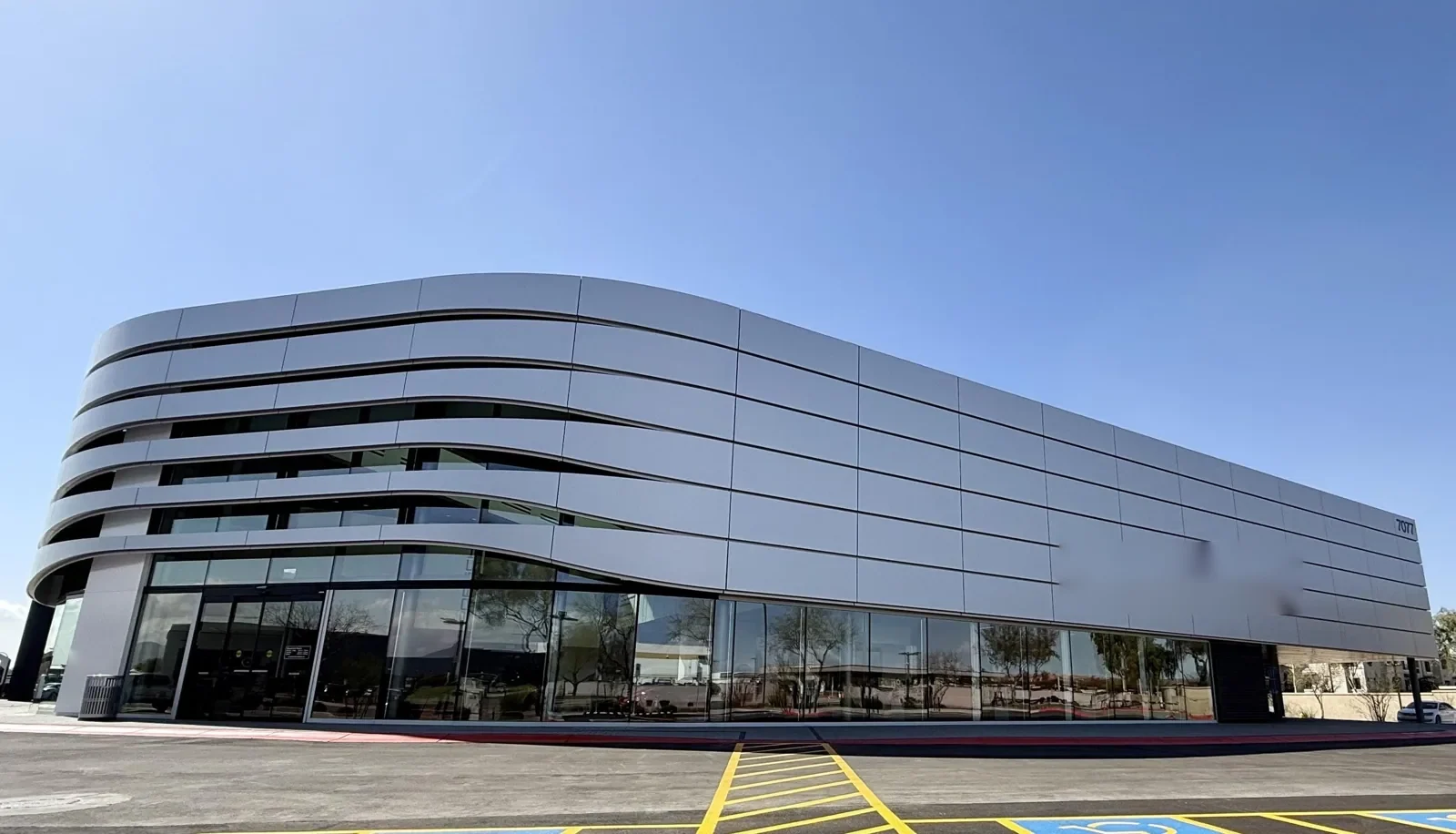
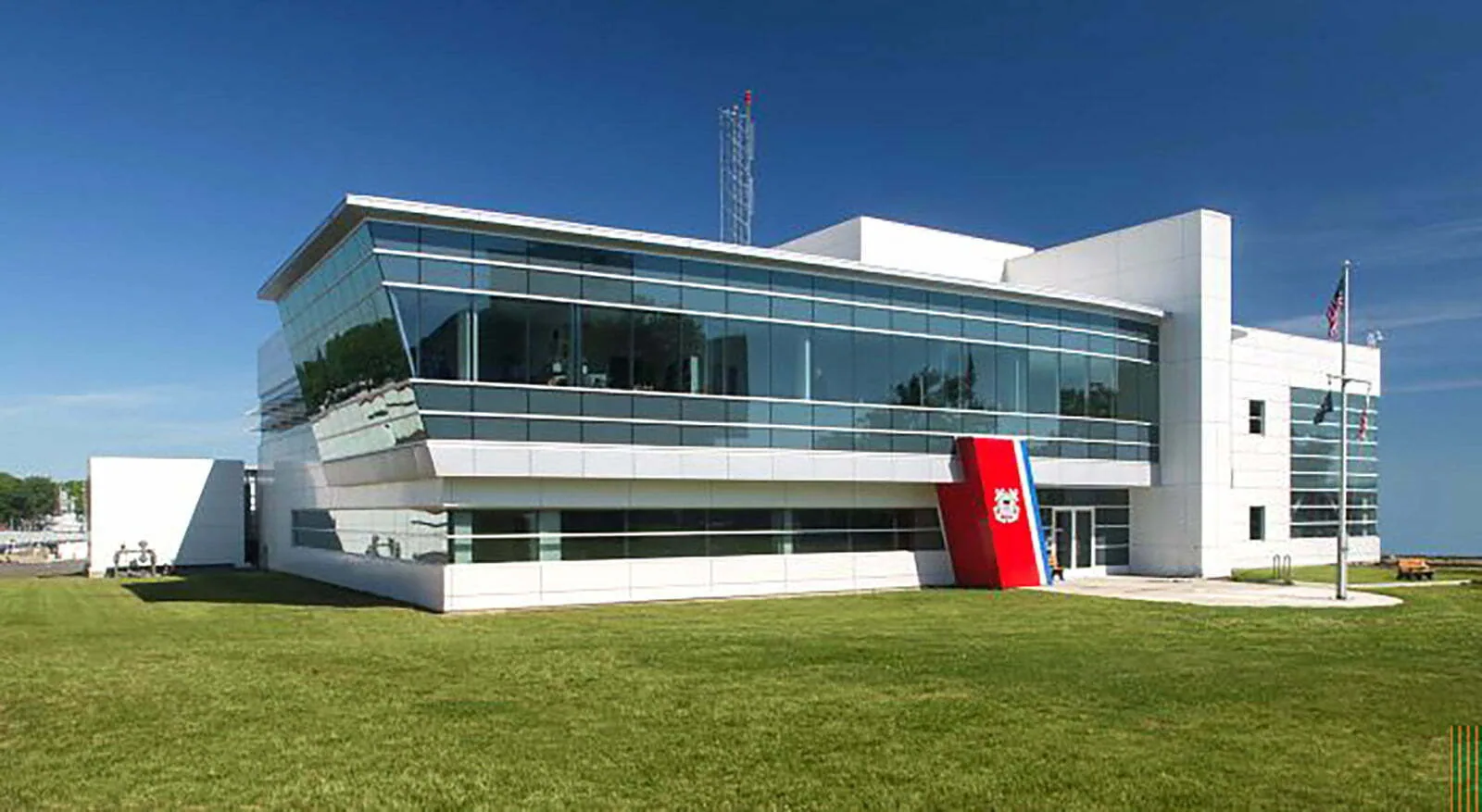
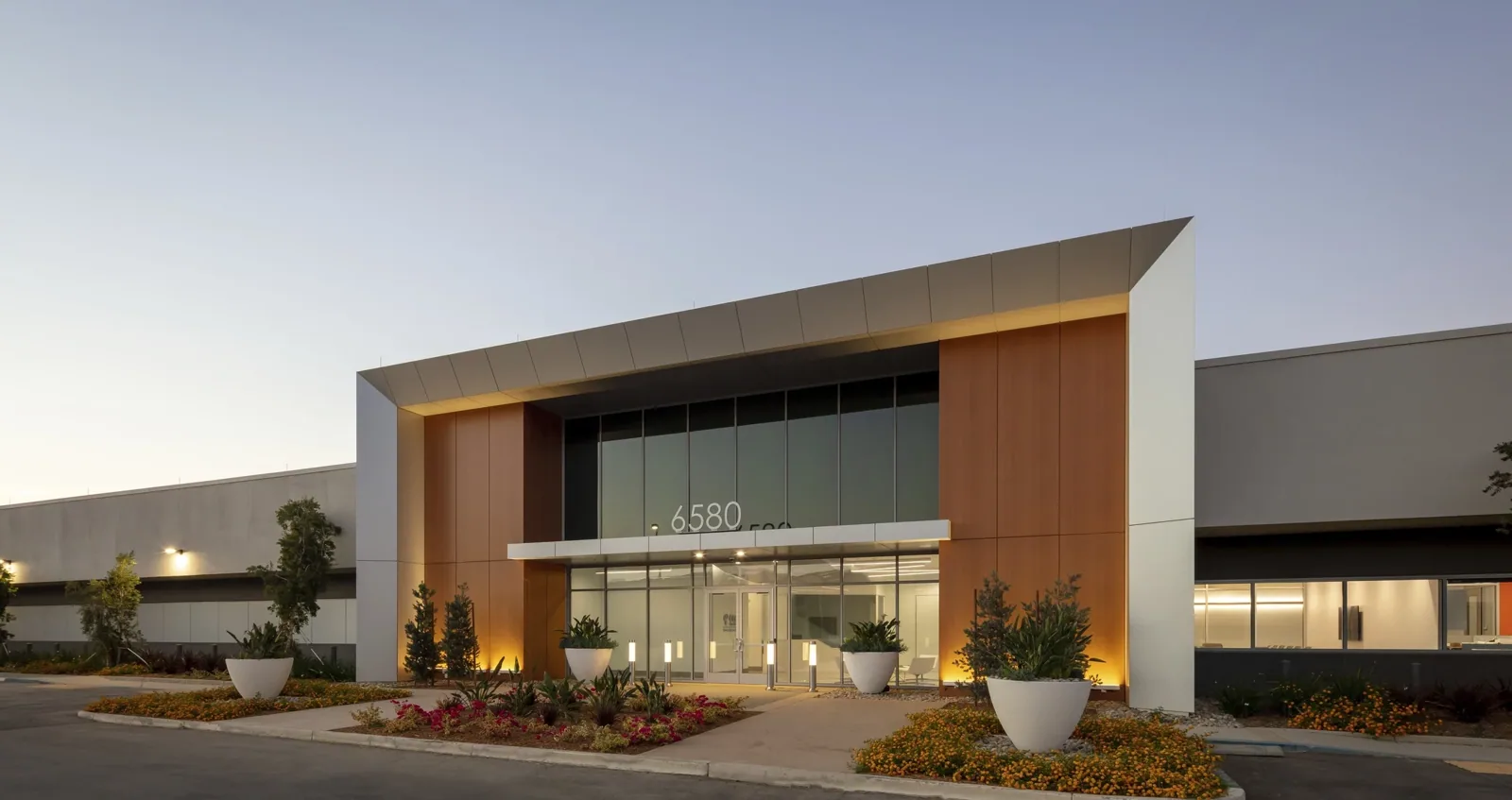
Production profile: identify what cannot pause
Before access, the facility contact identifies production shifts, sanitation windows, safety zones, sensitive rooms, and the equipment that must remain active. A roof penetration above a process line can require a different barrier and hold point than a detail above a stockroom. We record which contractor controls each exhaust, conduit, gas line, or mechanical unit, and confirm who can authorize a shutdown if the roof repair exposes a concealed condition. No equipment move is assumed in the roof scope unless the responsible trade has accepted it.
At Lynnway Park, cold storage and food-processing uses sit alongside warehouse and light-industrial activity. Those uses make temperature-sensitive operations and delivery routes relevant to an access plan, without establishing what a particular tenant stores or how a specific roof is built. We map the affected roof zone to the authorized area below, choose staging that does not block plant movement, and set a dry-in limit for each shift. The site lead receives a note when work requires a new route or changes a temporary barrier.
Condition evidence: separate process leaks from roof defects
A ceiling drip near a production line may begin at a curb, pipe boot, exhaust stack, seam, or roof drain. We compare the report location with the nearest roof details and inspect the likely water path, while noting possible condensate or process-related causes that the plant's mechanical team can check. A roof observation is not converted into a process diagnosis. Photos label the exact roof zone, date, and visible condition; if the route cannot be confirmed from the surface, the record calls for testing rather than a broad repair assumption.
Manufacturing buildings may have multiple roof elevations and several generations of equipment changes. We examine flashing at curbs and supports, seams near service paths, perimeter edges, skylights, drains, and transitions between additions. If the field membrane looks intact but moisture remains possible, infrared screening can help select a core location. The test opening records deck, insulation, and membrane at that point, but does not clear surrounding areas that were not opened. The report keeps confirmed findings distinct from a suspected extent.
Plant exposure: plan for rain, snow, and coastal wind
Boston Logan's annual normals include 48.2 inches of snowfall and 44.52 inches of precipitation, with summer heat and winter cold in the same regional pattern. For Lynn manufacturing properties, that makes drain capacity, overflow routes, insulation transitions, and edge details sensible inspection points. We inspect the plant's actual drains, overflow routes, insulation transitions, and edge details, then record the condition and any test result. We record actual water lines, debris, movement, or open flashing and note which drainage path is designed to carry water away from the roof.
Sandy's 2012 passage produced coastal flooding in Massachusetts, with separate wind measurements at Boston and Revere Beach. At Lynn Harbor, the port's marine exposure can make a post-event walk of edges and wall transitions relevant, but the roof walk records any movement or water entry found at the manufacturing building. We look for visible displacement, fresh punctures, debris strike, water entry, or a change from prior photos. Salem's industrial port and Beverly's Cherry Hill Industrial Park provide regional context for industrial property needs, while each recommendation stays tied to the building inspected.
Scope path: compare repair with renewal
An isolated split seam, loose flashing, or puncture can remain a local repair when surrounding material and substrate are serviceable. The scope states preparation, compatible materials, repair limit, and what must be inspected before the area is released. If a repeated leak or test opening shows moisture across a wider plant zone, the owner can compare targeted removal with full replacement. A manufacturing roof repair should preserve the process boundaries while showing which condition supports each task.
A recover evaluation must check moisture, attachment, drainage, curb height, equipment transitions, and code requirements before adding a layer. If tear-off is supported, a replacement scope defines the deck review, insulation, cover board, flashing, drains, edge metal, and daily dry-in. A distribution-center roof may share loading constraints, while cold-storage roofing has additional operating controls. The assembly can be compared against TPO or another specified system after the substrate and plant use are documented. Massachusetts' 10th Edition 780 CMR is based on the 2021 IBC with state amendments; the project design and permit path set the applicable requirements.
Execution record: control each handoff
The roof sequence lists the area opened, the temporary protection, the drains that remain clear, and the person who accepts the zone before production resumes below. If a process contractor needs to alter a curb or exhaust, the roofing team sets a hold point so the final flashing is inspected after that work. The access plan includes lift location, material path, plant security, and any cleaning or protective controls set by the facility. A shift change does not remove the need to hand off the roof's temporary condition.
Lynn Harbor, Lynnway Park, Cherry Hill Industrial Park, and Salem Industrial Port each have distinct surrounding access and business activity. For a Lynn plant, we confirm the local route and contact rather than assume a corridor-wide delivery plan. The closeout file includes dated photos, assembly notes, repair limits, test results, concealed areas, and items that need follow-up. To schedule a roof walk, provide the process area affected, access contact, operating window, and any previous report. The owner receives an evidence-based scope comparison that can be reviewed before production or roof work changes.
Commercial Roofing Questions
How do you keep roof work clear of production equipment?
We document the equipment zone, responsible trade, access route, and shutdown authority before setting a work boundary. If another contractor moves or opens a unit, roofing work remains at a hold point until the curb and membrane tie-in can be inspected.
When does a plant need a test opening instead of another patch?
Testing is useful when concealed moisture or deck condition could change the removal area. We mark the proposed location, record the assembly found, and explain which nearby zones remain unconfirmed. The owner can use that evidence to compare a repair with a broader scope.
What should a manufacturing roof closeout include?
The file should show roof-zone photos, repaired details, materials, test openings, drain and edge observations, and any item left for another trade. We also record where access was limited and whether the plant needs a follow-up inspection before a later project.
Do coastal storm records establish damage at a Lynn plant?
No. Regional wind or flood history can guide where an inspection begins, but it does not identify the condition of a particular assembly. We record observed movement, impact, water entry, and prior wear separately, then base the repair boundary on the roof evidence.
Request a manufacturing roof walk
Provide the plant use, affected process area, access contact, schedule window, and any prior roof record. We will map observed conditions and return repair or testing options tied to each roof zone.
Back to Property Types We Roof.