
Commercial Roofing in Cherry Hill Industrial Park, Beverly, MA
An industrial park roof review should begin with the facility's actual operations and the condition of its own roof. Cherry Hill Industrial Park sits in Beverly, within a North Shore region with industrial employment and development activity. Beverly has Route 128-connected business areas and industrial, research, and development uses. These details establish a commercial context, not the equipment, roof system, tenant, or access conditions at a particular property. We confirm the owner contact, work window, and accessible roof zones before recommending repair or renewal. A commercial roof inspection documents visible conditions; a photo-supported report records what was reached and what remains open.
Plan roof inspections and repairs at Beverly's Cherry Hill Industrial Park with confirmed access, material staging, and a building-specific repair record.
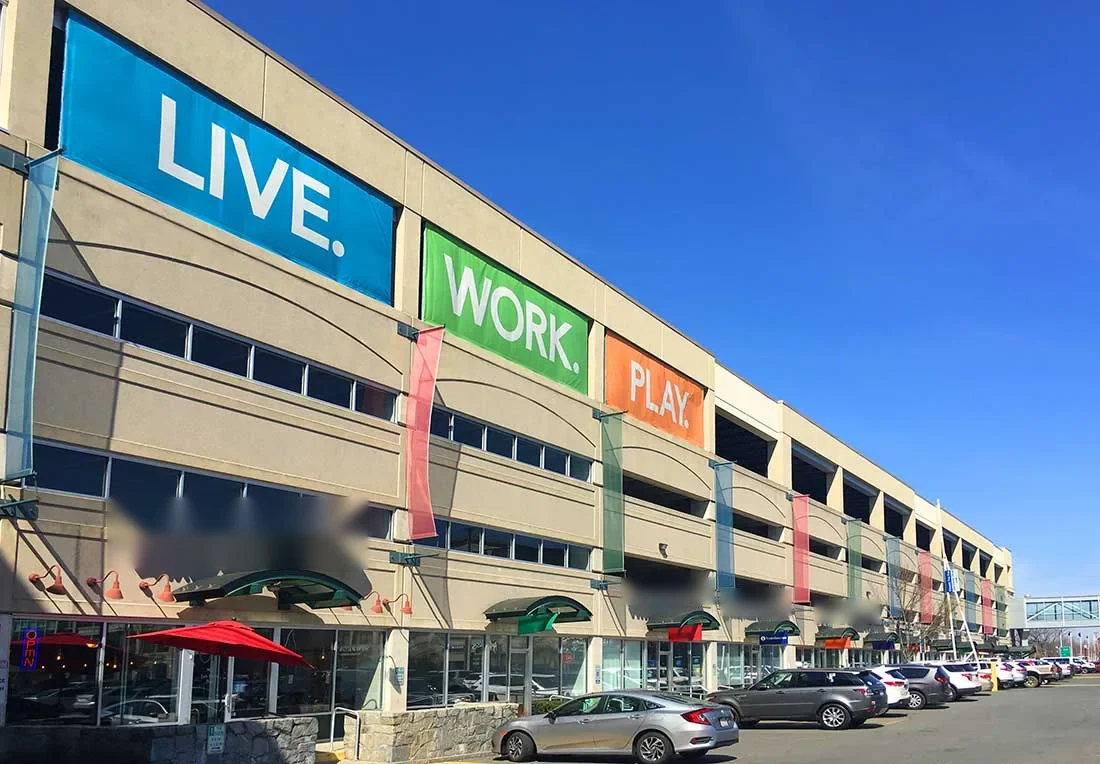
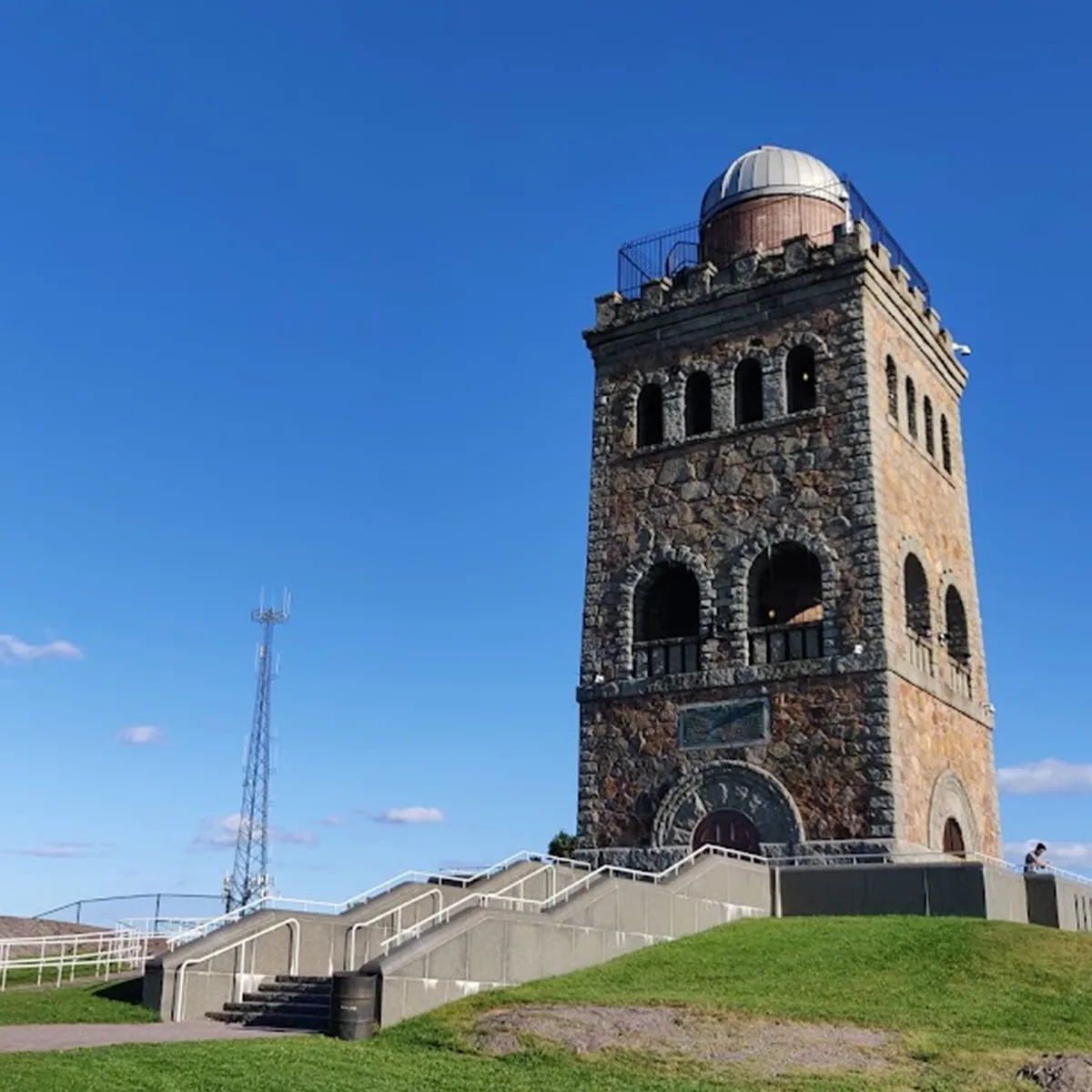
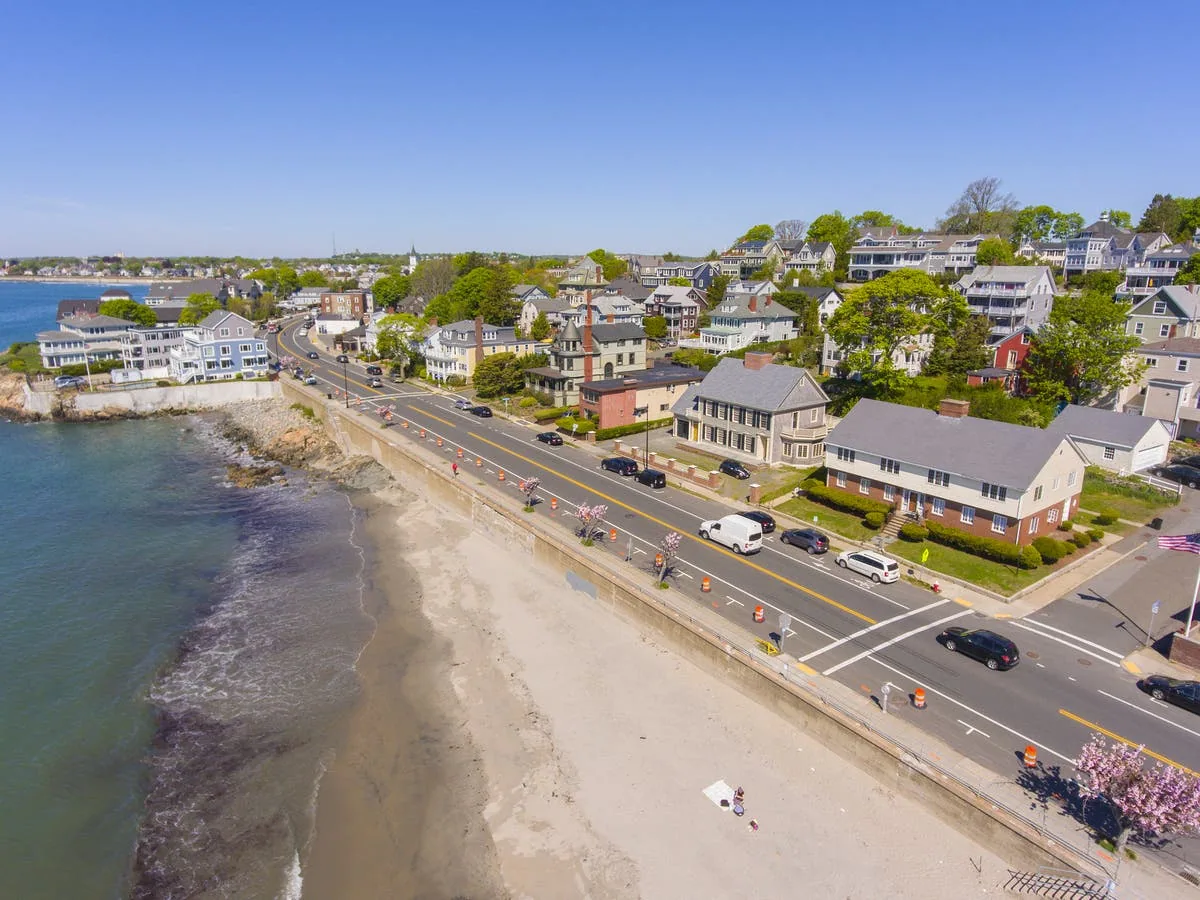
Site coordination: verify the rules before the crew arrives
The property contact should confirm check-in, escort, roof access, material delivery, lift placement, staging, and any limits on work hours. Before staging, we also confirm whether roof access shares a delivery gate, where a lift can stand, and what work period the operator approves. We ask whether receiving, production, laboratory activity, or other operations need protection, but do not infer a use from the industrial-park name. A safe path to the roof and an approved way to handle materials are part of the work plan. If another contractor is active, the owner can identify sequencing needs and the party responsible for temporary protection.
A first visit should also identify rooms or equipment below areas that may be opened. The owner can specify whether interior protection, dust control, or a short shutdown is required. We state those constraints in the scope, along with where the roof could not be inspected. If there is no safe access to one section, that zone remains unreviewed until an authorized arrangement is made. This gives an owner a precise record rather than a broad condition label that hides important limits.
Condition review: find the defect before defining the work
We examine roof drains, scuppers, seams, edge metal, penetrations, curbs, flashings, roof-to-wall transitions, and prior repairs. Each observation should have a roof-zone location and a photo that shows the surrounding material. The report also records whether the image covers a single detail or the full repair tie-in, so an owner can compare a later visit against the same boundary and identify any change before approving additional work. If the owner reports a leak, we note the room and timing separately from roof evidence and look for a path that can be confirmed. An older patch or surface discoloration does not establish a current opening. When moisture below the membrane could change the repair, we identify an appropriate test rather than assume concealed conditions.
Infrared moisture review may help select areas for confirmation when the conditions support a useful scan, but it is not a substitute for testing. The written record should distinguish the areas screened, the areas accessed, and any materials confirmed through an opening. Drainage work can be scoped to an observed collection or discharge issue; a drainage concern should not expand into unrelated repairs without inspection.
Where a repair extends across more than one material or roof section, we document the tie-in and the point at which the work stops. That lets the owner distinguish the completed repair from nearby areas that were not included. If the roof surface is wet or access is unsafe on the planned day, we record the condition and reschedule rather than leave a test or patch exposed.
Seasonal planning: consider Lynn's regional weather record
Lynn's regional climate brings regular rain, about four feet of snow each year, winter lows near freezing, and summer highs in the low 80s. At Cherry Hill, those conditions make drainage, temperature movement, and safe access useful inspection topics; the site walk establishes the roof's condition.
Severe thunderstorms across southern New England can bring damaging winds and hail at least one inch across. If a manager reports a storm-related concern, we check the affected roof zones for displaced edges, openings, punctures, or water entry and compare with any earlier photos. A weather report does not establish damage to this industrial park. wind damage review can document what is visible after a site visit, while any unresolved interior leak path remains a separate question.
Scope options: bound repairs to the evidence
A localized repair can be appropriate where a single defect is confirmed and the surrounding assembly remains stable. If conditions recur, appear across multiple zones, or may involve concealed moisture, additional investigation or a broader comparison may be needed. A proposal should state materials, preparation, repair boundaries, staging, temporary dry-in, interior protection, exclusions, and what might change after a test opening. Commercial roof repair can address a specific condition; replacement planning calls for a separate removal, access, and phasing decision.
Cost and timing depend on the actual roof area, access method, material handling, work hours, interior protection, test results, and how the building remains operational. We separate owner-provided assumptions from field-confirmed requirements so the approval team can see which items still need verification. If the facility's work window is limited, the sequence should identify how each open roof area is made watertight before crews leave and what coordination is required the next day.
Closeout: hand back a roof record the next manager can use
The closeout file should include dated photos, materials, prepared and repaired zones, work limits, test results, exclusions, and any follow-up recommendation. If a roof section remains uninspected, list the access needed to complete it. A later manager should be able to tell what was observed, what was repaired, and which conditions were left for another decision. The record can also preserve the site contact and operating requirements that shaped the sequence.
For owners with several Beverly properties, Cummings Center and Route 62 and Downtown Beverly require their own building contacts and roof histories. Shared ownership does not make the areas interchangeable. roof asset management can keep each record linked to its property, while capital planning can use documented findings to prioritize future work. Provide the Cherry Hill building contact, reported area, known repairs, and safe access window to arrange the first walk.
For a facility with a future tenant or project change, the owner can also retain current access limits and any protection notes with the closeout. Those details may change later, so they should be reviewed before a new roof scope is finally approved again.
Commercial Roofing Questions
Does the industrial-park designation tell you which roof system is installed?
No. The designation describes the type of area, not the roof assembly or condition at an individual site. We identify visible materials where possible and use owner records or appropriate testing when a detail cannot be confirmed visually.
Can a roof inspection avoid interrupting industrial operations?
We ask the site manager about access, work hours, deliveries, sensitive areas, and escort requirements before scheduling. The proposal can define staging and protection around those confirmed constraints, but the facility must approve the access plan.
What do you need to investigate a recurring leak?
Share the room, timing, prior repairs, and roof section associated with the report. We inspect accessible details, record the likely pathway only when supported, and identify a test opening or follow-up step if concealed materials remain uncertain.
When is replacement a better choice than a repair?
That depends on the extent of the defect, the surrounding assembly, and what testing finds. We can compare a defined repair with a larger renewal scope and state what evidence would change the recommendation.
What should be in the work closeout?
Keep dated photographs, repaired zones, materials, work limits, test results, exclusions, and any recommended follow-up with the property record. That helps the next manager distinguish completed work from unresolved areas.
Arrange a Cherry Hill Industrial Park roof walk
Share the site contact, operating window, reported roof area, access procedure, and repair history. We can document accessible conditions and prepare a defined next step.
Back to Service Areas.