Commercial Roofing for Real Estate Investors and REITs in Lynn, MA
An acquisition review can contain leases, operating statements, and a roof line item that still needs field evidence. For investors evaluating commercial property in Lynn, MA, the waterfront plan's mix of continued industrial activity and future commercial and retail uses gives useful context, but it does not establish a building's roof assembly, remaining life, or repair history. We inspect the roof by zone, compare visible conditions with the available records, and identify where testing is needed before an underwriting assumption becomes a committed scope. A roof due-diligence survey can give the buyer a dated basis for a repair allowance, closing condition, or capital plan.
Commercial Roofing Lynn helps investors review roof condition, repairs, and capital exposure across Lynn commercial properties with dated findings.
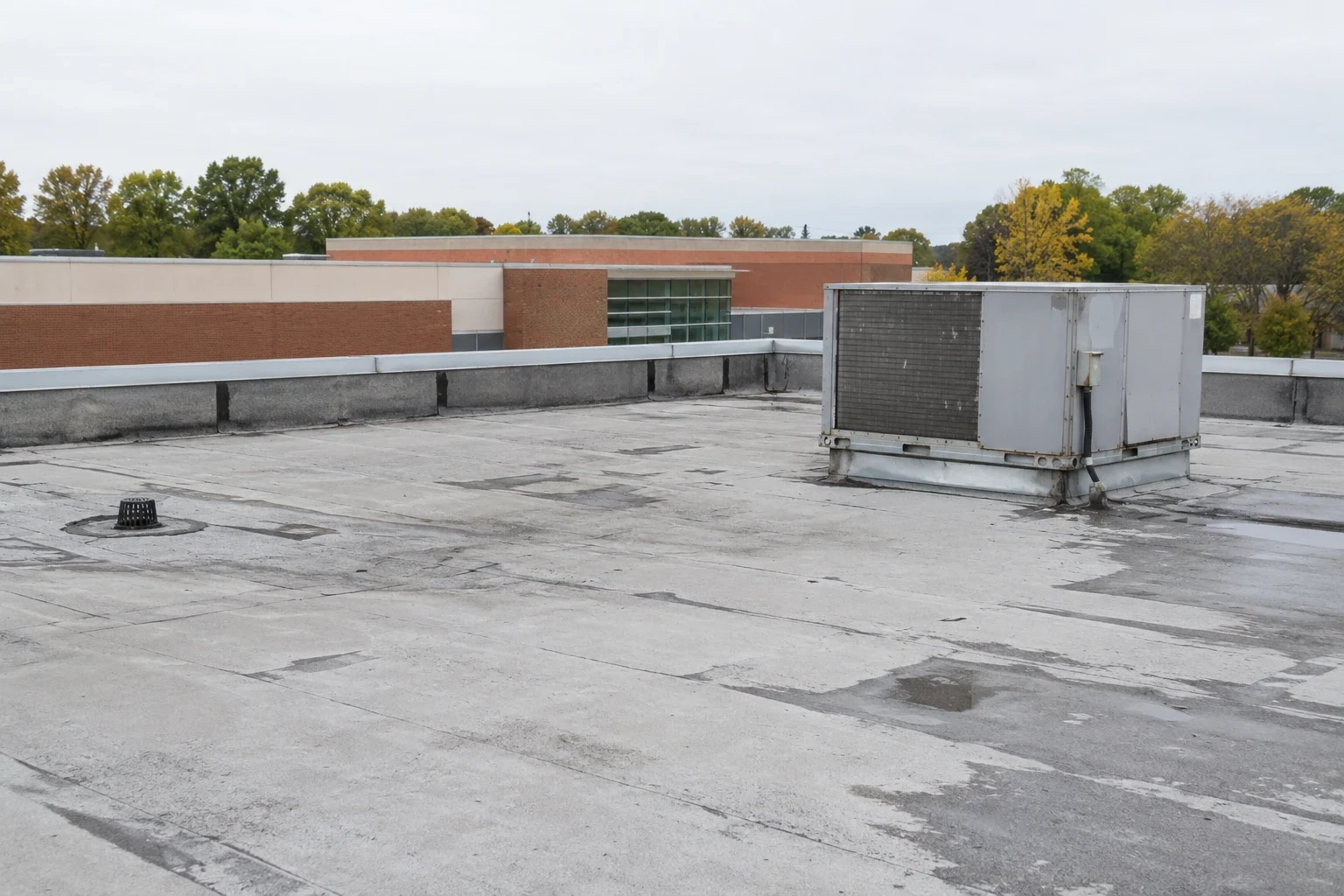
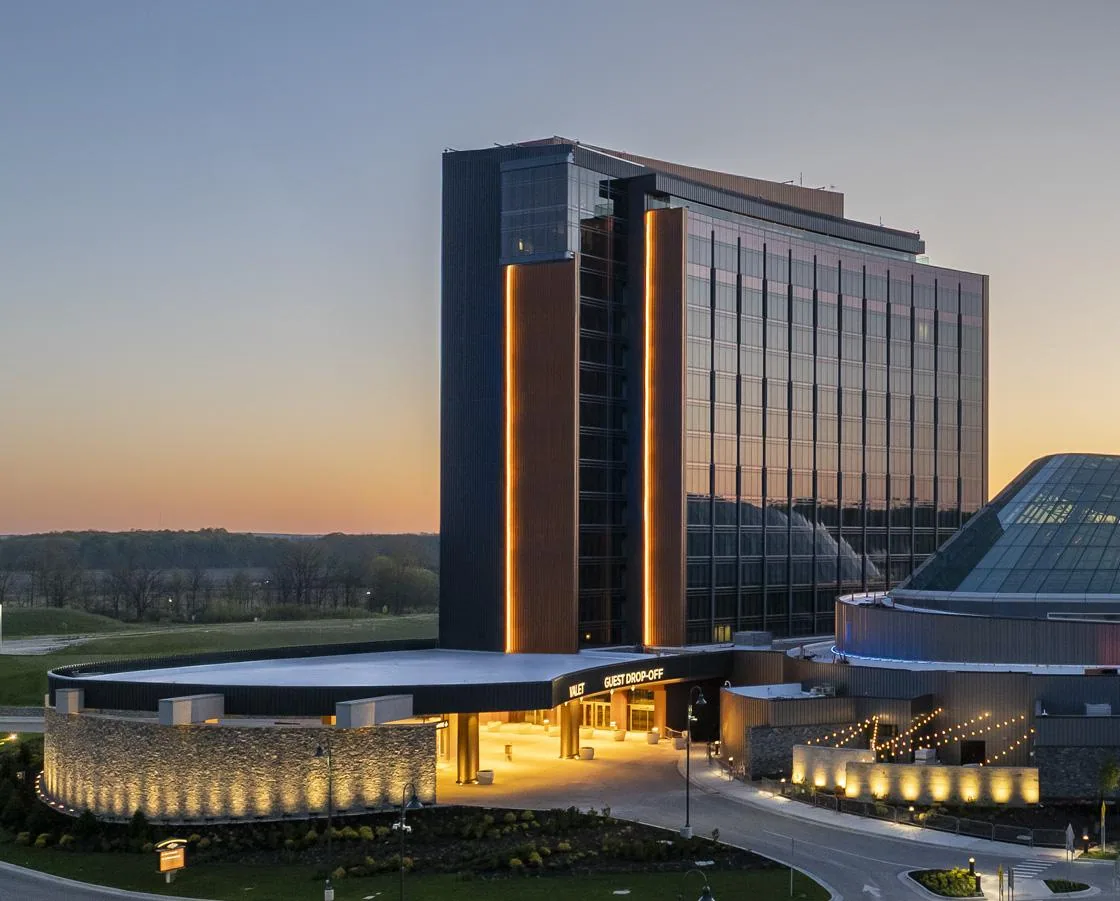
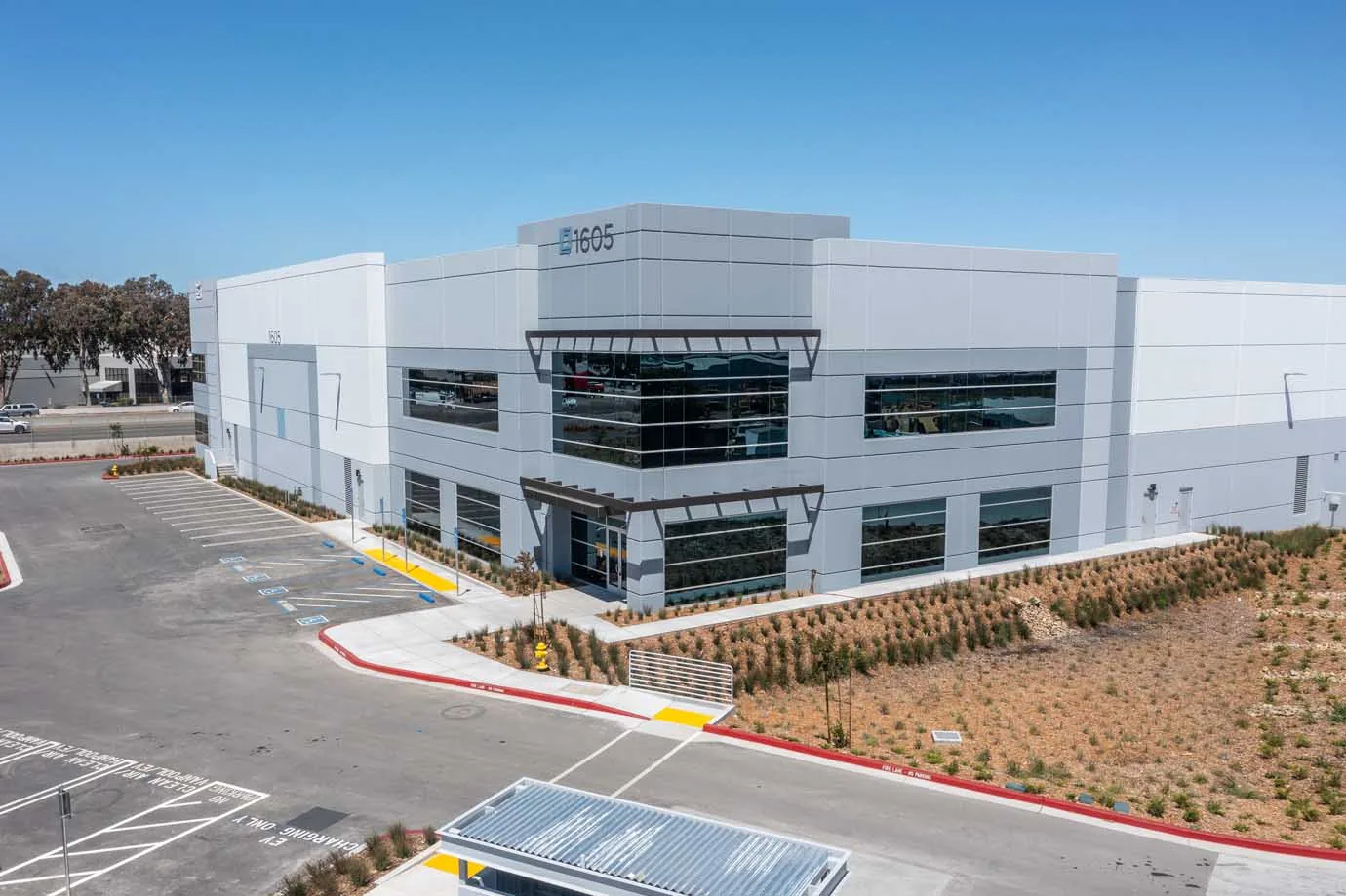
Acquisition review: tie each finding to an asset
Useful diligence starts with the roof plan, prior repair invoices, warranty documents, leak history, tenant reports, and any known replacements or coatings. During the site visit, we map roof sections, transitions, penetrations, drains, and visible repairs; a photo record then ties each condition to an area rather than a general judgment about the entire building. If the assembly is concealed or moisture may extend beyond the visible defect, we state the limit and identify whether a test opening or infrared survey can answer the open question. A roof condition report keeps observed items, assumptions, and recommendations distinct for asset managers, lenders, and operating teams.
Local context helps frame exposure without substituting for inspection. Lynn Harbor's designated port area protects marine-dependent industrial and commercial uses, and Lynnway Park includes warehouse, food-processing, storage, and cold-storage activity. Those uses make access, delivery timing, and interior protection worth clarifying during a transaction. The site visit establishes the asset's actual roof type, condition, and remaining-life evidence.
Condition risk: separate immediate work from capital exposure
A diligence report should not collapse a leak, a maintenance item, and a replacement need into one reserve number. We identify active water entry separately from aged sealant, open seams, damaged edge metal, obstructed drainage, and areas that need confirmation. The recommendation should state what can be repaired within a defined boundary, what observation requires further testing, and what condition may affect the timing of a larger project. When the owner has several buildings, property management coordination can carry consistent inspection fields across the operating portfolio while leaving each roof's decision tied to its own evidence.
Boston Logan's climate averages show warm summer conditions, cold winter nights, annual precipitation, and snowfall. For a Lynn asset, that regional pattern supports attention to drainage, perimeter details, snow and freeze-thaw exposure, but does not demonstrate damage. An investor may use the climate as a reason to inspect those features and review prior service history, not as a basis to assign a defect before the roof has been walked. After severe weather, event dates and dated roof observations should be compared property by property.
Underwriting: compare repair, recover, and replacement
We can present a repair option, a recover option where the existing assembly is suitable, and removal with replacement where conditions call for it. The estimate should say which roof zones are included, what layers are assumed, how much material is measured, what access and staging require, and what items remain outside the boundary. A purchase team can then distinguish a near-term corrective cost from a long-range capital project and ask the right follow-up before closing. A bounded repair scope may address a localized defect; a recover evaluation considers whether an existing roof can remain beneath a new system; and replacement planning accounts for removal, exposure, and sequencing. The buyer can request a quantity basis for each option and confirm whether the estimate includes crane access, disposal, temporary protection, and final documentation before it is compared with the transaction reserve.
For transaction review, Massachusetts identifies its current commercial building rules as 780 CMR's 10th Edition, using the 2021 IBC with state changes; the state's energy references include 2021 IECC and ASHRAE 90.1-2019. The project professional and authority having jurisdiction decide which provisions attach to a proposed alteration. We provide the observed assembly and described work so the buyer can make that referral with a defined roof scope in hand.
Capital plan: keep assumptions visible after closing
Once a property is acquired, the diligence record becomes more useful when it can be updated rather than filed away. We preserve the roof-zone map, photos, repair boundary, materials installed, concealed areas, and follow-up recommendation in a closeout file. If a repair is performed before a larger renewal, the next inspection can compare the same location and determine whether the condition stabilized or expanded. Where the portfolio has assets in separate markets or building types, capital planning can put visible roof needs in a sequence that reflects condition, operations, and access, not just acquisition date.
Downtown Lynn's cultural district supports restaurants, galleries, retail, public art, and events, while the nearby Lynnway corridor handles regional travel across several modes. Those distinct contexts can inform questions about tenant access, delivery plans, and work hours when evaluating a commercial asset. They do not tell us the roof's age or layout. We confirm those details on site, then provide an owner-facing scope comparison that identifies the next decision and the evidence still needed to make it.
For buildings with medical or other continuous-use tenants, the work window and daily dry-in line belong in the transaction review alongside the repair scope. A planned opening, equipment shutdown, or blocked service path can change which phase is practical. We document those dependencies with the property contact and coordinate with healthcare property teams where appropriate. This does not imply a particular tenant at a Lynn asset; it gives the buyer a clear question to resolve with the actual operator before scheduling work.
Commercial Roofing Questions
Can a roof survey support a transaction before we receive every maintenance record?
Yes, with a clear limit. We can inspect accessible roof areas, photograph observed conditions, and list missing records or concealed areas that affect confidence. The report should state what we saw and what remains unconfirmed so the buyer can decide whether to request a test opening, reserve an allowance, or add a closing condition.
How do you distinguish a repair reserve from a replacement reserve?
A repair reserve covers a defined defect and the work needed to correct it; a replacement reserve reflects broader assembly condition, repeated failure, or limits that make localized work insufficient. We show the field evidence behind each recommendation and avoid turning an untested area into a fixed quantity.
Can we review several assets on a single site visit?
We can coordinate access across buildings and report each roof separately. A portfolio visit is efficient when contacts, roof access, safety requirements, and available records are ready, but differences in assembly and condition stay visible in the findings rather than being averaged into one portfolio conclusion.
What should a seller provide before a roof diligence walk?
Share available roof plans, repair and leak records, warranty materials, prior inspection photographs, access restrictions, and current interior reports. Missing information is recorded as a diligence gap; it does not prevent an initial inspection, but it can limit what can be concluded about layers or concealed moisture.
Can your findings be converted into a post-close capital schedule?
Yes. We can sort the documented items by urgency, scope confidence, access requirements, and likely sequencing, then retain the same roof-zone labels for follow-up. A later inspection can test whether a repair performed as expected and whether planned renewal still fits the observed condition.
Request a Lynn commercial roof diligence review
Send the asset type, transaction timing, available roof records, reported zones, and site access contact. We will return dated findings and defined follow-up options.
Back to Industries We Serve.