Infrared Moisture Survey in Lynn, MA
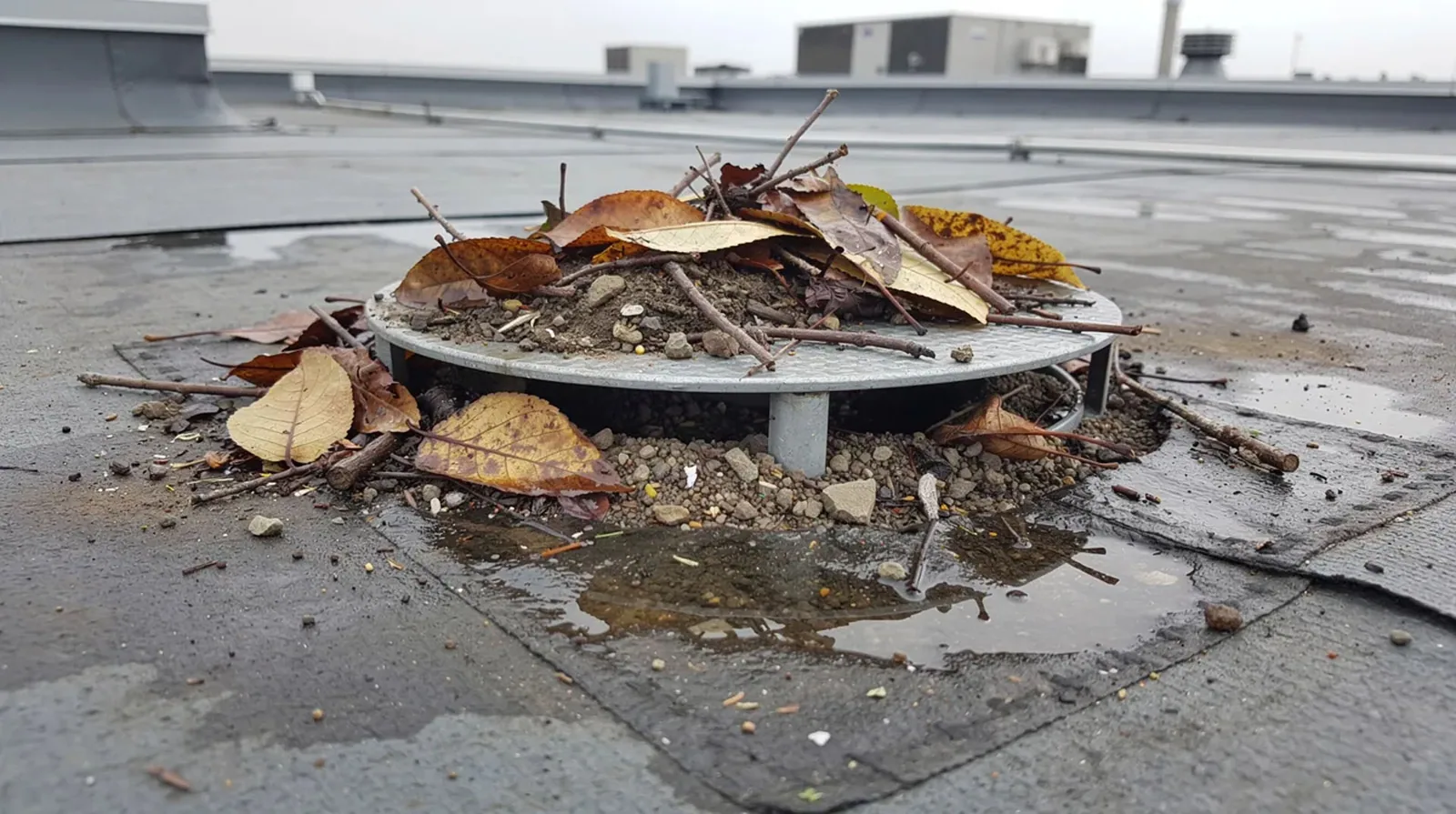
A moisture survey on a commercial roof in Lynn, MA starts with a specific question: where might water be held below the membrane, and what opening can confirm it? Infrared imaging can identify temperature patterns that warrant further investigation, but it does not by itself prove wet insulation. We review the roof assembly, recent conditions, repairs, equipment, drains, and the owner’s report before planning the scan, including a closer drain and scupper check when water movement is part of the concern. The deliverable marks candidate areas and recommended test locations so the owner can see the difference between an image-based indication and a confirmed finding.
Lynnway Park’s cold-storage, food-processing, warehouse, and storage uses make a moisture decision consequential for facility operations. Lynn Harbor's industrial waterfront adds access and weather considerations. We coordinate the roof route and work window, then connect each scan area to a roof-zone map. Where a candidate area could change a repair boundary, a core cut may be recommended to confirm the assembly. The survey report supports a documented choice among local removal, continued monitoring, recover, and replacement; it does not presume that the entire roof is wet.
Map suspected roof moisture in Lynn with infrared scanning, test locations, and core-cut confirmation before repair or replacement is scoped.
Survey plan: set conditions and limits
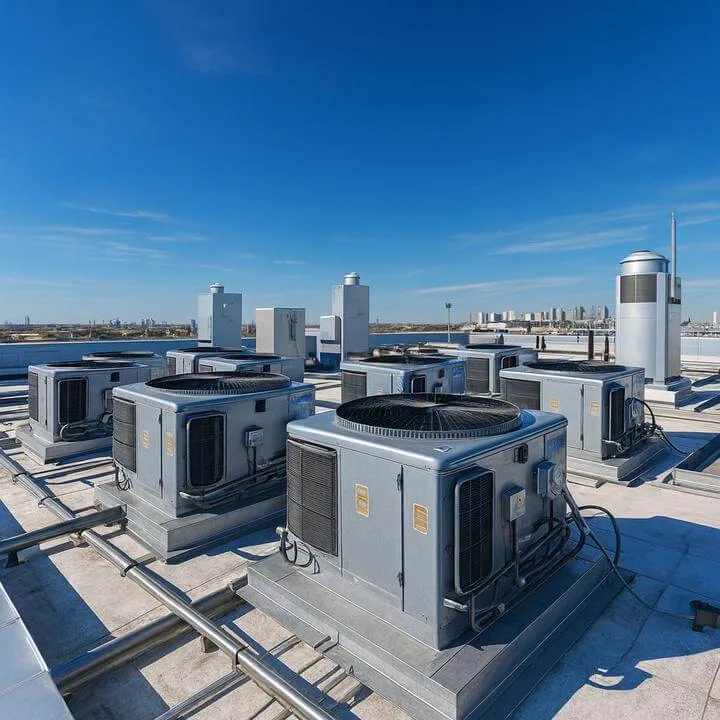
Infrared scanning works best when the conditions allow meaningful temperature contrast across the roof surface. We review the roof type, insulation, membrane, recent rain, sun exposure, wind, and time of day before selecting a route. Wet areas can appear differently depending on the assembly and surrounding materials, so the survey plan should state what the scan can and cannot show. We also identify equipment, shade, standing water, and areas that may make interpretation difficult. The owner receives an explanation before any test opening is proposed.
The North Shore receives annual precipitation and snowfall alongside strong seasonal temperature changes. Those values describe the regional setting, not the moisture condition of one building. A Lynn roof still needs a scan under suitable conditions and a field review of its own details. We document the date, weather, roof zones, and any area excluded from analysis. If scanning conditions are not adequate, we reschedule or choose another method instead of presenting weak contrast as a reliable map.
Scan interpretation: separate indication from confirmation
The scan identifies patterns for investigation; a core cut can identify the layers and moisture at a selected point. The moisture map report marks candidate areas and test locations that can answer the owner’s question. A single opening confirms the layers at that spot, not every similar-looking region across the roof. The report explains how many locations were tested and which areas remain unconfirmed. That distinction helps keep a repair or replacement scope tied to evidence rather than extrapolated color patterns.
At Downtown Lynn properties, multiple roof levels or equipment groupings can divide the assembly into distinct zones. At Salem Industrial Port, marine and industrial access may require a coordinated route. We label each area separately and record test results against the same plan. If wet insulation is found, the recommended boundary follows the exposed evidence and may require additional testing before expanding. The owner can then compare a localized repair with broader removal where the confirmed conditions warrant it.
Test opening: choose a useful verification point
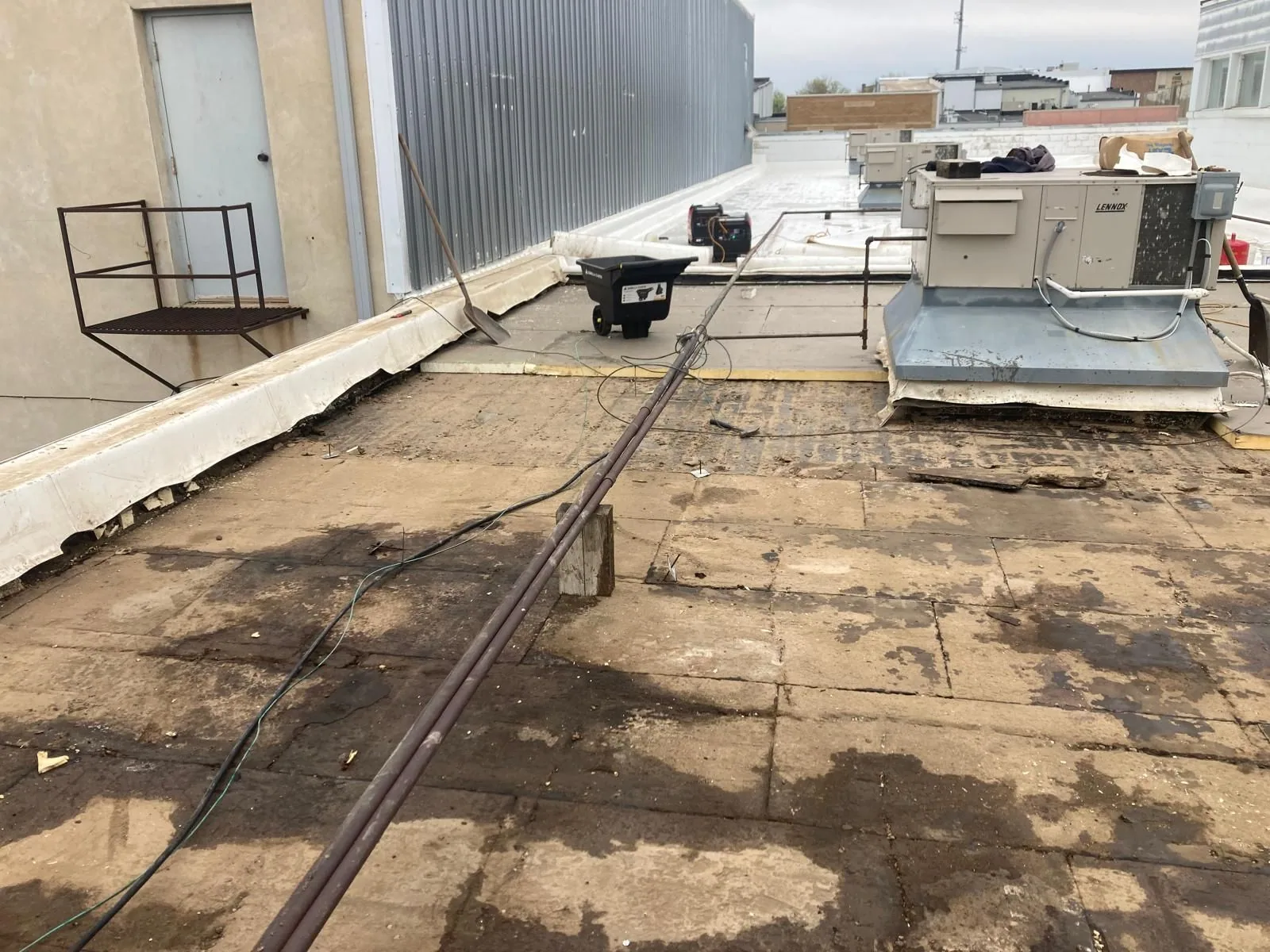
A core cut should be placed where it can confirm a candidate area and be safely repaired afterward. We review the scan, existing repair records, roof layout, and access before marking the opening. The test identifies the layers, their condition, and whether moisture is present at that location. We photograph each layer, record the location, and close the opening with a compatible repair. If the test shows a different assembly than expected, the report updates the recommendation before a larger scope is approved.
Massachusetts commercial building and energy requirements may be relevant when a project expands from testing into insulation replacement or a new assembly. We note where the proposed work may require project-specific review, and we distinguish that step from the survey itself. The roof inspection can document visible defects around the candidate zone, while the infrared survey and core cut address the suspected moisture. Both records should use consistent zone labels so an owner can compare the scan with field findings.
Scope decisions: use the map to compare alternatives
A confirmed wet area may support localized removal, but the boundary depends on the test results, insulation condition, deck, and adjacent details. We mark the area to be opened and describe the tie-in to dry material. If several zones show indications but only some are confirmed, the proposal should keep those categories separate. A larger removal scope may be warranted when moisture is widespread or the assembly no longer supports a dependable repair. A dry test opening does not certify every untested zone; the report preserves that limit.
Hurricane Sandy brought coastal flooding along the Massachusetts coast, with strong winds measured at Boston and Revere Beach. That history can explain why Lynn owners pay attention to water entry and weather exposure, but it cannot identify the water-entry path or extent of current moisture. We use survey conditions and test findings. If the map supports removal and new roofing, we can compare a recover option only where the existing layers and assembly conditions permit it, or prepare a replacement scope for areas that need tear-off.
Record and follow-up: preserve the moisture boundary
The final file includes the scan date and conditions, marked images, roof-zone plan, candidate areas, core-cut locations, confirmed layer findings, and repaired openings. We separate confirmed wet material from areas that still need observation. If work proceeds, the closeout records what was removed and where new material ties in. A later survey can then compare the same roof zones and show whether the boundary changed. This makes the file useful for maintenance planning as well as the immediate construction decision.
Lynn Harbor is designated for marine-dependent industrial and commercial uses, while Downtown Lynn continues to combine commercial, retail, and cultural uses. Across both contexts, the property’s access, tenants, and operations affect how testing and repair are sequenced. We schedule the survey with the site contact and identify any interior area that needs protection during a core cut. To request a survey, provide the building use, reported leak zones, roof plan if available, access contact, and recent repair history. We define the scan limits and any follow-up check before preparing a final work scope.
Commercial Roofing Questions
Does infrared scanning prove that insulation is wet?
No. The scan identifies temperature patterns that may indicate a difference below the surface. A core cut or other field check is needed to confirm the layers and moisture at selected locations. We mark confirmed results separately from candidate areas. The report explains the scan conditions and what remains unknown.
How many core cuts will the survey require?
The number depends on the scan pattern, roof assembly, access, and the decisions the owner needs to make. We propose specific locations and explain what each test can confirm before opening the membrane. A result at one location applies to that test point, not automatically to every similar-looking area. We repair each authorized opening and document its layers.
Can the survey define what insulation needs to be removed?
It can help identify where removal should be investigated, and carefully selected test openings can establish the repair boundary. We record the layers, moisture, deck condition, and tie-in to surrounding material. If more testing is needed, the report says so before the scope expands. The final removal limit follows confirmed findings and project conditions.
Can infrared imaging be done after rain?
Recent rain can affect surface conditions and interpretation, so we review timing and weather before the scan. If the conditions do not provide a useful comparison, we reschedule or recommend another inspection method. The report records when and how the scan was performed. We do not treat an unsuitable image as a confirmed moisture map.
Request a moisture survey
Provide the building use, reported leak zones, available roof plan, access contact, and recent repair history. We will set the scan conditions, mark test locations, and report confirmed findings separately from indications.
Back to Commercial Roofing Services.