
Data Center Roofing in Lynn, MA
A data-center roof inspection has to protect the equipment schedule as well as the roof assembly. We map each zone above electrical, cooling, generator, and network areas, then record seams, curbs, drains, supports, and access limits beside dated photos. A leak report near a critical room is a starting point, not proof of where water entered. The condition log separates observed membrane damage from a suspected route and identifies a test opening when hidden layers could change the repair boundary.
Lynnway Park includes industrial and cold-storage uses, while Lynn Harbor supports marine-dependent commercial activity. That local mix makes delivery, staging, and service access worth confirming before a roof walk, without implying that any one facility has a particular system. Along the Route 1A Lynnway Corridor, regional movement connects multiple modes; the building's security, uptime, and equipment controls govern the actual sequence.
Document a Lynn data-center roof by zone, with controlled access, equipment interfaces, drainage findings, and tested boundaries for critical operations.
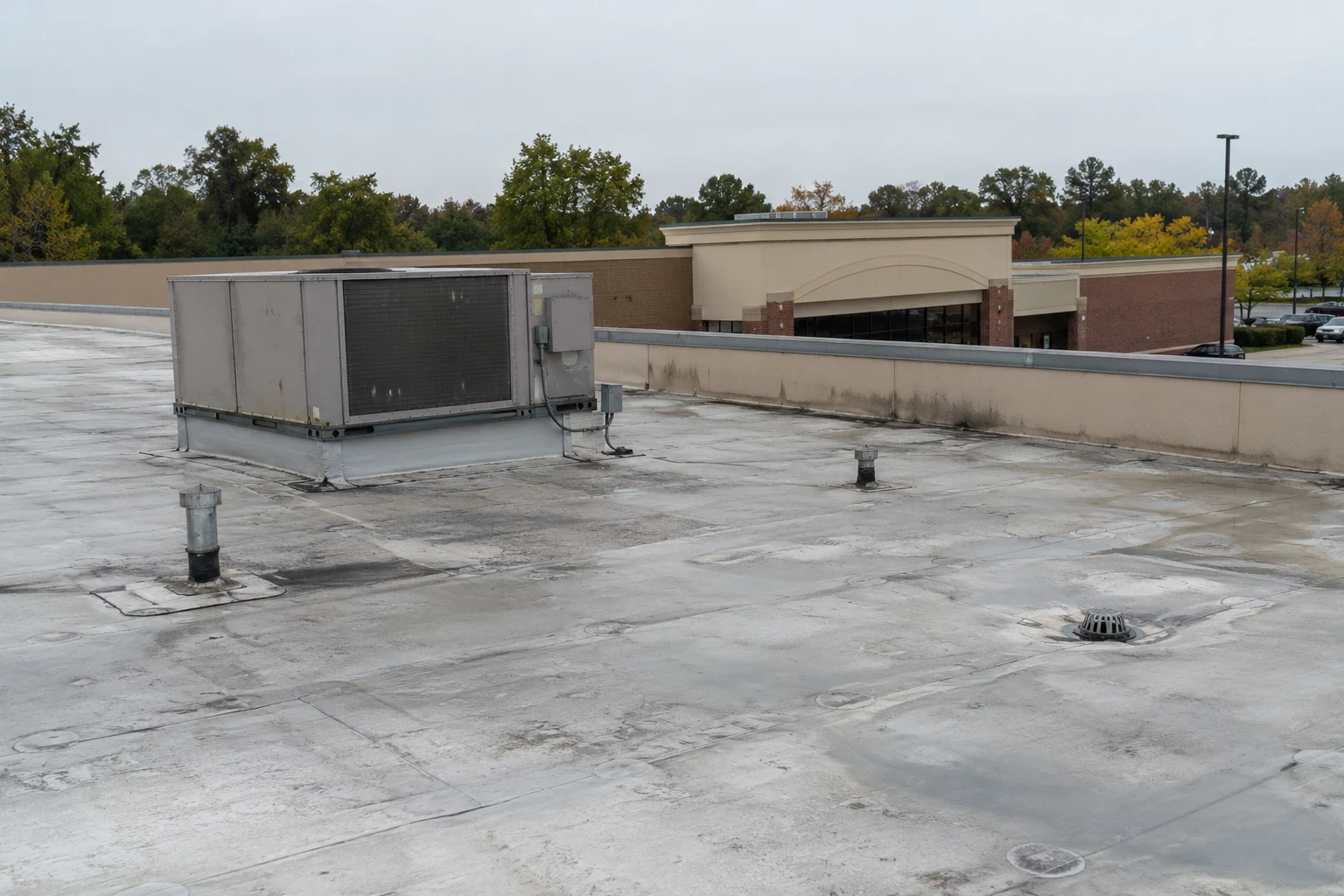
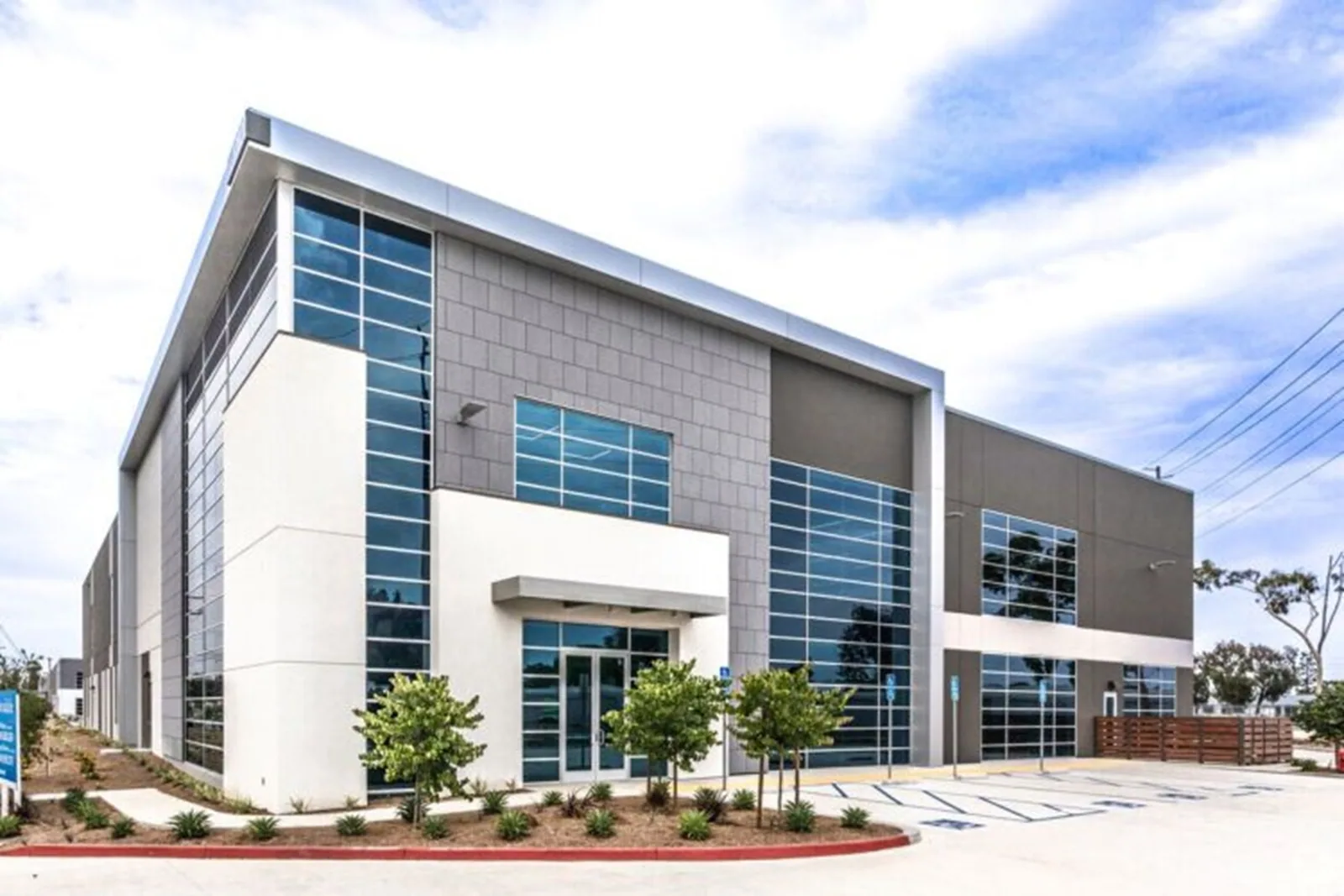
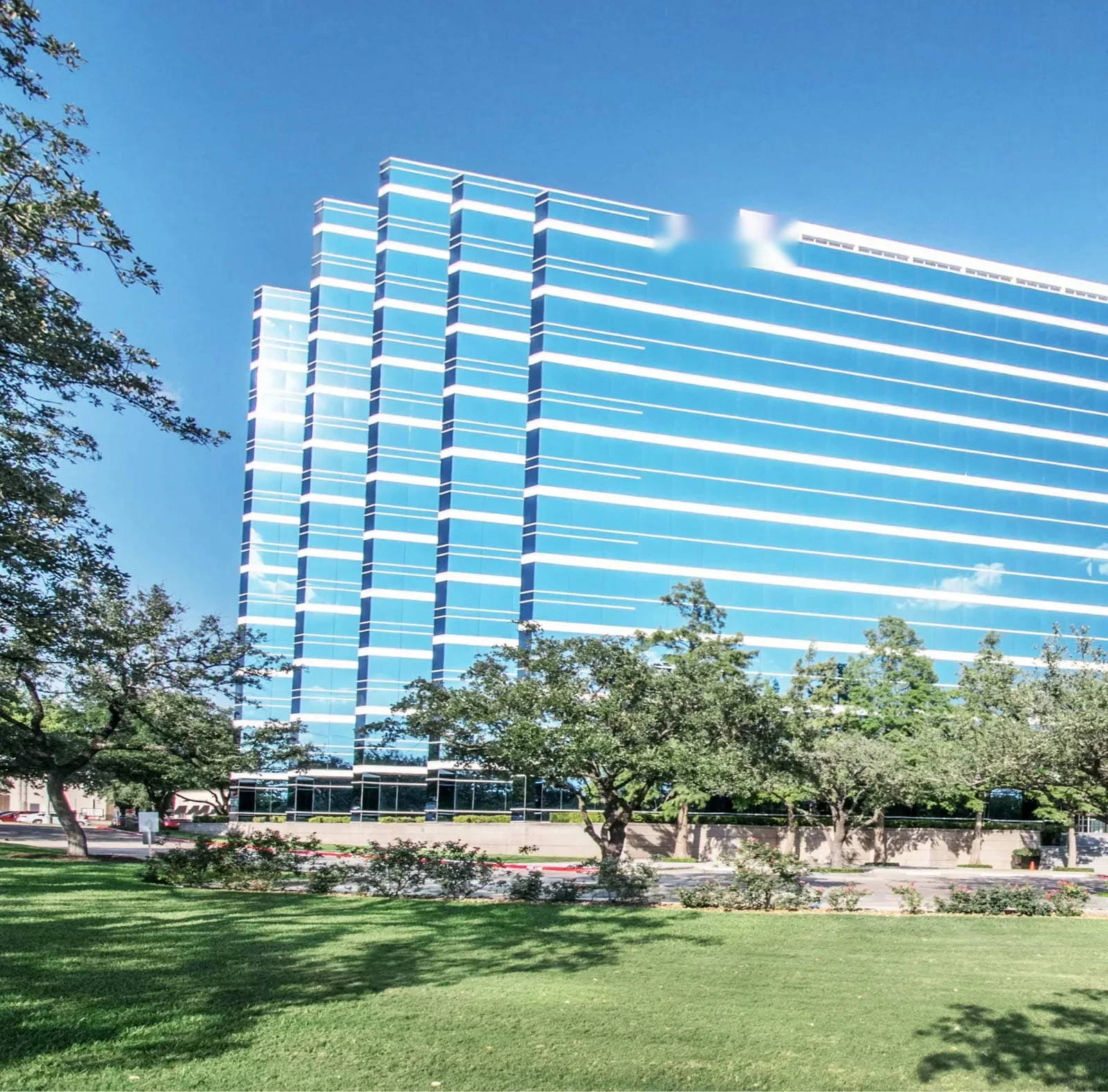
Uptime boundary: identify the protected roof zone
The facility contact identifies critical rooms, cooling areas, battery or generator spaces, secure entries, and any route that cannot be interrupted. We record the building zone beneath each roof observation and the contact who can release access. Work near a cooling unit may need a mechanical hold point, while a leak over a support room may need interior protection and a different notification path. The roof plan states those dependencies before a crew stages material or opens the assembly.
A secure facility may require escort, check-in, equipment controls, and limits on photographs or device use. We follow the owner's instructions and define what evidence can be captured without exposing sensitive operations. If a zone cannot be photographed or reached, that limit is included in the record. The condition log still needs enough location detail for the owner to find the area later, whether by grid, roof section, elevation, or an approved reference key.
Equipment interface: inspect curbs, supports, and drains
Cooling and exhaust equipment create several roof interfaces: curbs, refrigerant lines, conduit, service platforms, vibration supports, and walk paths. We inspect the membrane and flashing at each accessible detail, note any displaced support or puncture, and identify which mechanical contractor controls the unit. A roof repair does not include moving equipment unless the responsible trade has agreed to the work. Before another contractor covers a curb or support, we set a hold point to check the final membrane tie-in.
Drainage is another critical interface. We record bowl and strainer condition, overflow routes, low areas, and the path toward each outlet. A drain and scupper review can separate outlet correction from membrane repair. If moisture may extend below the surface, an infrared moisture survey can help select a test location; the thermal pattern alone does not establish wet insulation. A test opening documents the assembly found and the areas that remain unconfirmed.
Water evidence: distinguish roof entry from system alarms
An alarm, drip sensor, or ceiling mark near a critical area should be linked to its time, roof zone, weather, and any facility response already taken. We inspect the assembly above and adjacent to the report, checking seams, wall transitions, penetrations, and outlets. Water can follow a deck joint or conduit path, so the visible interior location may not sit below the opening. We map confirmed membrane conditions separately from condensate, plumbing, or equipment questions that another trade must verify.
If the report is active, temporary protection may be needed while the cause is confirmed. We identify whether water can reach a sensitive room, where covers or barriers are authorized, and which drains must remain open. Emergency roof response is available around the clock, but the closeout still records the actual boundary and follow-up needed. A medical-office roof may also require strict room access, while data-center operations bring separate security and uptime controls.
North Shore exposure: inspect the actual edges and flow
Boston Logan's nearby climate brings rain and snowfall, winter cold, and summer heat. For a Lynn data-center roof, we check drainage, overflow, insulation transitions, and perimeter details, then record the actual conditions for the facilities team. A building-specific load question goes to the design professional before the replacement or alteration scope is set. We mark actual standing water, loose metal, open seams, or movement at the roof, then note the route water is meant to follow.
Hurricane Sandy brought coastal flooding along Massachusetts, with strong winds recorded at Boston and Revere Beach. Lynn Harbor's marine-industrial setting makes a post-storm edge review useful after severe weather, but a regional event does not prove damage to a specific roof. We compare current photos with prior records where available and date any new finding. Massachusetts' commercial building code is based on the 2021 IBC with state amendments; the design and permit documents govern a project-specific roof assembly.
Scope sequence: compare options without losing control
A local repair may fit an isolated flashing, seam, or penetration when nearby material and substrate remain serviceable. The written scope states preparation, compatible repair materials, tie-in details, and any zone that needs follow-up. If tests show moisture or recurring failures beyond that boundary, the owner can compare targeted replacement with a larger renewal. A roof repair scope should identify what remains concealed and which operating constraints set the work window.
A replacement plan may separate work by equipment zone and maintain a defined dry-in point at the end of each shift. Recovery is considered only after attachment, moisture, drainage, compatibility, and code requirements are reviewed. The design can compare TPO with another specified system based on the actual assembly. A commercial office roof and a hospital roof have different operating requirements; data-center scope must be built from its own roof map and access instructions.
Configuration record: preserve a useful closeout
Closeout should identify the roof zone repaired, materials installed, photographs permitted, equipment interface inspected, tests completed, and areas not reached. We note the temporary tie-in if the project is phased and name who owns the next check. If rooftop equipment changes later, the facility can compare the new condition with a dated baseline rather than rely on an unmarked photo. The file records what the roofing scope addressed without making claims about the building's systems outside that work.
The Route 1A Lynnway/Carroll Parkway corridor serves regional movement, but the property access plan is set by its own security and delivery rules. Lynn Harbor and Lynnway Park provide local industrial context; the roof record stays specific to the building under review. To arrange a walk, share the affected zone, system alarms or leak notes, roof access contact, security requirements, and approved work window. We return a condition log and scope comparison that can be reviewed before an owner authorizes testing or repair.
Commercial Roofing Questions
What should a data-center roof inspection document?
We map roof zones above critical and support areas, record equipment interfaces, drain paths, visible membrane conditions, access limits, and dated photos. The report distinguishes a confirmed opening from a possible route and identifies tests that could change the repair boundary.
Can roof repairs be scheduled without interrupting cooling?
The sequence depends on the equipment, roof access, weather, and approved shutdown controls. We identify the mechanical contact and agree on a hold point before a curb or support is disturbed. Each shift closes with its protected zone and next check recorded.
How do you handle restricted photography or roof access?
We follow the facility’s security instructions and record any areas that cannot be reached or photographed. The owner can designate a grid, elevation, or other approved location key so findings remain usable without capturing restricted information.
Does coastal storm history mean a Lynn roof needs replacement?
No. Regional weather helps set inspection priorities, but only direct evidence supports a repair quantity. We document observed edge movement, punctures, open flashing, and water entry, then compare repair or replacement options against the tested assembly.
Request a controlled data-center roof walk
Provide the affected roof zone, facility access contact, security requirements, equipment interfaces, and approved inspection window. We will return a dated condition record with repair and testing boundaries.
Back to Property Types We Roof.