Ponding Water Commercial Roof Repair in Lynn, MA
Water that remains on a commercial roof after runoff has stopped can point to an outlet restriction, a low area, deflection, or a slope problem, and those conditions call for different repairs. At Lynnway Park, warehouse, food-processing, and cold-storage uses make interior protection and access planning part of the inspection; Lynn Harbor's coastal setting adds year-round weather exposure. We photograph the ponded area, mark its roof zone, check the surrounding drain or scupper, and record how the water relates to seams and penetrations before deciding whether the issue is maintenance, repair, or redesign. A Lynnway Corridor roof walk should still map the actual building's zones, drains, and membrane condition.
Commercial Roofing Lynn investigates standing water, drainage paths, membrane stress, and roof-slope conditions before defining a repair boundary.
Water path: follow the basin to its outlet
We inspect the ponding area's perimeter, nearby drains, scuppers, overflow points, and the membrane around each connection. A blocked strainer may explain a temporary pool; water that remains after an outlet is clear may indicate that the surface does not fall as intended or that the deck has deflected. The report should distinguish an obstructed path from a low spot rather than recommending the same cleanout for both. Drain and scupper repair focuses on the outlet and its flashing connection, while edge and gutter work addresses perimeter discharge and water control.
We note how deep or extensive the water appears when conditions allow, how long after rainfall the visit occurred, and whether the basin overlaps seams, patches, or equipment supports. A single photograph during active rain may not show whether the area drains later. If a repeat visit after runoff is possible, it can help distinguish a slow outlet from a persistent depression. We do not infer structural capacity from a surface observation; signs of movement or unusual deflection should be referred for appropriate structural review.
Repeated ponding can also leave a waterline or residue that helps show where the basin forms, but the mark should be interpreted with the roof's slope and outlet position. We check whether more than one low point drains to the same bowl, if a curb or equipment support diverts runoff, and whether a roof expansion joint changes the path. When the water line crosses a seam or patch, its condition gets photographed separately from the basin itself. This lets the owner see whether a drainage adjustment and a membrane repair are both needed.
Membrane condition: check what standing water touches
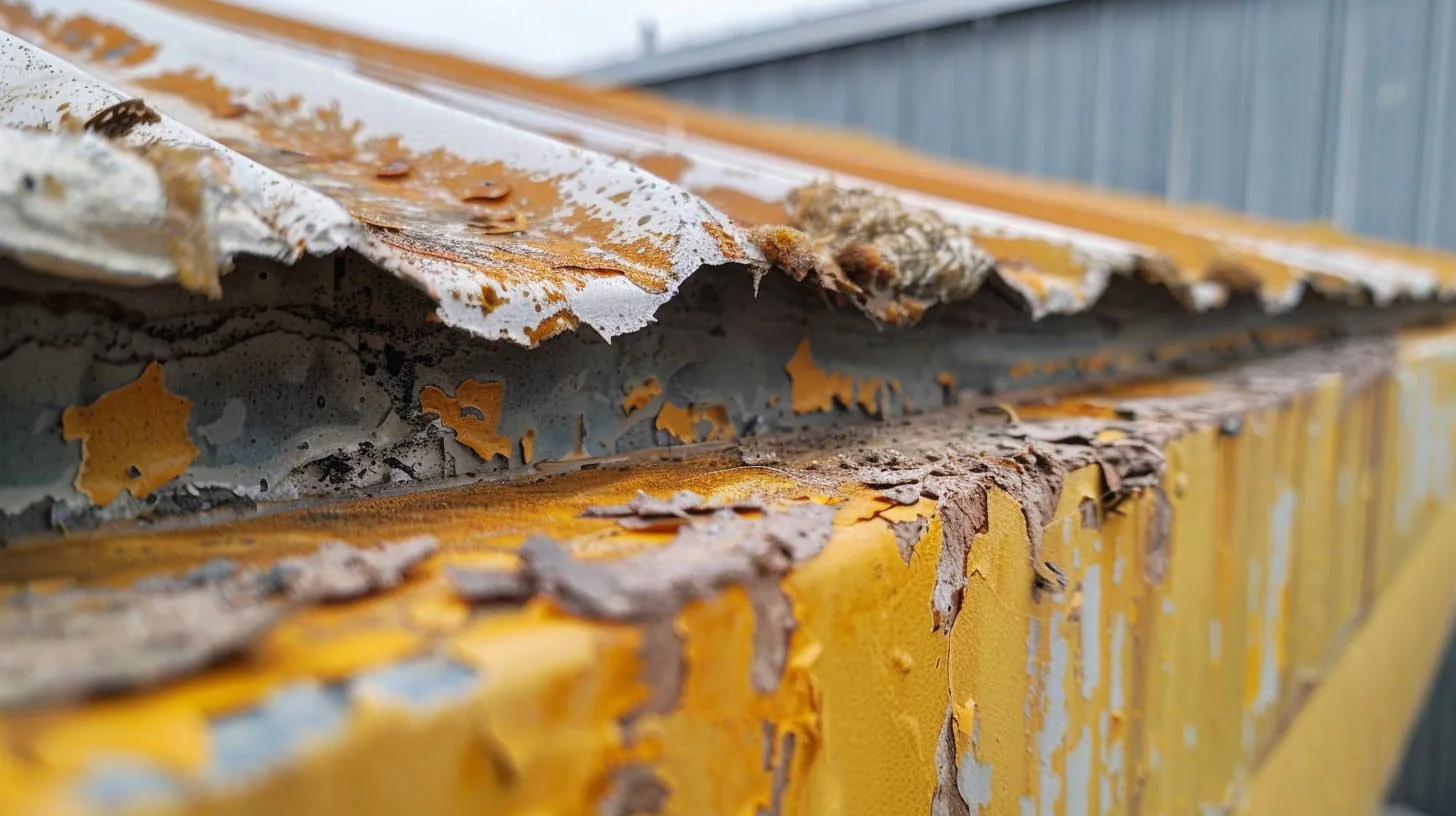
Long-standing water can expose seams, patches, penetrations, and coating transitions to prolonged wet conditions. We inspect whether laps remain bonded, whether sealant or flashing has separated, and whether a prior patch has edge lift or trapped moisture. If water crosses a roof seam, we trace the route and mark the interior area below, without assuming those points align vertically. A suspected wet assembly may need a test opening before the affected insulation is included in a repair quantity. A roof inspection records the surface condition and access limits; seam repair addresses an opening that is confirmed at the joint.
At an industrial property, a roof map should also note equipment, walking paths, and locations where service access may contribute to wear. Lynn Harbor supports marine-dependent activity and Lynnway Park includes food processing and storage; these uses make it sensible to coordinate access and interior protections with the site contact. Nearby industrial use is context for planning access, not a substitute for inspecting the actual roof assembly before materials are selected.
North Shore rainfall: distinguish seasonal water from a roof defect
The Boston Logan climate record includes regular precipitation, snowfall, winter cold, and summer heat. In Lynn, we check how each roof's actual slope carries runoff to its outlet, then record any low area, blocked drain, or open seam found after rain or thaw. A maintenance log helps compare those observations across visits and identify whether a drain correction, membrane repair, or design review should come next.
Hurricane Sandy brought coastal flooding along Massachusetts' shoreline and strong winds in the region. After severe coastal weather, we inspect the actual outlet, perimeter transition, and membrane for water entry or movement before defining any repair. Wind-related inspection can document edge movement where it is present, while this roof-zone review follows standing water to its source. The Lynn Harbor port area has a coastal setting that makes those roof details useful to include in a local inspection.
Repair choice: correct the cause, not only the water mark
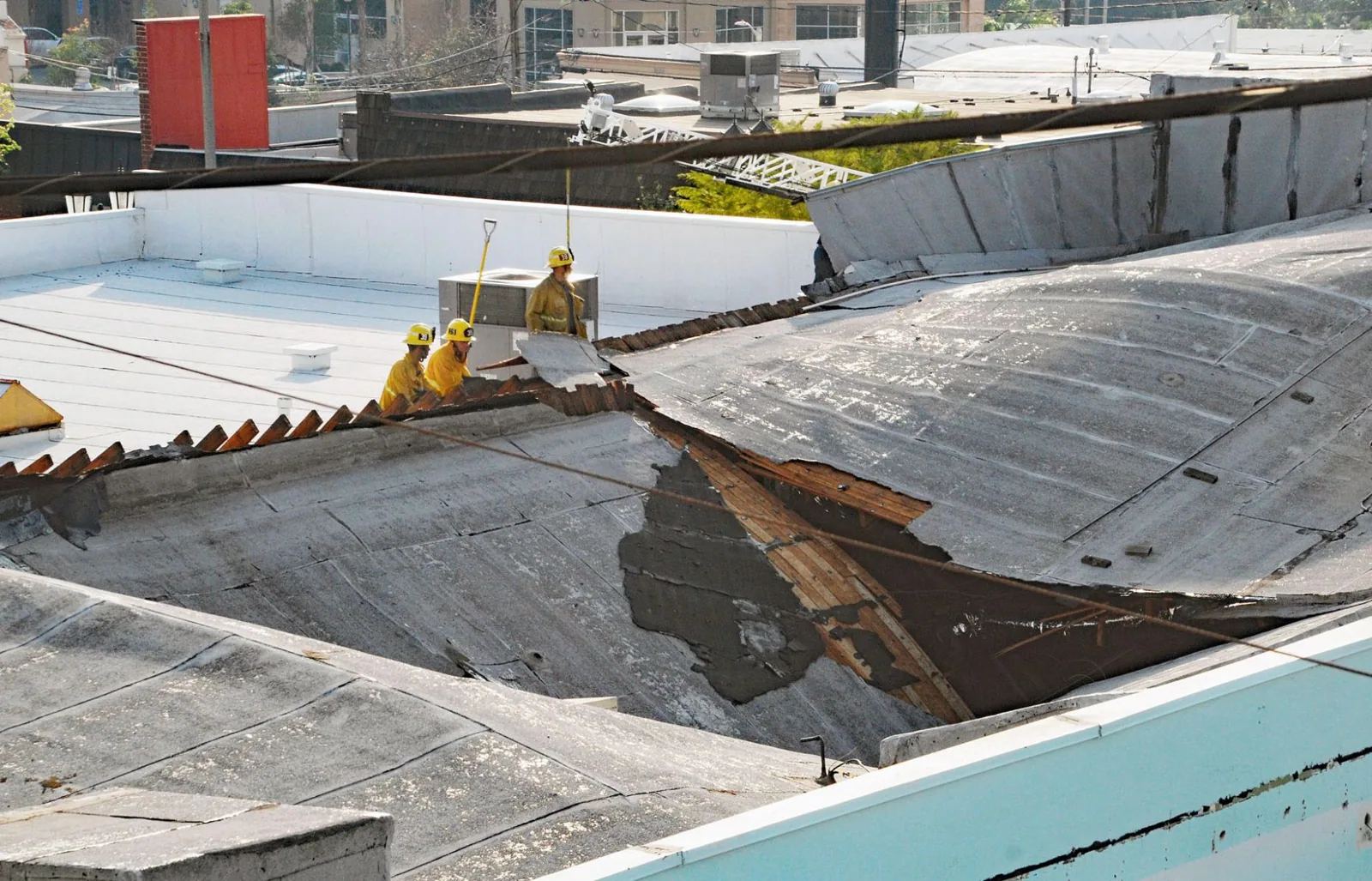
When debris blocks a drain, clearing the path and checking the connection may address the immediate issue. A damaged drain bowl, open flashing, or membrane failure around the outlet requires a repair detail. If the field is consistently low, a localized patch will not change the grade; the owner may need a tapered assembly, cricket, or another designed drainage correction, subject to the existing structure and system. We identify the condition and the limit of what roofing work can address before proposing a larger slope correction.
Cost and timing depend on access, water extent, drain type, existing layers, moisture findings, and whether the repair can be made in a dry window. The scope comparison states the measured area, temporary protection, test openings, material compatibility, exclusions, and any design coordination. A recover assessment can determine whether the existing assembly is suitable to remain; replacement planning is considered when wider assembly condition makes localized work less reliable. We close with photos, drain details, and a follow-up recommendation. A second visit should use the same roof-zone reference and a comparable point in the runoff cycle, so the owner can tell whether the pool cleared or a physical depression remains.
During follow-up, the same roof-zone labels make it possible to compare a dry-weather visit with the next post-rain condition. We can record whether water cleared, whether an outlet remained open, and whether a repaired transition showed fresh movement. That later observation can prevent a cleaning visit from being mistaken for a permanent drainage correction. The owner receives the revised finding and any further test or design step before a larger alteration is authorized.
Commercial Roofing Questions
How can we tell whether water is ponding or the drain is simply clogged?
We inspect the outlet and roof surface together, then note whether water remains after debris is cleared and runoff has had time to move. A slow or blocked drain, a low area, and a damaged connection should appear as separate findings in the condition log.
Does standing water always mean the roof needs replacement?
No. The right scope depends on why the water remains, what the membrane and insulation show, and whether drainage can be corrected without changing the broader assembly. We identify a cleanout, outlet repair, localized slope work, or a wider option based on field conditions.
Can a cricket solve a persistent low area?
A cricket can redirect runoff when the existing structure and roof system allow it, but it does not correct every cause of ponding. We document the area, drain route, and roof assembly first, then identify any structural or design review needed before proposing a slope change.
What should we record before the next rain?
Mark the roof zone, outlet, and approximate basin boundary, then photograph it with a reference point and visit date. If water is still present, note when the rain ended and whether nearby drains were clear, so the next inspection can compare similar conditions.
How do you protect a building while correcting the drainage detail?
We state the open work area, temporary dry-in, material staging, and the point at which the roof is closed each day. If the repair reveals wet layers or a larger defect, we document the condition and get direction before expanding beyond the agreed work boundary.
Arrange a Lynn roof drainage inspection
Share the roof area, drainage complaint, recent rain timing, access contact, and any interior reports. We will map the water path and define repair options.
Back to Roof Damage Repair.