
Commercial Roofing in Downtown Lynn, Lynn, MA
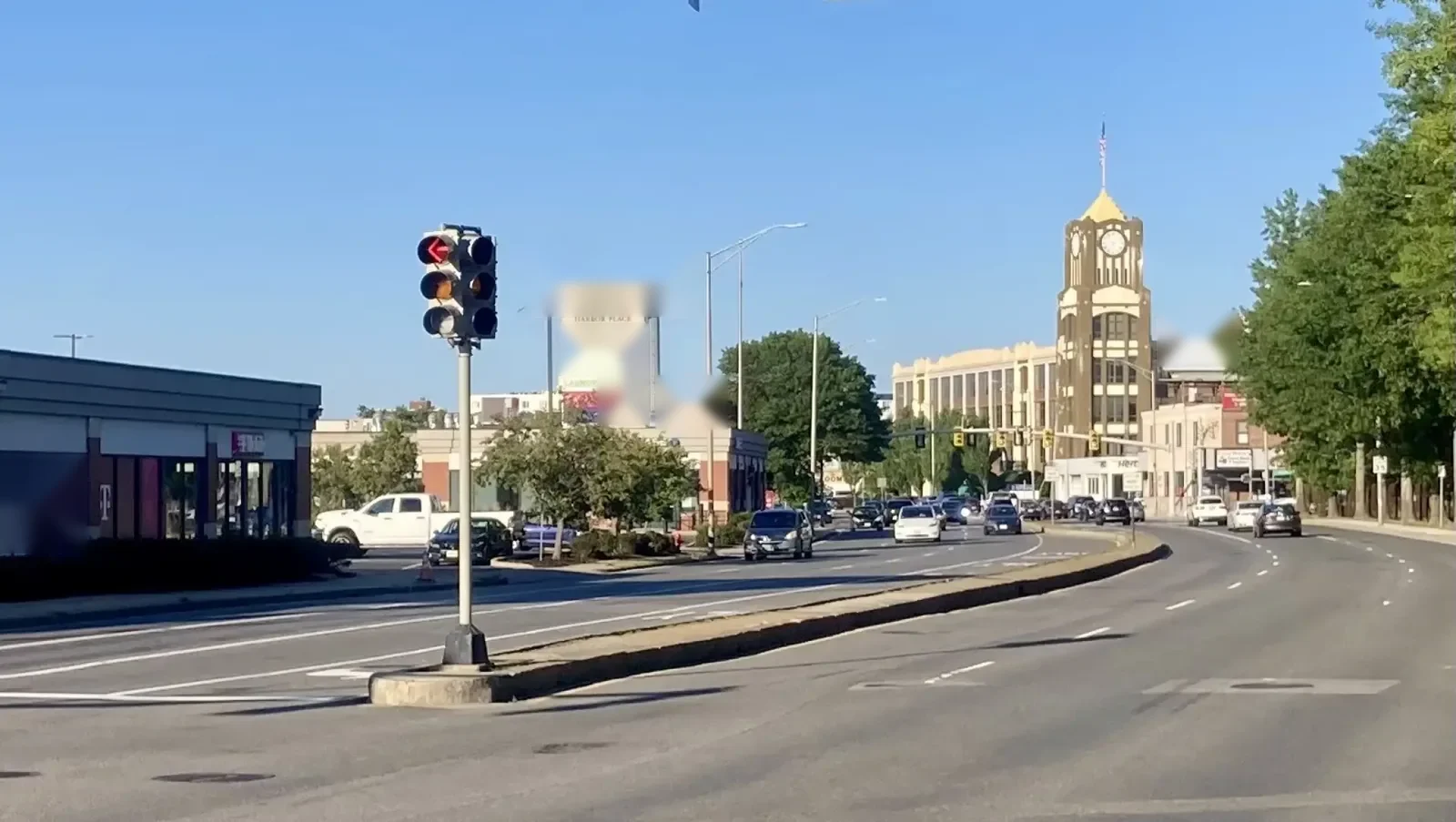
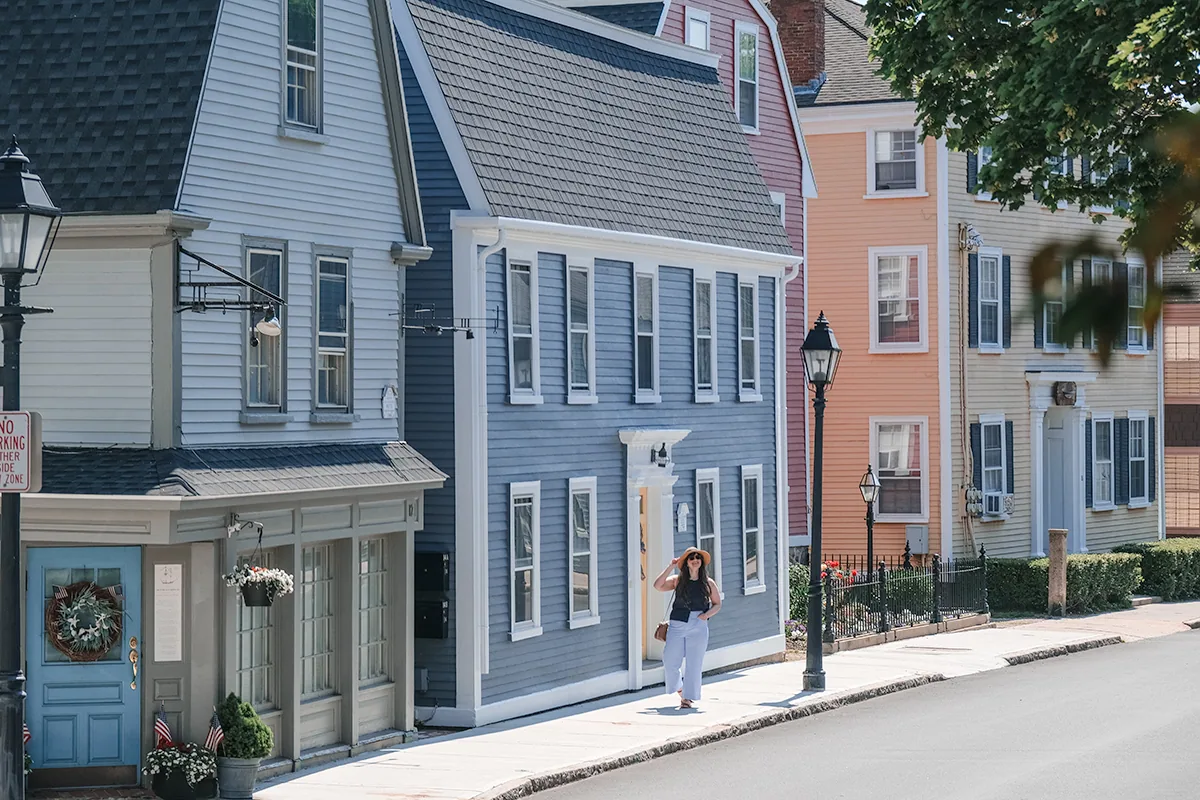
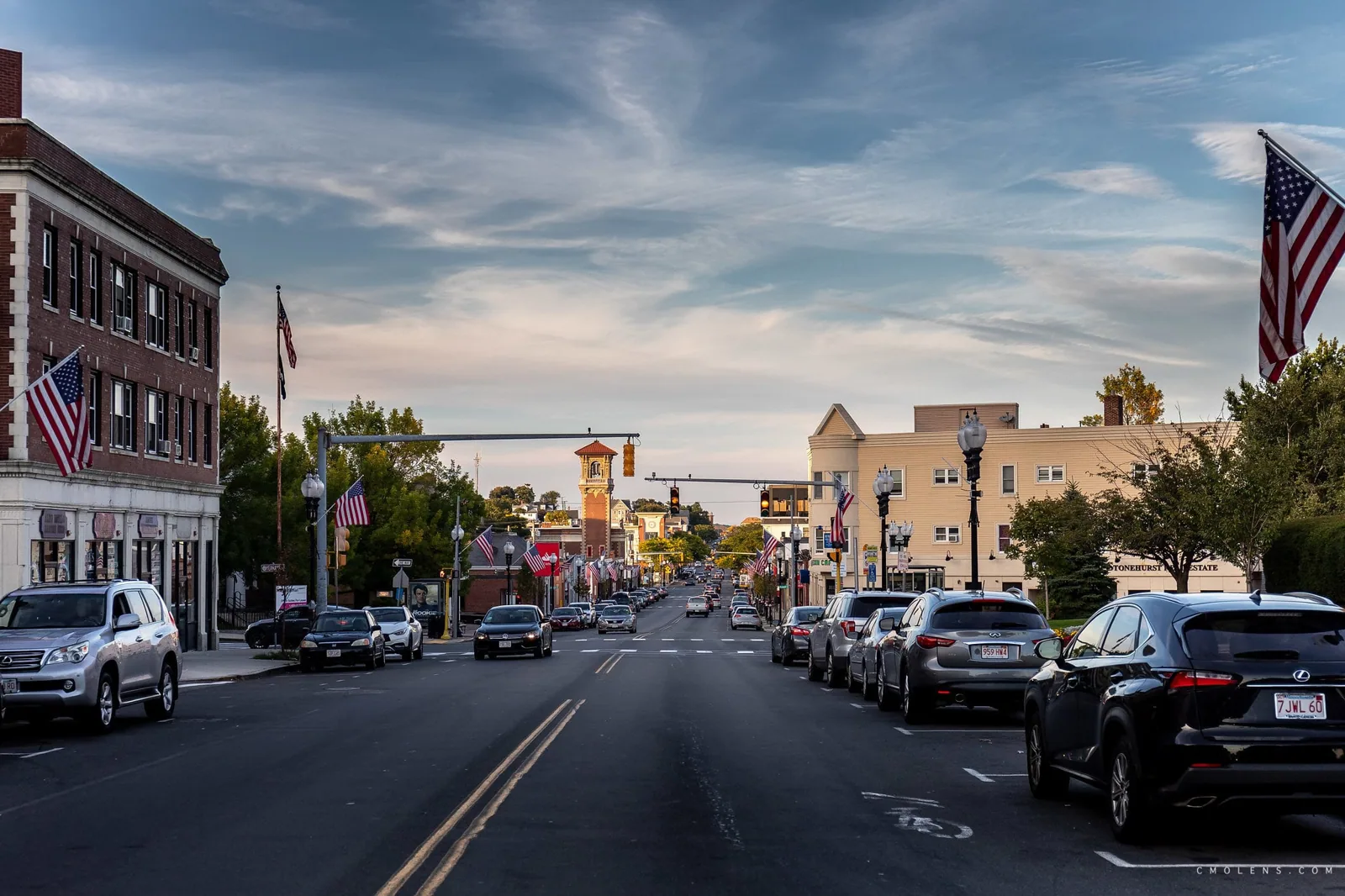
A downtown roof project near the Lynn MBTA station has to be planned around the building's actual use, its occupants, and the roof details that control water entry. The city's downtown strategy centers on a roughly five-by-five-block node near the Lynn MBTA station, while the state-recognized cultural district includes galleries, music, restaurants, public art, events, and historic walking tours. Those features make owner coordination important when a roof project affects entrances or occupied areas. With the property contact, we confirm each building's public hours, roof access, construction details, and operating constraints before setting a work boundary. A roof inspection can document accessible conditions, and a condition report can keep findings and limits visible to the owner.
Plan commercial roof repair in Downtown Lynn with attention to occupied spaces, public activity, water control, access, and documented work limits.
Occupied building: keep entrances and interior protection in the plan
Before a roof walk, we ask which entrances, service areas, tenant spaces, or customer paths must remain available. The owner or manager can identify hours of operation, scheduled events, deliveries, sensitive rooms, and the contact who can approve a temporary closure. We use those answers to coordinate ladder or hatch access, material handling, noise-sensitive work, temporary dry-in, and cleanup. An event in the cultural district does not tell us what is scheduled at an individual property, so current site details need to come from its manager.
On the roof, we document accessible sections and state anything that could not be reached. Photos identify the roof zone and the condition shown. If the owner reports a ceiling mark, we preserve the room and timing separately from the roof observation until the entry path is confirmed. A patch proposal should identify its limits, materials, preparation, and what remains outside the work. Occupied-building reroof planning may help when the project covers broader areas and occupants need a staged sequence.
Roof check: connect visible details to a specific repair
We examine drains and scuppers, membrane seams, edge metal, curb and wall flashings, penetrations, visible prior patches, and any reported leak area. A blocked drain, open lap, loose edge, or deteriorated sealant is described by location and condition rather than used to label the entire roof. Where multiple occupants or rooms are involved, the roof-zone map helps compare their reports without assuming a single entry path. A test opening is an option only when concealed layers or moisture could change the work; the owner should approve its location and restoration method.
Downtown Lynn's Market Street Vision Plan focuses on the street and nearby downtown surroundings as a mixed-use area. This planning context is useful when a property manager needs to coordinate a roof project with a larger use or investment plan, but it does not define the roof's construction or current occupancy. The survey should identify actual restrictions from the owner and keep planning assumptions separate from observed membrane and flashing conditions. Market Street Corridor is a related downtown area page; each property receives its own inspection and repair scope.
Lynn weather: include seasonal water and movement checks
Boston Logan's annual weather record includes 44.52 inches of precipitation and 48.2 inches of snow; July's mean daily high is 83.2 degrees and January's mean daily low is 24.3. Downtown roof inspections can use those seasonal averages to plan drainage checks and access windows around tenant operations. The visit records any open seam, deteriorated flashing, standing water, loose perimeter detail, or no confirmed defect in the zones reached.
During Sandy in 2012, coastal flooding affected Massachusetts, with strong wind measurements recorded in Boston and Revere Beach. Severe southern New England thunderstorms can bring damaging gusts and hail at least one inch. After a reported storm, we compare current perimeter and drainage details with earlier photos where available. Wind damage evaluation or a hurricane-related review describes visible changes and any next test for the owner.
Scope options: preserve use while the repair boundary is open
A local flashing or seam repair may fit when the defect is limited and surrounding materials remain sound. More widespread wear, recurring leaks, or moisture below the membrane may call for testing or comparison with a larger repair or replacement. We state the work area, materials, preparation, staging, occupant protection, dry-in, exclusions, and any test assumptions. A defined repair should not imply that uninspected sections are repaired. If replacement becomes a candidate, the replacement scope needs its own phasing and interior protection plan.
Cost and timing depend on roof height and access, crew setup, material handling, repair quantity, occupied areas, and the hours allowed for work. If the building has a public-facing entrance or tenant schedule, the owner can identify acceptable routes and windows before finalizing the proposal. We separate confirmed constraints from assumptions, then plan how each section can be left watertight at the end of a shift. That allows managers to prepare occupants without claiming that a work sequence will fit every downtown property.
In a downtown work zone, a lift placement or material drop can affect entrances used by tenants, customers, and event visitors. The site contact identifies the route that must remain clear, and the daily sequence shows where barriers, temporary protection, and end-of-shift dry-in sit. If roof access depends on an occupied suite, the schedule includes the person who can release that access window.
Record: make the next visit easier to coordinate
Closeout should include dated photos, repaired roof zones, materials, preparation, test results, remaining exclusions, and a follow-up recommendation. If a roof section could not be inspected, note why and what access is needed next time. The owner can keep that record with maintenance history and event or tenant coordination notes. A future property manager can then tell which details were observed, which were repaired, and which still need attention.
For work in the broader downtown area, Washington Street Gateway and Market Street Corridor are distinct planning contexts. Shared city conditions do not make their properties interchangeable. Provide the building contact, reported area, available roof history, and operating or event window to schedule a roof walk. We will document the accessible condition, discuss repair choices, and identify where a separate investigation is needed.
For a building that remains occupied during repair, the owner should identify the person who can approve a temporary path change or a short closure. We can state that need in the work sequence and coordinate the return of entrances and protected areas at the end of each shift. The manager can confirm completion before the next public access period.
Commercial Roofing Questions
How do you schedule roof work around Downtown Lynn events?
The property manager confirms any building-specific events, entrance restrictions, customer hours, and delivery windows. We coordinate deliveries and public-route protection with each property contact, then set the work schedule around confirmed operating hours.
Does the downtown strategy mean my building is mixed-use?
No. The plan describes a downtown node and surrounding mixed-use area, not the use or construction of every building. We ask the owner to identify the actual occupancy and roof access requirements before the inspection.
Can you inspect a leak without disrupting tenants?
We coordinate the roof access and any interior review with the building contact. If a room or work area needs protection or access cannot be arranged, the report records that limit and identifies a follow-up step.
What roof details are most useful to document in a downtown repair?
We map accessible drains, seams, flashings, edges, penetrations, and previous patches, then connect any reported interior condition to its own date and location. The scope states the actual repair boundary and any testing still needed.
What should I provide before scheduling an inspection?
Provide the property contact, reported roof or interior area, access method, operating hours, event or delivery restrictions, and available repair records. This helps us define the visit and protect occupants during any follow-up work.
Schedule a Downtown Lynn roof inspection
Share the building contact, reported roof zone, available repair history, and any tenant or event access restrictions. We can document conditions and define a practical scope.
Back to Service Areas.