
Commercial Hurricane Damage Roof Repair in Lynn, MA
A coastal storm can leave separate roof questions: movement at the perimeter, rain through an opening, water at grade, or debris impact. We record each condition separately before calling the work storm-related. Hurricane Sandy’s Massachusetts impact included coastal flooding, and reported east-coast surge generally ranged from 2.5 to 4.5 feet. For a Lynn roof review, that history makes it useful to document edge transitions and water paths after a coastal storm; the inspected damage, rather than the regional event, defines the repair. We inspect the building before setting a repair boundary. We inspect the actual assembly, affected rooms, and safe access before setting a repair boundary. At the Lynn Harbor Port Area, each roof still needs its own inspection and repair boundary.
Commercial Roofing Lynn assesses wind, rain, and flood-related roof conditions after coastal storms, then records temporary protection and repair limits.
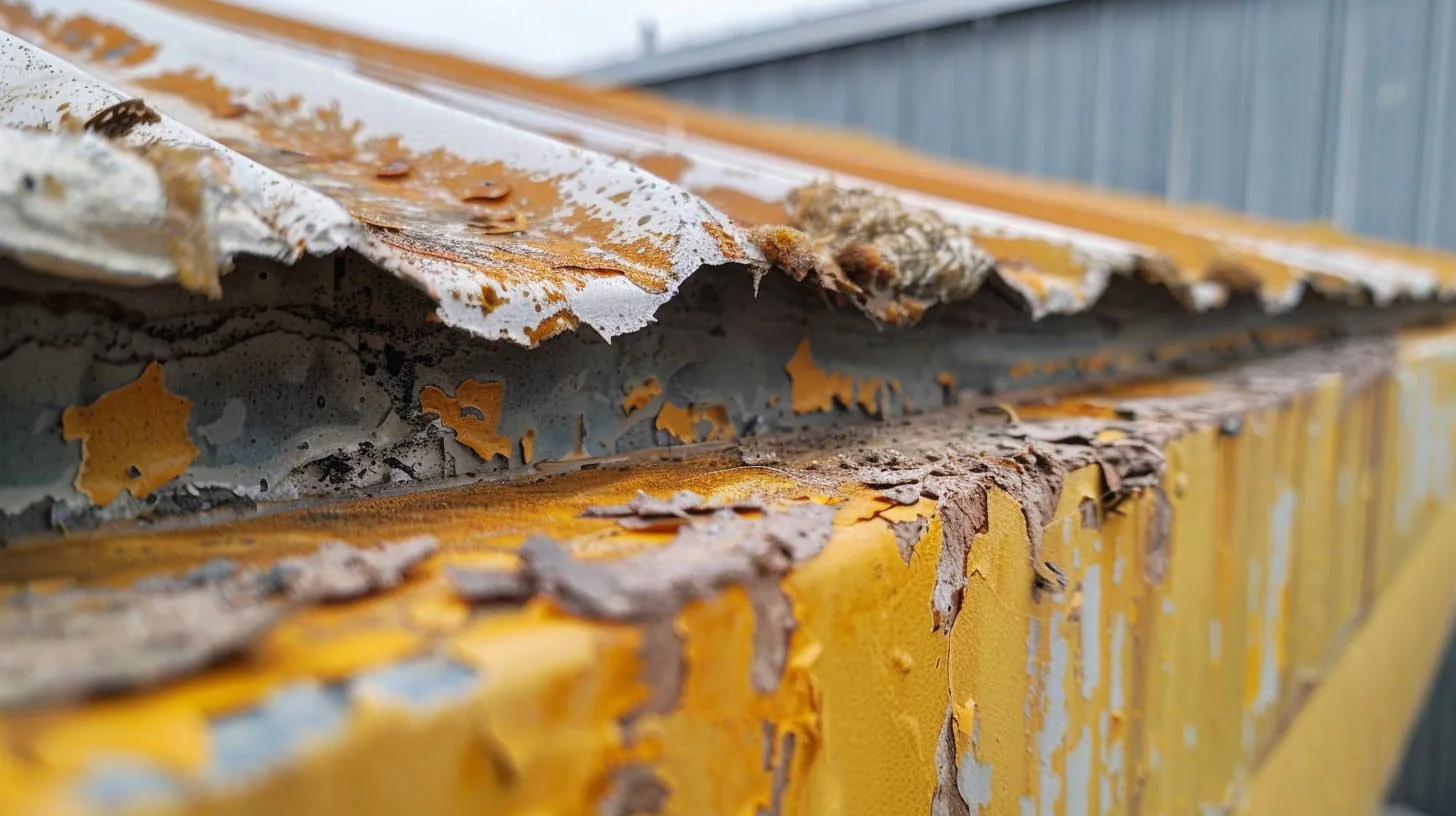
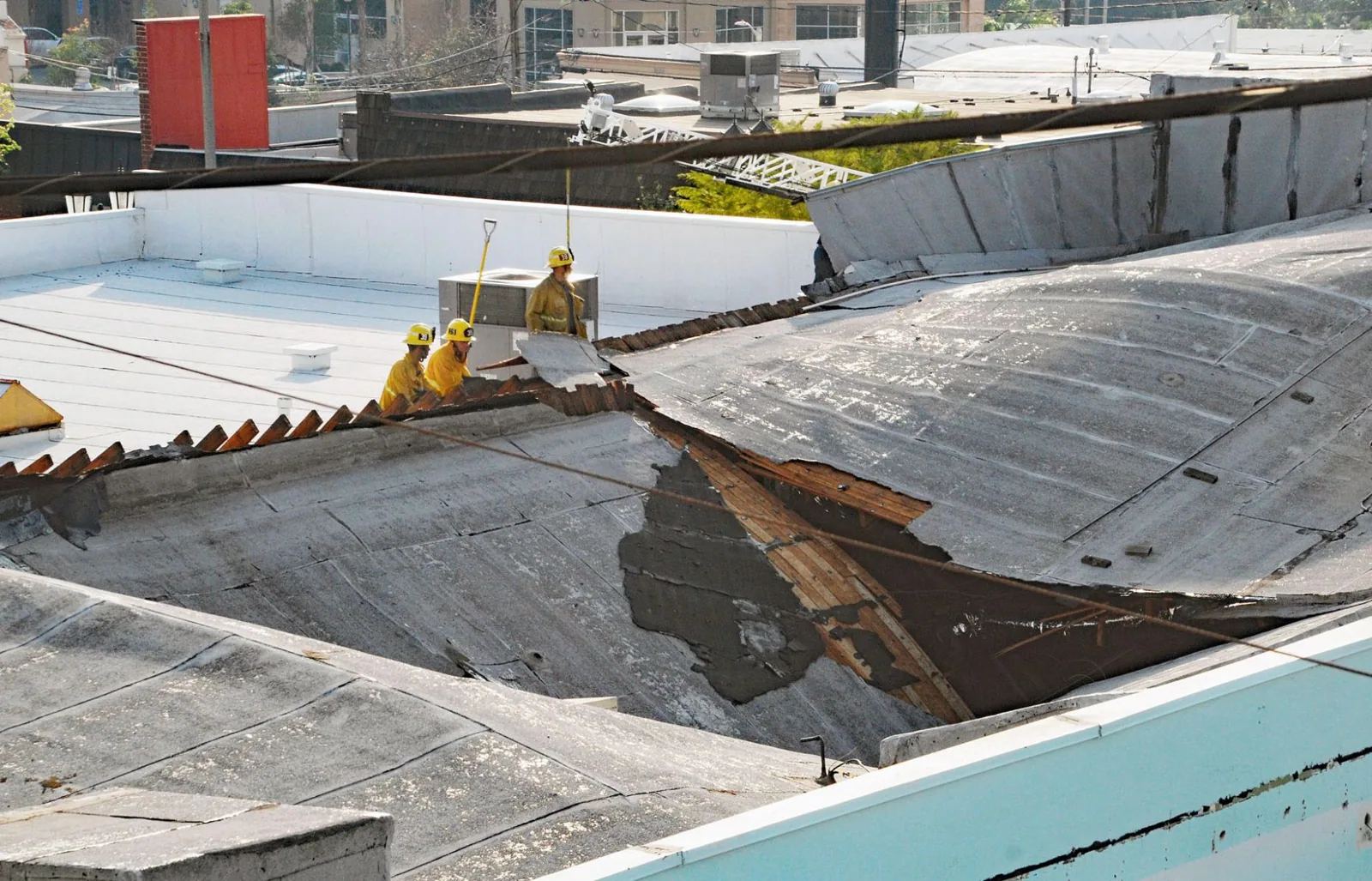

Storm assessment: separate roof wind from water at grade
Floodwater at a door or loading area and rain entering through a roof detail have different paths. We record where water reached the building, any reported height at grade, whether a roof opening exists, and the sequence of interior symptoms. On the roof, we check edge metal, coping, terminations, seams, curbs, drains, and penetrations. Photographs and time notes keep those observations distinct from owner reports and pre-existing maintenance. We document wind movement at the perimeter and use a wind-damage inspection to record any related opening or water route.
Where debris remains or the roof is not safe to access, we wait for clearance and document the areas that could not be inspected. A safe first visit may establish only the visible damage and temporary protection. The report identifies what needs a follow-up walk, a test opening, or another qualified assessment before the permanent repair quantity can be finalized.
For a commercial building that remains open, restoration requires a contact who can approve access, isolate an interior area, and confirm when a temporary measure can be removed. We note public entrances, delivery points, equipment access, and any rooms that cannot be entered during the first visit. The work sequence should keep a protected path between the crew and roof hatch and state how the site will be left at the end of the shift. If debris or standing water limits visibility, the report names that limitation rather than assuming the hidden area is clear.
Temporary dry-in: control openings while keeping evidence visible
If water is entering, we can protect an opening when access and weather allow. The temporary detail should cover the specific area, secure its perimeter, and identify what remains exposed. We photograph the original condition when possible, then show the protection installed and record when it needs checking. A dry-in is an interim measure, not proof that concealed wet material has been removed or that a permanent repair is complete. Emergency roof response can limit ongoing exposure while the full assembly and repair path are evaluated.
Lynn’s operating settings can call for different recovery logistics: cold-storage or food-processing work may need coordination around temperature-sensitive areas, while a downtown property may require a protected public entrance. We confirm the affected rooms and operating constraints with the building contact before setting the repair phase. The owner or facility contact confirms the affected rooms, inventory, delivery routes, and emergency access before the roof phase is scheduled.
Where the cover must remain overnight, the property contact should know which area it protects and when a return inspection is scheduled. The file records weather exposure, attachment points, and any change to the temporary condition so the next crew does not mistake a protective layer for the final repair.
Coastal review: inspect transitions after wind-driven rain
After a major coastal system, inspect the roof’s perimeter, wall turns, penetrations, and drainage as separate details. The historical measurements provide regional context: Boston recorded a 62 mph gust during Sandy, while Revere Beach measured 54 mph sustained wind. Those readings do not identify damage at a Lynn property; the roof walk and dated condition record do. We compare the event timing with the building's condition records, inspect fasteners and membrane transitions, and note whether water came from above, from an opening, or from conditions at grade.
A temporary closure should account for the seasonal conditions around Lynn: Boston Logan’s January mean daily low is 24.3 degrees, its July mean daily high is 83.2 degrees, and the station records regular precipitation and snowfall. If an opening remains exposed, describe the protection, uncovered roof section, and next inspection window before permanent work starts. If a storm has opened the roof, later rain or a freeze can increase exposure before permanent work starts. We describe the condition of temporary protection, any roof section still open, and the next inspection window. The Lynnway corridor serves regional movement, while delivery and staging still need property-specific planning.
At Lynn Harbor, marine-dependent industrial uses share a working waterfront with regional transportation access. A site contact can tell us how a delivery or service window affects the repair; the general area designation cannot set the building's schedule. Downtown Lynn's public-facing activity offers a different local context, and the owner should identify any entry, storefront, or event route that needs protection during restoration.
Permanent scope: tie the repair to observed storm conditions
The proposal lists the affected roof zones, observed damage, assumed layers, repair details, access, temporary protection, and exclusions. A localized edge repair may be suitable where the surrounding assembly is secure; broader separation, wet insulation, or a damaged deck can require testing or a larger replacement comparison. We show the evidence behind each option and pause for owner direction if a test opening reveals conditions outside the approved boundary. Flashing repair handles a confirmed transition failure, while drainage repair addresses water retained on the roof rather than water at grade.
After work, the closeout file contains dated photos, temporary and permanent work, materials, roof-zone references, remaining conditions, and recommended follow-up. Claim documentation can keep the event timeline and roofing observations organized without deciding coverage. The owner can compare the final condition with any later inspection and avoid assigning unrelated roof aging to the storm event.
When a storm shifts equipment supports, dislodges a rooftop accessory, or lifts an edge, we record each component and its relation to the membrane. A mechanical or structural review may be needed before the roofing detail is rebuilt. The repair proposal should identify these interface items as included, by others, or pending direction, so the owner does not receive an estimate that appears complete while an essential attachment remains unaddressed. We also note whether a follow-up inspection should occur after the next rainfall.
Commercial Roofing Questions
Does the Sandy storm record mean my Lynn property flooded?
No. Regional measurements describe conditions reported across the Massachusetts coastline and nearby observation points, not a specific property. We inspect the building and keep water at grade separate from rain entering through the roof.
Can you install a temporary cover before permanent work is scoped?
When the roof is safe to access, we can document and protect a defined opening, then state what remains exposed and when to check the cover. The permanent scope follows the assembly inspection and any needed testing.
How do you distinguish wind damage from older deterioration after a hurricane?
We compare event timing, prior repair records, adjacent roof areas, and the condition of edges, seams, and penetrations. The report identifies what is consistent with observed movement and what remains an unresolved or pre-existing condition.
Should floodwater and roof leaks appear in the same estimate?
They can be described in one project file, but the water paths and work boundaries should remain separate. The roof scope addresses membrane and flashing conditions; any flood cleanup or interior recovery requires its own evaluation.
What details should the permanent repair proposal include?
List the affected roof zones, repair methods, materials, access, temporary protection, test results, exclusions, and remaining conditions. Dated photographs help the owner and adjuster compare the proposal with the inspection findings.
Request a Lynn coastal storm roof assessment
Provide the event date, affected roof or interior zones, water-at-grade observations, building use, and access contact. We will document each roof condition and define next steps.
Back to Roof Damage Repair.