
Commercial TPO Roofing in Lynn, MA
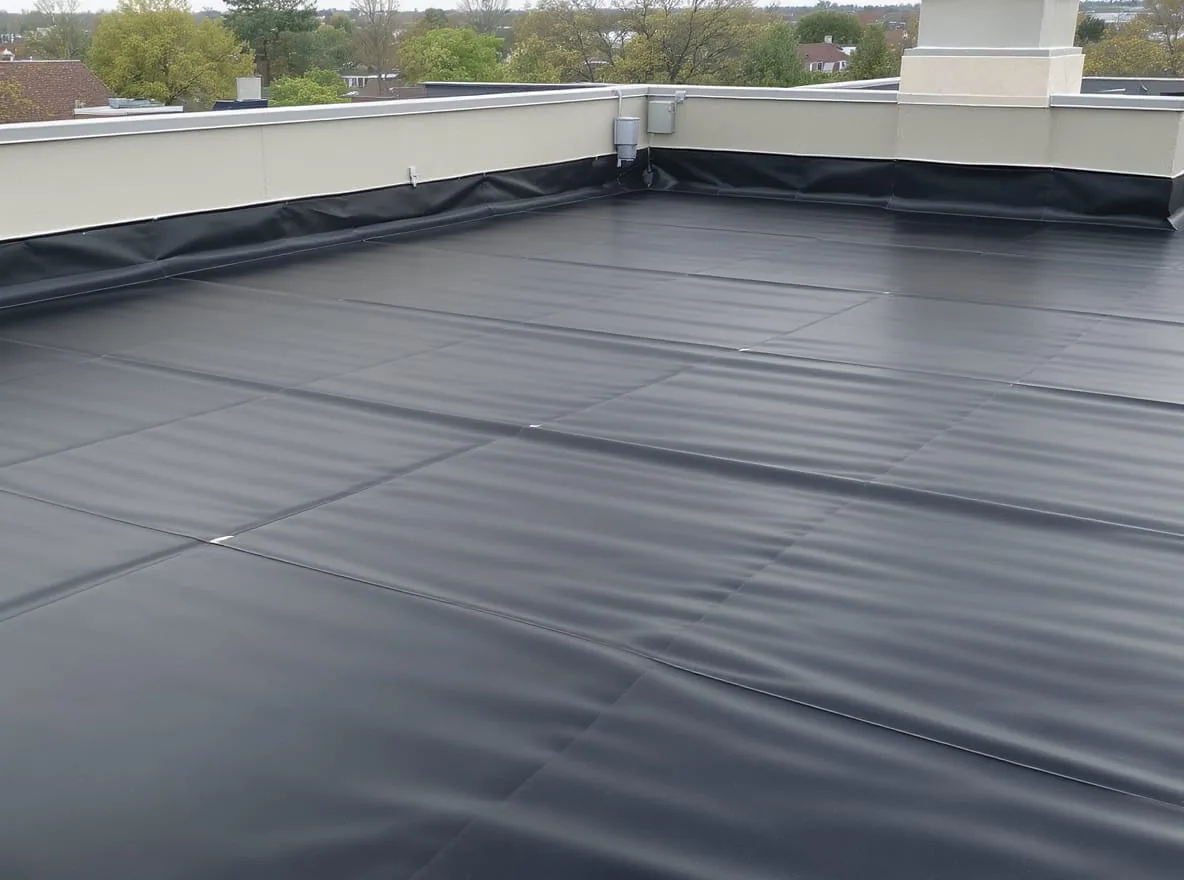
For a Lynnway Park warehouse or food-processing building, a TPO decision starts with the roof that is there, not a product label. We record the existing membrane, attachment, insulation transitions, drains, curbs, and perimeter details by roof zone. That assembly record shows where seams or flashing need closer review and where a test opening may help. A white thermoplastic membrane can be considered when the deck, slope, use, and project requirements align, but it still depends on sound substrate preparation and inspectable details.
The operating context belongs in the same file. Lynn Harbor supports marine-dependent industry, while Downtown Lynn has active retail, cultural, and mixed-use buildings with tighter access constraints. Our commercial roof inspection pairs dated findings with photos and a marked plan. For a larger scope, compare PVC and EPDM options against the actual assembly, code review, and access window.
Evaluate TPO for Lynn commercial roofs with a documented review of seams, attachment, drainage, penetrations, access, and the existing assembly.
Building use: match the membrane to operations
A distribution roof may have long seams and frequent rooftop traffic; a cold-storage facility can have a different interior environment and a tighter tolerance for disruption. Those differences affect the survey and work sequence even when both owners are considering TPO. We identify equipment paths, service clearances, loading periods, occupied areas, and surfaces that crews must protect. At Lynnway Park, the mix of warehouse, storage, food processing, and cold-storage uses makes it especially important to confirm which roof zones can be isolated and when deliveries can move below them.
Before comparing systems, the owner should know whether the roof deck is sound, whether existing layers can remain, and how new insulation and membrane transitions will meet walls, curbs, and drains. A Saugus property also needs a staging plan that considers active industrial movement. In Downtown Lynn, a narrow service court or active entrance may call for smaller material drops and clearer pedestrian controls. The conditions log should distinguish these operating constraints from membrane defects so the bid does not treat scheduling as an afterthought.
Seams and attachment: inspect the complete assembly
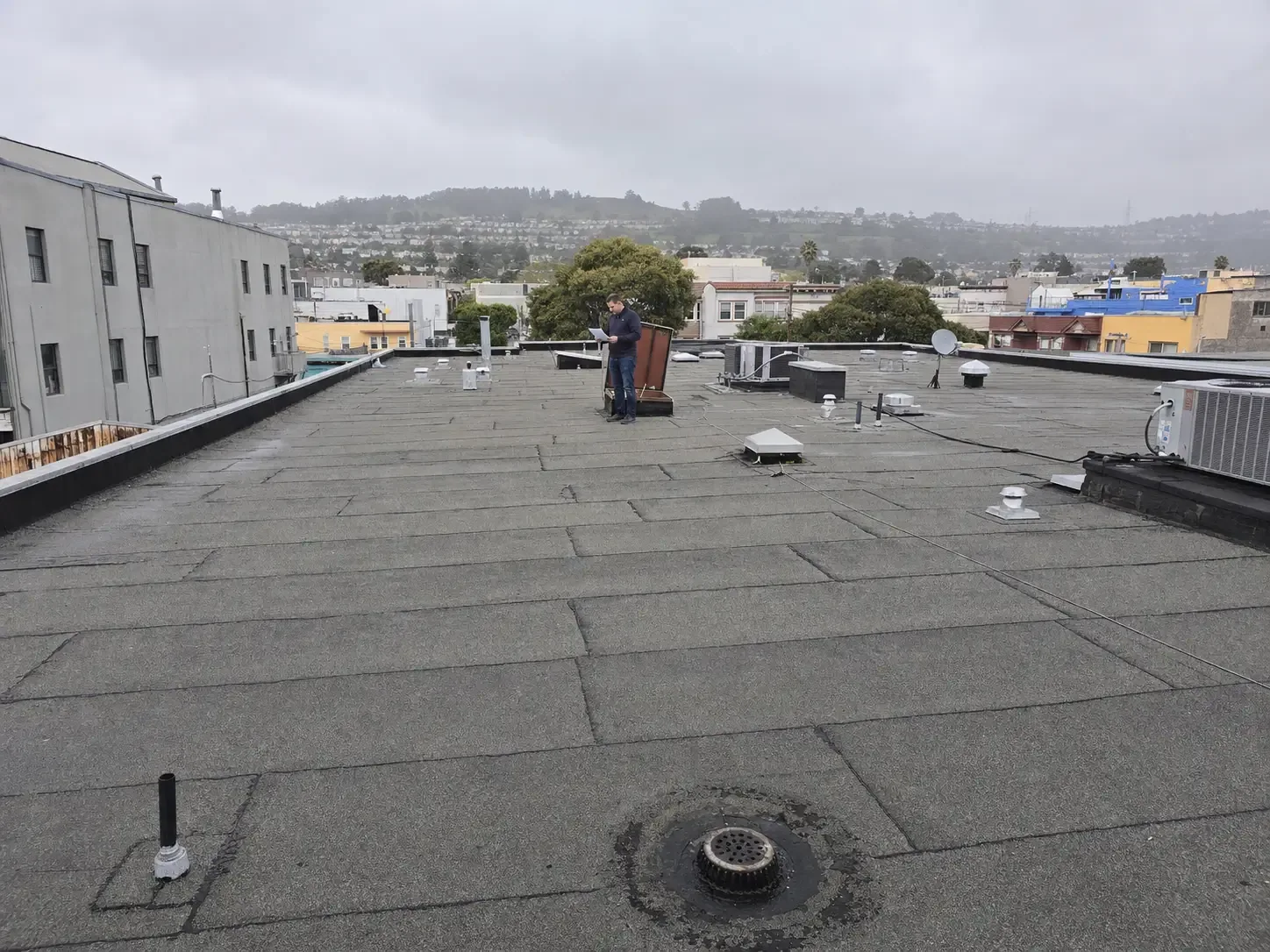
TPO panels are joined at heat-welded seams, so seam condition, substrate stability, and the selected attachment method matter across the roof. During a roof walk, we note open or irregular seams, patches, wrinkles, punctures, movement at transitions, and areas where water stands after rain. A test opening can show the condition of concealed insulation at the selected point. If surface evidence suggests moisture or an uncertain layer history, a targeted test opening can document the materials and condition found at that location. The photo record keeps each finding tied to a roof zone.
The membrane is only one part of the system. We review perimeter securement, wall terminations, expansion joints, penetrations, equipment supports, and drain bowls because a field sheet cannot compensate for an unresolved transition. At the Lynn Harbor Port Area, inspect edge metal and flashing after a reported change, then record any movement or opening found at the property. The same discipline applies after a severe-weather report: identify the actual displaced, torn, or wet condition, then record the limits of the repair. A roof condition report can preserve that baseline for later comparison.
Local exposure: plan for water and seasonal movement
TPO installation planning in Lynn has to account for a winter freeze season, warm summer days, and precipitation through the year. Boston Logan's climate record covers those conditions; we use the project forecast and the roof surface to plan welding, dry-in, and access. The inspection maps scuppers, overflow paths, tapered insulation, edge metal, and TPO turn-ups before any repair or replacement quantity is set.
Sandy brought coastal flooding to the Massachusetts shoreline in 2012, while severe New England storms can carry damaging gusts and hailstones an inch across. For a TPO roof, the follow-up walk checks heat-welded seams, perimeter securement, and flashing at penetrations, recording any new opening or movement by zone. At Lynnway Corridor sites, delivery timing and temporary dry-in can change how much roof opens in a shift. A repair boundary states what comes off and how the roof stays watertight each day.
Scope comparison: repair, recover, or replace
TPO may be appropriate where the project needs a single-ply assembly and the roof conditions support its attachment and detailing. The comparison should still include alternatives. A localized seam repair may be enough where the membrane and surrounding insulation remain suitable. A recover can avoid full removal when existing layers are dry, stable, and allowed by the project requirements. Replacement offers a chance to address concealed conditions and reset insulation, drainage, and transitions, but also creates more tear-off, debris, noise, and exposure to weather. The written comparison lists the work boundary and decision point for each option.
Massachusetts commercial building and energy provisions are based on adopted state codes, so the design team must verify the applicable requirements for the specific project. We document the proposed TPO thickness and assembly, attachment approach, substrate preparation, insulation, edge securement, flashing details, and any allowance for concealed conditions. If a TPO roof is being considered over an existing system, review the existing membrane and moisture evidence before assuming an overlay is viable. The written comparison should state what is observed, what is assumed, what a test opening would resolve, and which condition would trigger an owner decision.
Access and sequencing: protect the open roof
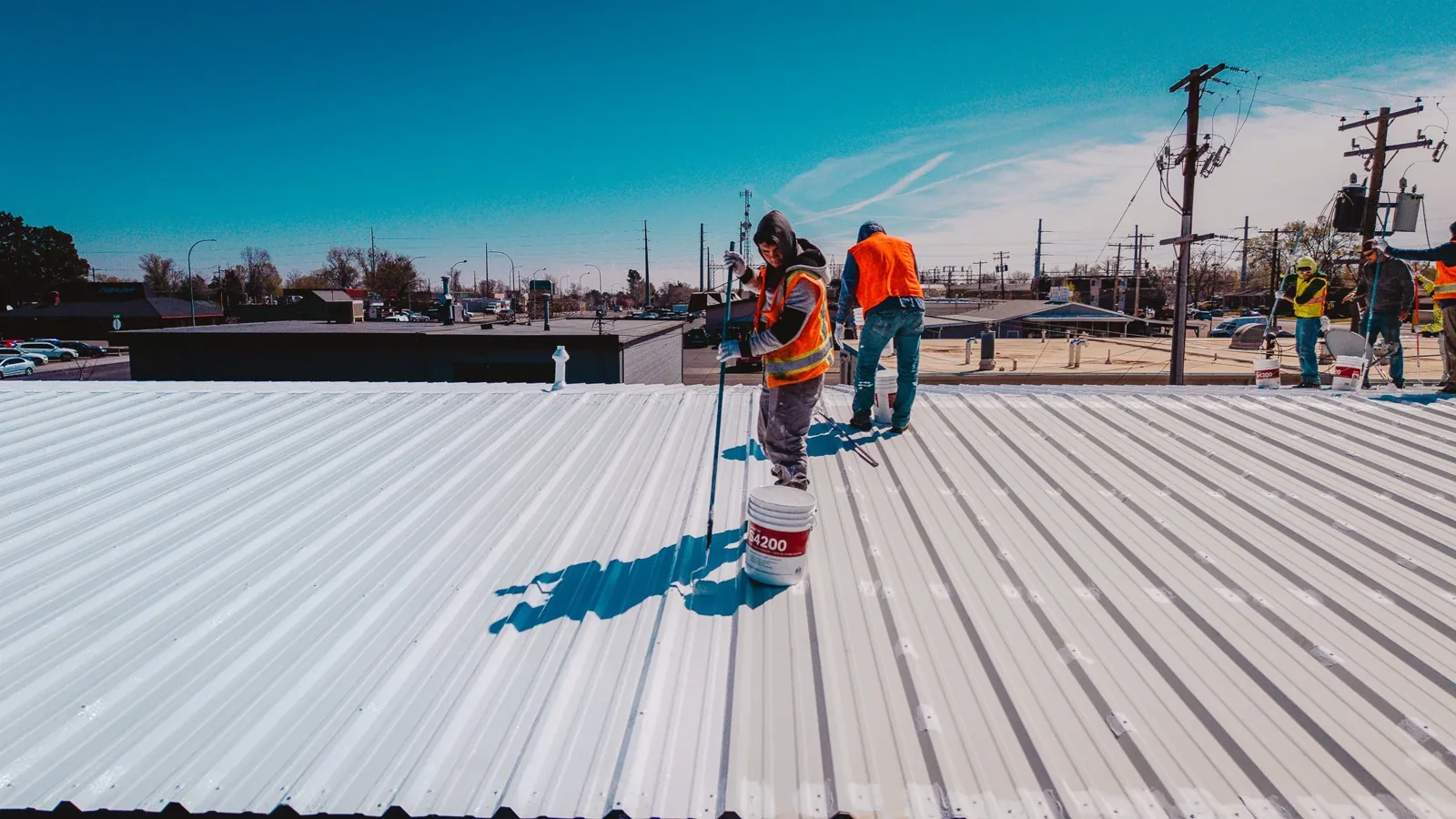
A thermoplastic membrane installation depends on dry, prepared surfaces and seams that can be welded under suitable conditions. The work plan should state which roof zones open each day, how temporary dry-in will be maintained, and how weather affects the next weld or flashing step. For operating sites near Lynn Harbor or the Lynnway, access routes and material staging need coordination with marine, warehouse, or processing activity. We confirm the access contact, equipment restrictions, rooftop paths, and schedule window before recommending a sequence. An occupied commercial building may need smaller work areas and a clear route for staff and deliveries.
Quality review should happen before seams and transitions are concealed. The project record can include substrate observations, seam checks, flashing and edge photos, drain completion, and any deviations from the planned assembly. At closeout, the owner receives a marked roof-zone plan and a dated photo record of repairs or concealed conditions that changed the work. A future roof walk can compare those locations with the new baseline. The closeout file records what was installed, where it sits, and which maintenance checks remain due.
Commercial Roofing Questions
Is TPO suitable for every flat commercial roof in Lynn?
No single membrane suits every assembly. Suitability depends on the deck, insulation, existing layers, drainage, attachment requirements, rooftop equipment, and the owner's operating constraints. A roof walk and, when evidence warrants it, a test opening help establish what is present before a system is selected.
Can a TPO roof be installed over the existing membrane?
Possibly, but an overlay should not be assumed from a surface view. The existing assembly must be assessed for moisture, stability, compatibility, layer limits, and project requirements. The written scope should record the evidence supporting a recover and identify what concealed condition would change that recommendation.
What should an owner ask about TPO seams?
Ask how the installer will prepare the substrate, make and inspect field seams, and detail penetrations, curbs, walls, and perimeter edges. Request a zone-based photo record of the work and a clear description of how weather or access limits will be handled while the roof is open.
How does Lynn weather affect a TPO project?
Lynn-area roofs face winter freezing and snowfall, summer heat, and year-round precipitation. We plan drainage checks, dry-in, access timing, and seasonal work around those conditions, then base the scope on the roof inspection.
What information should I provide to request a TPO roof review?
Share the building use, approximate roof area if known, affected zones, known leak locations, rooftop access contact, and a workable schedule window. Photos or prior repair records can help frame the walk, but the assembly and concealed conditions still need on-roof review.
Request a TPO roof walk
Tell us how the building is used, which roof zones concern you, who can arrange access, and when a review can take place. We will document observed conditions and outline a photo-supported scope for your decision.
Back to Roof Systems.