
Commercial Roof Condition Reports in Lynn, MA
A useful roof report lets an owner see what was inspected, what could not be reached, and how each finding relates to a roof zone. It should distinguish a visible defect from a suspected cause and give enough context to decide whether to repair, investigate, or monitor. For Lynn buildings with different uses and access schedules, the report also needs to record operating constraints and any interior area that requires protection. A roof asset record can preserve the report's dated observations over time, while the report itself should remain a clear snapshot of conditions on the inspection date.
Get a Lynn roof condition report with dated photos, mapped observations, access limits, open questions, and practical repair or follow-up recommendations.
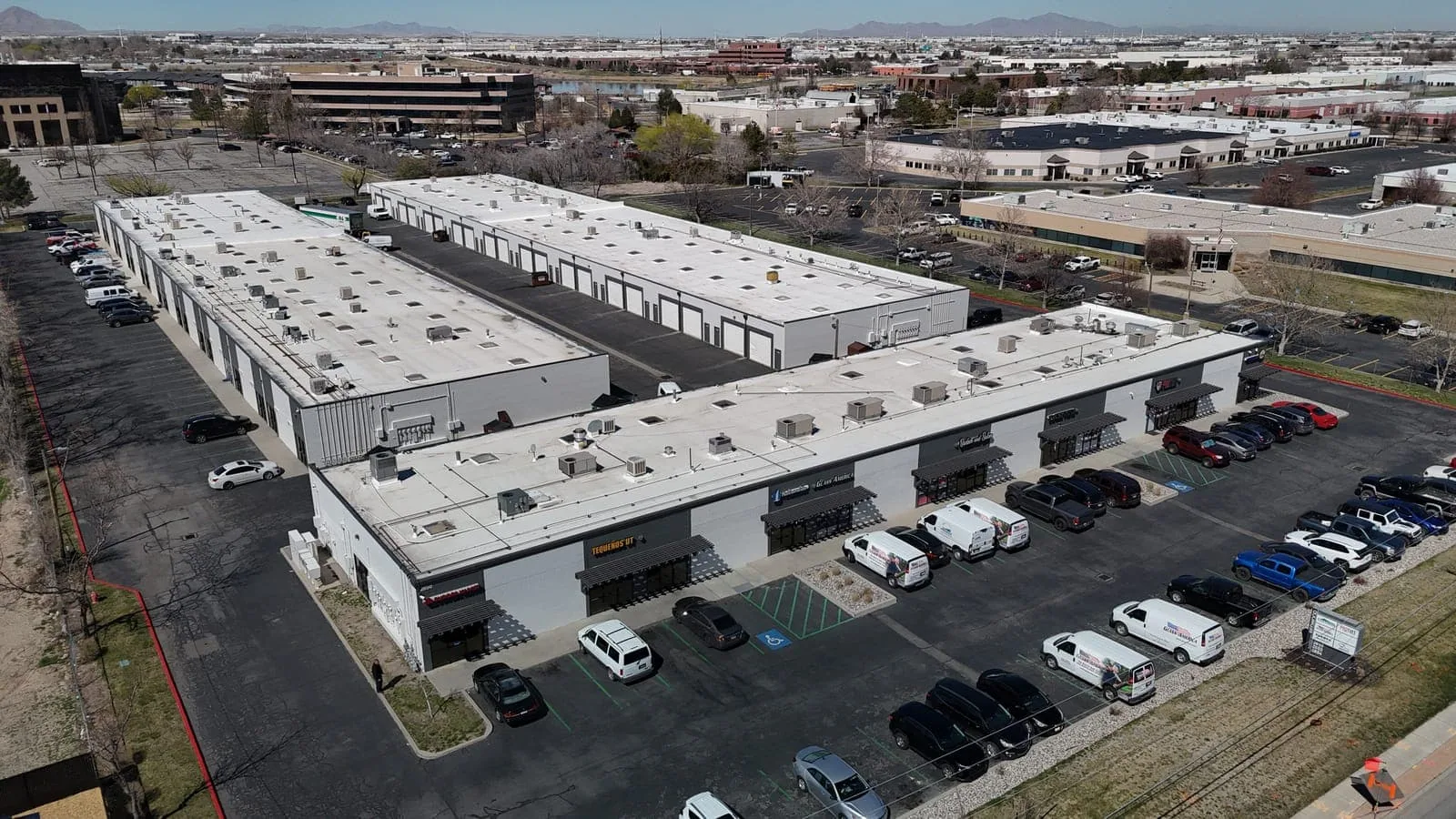
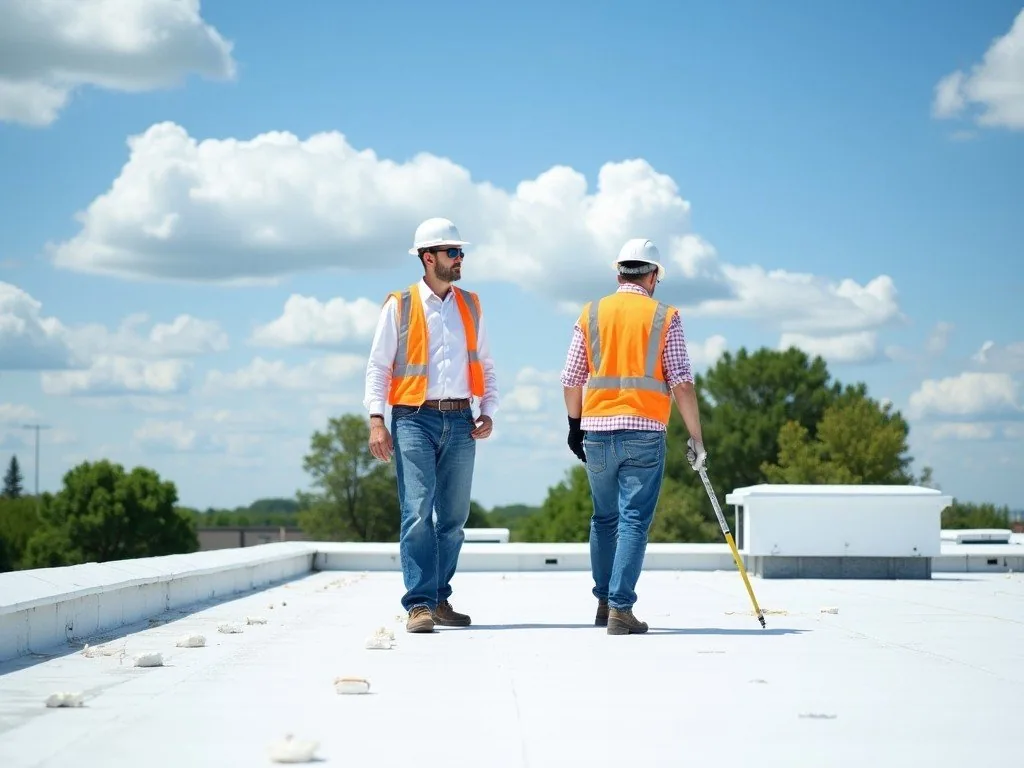
Diligence Notes: make the inspection boundary visible
Before the roof walk, we confirm the building contact, access method, roof sections to review, and whether ladders, hatches, escorts, or fall-protection arrangements are available. The report states which areas were reached and which were excluded because of safety, weather, equipment, or tenant limits. We mark any section that could not be viewed as not inspected. We identify the roof surface where visible, then note system details only when the assembly or records support them.
Photographs are labeled by zone and date, with a caption describing the observed condition and its relevance. An image of a stain, loose edge, blister, open seam, displaced flashing, or blocked drain should not carry an unsupported conclusion about cause. If the owner reports a leak, we record the room and timing separately from what was visible on the roof. Ponding-water review and flashing assessment may be recommended when the condition points to those details.
Owners often need the report to support a conversation among facilities staff, property management, finance, and a tenant. We use plain descriptions that explain the condition without requiring the reader to interpret roofing shorthand. If a technical term is necessary, the surrounding note should say where it was observed and why it matters. A roof-zone sketch or annotated photo can clarify the location without suggesting that a concealed defect was visible. When the report identifies a repair, the recommendation should be specific enough for a contractor to price while still stating the limits of the inspection.
Finding categories: separate repair from investigation
We organize observations by roof zone and practical next step. A finding may call for immediate stabilization, a defined repair, a test opening, records review, or follow-up monitoring. Each entry gives the visible evidence, the likely consequence if left open, and what additional information would change the recommendation. The report avoids calling an entire roof “good” or “poor” when some areas were inaccessible or when concealed layers remain unknown. If testing is recommended, the report identifies the proposed location and the question it should answer.
Where moisture is suspected below a membrane, infrared moisture surveying may help focus confirmatory investigation under suitable conditions. A scan is not a diagnosis by itself, and the report should distinguish screened areas from confirmed wet materials. If the inspection identifies a puncture or separated lap, puncture repair or seam repair can be scoped to the condition rather than applied as a general roof conclusion.
We also identify responsibility for any next step when that is known: owner records, tenant access, roofing contractor review, or a separate testing professional. If roles are not yet assigned, the report names the decision that remains open without guessing who will perform it. The owner can assign a contact and due date when approving the report for follow-through.
Local record: include context without assigning a defect
For a Lynn condition log, the seasonal reference points are a 24.3-degree January mean low and an 83.2-degree July mean high at nearby Boston Logan. The inspection date and roof-zone photos show whether drainage, movement, or repair-material questions are present at the property. Saugus identifies Route 1 and Saugus Center as commercial-development areas; the report records the inspected building’s actual use and operating window.
For waterfront work, Lynn Harbor's designated port area is intended to preserve marine-dependent activity such as shipping, fishing, vessel services, and related industrial uses. This informs a question about access and staging, not a finding about a specific roof. Downtown Lynn's cultural district has retail, restaurants, galleries, public art, and events; when an inspected building is part of that area, the owner can specify customer access or event constraints for the recommendations. We keep this context separate from photographed roof conditions.
Recommendation: make the next step testable
The recommendation section should translate findings into an owner decision. For each item, we state the work boundary, urgency, access needs, and whether quantities depend on a test opening. A repair proposal should identify the materials assumed, preparation, temporary protection, exclusions, and closeout photos. A larger concern may need a follow-up roof inspection or a comparison with replacement planning. The report does not set a service-life promise or imply that a limited visit is an engineering design.
We can also list conditions to revisit, such as an inaccessible roof section, an unresolved interior stain, a drain that could not be tested, or a suspected prior repair without documentation. A dated follow-up allows the owner to compare the same areas after repair or a seasonal cycle. Capital planning can then use the report's evidence to separate near-term maintenance from longer-horizon funding. A closeout file should return the final repair limits, materials, photographs, and any remaining owner action to the same property record.
For work that proceeds, we preserve a clear link between the original finding and completed work. The final record can show which condition was repaired, where the tie-in ends, what material was installed, and whether any adjacent area remains outside the contract. If the repair uncovers a different substrate or an additional defect, the owner should receive a dated update and a revised boundary before the added work is assumed. This simple handoff makes a later review more useful because the next inspector can distinguish the original observation from the repair response.
When several findings compete for one budget, the summary can separate immediate water control from work that prevents renewed damage and from items that only need observation. We tie each priority to its photo, access limit, and stated consequence. The owner can compare timing without treating every item as equally urgent or adding untested areas to the base scope.
Commercial Roofing Questions
What does a commercial roof condition report include?
It identifies inspected roof zones, visible conditions, dated and labeled photos, access limits, reported interior concerns, recommended repairs or tests, and unresolved questions. The report should clearly separate direct observations from interpretations and planning assumptions.
Can a roof report confirm a concealed leak?
A visual report can document an entry point when it is observable, but concealed moisture may require testing. We describe the evidence and recommend a test opening or other suitable investigation when the accessible surface does not resolve the question.
Will you inspect areas that are unsafe or inaccessible?
We do not treat an unreachable area as inspected. The report records why it was not accessed and identifies a safe method or follow-up visit if that area matters to the decision.
How are photos tied to repair recommendations?
Each relevant image is labeled with its date and roof zone, then linked to a finding and proposed boundary. That lets an owner compare a repair scope with the condition shown and review the area again later.
Can I use a condition report for capital planning?
Yes. A dated record can support prioritization and budget discussions when its limits are clear. We identify immediate work, investigation needs, and items for monitoring rather than turning one visit into a fixed replacement forecast.
Request a Lynn roof condition report
Tell us which building and roof zones need review, the reported concern, and the access contact. We can arrange a roof walk and provide a dated photo record with practical next steps.
Back to Roofing Capabilities.