
Commercial Roof Membrane Puncture Repair in Lynn, MA
A puncture may be smaller than a hand, yet the water path can reach insulation, deck, or an occupied area well beyond it. In Lynn, MA, service access on warehouse and cold-storage roofs at Lynnway Park can create repeated foot traffic, while marine and industrial uses around Lynn Harbor may call for equipment visits on different schedules. We map the reported interior area, inspect the suspected roof zone, and identify whether the membrane is cut, crushed, or worn through before selecting a patch. Saugus gives local building context, but the actual surface and assembly determine the repair.
Commercial Roofing Lynn locates membrane punctures, checks surrounding roof layers, and documents a compatible repair and protection plan.
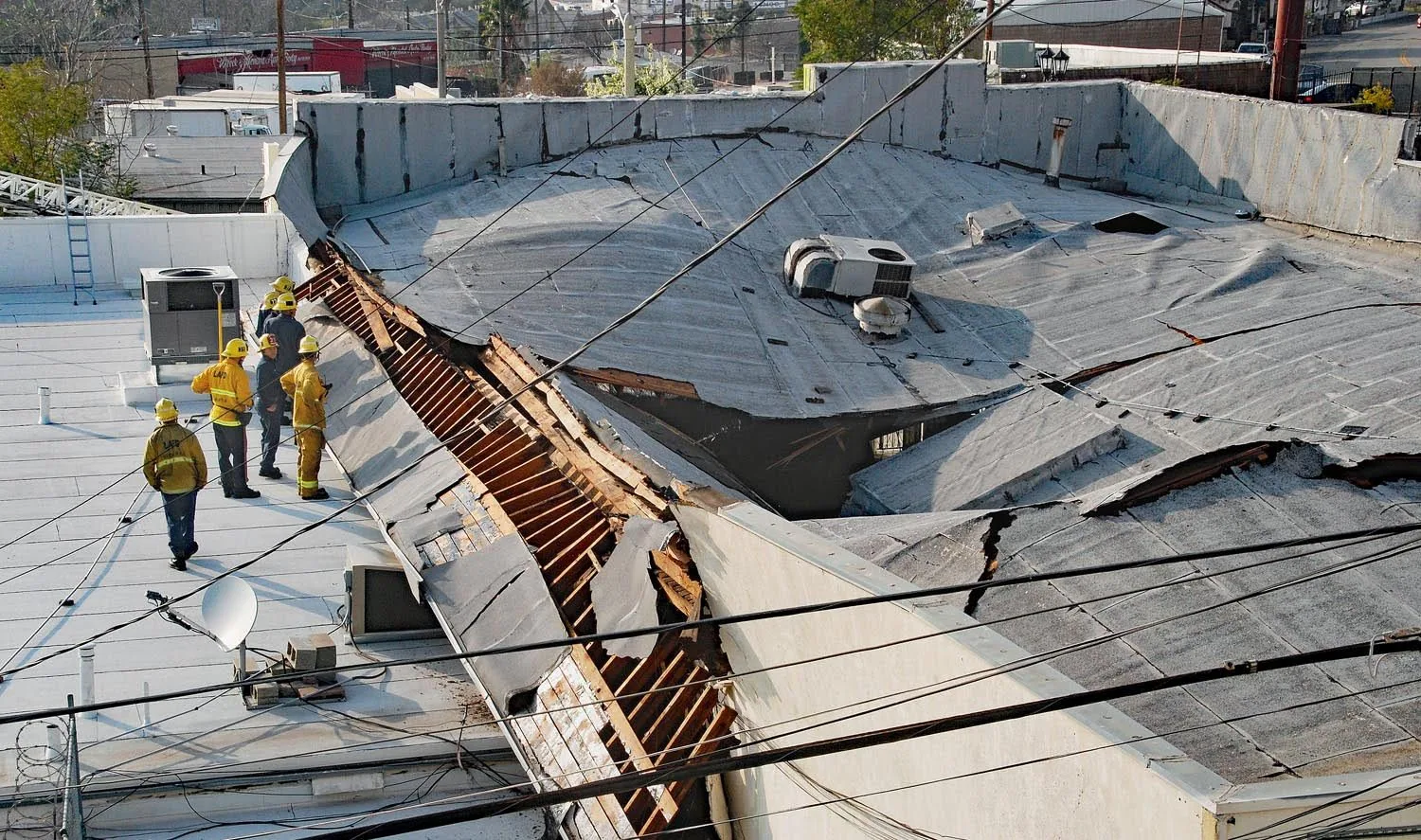
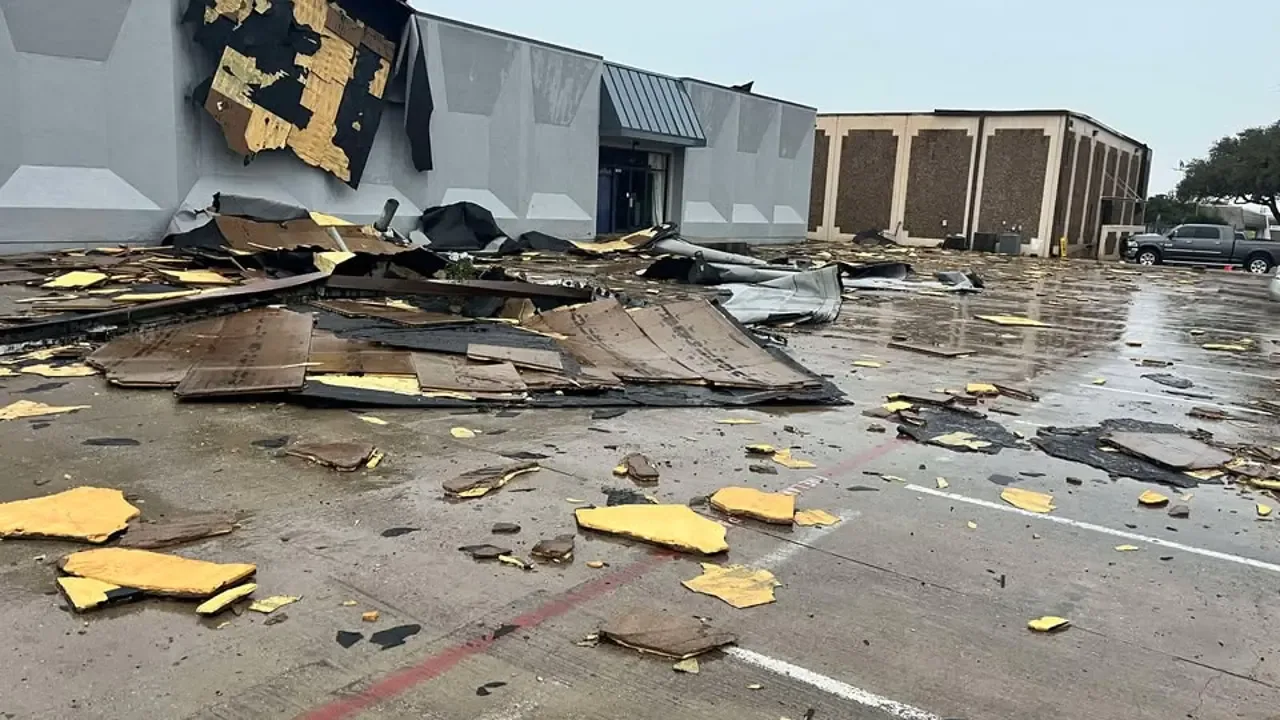
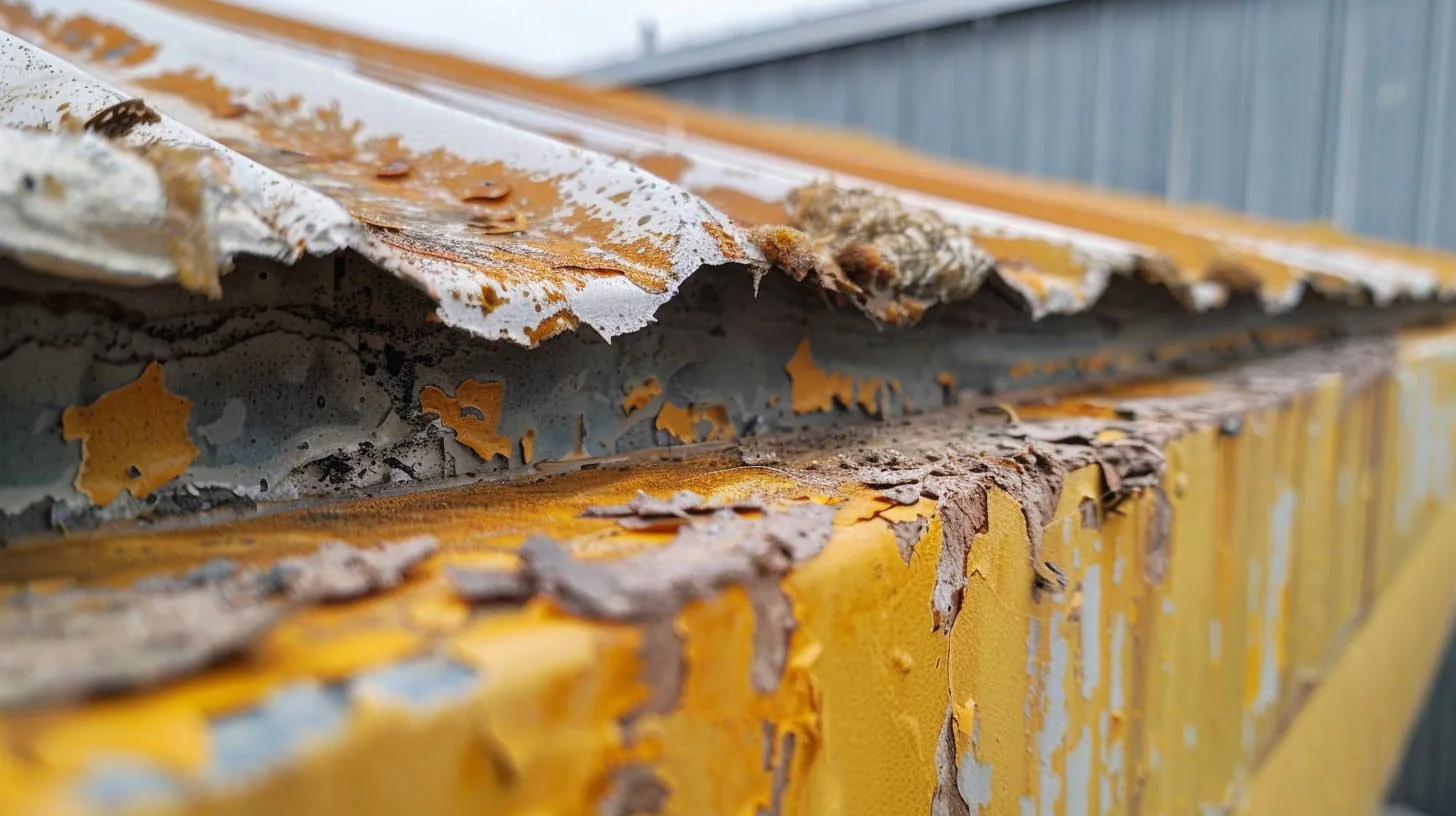
Puncture review: distinguish impact from wear
We inspect the membrane around the suspected opening for a tear, indentation, abrasion, split, or damaged seam, then check the substrate and nearby flashing. A dropped tool can leave a sharp cut; repeated walking may polish or thin a path near a hatch, ladder, or mechanical unit. A puncture can also be hidden by ballast, walkway pads, coatings, or an older patch. The photo record identifies what covered the area, what was removed for inspection, and what remains inaccessible. A roof inspection connects that surface finding to the larger assembly without treating one mark as the entire defect.
We ask whether a contractor, maintenance crew, or equipment service recently accessed the roof, and when water was first noticed. That history can guide the walk, but the repair decision follows the observed condition. If the opening reaches the insulation or deck, we describe the exposed layers and determine whether moisture extends beyond the visible cut. A test opening or survey may be needed before setting the removal area.
We pay particular attention to travel lanes between a roof hatch, air-handling equipment, drains, and service platforms. A worn line can indicate where repeated access is concentrated, while a single sharp impact may leave a more localized cut or indentation. We record the surrounding surface condition and any protective walkway already present, since a repair that ignores how the roof is accessed can be followed by another opening in the same route. The owner receives both the patch recommendation and any separate protection item so the two can be reviewed together.
Interior impact: trace the opening and its route
Water entering through a small puncture can move along a deck joint or insulation facer before it appears inside. We record the room or equipment area, date, recurrence, and any service disruption, then inspect the roof zone above and nearby transitions. If the puncture is visible but the wet area is not, the report separates the opening from the concealed extent. An infrared survey may help identify areas for test openings when conditions permit; it does not replace confirmation of moisture in the assembly.
Temporary protection may be warranted while the permanent detail is arranged. We document the material used, boundary covered, and follow-up needed, then keep that step separate from the finished patch. Leak repair work should resolve the entry path as well as the surface cut, especially where water has already reached interior finishes or stored goods.
Access path: reduce repeat damage during service calls
A roof that receives regular service visits benefits from a clear route between the hatch and equipment. We note footpaths, ladder points, sharp transitions, and areas where tools or parts may be set down, then recommend compatible walk pads or other protection when appropriate for the system. The solution should preserve drainage and avoid trapping water at a seam or curb. We also identify which parts of the roof should remain clear for inspection and maintenance.
Lynnway Park includes storage, food processing, and cold-storage uses, while Downtown Lynn includes retail, restaurants, galleries, and events. Those local uses support different access coordination questions, but they do not describe a roof's service traffic. Downtown Lynn and Lynn Harbor's port area provide broader area context; the facility contact confirms who uses the roof and when, keeping the access path clear for inspection and service.
Patch selection: close the opening into sound membrane
The repair method depends on the membrane, opening shape, surface condition, and moisture below it. We remove loose or compromised material as needed, dry and prepare the area, and tie a compatible patch into sound membrane. If the surrounding sheet is brittle, wet insulation extends beyond the cut, or multiple punctures appear along a traffic route, a small patch may not address the broader exposure. We describe the repair boundary and any adjacent walkway or curb work separately. Seam repair is appropriate for a confirmed lap opening; wind-related repair addresses movement or loss of attachment that may be present nearby.
Cost and timing depend on roof access, system compatibility, the number of affected zones, and whether concealed layers need testing or replacement. The estimate states materials assumed, dry-in, exclusions, and any quantity that remains open pending inspection. After the patch is complete, we photograph the finished detail and leave a closeout file with the date, roof zone, and follow-up recommendation.
Before applying a patch, the surface needs to be clean, dry enough for the selected system, and free of loose material or incompatible residue. We make the tie-in on sound membrane and check its edges after installation. If water or debris remains beneath a walkway pad, we lift or reposition it only as the scope allows and return it in a way that does not block a drain. The closeout photographs show the repaired membrane and the surrounding path, helping a facilities manager determine whether later work traffic altered the condition.
When a puncture affects a cold-storage or food-processing operation, the facility contact can identify inventory, temperature, and sanitation concerns before an opening is made. We record those controls in the sequence and confirm the day's closure point. If the concealed layer differs from the expected assembly, we stop at the agreed boundary, document what is exposed, and request direction before increasing the quantity.
Commercial Roofing Questions
Can you identify what caused a membrane puncture?
The mark can show whether the surface was cut, crushed, abraded, or worn, but it may not identify who or what caused it. We compare the roof condition with the access history and document whether the membrane is cut, crushed, abraded, or worn through. The closeout identifies what was observed and any cause that remains unresolved.
Does every puncture require insulation replacement?
No. We assess the material below the opening and check whether moisture or damage extends past the visible cut. A test opening can confirm concealed layers; the scope then states what material needs removal and what remains outside the repair boundary.
How do you keep service crews from damaging the roof again?
We can identify a practical access path and review protection options compatible with the roof system. The plan should preserve drainage, keep inspection areas accessible, and make clear where tools and replacement parts can be staged.
Can a small patch stop water that appears in a distant room?
It can if the puncture is the confirmed entry point and the surrounding assembly is sound. We trace the interior report to the roof, inspect nearby transitions, and identify any concealed moisture before setting the repair limit.
What should the repair closeout include?
Keep photos of the opening before and after repair, material installed, roof-zone reference, any layers removed, and the follow-up recommendation. If a service route needs protection, note that location so the next visit can inspect it during routine roof access.
Schedule a Lynn membrane puncture inspection
Share the reported interior area, recent roof access, building use, and safe access window. We will inspect the opening and document the repair boundary.
Back to Roof Damage Repair.