
Commercial Roofing for Logistics and 3PL Operators in Lynn, MA
A distribution roof has to be managed against the receiving calendar below it. In Lynn, MA, Cliftondale Square in Saugus includes retail, restaurant, service, contractor, and public uses, while Route 1A Lynnway and Carroll Parkway form a regional multi-modal corridor. We inspect roof zones and access points, then document delivery conflicts, staging limits, and the daily dry-in boundary before setting a work sequence. Those local conditions help shape the questions; they do not confirm a particular facility's assembly or truck route. Distribution center roofing should begin with a roof map and site contact, not a guessed operating pattern.
Commercial Roofing Lynn coordinates warehouse roof inspections, repairs, and phased work around access, receiving windows, and documented dry-in boundaries.
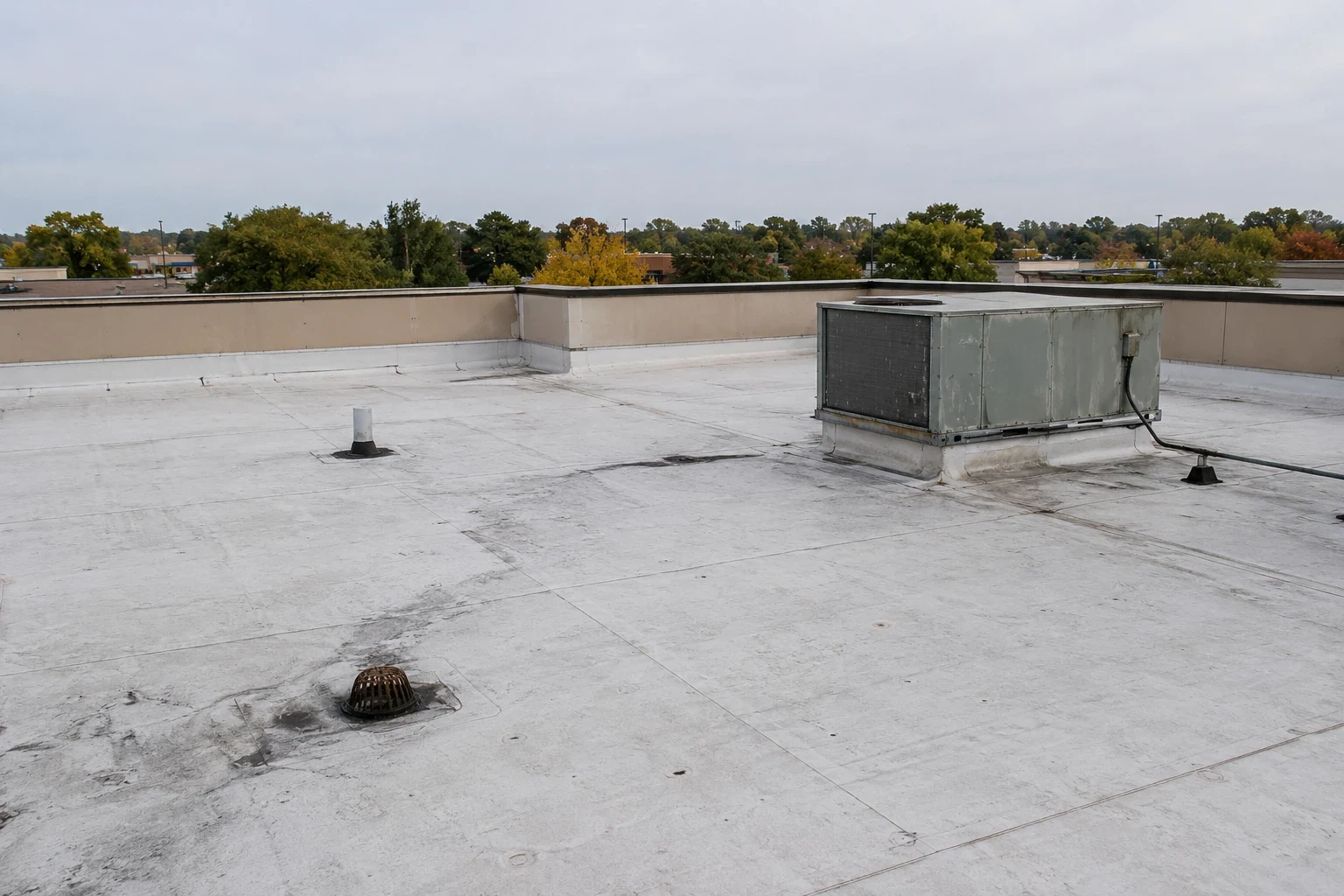
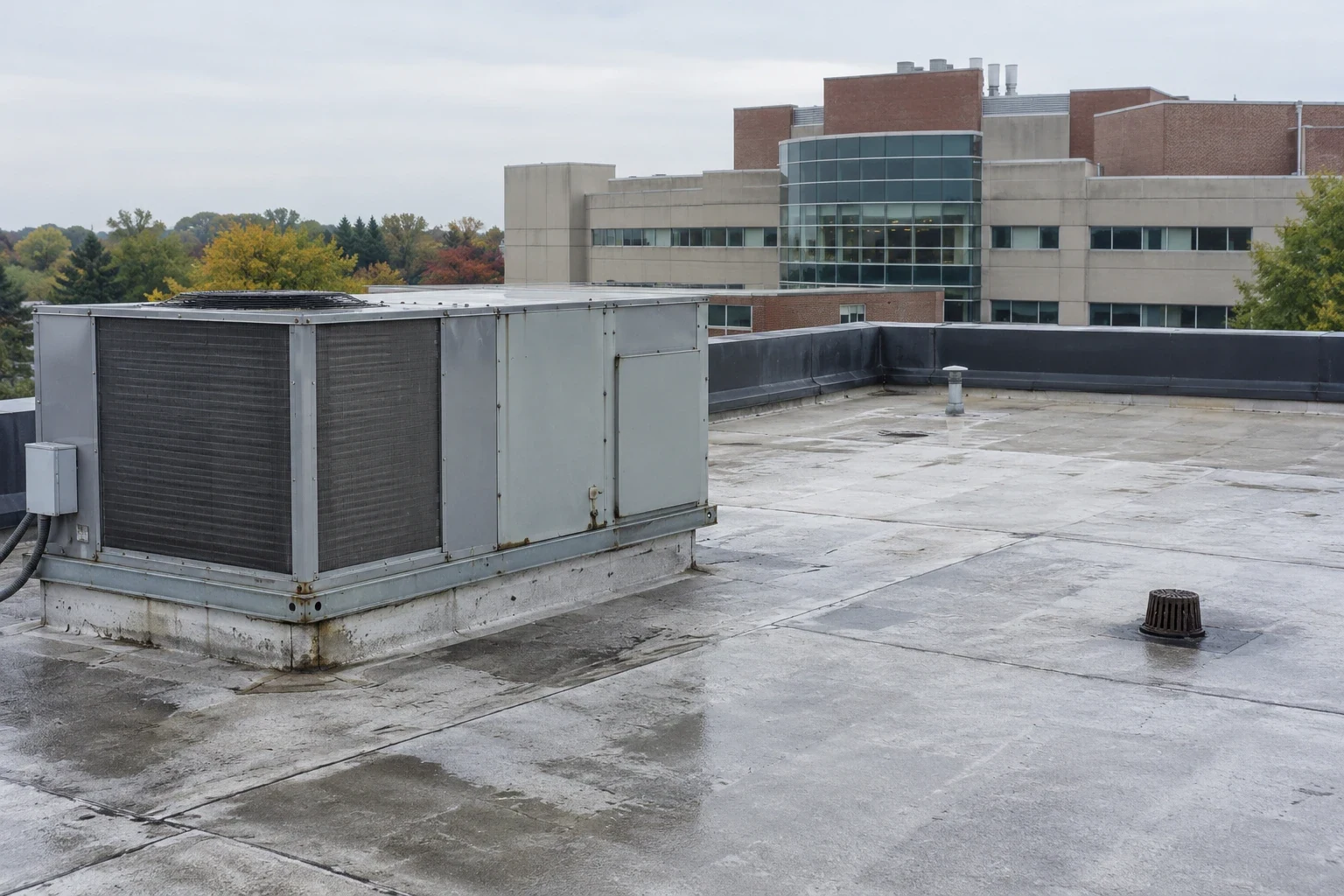
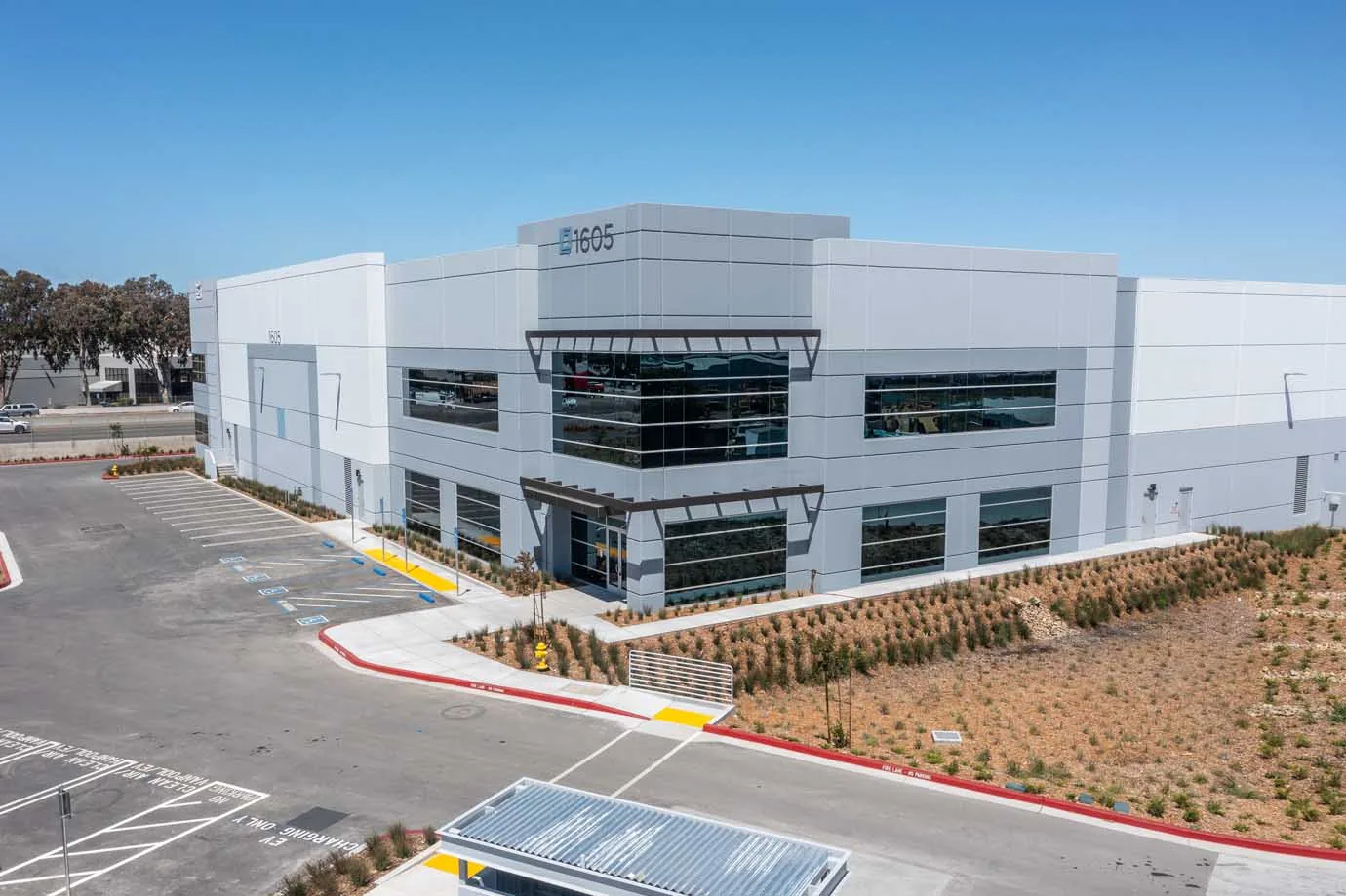
Receiving window: coordinate staging with daily movement
Before pricing, we confirm the hours when inbound trailers arrive, where materials can be unloaded, whether lift or crane access crosses a traffic path, and which doors must remain clear. A roofing crew can work in zones, but deliveries and emergency routes still need a named person who can resolve conflicts. The scope should identify loading limitations, roof access, laydown space, and how the work area will be isolated from employees and drivers. If the facility uses multiple shifts, the closeout routine also needs a reliable handoff so a temporary condition is not left unreported.
Lynnway and Carroll Parkway are treated in regional planning as infrastructure serving multiple modes while preserving regional movement. That makes arrival timing worth confirming for sites reached from the corridor, but it does not say how any one business handles freight. We coordinate actual access with the operator. Manufacturing facility work can require a similar production and delivery interface, though the receiving patterns and interior sensitivities remain specific to each site.
Water route: inspect outlets before peak receiving
Water on a low-slope roof can remain hidden until a drain, scupper, seam, curb, or perimeter transition fails under sustained rain. We inspect how each roof section moves water toward an outlet and check whether debris, damaged strainers, or a sagging area changes that route. A recurring interior report should be tied to the bay or office below and the roof zone above, but the visible stain may not sit under the entry point. Drainage work should correct the path or obstruction at issue, not simply remove debris and leave an underlying slope or detail problem unexplained.
The Lynn market sees year-round precipitation and winter snowfall, with summer heat and cold-season freeze exposure. For the North Shore, that mix supports attention to drainage, freeze-thaw transitions, and temporary dry-in after a weather event. The regional numbers are context, not a claim that a particular Lynn roof has failed. We compare roof photos, operating reports, and prior repair history before we identify a storm-related condition.
Repair sequence: keep the active area measurable
For a localized leak, we define the repair boundary, materials assumed, and the area needing protection while the permanent work is arranged. If moisture may extend below the membrane, a test opening or survey may be needed to avoid leaving wet material under a patch. We record the opening, any discovered condition, and the temporary closure before the crew returns to finish. For a larger renewal, we divide the field into sections with a clear start point, expected closure, and end-of-shift check. Emergency roof response can limit immediate exposure; the follow-up scope then separates temporary measures from permanent repair.
A multi-tenant or multi-client logistics operation also needs an escalation path. The manager should know who can approve a change, who receives notice if staging shifts, and which interior contact confirms that a loading or work zone can reopen. Written sequencing makes the roof scope easier to coordinate alongside dock activity without promising that operations will be unaffected.
For a roof over stored goods, we also note the interior exposure reported by the operator and whether a temporary measure changes ventilation, drainage, or access to equipment. The dated record states what protection was installed and when it should be checked again, so the handoff does not depend on a verbal update between shifts.
Asset record: preserve findings between leases and shifts
After work, the closeout file should identify the affected roof sections, installed materials, photos, repair limit, exclusions, and any follow-up inspection. The same roof-zone labels should carry into the maintenance record so the next manager can find the earlier condition without relying on a verbal handoff. Roof asset management can keep open work and completed repairs distinguishable as staff and tenants change. We can also help operators compare a recurring repair with a larger renewal when evidence shows a repeated failure or a broad moisture concern.
Massachusetts' building code for commercial work is based on the 2021 IBC with state amendments; energy code uses the 2021 IECC and ASHRAE 90.1-2019. Project requirements depend on the proposed scope and local review. We describe the assembly, roof area, and planned work so the operator can coordinate any code review while also planning access, schedule, and tenant communications.
For an operator with several facilities, a common roof-zone vocabulary makes each closeout easier to hand to the next property manager without blending unrelated findings. A multi-site roof program can align inspection fields and reporting cadence, while a local facilities lead confirms the assembly and access rules at each building. Property management coordination is useful when ownership, day-to-day operation, and approval authority sit with different people. We keep the decisions in the individual building record, so a repair at one warehouse does not become an unsupported assumption about another.
Before the next lease turnover or expansion, an updated roof walk can record new penetrations, rooftop equipment changes, repaired sections, and areas that remain inaccessible. That snapshot lets the operator plan maintenance around its own dock use and storage needs. The timing should be set with the site contact; a calendar interval alone cannot account for a new operation, added equipment, or a changed access route.
Commercial Roofing Questions
Can roof work happen without stopping deliveries?
We can plan the active roof zone and delivery window together, but the facility contact must confirm access, staging, safety boundaries, and any periods when a route cannot be restricted. The estimate should state those dependencies and the daily dry-in target so the operator knows what is required for each phase.
What roof details matter most on a warehouse with frequent loading?
We inspect drainage, seams, penetrations, edge conditions, and any areas where equipment or recurring access could affect the membrane. The findings are mapped by roof zone and compared with interior reports, since a dock leak can originate away from the ceiling location.
How do you handle rain during a phased replacement?
The work plan identifies the section opened each day, temporary protection, forecast checks, and the point when the assembly is closed. If weather changes the planned sequence, the crew protects the active area and records the condition before changing the work boundary.
Can you inspect a portfolio with separate tenants or operators?
Yes. We can coordinate a set of visits while keeping each building and tenant access rule distinct. Share a roof plan, point of contact, reported leaks, and receiving calendar for each property so the inspection and work sequence match actual site use.
What should the operations team keep after a repair?
Retain the roof-zone map, dated photos, material and repair description, closeout notes, and any follow-up recommendation. Those items let a future shift lead or property manager compare the next report with the previous boundary rather than restart the investigation.
Schedule a Lynn logistics roof review
Send the roof plan, reported area, receiving windows, access contact, and any recent leak history. We will outline a documented inspection and work sequence.
Back to Industries We Serve.