
Commercial Roof Inspection in Lynn, MA
Lynn Harbor’s marine district calls for an inspection record connecting exposed edges, drainage, and interior conditions by zone. We walk the accessible roof, identify the assembly and roof zones, photograph seams, flashings, drains, edges, penetrations, and equipment supports, then record the condition beside each image. At Lynnway Park, cold-storage and food-processing operations make access and equipment coordination part of the inspection. Along Market Street, mixed commercial use can require a different route and work window. The report connects findings to the property’s actual use without assuming what is hidden below the membrane.
Our inspection distinguishes a visible defect from a suspected condition. If moisture, deck damage, or a concealed repair boundary cannot be confirmed at the surface, we identify a test opening or follow-up survey rather than filling the gap with an assumption. The owner receives a marked plan, dated photos, and a condition log that can be used to compare repair, maintenance, and replacement options. A roof condition report is most useful when its findings can be revisited by a building team later.
Inspect a commercial roof in Lynn with dated findings, roof-zone photos, drainage and edge checks, and a report that separates observed damage from unknowns.
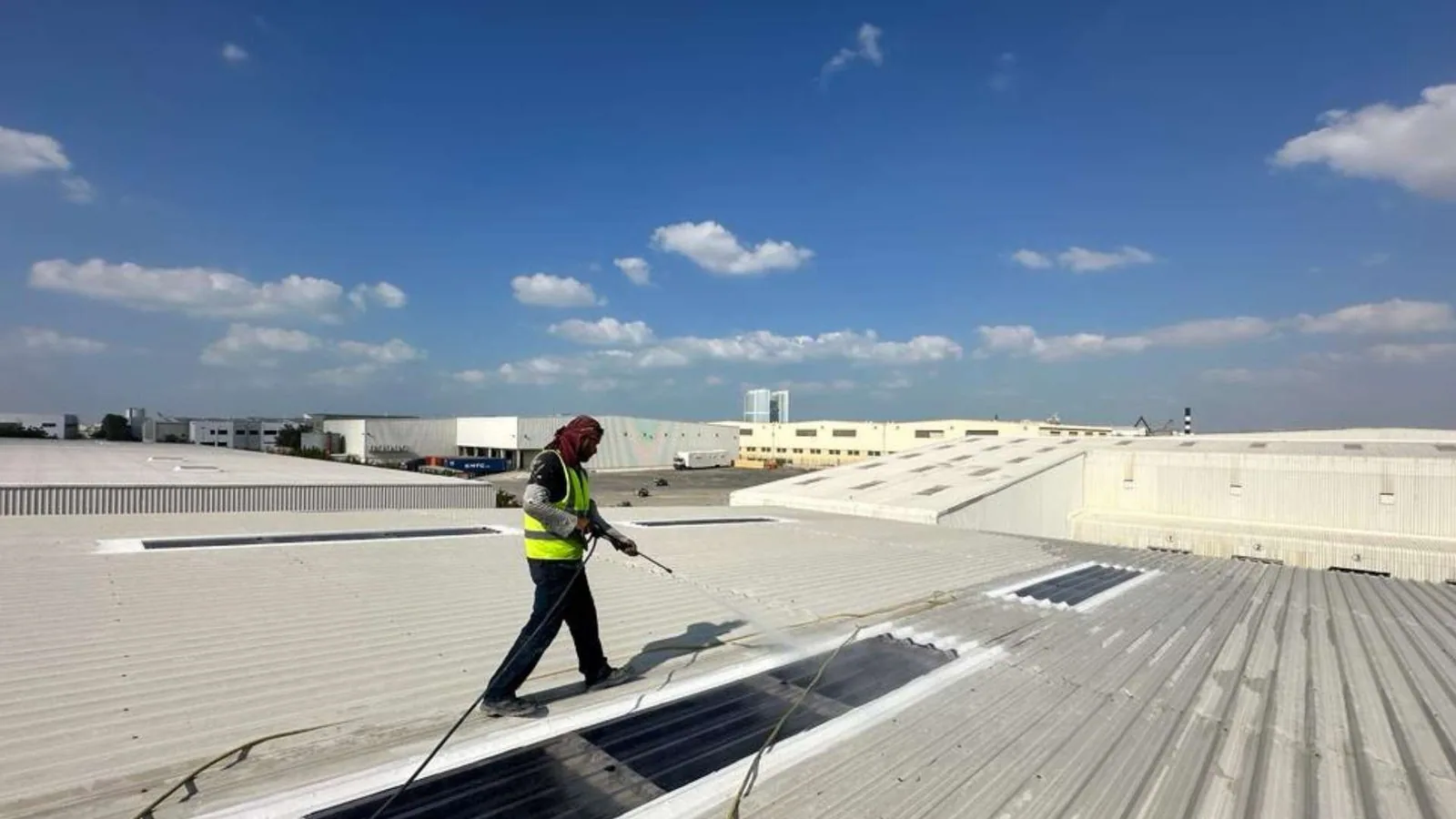
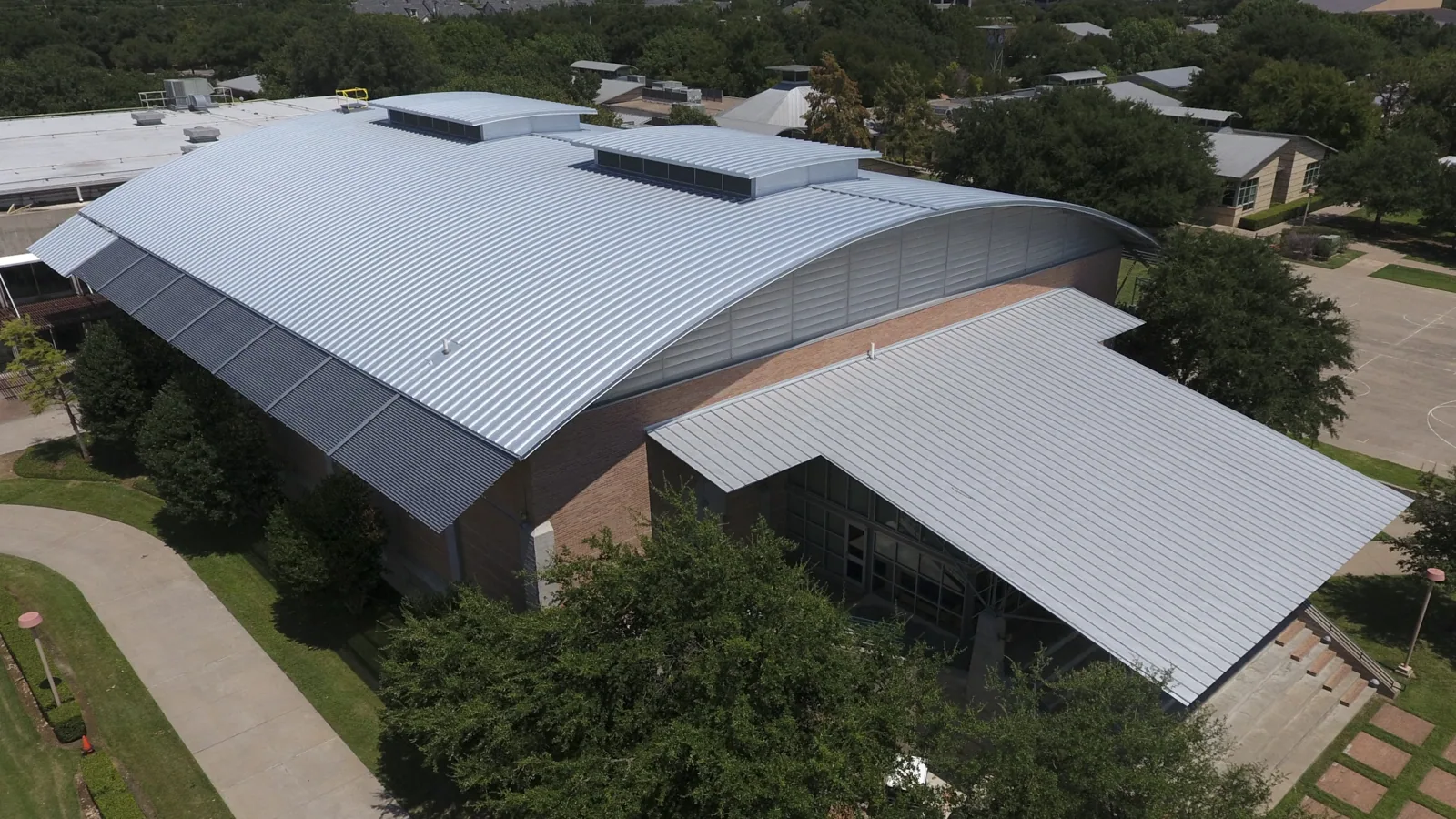
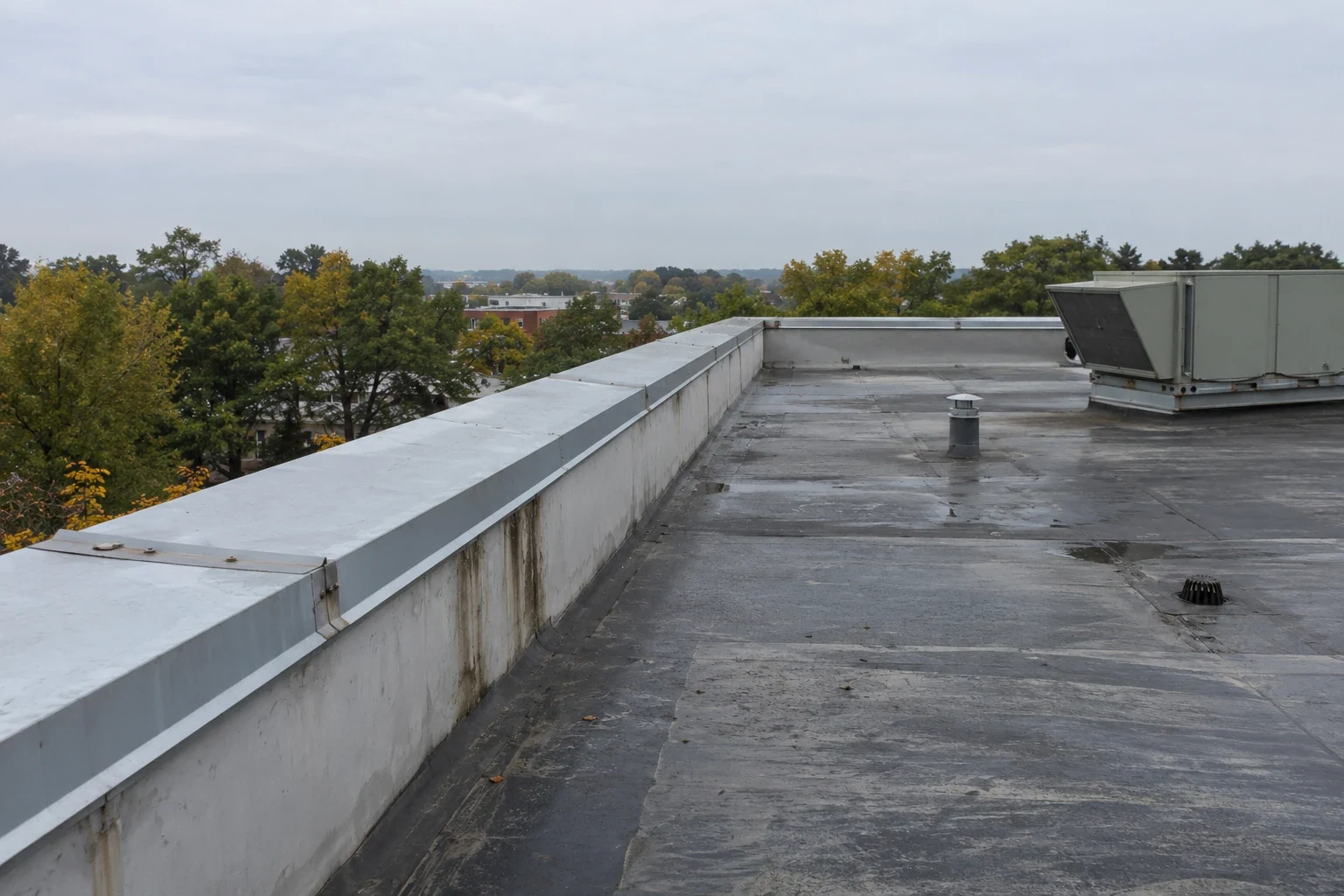
Inspection route: cover the roof in zones
We divide a roof into zones that can be recognized from the access point, plan, and photographs. Each section is checked for membrane condition, laps, repairs, penetrations, curbs, parapets, edge metal, drainage, and rooftop equipment supports. On a larger roof, the zone map keeps a finding at one corner from being confused with a similar detail elsewhere. We also note areas blocked by equipment or unsafe to reach. The report can then distinguish a completed visual inspection from a portion that needs another access method.
The North Shore sees annual rainfall and snowfall alongside summer heat and winter cold. For Lynn properties, this creates a practical reason to inspect drainage paths, freeze-sensitive transitions, and exposed edges, while the field condition determines the actual recommendation. We check that drains and scuppers are clear and that overflow paths can be identified. If water is standing, we map the area and note its extent rather than calling it a defect without evidence. A more focused drain inspection can be added when the drainage system needs a closer review.
Findings: record evidence and limits
Each finding should answer where it is, what is visible, and why it affects the roof. A separated seam, open flashing corner, punctured membrane, loose coping, or cracked sealant receives a location and photo. The report notes whether surrounding material feels firm, whether the defect appears to continue, and whether a test is needed. It avoids turning a general concern into a roof-wide conclusion. If an area is inaccessible or covered, the limitation is stated so the owner does not read the inspection as a full exposure of concealed layers.
Lynn Harbor supports marine-dependent industry, while Market Street is part of downtown Lynn's mixed-use area; each property needs a confirmed access plan. In each case, local context guides where we plan the inspection, but the finding comes from the roof. Severe thunderstorms in southern New England can bring damaging winds and hail. After a reported event, we inspect edge metal, penetrations, and membrane surfaces, then record the conditions found by roof zone.
Building use: connect the roof to operations
Before the walk, we ask who uses the building, which rooms or equipment are sensitive, where the safe access point is, and whether a roof hatch or escort is required. At a cold-storage operation, we record refrigeration equipment and the routes where service access must remain available. At Downtown Lynn commercial buildings, tenant schedules or shared entrances may affect timing. Those details make the inspection route safer and help us interpret the effect of a finding. They do not change the condition we observe, but they determine what a practical next step looks like.
The Lynn Harbor designated port area supports marine-dependent industrial and commercial activity, and the city’s waterfront plan expects industrial uses to continue alongside other development. That mix makes accurate roof records valuable as property use changes. We identify equipment added or removed since prior records when the owner provides them, and keep the current inspection distinct from older observations. If a roof is part of a portfolio, a multi-site program can keep findings comparable without treating every building as the same assembly.
Option review: turn findings into a work decision
After inspection, we sort findings by urgency and scope. An active opening may need a repair visit; a seam beginning to separate may call for a planned correction; a broad moisture pattern may justify testing or replacement analysis. We state which recommendation follows from visible evidence and which depends on a test result. Where a local repair is reasonable, the report marks its boundary and any adjacent area that should be observed after rainfall. This makes the action plan specific enough to schedule and review.
Massachusetts commercial building and energy codes use state-adopted requirements based on the 2021 IBC and 2021 IECC with amendments and ASHRAE provisions. An inspection can flag where a proposed roof project may need code or design review, but it does not replace a project-specific determination. If an owner is deciding among a repair, recover, or replacement, we organize the findings under the same roof-zone map so the choices can be compared.
Record maintenance: make the next visit comparable
A useful report gives future inspectors a baseline. We use consistent zone labels, dated photographs, an assembly note, and a list of repaired and untested areas. If an owner shares an earlier plan, we can identify whether a current finding is new, unchanged, or not previously visible. The file does not presume a roof’s service life from its age; it documents conditions that can be checked on a follow-up visit. Where a repair is completed, its closeout images can be added to the condition log.
For a Lynn property exposed to coastal wind and seasonal precipitation, a follow-up inspection can compare the same perimeter, drains, and transitions after a severe event or planned maintenance. Downtown Lynn’s cultural district and commercial uses also mean access plans can change as tenants and businesses evolve. We note the access route and contact role so the next visit can be coordinated. To schedule an inspection, share the property use, roof access point, known leak zones, and any previous report. We will return a photo-supported record with recommended next steps.
Commercial Roofing Questions
What will I receive after a commercial roof inspection?
You receive a dated condition log, roof-zone plan, photos, observed findings, access limitations, and recommended next steps. The report identifies where a test or follow-up visit is needed and separates confirmed conditions from suspected ones. Repair boundaries are marked when a local correction is recommended. That gives the owner a record for maintenance planning and future comparison.
Does an inspection confirm what is under the membrane?
A visual walk cannot show every concealed layer. If the surface or moisture indicators point to a hidden condition, we can recommend a core cut, infrared survey, or other focused test. The report states what was inspected and what remains unknown. Findings from an opened area are recorded separately from conditions inferred elsewhere.
Can the inspection support a roof replacement decision?
Yes. The report records the assembly, visible defects, repairs, drainage, edges, penetrations, and any test results. We can use the same zone map to compare repair, recover, and replacement scopes. If the decision depends on moisture extent or deck condition, we identify the test opening needed before pricing a final boundary.
How do you inspect a facility that must keep operating?
We coordinate the access point, sensitive equipment, occupied rooms, and timing with the site contact. Lynnway Park’s cold-storage and food-processing uses make active equipment and product areas relevant to the route. We document any area that cannot be accessed and schedule another visit if needed. The report remains clear about what the inspection did and did not cover.
Schedule a roof inspection
Provide the building use, roof access point, known leak zones, and any previous report. We will document the assembly and findings with dated photos and a roof-zone map.
Back to Commercial Roofing Services.