
Commercial Roof Seam Failure Repair in Lynn, MA
A split lap needs more than a bead of sealant if the membrane has lost its bond or the material around the seam has become brittle. For a commercial roof in Lynn, MA, we identify the system, map the open joint, and inspect both sides for movement, moisture, previous patches, and attachment changes. That record helps the owner decide whether the separation is local or part of a wider pattern. At Lynnway Park, warehouse and cold-storage uses make the protection plan important while a roof area is opened; the actual assembly and work window must be confirmed at the property. Route 1A Lynnway and Carroll Parkway serves multiple travel modes, so delivery and staging follow the facility's actual access plan.
Commercial Roofing Lynn inspects split roof seams, checks the surrounding membrane and insulation, and documents repair limits for Lynn buildings.
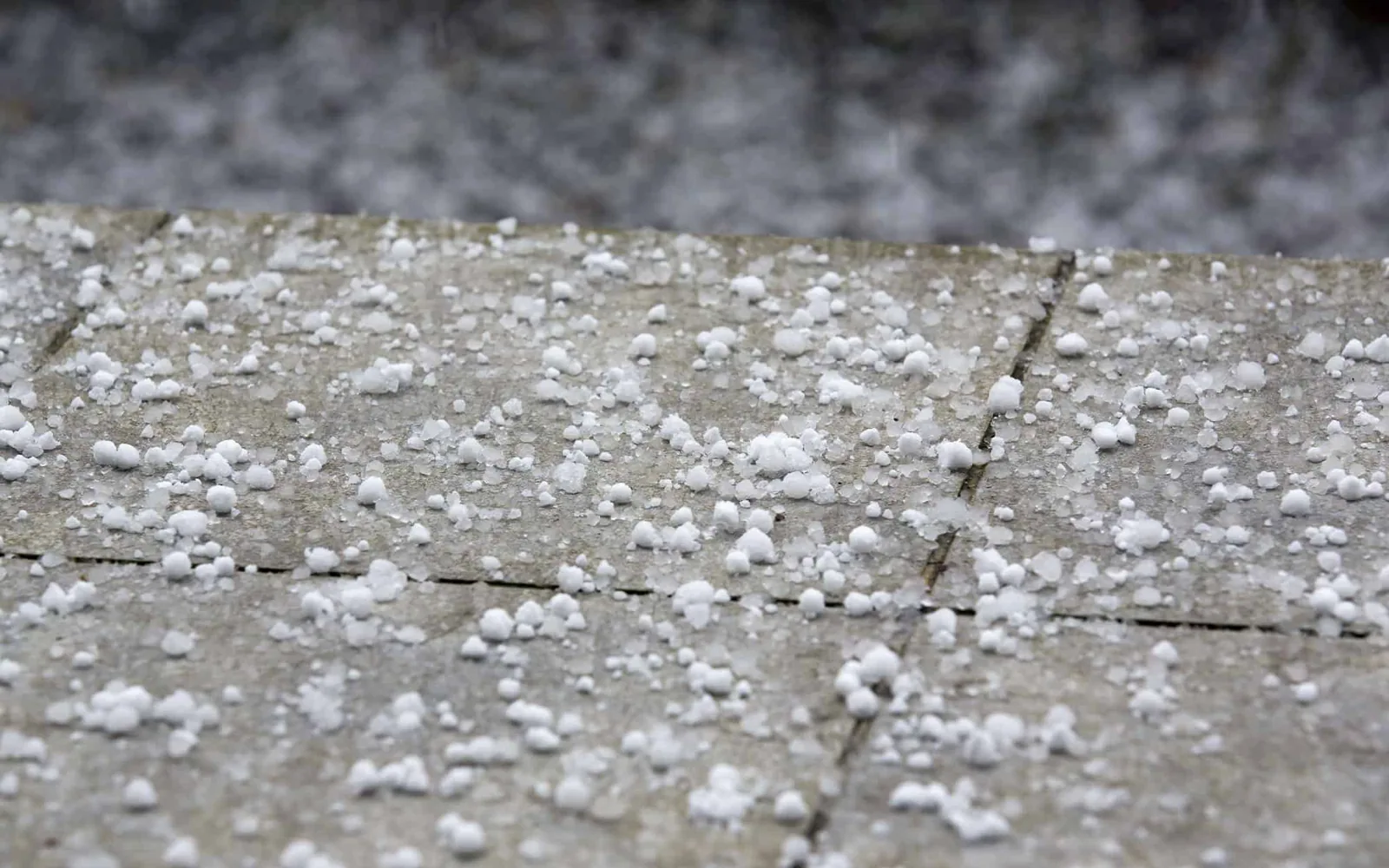
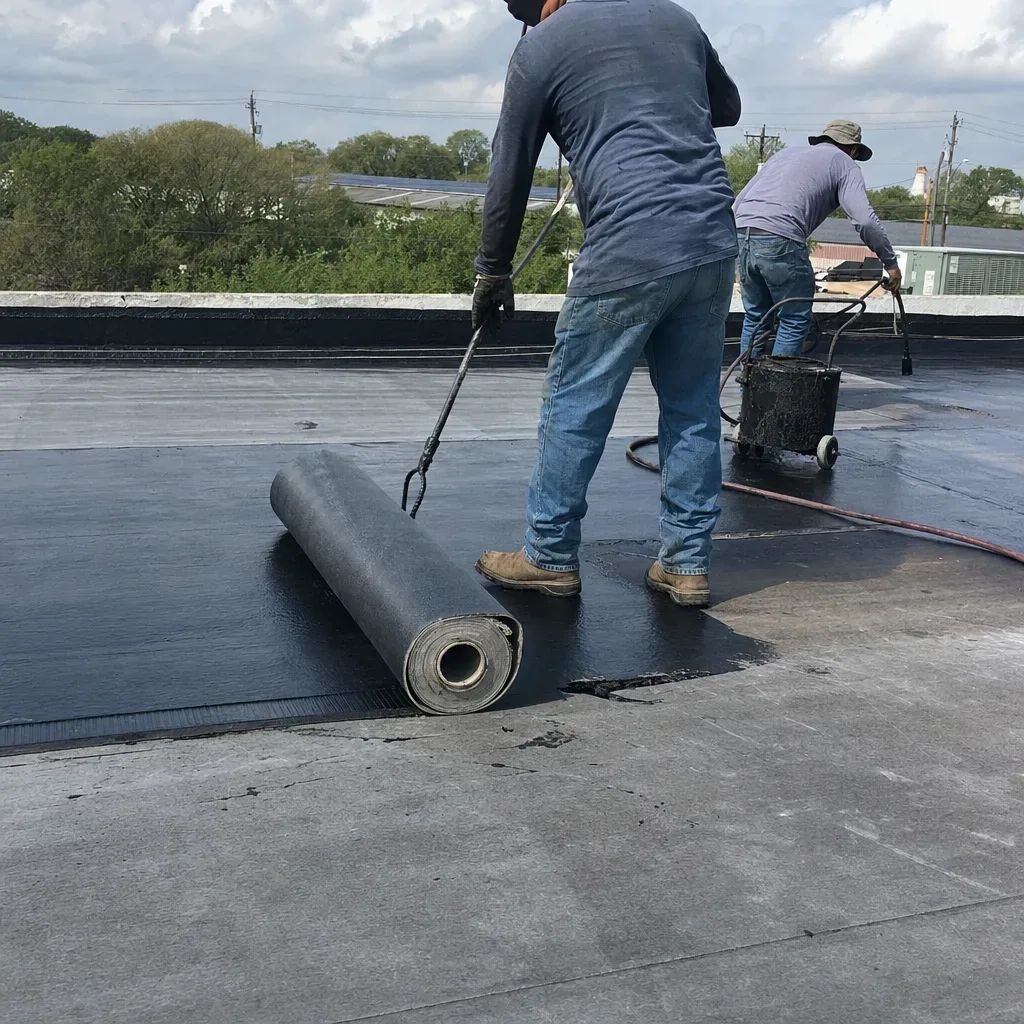
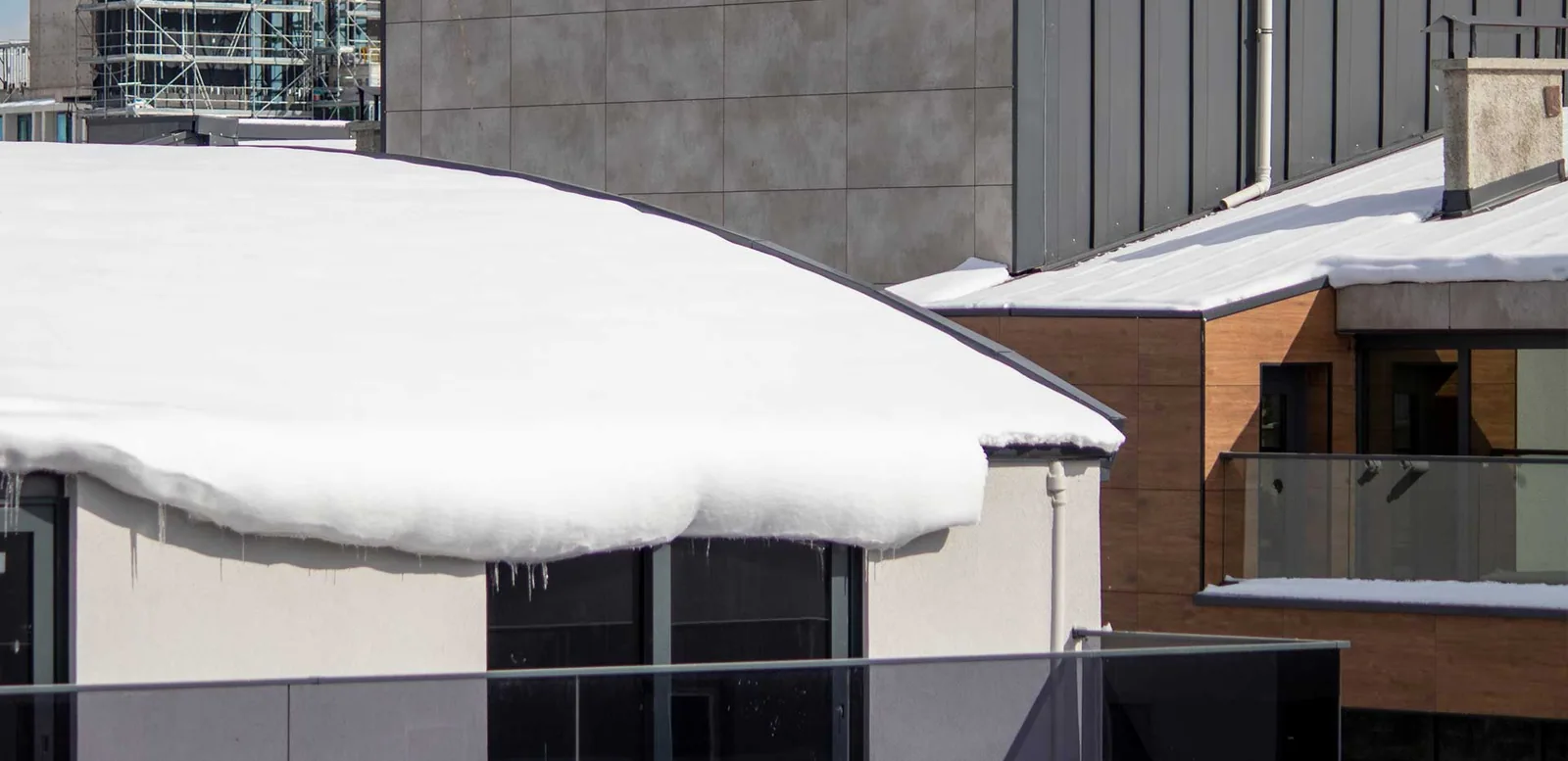
Seam examination: find the true extent of separation
We inspect the length of the open lap, test adjoining areas where appropriate, and look for fishmouths, wrinkles, edge lift, contamination, failed welds, and stress near a curb or drain. The visible split may stop where the lap looks intact, or it may continue beneath a patch or coating. We photograph the seam with a reference point and mark the affected roof zone so a later visit can compare the same area. Thermoplastic membrane seams depend on a sound welded connection; the repair method must account for membrane type and condition instead of covering the opening with an incompatible product.
On an older assembly, prior repair material may complicate adhesion. We note whether the seam can be cleaned and prepared, whether a sample or test patch is needed, and whether the surrounding membrane remains flexible enough for a durable tie-in. If the deck or insulation could be wet, the report identifies the test opening required before setting the repair quantity. A seam inspection should state limits, not label unseen areas as sound.
For a welded thermoplastic lap, we check whether the split follows the weld or runs through the sheet, then prepare a small test area if conditions make the proper heat and bond uncertain. For an adhered or mechanically attached assembly, we examine how the lap was formed and whether nearby fasteners or substrate movement are contributing. The repair should not bridge over a wrinkle or loose edge that can keep moving. We record the system identification used for the proposal and any compatibility question that must be resolved before material is ordered.
Moisture map: separate the opened lap from concealed wet material
The North Shore moves through winter freezing, wet shoulder seasons, and summer heat. On a seam, repeated temperature and moisture changes make edges at curbs, parapets, and transitions worth inspecting. Lynn's coastal setting adds wind-driven rain exposure. Hurricane Sandy brought coastal flooding along Massachusetts and strong regional winds, while severe thunderstorms can bring damaging gusts. After a reported storm, we inspect the lap, adjacent flashing, and roof edge for movement or water entry. Route 1A Lynnway and Carroll Parkway provides regional connections and multiple travel modes. That corridor can inform access coordination for nearby facilities, but the owner confirms the actual roof entry and staging area. Wind damage inspection may identify edge movement accompanying a split seam; if the lap remains stable and the concern is water collection, a drainage review may address the separate condition.
North Shore cycles: consider movement and repeated wetting
Boston Logan's record spans a January mean daily low of 24.3 degrees and a July mean daily high of 83.2, with 48.2 inches of snow and 44.52 inches of annual precipitation. Those cycles can place repeated wetting and thermal movement on a seam, especially where a roof section meets a curb, parapet, or transition. Lynn's coastal setting also brings wind-driven rain exposure. Hurricane Sandy produced coastal flooding along Massachusetts and strong regional winds, while severe thunderstorms can carry damaging gusts. The roof walk records whether the seam shifted, opened, or stayed intact and keeps that dated finding beside the event history.
Route 1A Lynnway and Carroll Parkway provides regional connections and multiple travel modes. That corridor can inform access coordination for nearby facilities, but we confirm the actual roof entry and staging area with the owner. Wind damage inspection may identify edge movement accompanying a split seam; if the lap remains stable and the concern is water collection, a drainage review may address the separate condition.
Repair decision: prepare the substrate before closing the lap
A seam repair should reach material that can accept a compatible patch or weld. We identify the membrane, remove loose or failed material as required, prepare the surface, and tie the repair into sound areas with an appropriate detail. Where the seam has opened repeatedly, the surrounding membrane is cracked, or wet insulation is confirmed, a narrow overlay may not resolve the full condition. The scope states whether the proposal is a localized seam repair, a broader section repair, or a recommendation for further testing.
Estimate drivers include the length of separation, roof system, access, condition of nearby laps, need for test openings, and temporary protection. Commercial roof repair should list the measured seam, repair limit, and materials assumed; a recover review can be considered only after the assembly and moisture conditions are understood. The closeout file includes photos after repair, the location, and any follow-up recommendation.
After installation, we inspect the full repair perimeter and confirm that the patch is attached across its intended boundary. The photo record captures the finished lap and a wider view showing its position relative to drains, curbs, and roof access. If the seam runs beneath equipment or into an inaccessible zone, we identify that limitation and state whether a later visit can complete the review. This gives the building owner a clear line between work performed and condition not assessed.
For an occupied building, the owner can identify the interior rooms or stored materials below the seam before work begins. We state whether a temporary ceiling protection measure or restricted access is needed while the repair cures or is inspected. The report then carries that operational note with the roof-zone photos, rather than leaving the building team to infer where the work occurred.
Commercial Roofing Questions
Can a split seam be repaired without replacing the membrane field?
A localized repair may work when the material around the lap remains serviceable and the assembly is dry. We inspect the seam length, prior patches, and nearby membrane before defining the boundary; broader deterioration or concealed moisture can change the recommendation.
Why did the seam open again after a prior patch?
The previous repair may not have reached sound material, used a compatible detail, or addressed movement in the surrounding assembly. We review the patch, substrate, and seam condition, then document what needs to change rather than applying another layer over the same failure.
How do you determine whether water reached the insulation?
We connect interior reports with the seam location and inspect accessible layers. If moisture remains concealed, a survey can guide a test opening; the report separates confirmed wet material from areas that have not been examined.
Does winter weather affect the timing of a seam repair?
Temperature, surface moisture, and the product installation conditions can affect when a repair can be completed. We review the current roof and forecast, then identify whether temporary protection is needed until a suitable work window.
What should the seam repair closeout include?
It should show the repaired lap, materials used, roof-zone reference, before-and-after photos, any test results, and the portion not included. We also note whether a follow-up inspection is recommended after rain or a later maintenance visit.
Schedule a Lynn roof seam inspection
Share the affected area, reported leak date, membrane type if known, repair history, and access contact. We will document the seam and define a compatible repair.
Back to Roof Damage Repair.