
Commercial Roof Due-Diligence Surveys in Lynn, MA
A roof survey for an acquisition or refinance should answer the transaction team's actual question: what was visible on the inspection date, what repairs may need attention, and what could not be confirmed before closing? We review available roof records, walk accessible areas, document visible conditions, and identify further investigation that could change the budget. The survey is a bounded condition review, not a structural certification or a promise about future performance. For a buyer comparing properties, a condition report should connect photos and findings to roof zones so the team can evaluate the same evidence. We also identify whether a repeat visit needs seller escort or an unoccupied work window.
Document a Lynn commercial roof before acquisition or refinancing with dated findings, access limits, records review, and follow-up questions.

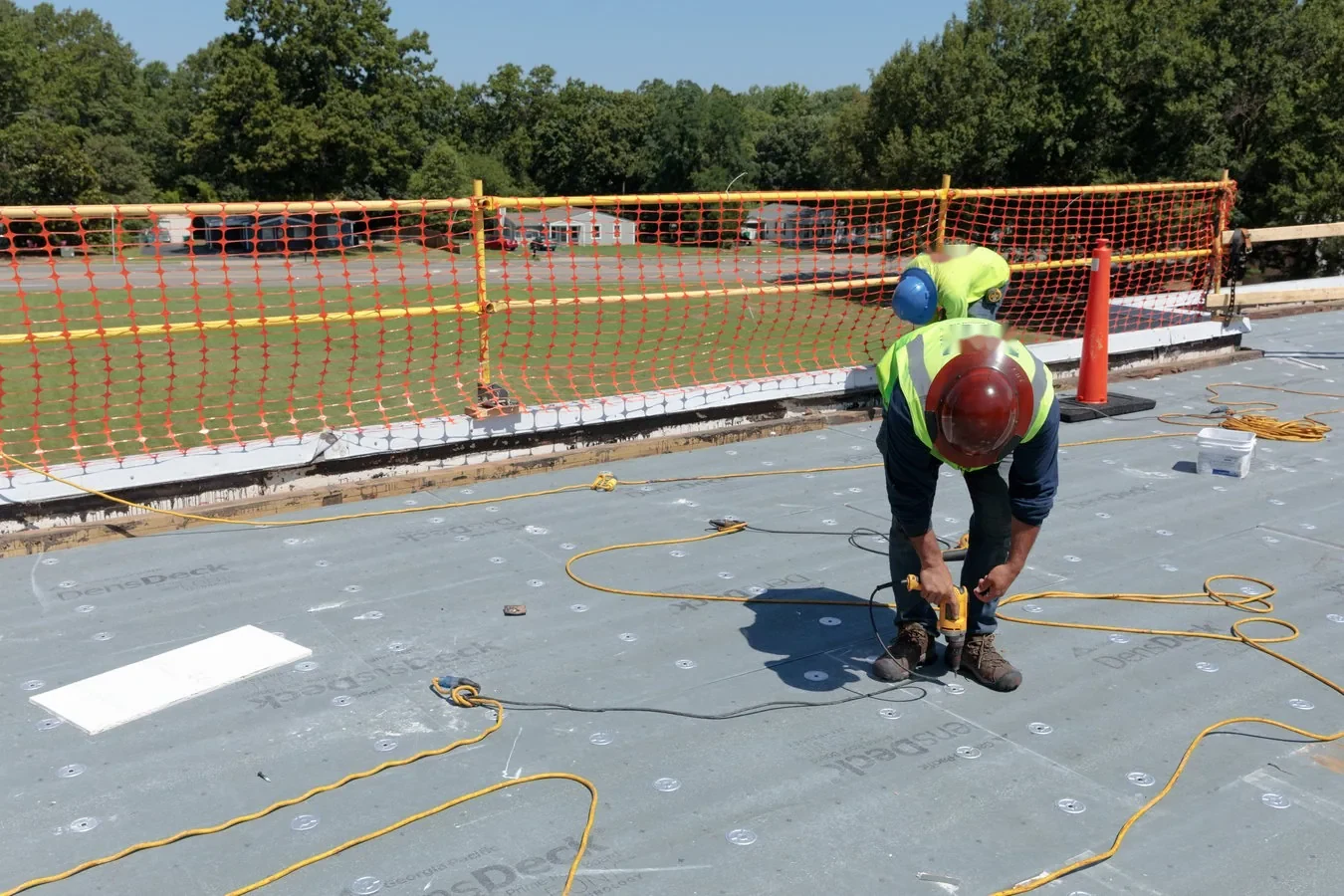
Transaction scope: agree on the decision before the site visit
Before scheduling, we confirm the property to be reviewed, transaction deadline, known roof sections, access contact, building use, and documents available from the seller or manager. The client should state whether the review needs to flag active leaks, budget likely repair work, assess warranty records, or identify areas for invasive testing. We can then describe the inspection boundary and any excluded tasks. If access is limited to one roof section or a short visit, the report states that clearly so the buyer does not rely on it as a full roof evaluation.
A roof asset record can help reconcile prior repair and inspection dates; warranty review can identify missing terms or maintenance records. We request drawings, invoices, service logs, leak history, and known tenant concerns when available, but an owner-provided document is not proof that a condition remains unchanged. The survey records what was actually seen and which answers still depend on the seller, issuer, or additional testing.
When the transaction has a short diligence period, the client should identify which unresolved conditions could change the decision before the visit. We can prioritize those areas, but we cannot substitute a limited roof walk for a separate structural, code, environmental, or engineering review. The deliverable records the boundary in plain terms so the buyer can decide whether to extend access, request seller information, or proceed with a stated allowance.
Field review: identify roof zones and transaction risks
On site, we note accessible roof sections, system characteristics where identifiable, drainage, perimeter transitions, penetrations, repairs, and visible areas of deterioration. Photos are tied to location and observation. We distinguish a loose edge, open seam, damaged flashing, or ponding area from a suspected cause that the inspection cannot establish. Interior observations supplied by the owner are documented separately from roof findings. A stain without a confirmed path remains an open question, not a roof diagnosis.
Where concealed moisture could change the scope, the report can recommend a test opening or suitable survey as a next step. Infrared review may help select areas for confirmation when conditions support it; a scan alone does not verify the condition of an assembly. If a transaction requires a firm quantity, the buyer should allow time for the specified investigation and restoration of each test area before relying on final repair pricing.
Lynn context: describe exposure without assigning a defect
Annual figures from the nearby Boston Logan station are 44.52 inches of total precipitation and an average 48.2 inches of snow. That regional pattern can inform buyer questions about drainage, edge conditions, snow response, and the timing of proposed work, but it does not prove a roof defect. Lynn Harbor is a designated port area for marine-dependent commercial and industrial activity, while Saugus includes warehouse, food-processing, storage, cold-storage, and light-industrial uses. These local uses can focus an access or operations discussion; they cannot establish a building's tenant, roof type, age, or damage.
For a property in Downtown Lynn, retail, restaurants, galleries, public art, and events are part of the district context. A transaction survey should ask the property contact about actual operating hours and access needs rather than infer them from the neighborhood. We list any seller-provided restrictions or occupied-area concerns and identify when another visit is necessary. This keeps the diligence conclusion tied to the inspected building instead of the general character of its location.
Findings: state cost and timing implications carefully
The report can classify findings by immediate action, repair planning, additional investigation, or monitoring. For each, we describe the visible condition, location, likely work boundary, and missing information. If a contractor estimate is requested, the assumptions should identify preparation, materials, access, temporary dry-in, interior protection, disposal, and any areas not included. A broad replacement allowance may be appropriate when the evidence supports it, but it should not be presented as a final scope without the documents and testing needed to define quantities.
Where the seller's records point to a warranty, the buyer should verify the named owner, covered area, term, exclusions, and transfer procedure with the issuer. Replacement planning or a defined repair can be compared after the site evidence and transaction assumptions are aligned. The survey should not decide the buyer's negotiation position; it provides findings and questions for the buyer, lender, engineer, or legal advisor to weigh within their roles.
Deliverable: give the buyer a record that survives closing
A concise transaction report includes the inspection date, weather/access limits, reviewed records, roof zones reached, dated photos, material observations, repair priorities, and open questions. If an area was inaccessible, the report names it. If records conflict, the discrepancy is noted rather than resolved by guesswork. The owner can use the findings to request seller documents, commission testing, reserve funds, or plan a post-closing roof walk.
For refinancing, structure the report to the lender's stated scope and deadline, keeping roof findings separate from any appraisal or engineering conclusion. After closing, the purchaser can move the observations into capital planning and schedule follow-up reviews. A dated file makes the starting condition easier to understand when maintenance or repair work begins. For a portfolio transaction, repeated fields can keep multiple buildings comparable without blending their separate assemblies or exposures.
Where more than one building is included, each receives its own finding list and photo sequence. A shared summary may help the buyer compare capital exposure, but it should not merge observations from separate roofs or carry a condition from one asset onto another. This distinction matters when the sites have different uses, years of maintenance, or available seller documentation.
Commercial Roofing Questions
What does a roof due-diligence survey cover?
The agreed scope generally includes available-record review, accessible roof observations, dated photos, visible repairs and defects, access limits, and follow-up questions. We tailor the report to the transaction decision and state what it does not establish.
Can the survey provide a final replacement cost?
It can support a planning allowance or defined repair estimate when quantities and assumptions are sufficiently clear. Concealed conditions, inaccessible sections, or missing records may require testing or another visit before a firm scope is possible.
Can you complete a roof survey before our closing date?
We can coordinate around the transaction schedule once access, records, and the requested scope are confirmed. The report will identify any information or areas that could not be reviewed before the deadline.
Will the report confirm that a roof warranty transfers?
No. We can review the available document and identify transfer requirements or missing items, but the owner should obtain written confirmation from the warranty issuer under its terms.
What should a buyer provide before the inspection?
Send the property contact, transaction deadline, known leak history, available roof plans and invoices, service records, warranty papers, and any specific lender or buyer questions. Access details help us define the survey boundary in advance.
Schedule a Lynn roof diligence survey
Provide the transaction deadline, building contact, available roof records, and the questions the buyer or lender needs addressed. We can define an accessible-area review and documented next steps.
Back to Roofing Capabilities.