
Commercial Roof Warranty Management in Lynn, MA
A roof warranty is a set of written terms tied to a particular system, building, and owner, so managing it starts with finding the actual documents. We organize the available warranty, installation closeout, inspection history, repair approvals, and maintenance records by property and roof zone. The file should make clear which party issued the coverage, when its term began, what actions the owner must take, and what remains uncertain. Roof asset management can keep those records with the relevant building instead of in a portfolio folder that loses its property connection. We do not assume a warranty exists because a roof is relatively new, or infer its terms from a product name.
Track Lynn commercial roof warranty documents, maintenance duties, repair approvals, inspection records, and closeout details by roof zone.
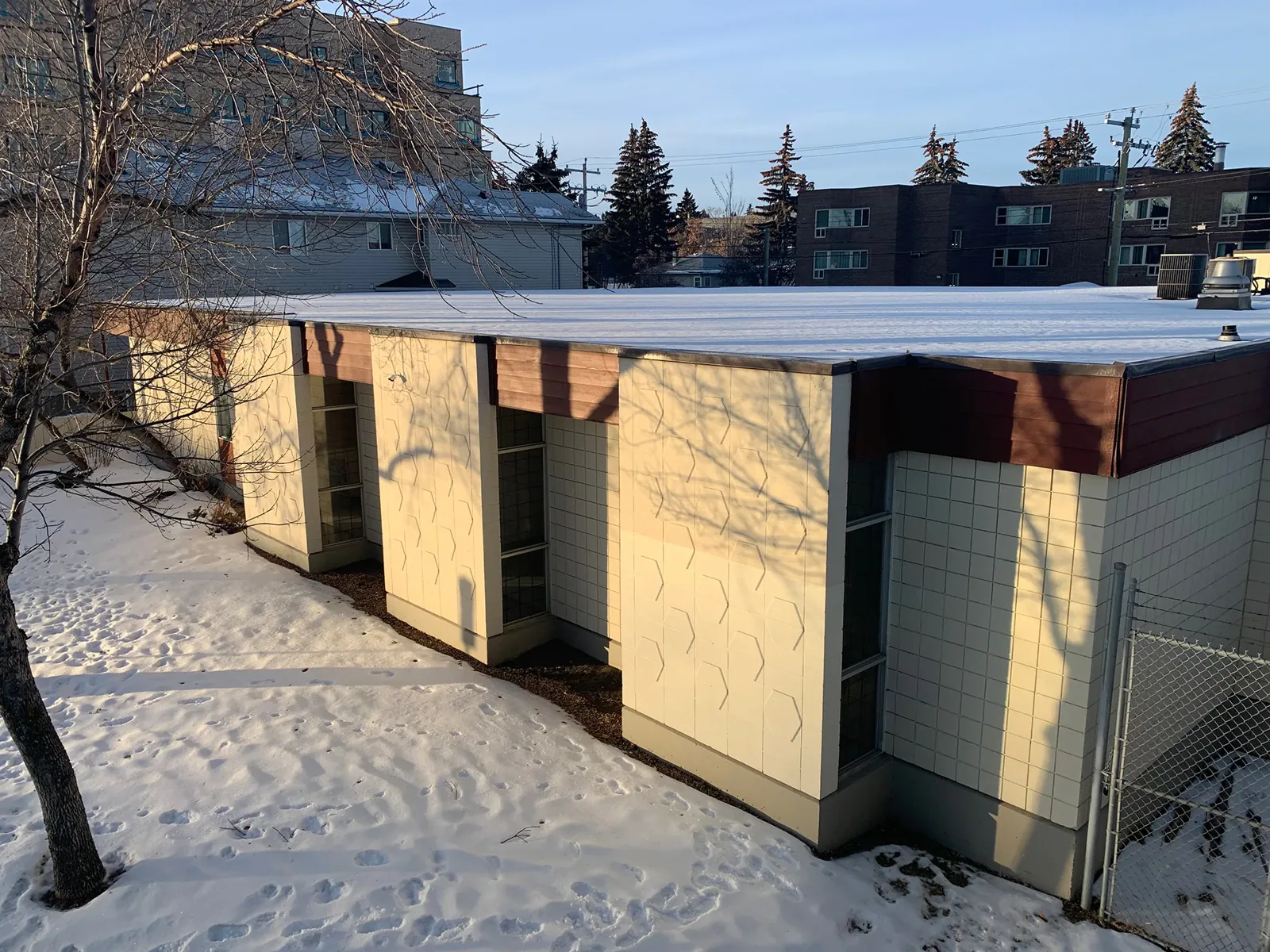
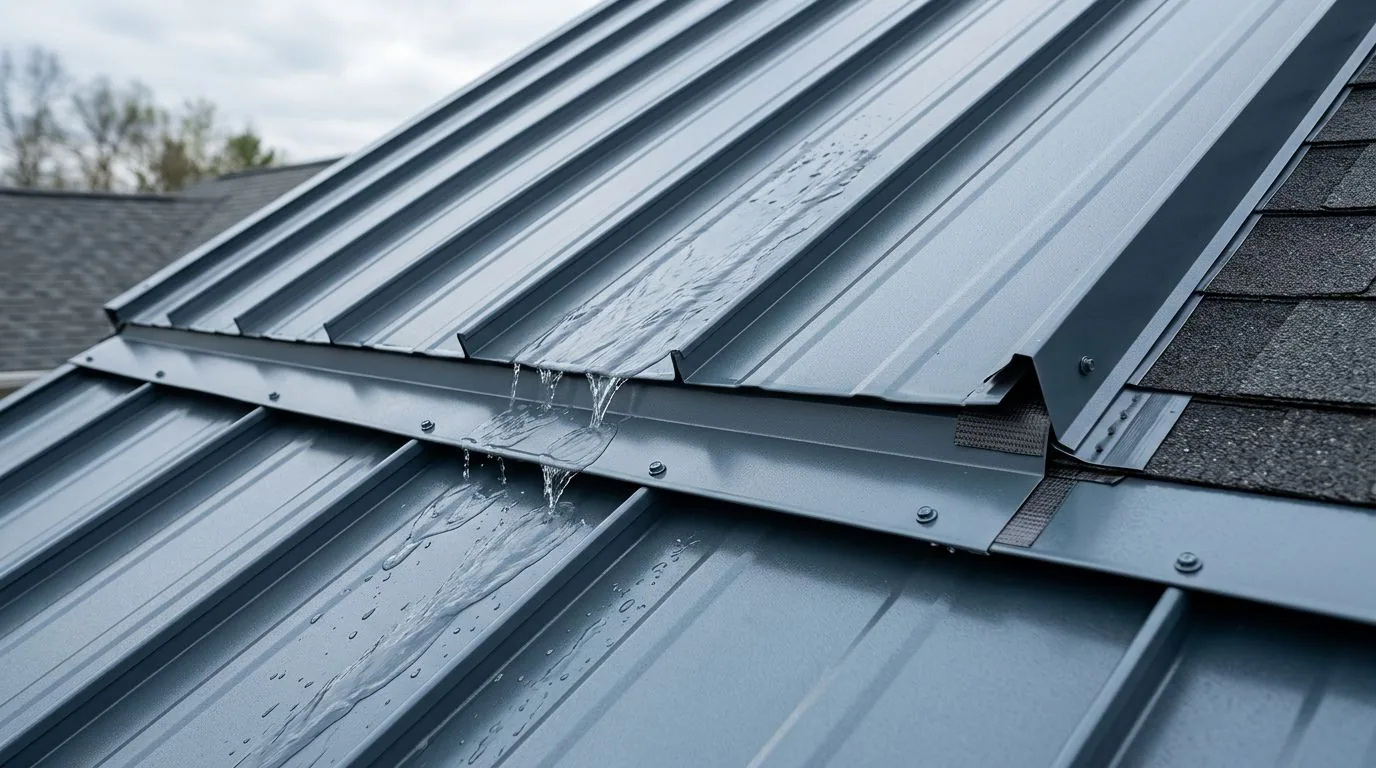
Document review: establish the actual coverage terms
We begin with the warranty document supplied by the owner, then identify the covered roof area, named parties, effective and expiration dates, exclusions, notice requirements, inspection duties, and any limits on repair work. If a document or attachment is missing, we record that gap and ask the owner or issuing party to retrieve it. A material invoice alone may not establish the terms of a system warranty. We preserve the document version and the building it belongs to so that an owner can distinguish a system record from a later service contract.
For a roof with a prior patch, coating, recover, or equipment change, the owner should confirm whether the work required notice or approval under the governing terms. We can help assemble the scope, dated photos, contractor information, and repair boundary for the appropriate review. Recover work and coating restoration can affect existing assemblies, so eligibility and approvals need to be confirmed before a proposal treats either option as available. Manufacturer system information can help identify product documentation but does not replace the owner's project-specific warranty.
If the terms are ambiguous, we identify the exact clause or condition to submit for written clarification. We do not extend coverage by interpretation; the issuer provides that written confirmation for the owner.
Maintenance log: retain dated proof of required care
When the terms require inspections or maintenance, the owner needs a dated record of what was reviewed, what was found, and what corrective work followed. A visit log should identify roof zones reached, access limitations, photos, debris or drainage issues, flashing observations, and open recommendations. If a condition is outside the visit boundary, it should not be described as cleared. Preventive maintenance can be scheduled around the owner's operating calendar, with the scope matched to the actual system and warranty language.
Boston Logan climate normals include both precipitation and snowfall across the year, so Lynn maintenance records should capture outlet checks before winter and after heavy rain. Lynnway Park includes warehouse, cold-storage, food-processing, and light-industrial uses, where an owner may need to coordinate roof access with receiving and interior protection. We record the work window for the actual property and connect each maintenance entry to the roof zone visited.
Before each maintenance visit, we can compare the scheduled work with the owner’s recorded warranty duties and list questions that require issuer confirmation. This avoids representing a routine visit as full compliance when the terms call for a different inspection, notice, or repair approval. The log should preserve who requested the work, which roof sections were reached, and any recommendation that remains open. If the owner decides to defer a suggested repair, record that decision and its date so a later manager does not mistake an uncompleted item for a closed finding.
Repair tracking: preserve the approved boundary
When a roof needs repair, the file should show the reported concern, inspection date, photos, recommendation, approval request, authorization, work performed, and closeout. The repair boundary matters: an approved patch around one curb does not automatically describe adjacent membrane or concealed insulation. If a test opening is needed, note the location, result, and restoration. For a developing leak, leak repair can establish an immediate work record; if wind or hail is involved, keep event observations separate from conclusions about warranty coverage.
Hurricane Sandy brought coastal flooding along the Massachusetts shoreline. For Lynn properties, we inspect the actual edge metal, wall transitions, and drainage after severe weather, and record any observed change by roof zone. Those events are relevant to the region's exposure history, but a specific claim still depends on the building's conditions and the warranty terms. An owner should report a suspected issue promptly as required by the document and preserve the roof condition before temporary or permanent work changes it. We can help organize a dated photo record and a scope narrative that distinguishes observed damage, prior conditions, and repairs already completed.
Owner handoff: keep renewal and transfer requirements visible
Property sales, refinancing, management changes, and tenant turnover can interrupt warranty records. A handoff file should include the controlling documents, maintenance log, project closeout, contact details for the issuing party, pending repair questions, and any deadlines the owner has confirmed. If the warranty includes a transfer procedure, the owner should follow its terms and obtain confirmation from the issuer rather than relying on an informal file transfer. A condition report can provide a dated snapshot for the transaction, while a due-diligence survey may help answer a broader acquisition question.
At Lynn Harbor, designated port-area activity includes marine-dependent commercial and industrial uses. That context can prompt early coordination for roof access or records retrieval, but it does not establish what warranty applies to any individual building. We list the owner-provided constraints and documents, note unanswered questions, and identify who should confirm them. The closeout file should be updated after every approved repair and reviewed before renewal or transfer so the next decision starts with the current record.
For a portfolio, the handoff should identify which properties have complete documents and which have gaps. The status is more helpful than a folder count: an owner may have files for every building while still lacking an effective date, accepted transfer, or maintenance record for a particular roof. We list the next confirmation needed and the person responsible for obtaining it. A dated index can also show the last inspection, open recommendation, and next scheduled review without implying that coverage extends to work the issuer has not accepted.
Commercial Roofing Questions
How can I tell whether my roof is still under warranty?
Locate the controlling document and confirm the named owner, roof area, effective date, term, and issuer. If records are incomplete, we can list the missing items and help the owner request confirmation from the issuing party rather than assume that age establishes coverage.
Does a roof repair automatically void a warranty?
That depends on the written terms and the repair performed. Review notice, approval, contractor, and material requirements before work where practical, and retain the approved scope and closeout record for the affected roof zone.
What maintenance records should we keep?
Keep dated inspection reports, photos, roof zones reached, access limits, observed conditions, corrective work, and open recommendations. Match the interval and required actions to the actual warranty document and system rather than using a generic schedule.
Can you file a warranty claim for a leak?
We can document the reported condition and help assemble photos, dates, repair history, and a defined scope. The issuer decides coverage under its terms; we do not promise that a leak or storm condition will qualify.
What happens to warranty records when a property changes hands?
The owner should check transfer requirements and deadlines in the controlling document, then request confirmation from the issuer. We can organize the current file, identify missing documents, and provide a dated roof condition record for the handoff.
Organize your Lynn roof warranty file
Send the available warranty, closeout documents, inspection logs, and repair history with the building contact. We can identify gaps and prepare a zone-based record for the next review.
Back to Roofing Capabilities.