
GAF Commercial Roofing in Lynn, MA
A food-processing or cold-storage building at Lynnway Park cannot select a membrane from the name on a product sheet alone. The roof record must identify the existing layers, drains, curb transitions, and areas where refrigeration or production access cannot pause. GAF's commercial portfolio includes TPO and PVC single-ply membranes, with PVC KEE options among its thermoplastic products. We inspect the assembly in place and tie each recommendation to a roof zone, photo, and operating window. The Lynnway Industrial Park's warehouse and processing uses call for coordination around loading, stored goods, and equipment service, while Lynn Harbor adds marine-industrial activity and coastal exposure to the regional work plan. A proposal should say what system is being considered, what preparation it needs, and what concealed finding could change the scope.
Review GAF roof options in Lynn with seam, edge, drain, and flashing findings tied to each roof zone, access window, and repair boundary.
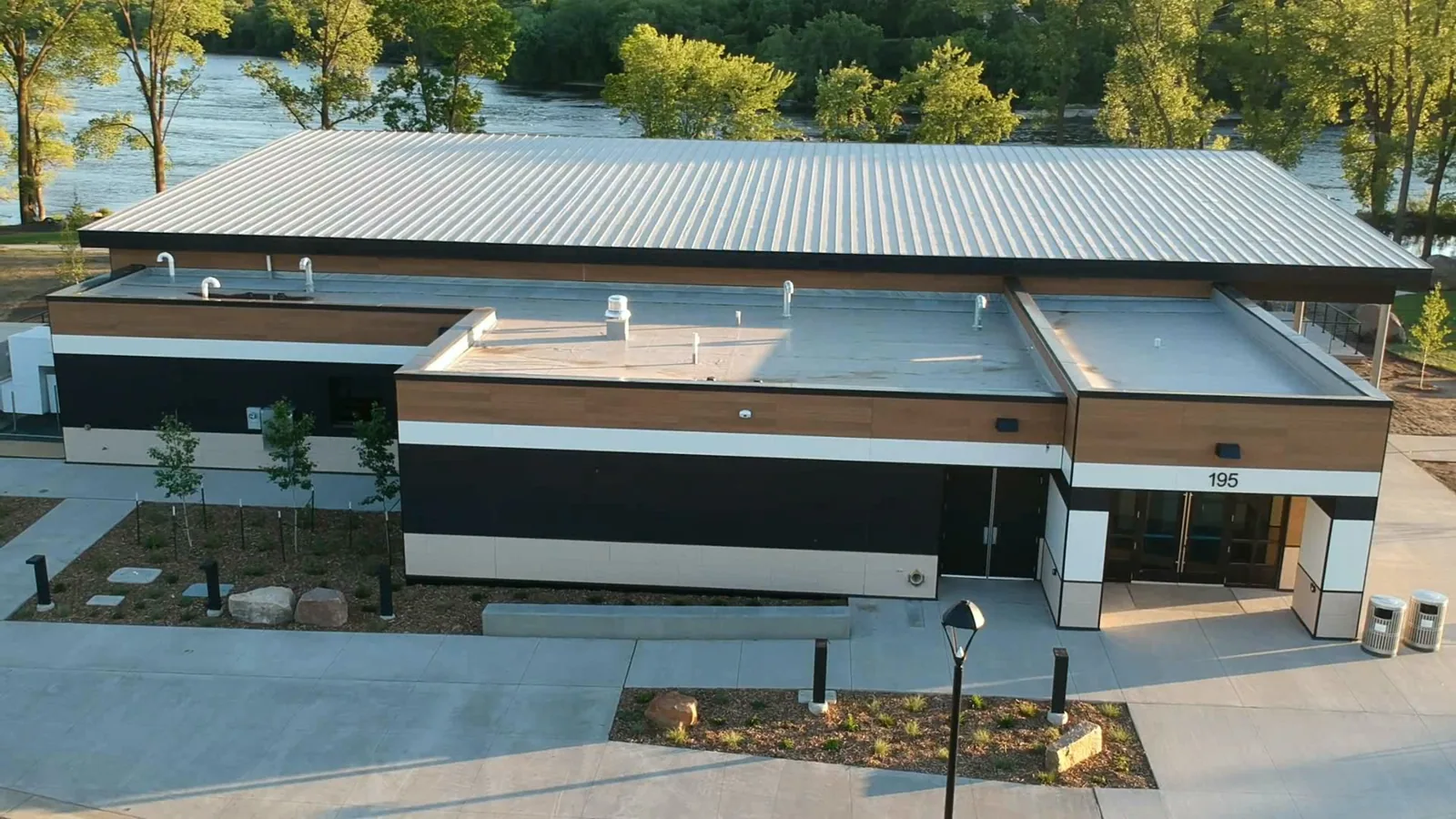
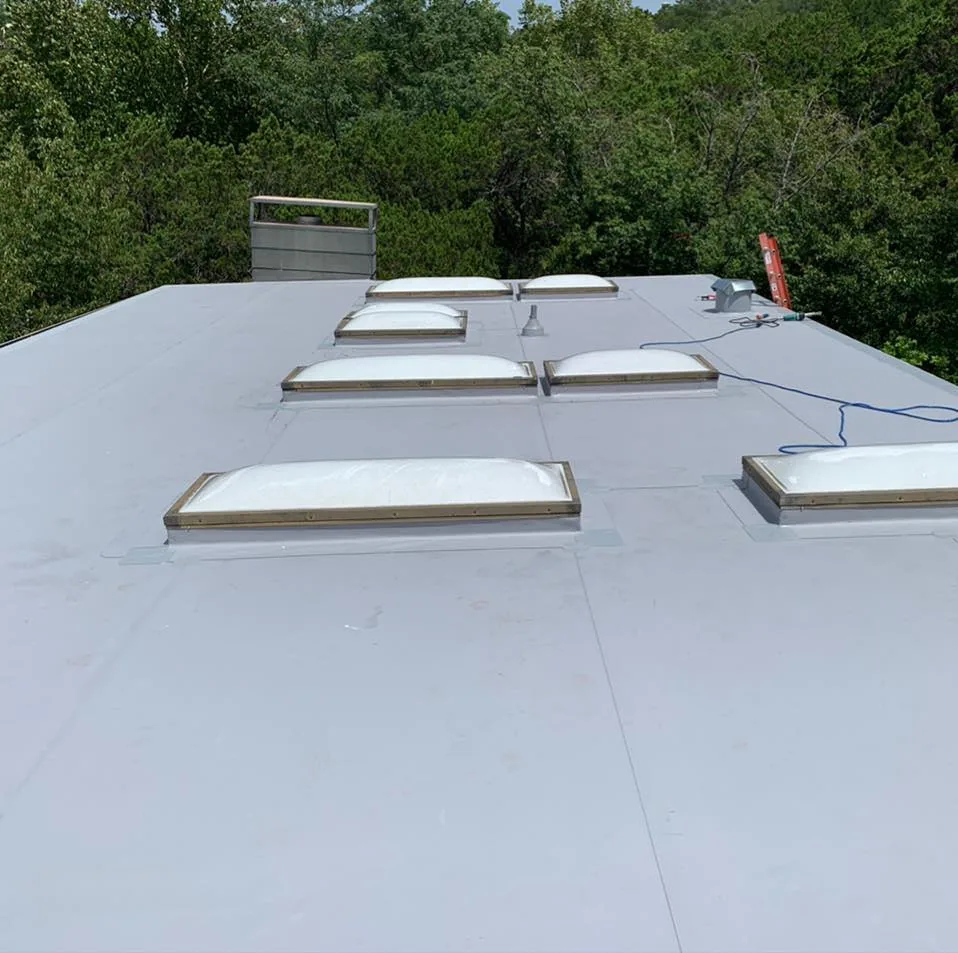
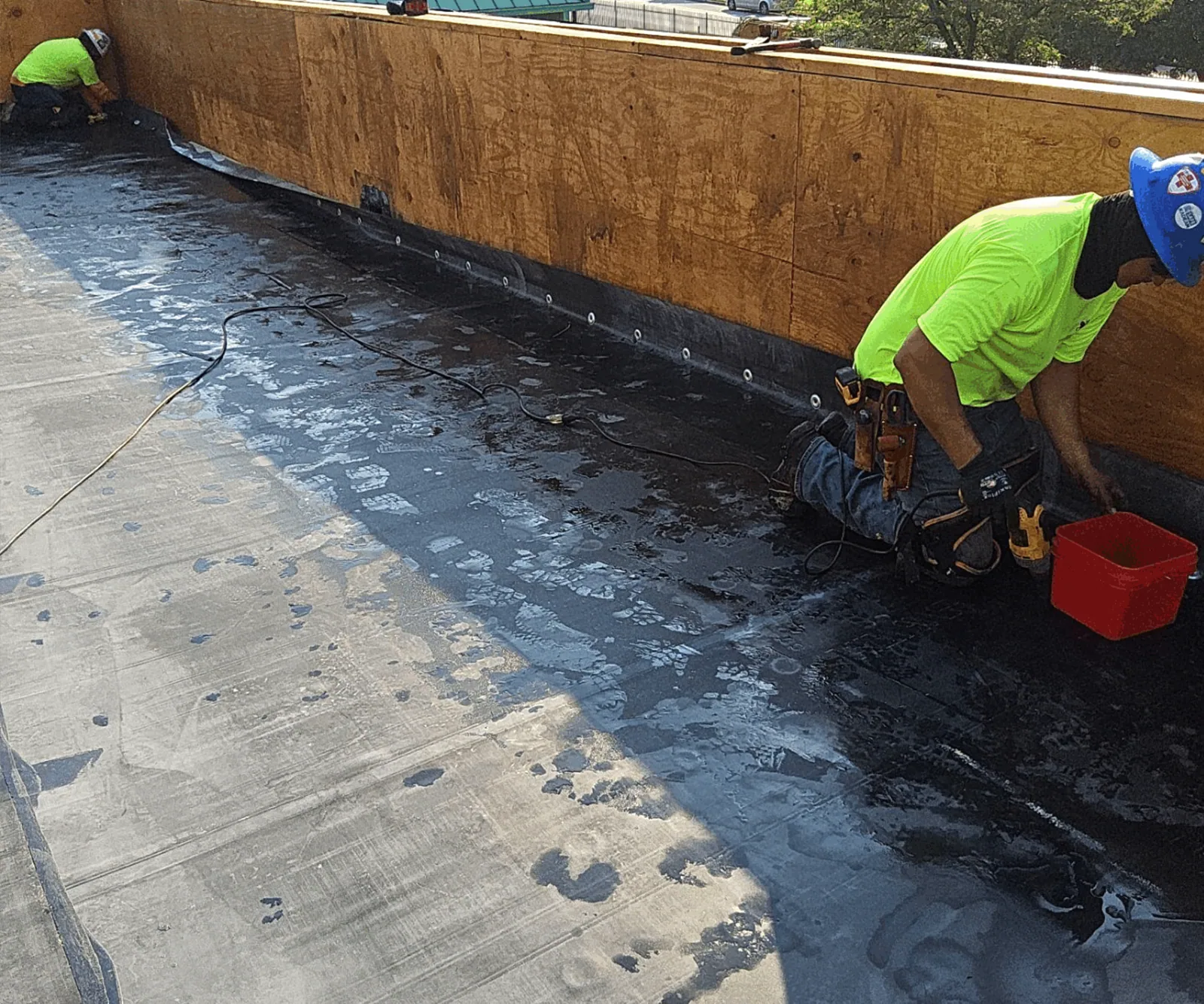
System fit: start with the existing assembly
GAF's EverGuard line includes thermoplastic TPO, PVC, and PVC KEE membranes. Thermoplastic seams are heat-welded, so the substrate, sheet layout, weld quality, perimeter securement, and flashing transitions all matter to the finished roof. The inspection record identifies the current membrane and repair history before comparing a GAF option with a Carlisle SynTec system or a Johns Manville assembly. A manufacturer name does not determine whether an existing roof can remain or whether its attachment can support another layer.
We begin with roof zones, not a broad surface-area assumption. The field walk marks membrane seams, parapets, expansion joints, penetrations, drains, rooftop units, and any areas that remain inaccessible. If a prior patch crosses a seam or flashing transition, we record its limits and check the adjacent material before building a repair detail around it. A commercial roof inspection can establish the initial condition log, while a photo-supported condition report ties the observations to the roof map. The owner can then compare a repair, recover, or replacement without treating the product label as the scope.
Inspection record: seams, curbs, and terminations
A thermoplastic roof needs sound seams and transitions where the field membrane meets walls, drains, skylights, equipment curbs, and edge metal. We inspect for open welds, fishmouths, punctures, wrinkles, loose termination bars, and patches that have separated from the surrounding sheet. The photo record shows the detail in context and close enough to define a repair boundary. If the roof history or visible surface leaves moisture extent uncertain, we mark a controlled test opening and state what layer it is meant to confirm. An infrared pattern can guide testing, but the scan alone does not confirm wet insulation.
Where Lynnway Park's cold-storage or food-processing operations are active, we also note which roof sections sit above loading, equipment, or temperature-sensitive spaces. That location helps set interior protection and the work window; it does not tell us what is inside the assembly. Lynn Harbor's water-dependent industrial uses add another access question: the property contact confirms delivery and staging rules for the particular building. A roof near the Lynn Harbor Port Area still needs its own roof map, assembly review, and access plan.
Lynn exposure: water, wind, and freeze-thaw
Before comparing a GAF system with an existing assembly, include the Boston Logan climate context: yearly snowfall averages 48.2 inches, and annual precipitation averages 44.52 inches. The roof inspection identifies whether drains, overflow paths, or edge securement need work before a product is considered. We inspect drain bowls, scuppers, low areas, wall turns, and coping where water or freeze-thaw can expose a weak transition. A GAF membrane choice has to fit those details as well as the deck, insulation, slope, and project requirements.
For post-storm context, Massachusetts experienced coastal flooding during Hurricane Sandy; Revere Beach recorded 54 mph sustained wind. A GAF assembly review can use that history to select inspection points, including edge metal, membrane transitions, and water entry. The property inspection establishes whether any of those details needs repair. The event gives owners a reason to review edges and water paths after severe weather, not a reason to assign damage to a building without evidence. Lynn Harbor supports marine-dependent industrial and commercial activity. In Saugus, Saugus Center and Route 1 are economic-development areas. Each roof’s assembly and access needs still require findings at the property. We document displaced metal, separated flashing, torn membrane, debris impact, and active water entry by zone before adding work to the repair scope.
Scope comparison: repair, recover, or replace
A localized GAF-compatible repair can fit when the defect is limited and the nearby sheet, insulation, and attachment remain serviceable. The scope should identify seam preparation, patch material, tie-in dimensions, and the adjacent details that were inspected. Recover requires a separate review of existing layers, moisture, deck condition, drain height, perimeter clearance, and project requirements. Replacement opens more of the assembly and can address insulation, cover board, drainage, and flashing together, but it also brings tear-off, disposal, interior protection, and weather exposure into the sequence. We put those options on the same roof map so an owner can see what changes between them.
Massachusetts commercial projects are governed by the state's building and energy code requirements in effect for the permit. The design and permit documents determine the assembly and insulation decisions for each project. Our field record captures the visible substrate, test results, penetrations, drain elevations, and access constraints that the designer or general contractor needs to resolve those details. For an existing thermoplastic roof, the comparison can include a TPO roofing assembly or another listed membrane, but the proposed system must match the confirmed conditions. Product availability, sheet layout, substrate preparation, rooftop equipment, and the number of transition details affect cost and timing.
Work sequence: protect the operating area
Before mobilization, we confirm the roof access point, delivery path, staging location, lift plan, and contact who can release each zone. Lynn Harbor sites may need staging coordinated with marine or water-dependent activity; Lynnway Park operations may need clear truck turns, loading bays, or refrigeration service routes. Downtown Lynn adds occupied storefronts, offices, and cultural uses where pedestrian separation and smaller material drops can matter. Each condition goes into the work plan as a site-specific constraint, not a generic assumption.
The crew opens only the section it can inspect, install, and dry-in within the available access and weather window. We mark the start and stop limits, temporary protection, completed seams, and details that need inspection before another trade covers them. If concealed moisture or substrate damage changes the agreed scope, work pauses at the recorded hold point until the owner or general contractor reviews the finding. At closeout, the file contains dated roof-zone photos, materials installed, test areas, repaired edges and drains, and any condition left outside the approved work. Share the building use, problem zone, access contact, and hours available for a roof walk. We will return dated photos with a scope boundary and the specific conditions that support it.
Commercial Roofing Questions
When does a GAF thermoplastic membrane make sense for a Lynn building?
The assembly, not the name, decides where to start. We review the deck, insulation, drainage, attachment, penetrations, and access limits, then compare the proposed GAF system with repair or replacement alternatives. A test opening may be needed if concealed moisture could change the choice.
What should the inspection say about a failed seam?
A useful record identifies the roof zone, seam length, surrounding sheet condition, and any moisture or movement that could change the repair. We photograph the weld, mark the tie-in limit, and note whether a test or nearby curb review remains open before pricing the work.
Can roof work be phased around Lynnway Park operations?
Start with the loading, processing, and equipment schedule. We identify which zones can be isolated, where materials can be staged, and how each shift will close with a watertight dry-in. The plan also names the contact who can release the next roof area.
How do snow and coastal weather affect the system review?
Boston Logan's regional normals include substantial annual precipitation and snowfall, while Sandy brought coastal flooding and strong wind to the Massachusetts shoreline. We use that setting to focus the walk on drainage, edges, and flashing, then scope work from findings at the actual building.
Request a GAF roof-system review
Share the building use, affected roof zone, access contact, and workable schedule window. We will document the existing assembly, map observed conditions, and outline a repair, recover, or replacement boundary.
Back to Roofing Manufacturers.