
Johns Manville Roofing in Lynn, MA
Food processing, storage, and light-industrial buildings at Lynnway Park put a practical question ahead of a product selection: what assembly is present, and which condition is changing the owner's next roof decision? Johns Manville offers commercial systems across modified bitumen, EPDM, PVC, and TPO, along with specialty roofing products. We document the field membrane, layer history when known, insulation transitions, drains, curbs, and perimeter details before comparing any system. The resulting record separates a manufacturer's available products from the conditions actually found on the building.
At a Lynn Harbor facility, delivery or marine activity may shape when an inspection team can stage and move. Downtown Lynn buildings can have occupied tenant spaces, storefront access, and roof routes that need their own controls. Those contexts inform logistics, not the roof's condition. Our commercial roof inspection records photos, dated findings, and roof-zone references, then identifies whether a closer test is needed. A repair boundary or replacement comparison is useful only when it names the area supported by that evidence.
Compare Johns Manville commercial roofing options in Lynn through a roof-zone review of membrane condition, insulation, drainage, access, and exposure.
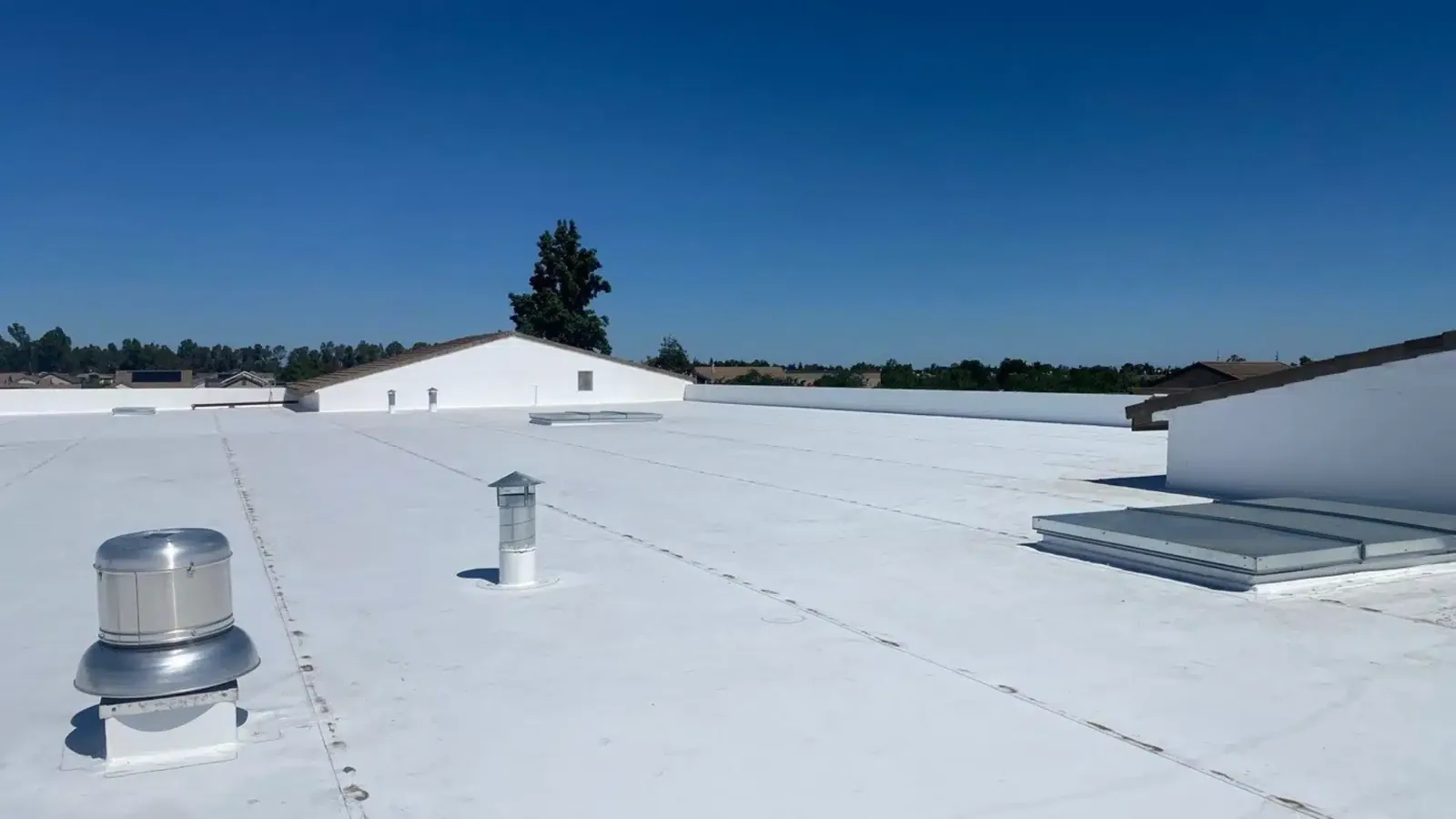
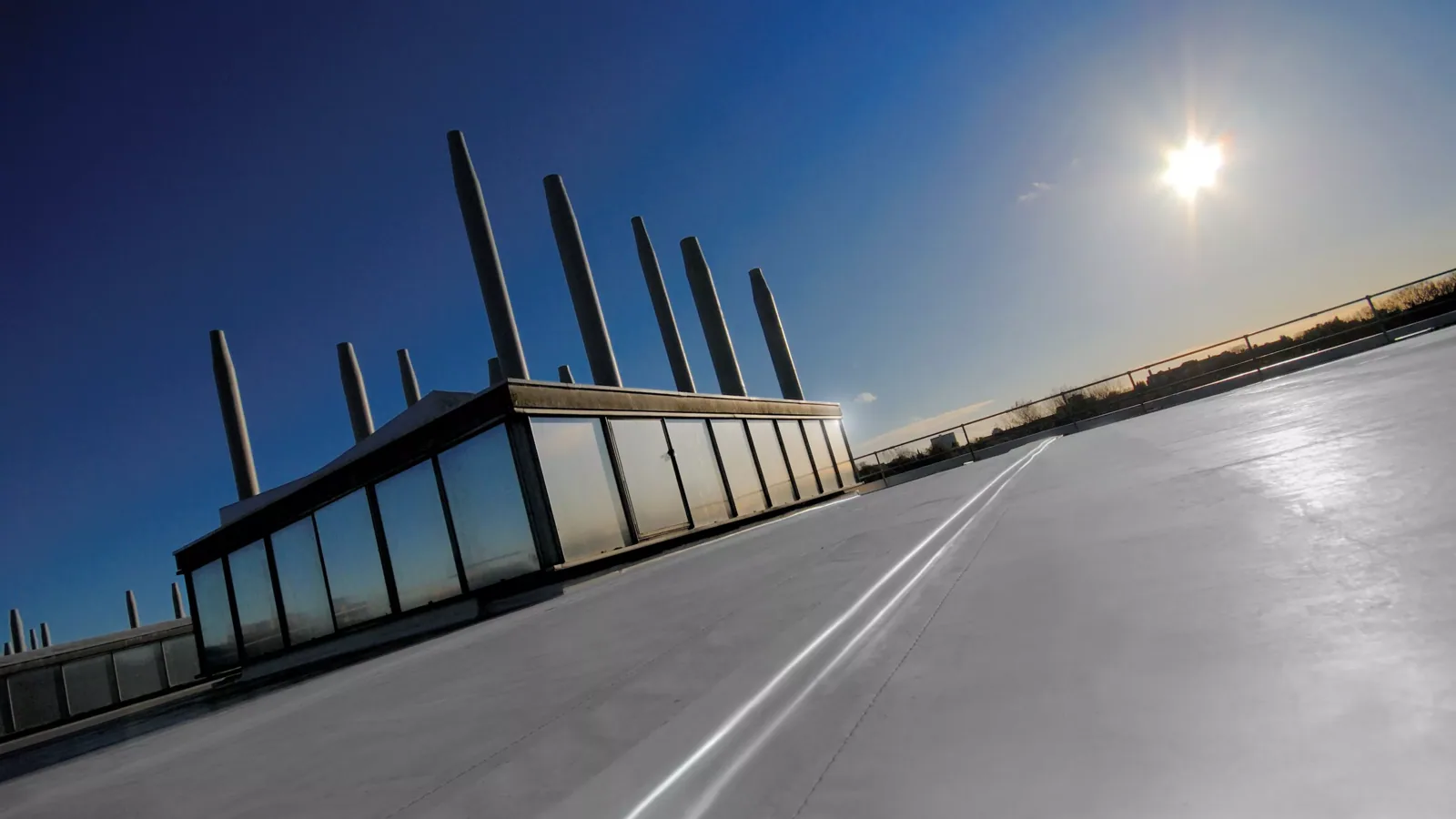
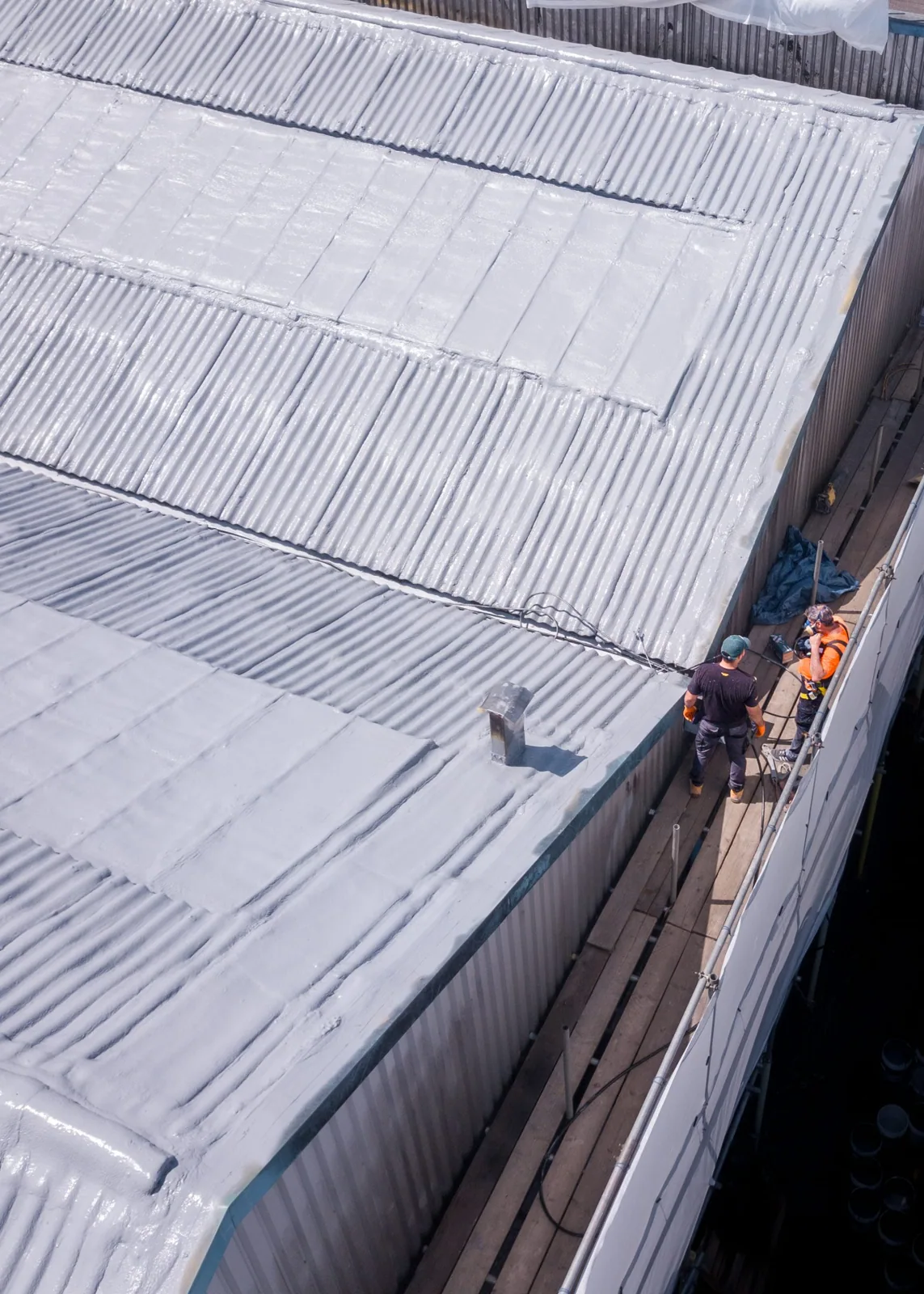
Observed condition: identify layers before choosing a system
Modified bitumen, EPDM, PVC, and TPO do not share identical seams or flashing methods. A repair recommendation starts with identifying the existing surface, checking prior patches, and recording how membrane turns at walls, curbs, expansion joints, and drains. We note open laps, splits, wrinkles, punctures, loose terminations, coating buildup, and areas where water remains after a storm. Each condition gets a date and roof-zone label. We do not call a concealed layer wet or sound unless a test or record supports that finding.
If layer history is unclear, an owner may need an assembly review before selecting a system. A targeted test opening can expose the materials and substrate at a chosen point; the report states what was found there and what remains unknown beyond it. A thermal image can direct attention toward a possible moisture pattern but does not identify the material by itself. A roof survey for an acquisition or capital decision should show the limits of each observation, the areas not opened, and the next test that would reduce uncertainty. This keeps a product comparison from standing in for an inspection.
System options: compare the actual assembly
Johns Manville's commercial portfolio includes multiple system families, including SBS and APP modified bitumen products as well as single-ply options. We compare the proposed assembly by substrate, insulation, attachment, seam approach, flashing transitions, and project requirements rather than treating a catalog category as a complete scope. A Carlisle SynTec system or GAF membrane assembly can be evaluated against the same conditions, with differences written into the scope where they affect preparation, detailing, or maintenance.
For a multi-layer roof, the tear-off boundary and deck condition can influence the work more than the brand name. For a single-ply roof, seam and edge details may be the locations that deserve closer attention. Insulation transitions, cover board, slope, and drain layout need to work with the selected membrane. Where a change in assembly may alter building performance or code review, the design documents and permitting authority govern. The condition report should identify which facts are observed, which assumptions remain, and what a test opening would resolve before pricing is treated as final.
Local exposure: make water paths visible
Boston Logan's regional climate includes regular precipitation and snowfall, cold winter nights, and warm summer days. For Lynn facilities, those seasons put drainage paths, overflow provisions, and safe winter access on the inspection list. The field review also records actual roof conditions and any building-specific load question for the design professional. We trace how water should leave the roof, then record any blocked drain, low area, damaged scupper, or deteriorated wall transition that interrupts that route. The same Diligence Notes can show where snow or meltwater may collect, without converting a climate normal into a roof diagnosis.
In 2012, Hurricane Sandy produced shoreline flooding and high winds in parts of Massachusetts. At the Lynn Harbor Port Area, the coastal setting makes perimeter metal, wall flashing, and roof-to-wall connections reasonable inspection points after severe weather. Actual damage still needs direct observation: displaced metal, a new puncture, separated membrane, interior leakage, or wet material identified through an appropriate test. The harbor district and Downtown Lynn also differ in access and staging, so we write those limits alongside the condition log rather than assuming one sequence fits every property.
Scope comparison: write the decision line clearly
A localized repair may suit one failed lap, curb flashing, or puncture when the surrounding membrane and substrate remain serviceable. The work scope identifies preparation, material compatibility, tie-in extent, and what nearby area was not tested. If findings show recurring failures, broad deterioration, or moisture beyond the repair zone, a larger boundary or replacement may deserve comparison. Our commercial repair work should leave the owner with a clear distinction between confirmed conditions and allowances for concealed material.
A recover can reduce tear-off only when existing layers are stable, dry, attached, compatible, and permitted by the design requirements. Replacement can reset the assembly and allow insulation, drainage, edge metal, and flashing to be addressed together, while adding removal, debris, noise, and weather exposure. The scope comparison states what changes between these options and which test result would change the recommendation. A proposed Johns Manville system should be tied to that decision record, with an SBS or APP modified-bitumen assembly distinguished from single-ply alternatives by the actual roof details, not a shorthand label.
Access and sequencing: protect operations below
A roofing sequence has to fit the access route, weather window, and building activity. Before work starts, we confirm roof hatch or ladder access, lift locations, staging, truck paths, occupied areas, and any equipment shutdown that needs owner coordination. Lynnway's industrial corridor can have active receiving and service movement; at a Downtown Lynn property, entrances and public-facing operations may define a different work boundary. The written plan marks the zone opening each shift and the expected temporary dry-in so the owner can coordinate tenants or operations with a specific area.
When the crew reaches a concealed or unstable condition, the scope should pause at an agreed hold point, document the finding, and identify the decision needed before covering it. Closeout photos can show substrate preparation, membrane seams, flashing, edge treatment, drains, and repaired areas by zone. The file should also list exclusions, test locations, and follow-up items so maintenance staff can compare future observations against the completed work. Send the building use, known leak locations, access contact, and available work window to request a roof walk and a photo-supported scope comparison.
Commercial Roofing Questions
Which Johns Manville system belongs on a Lynn commercial building?
The building's existing assembly, deck, drainage, use, and project requirements determine which options merit comparison. We document those conditions first, then identify a proposed membrane or multi-ply system with its attachment and transition details. The product family alone cannot confirm compatibility or resolve concealed moisture.
When should an owner ask for a test opening?
A test opening is useful when a concealed layer, deck, or moisture condition could change the repair boundary or tear-off scope. We select a location based on visible evidence, record the layers and condition found, and describe what adjacent areas remain unconfirmed. The finding applies to that location unless additional testing supports a broader conclusion.
Can modified bitumen be compared with a single-ply roof?
Yes, when the comparison is specific to the building. We set the assembly requirements beside seam or lap details, substrate, transitions, drainage, and installation access. The written options should also state what removal, testing, or preparation each scope includes, plus the condition that would change the price or sequence.
How should a coastal Lynn property document storm concerns?
Record the actual roof evidence by zone: displaced perimeter metal, open flashing, membrane damage, water entry, or tested wet materials. Lynn Harbor's setting gives the inspection a useful exposure context, but geography or storm history alone does not prove damage at a building. Photos and dates preserve the boundary for repair decisions.
Request a Johns Manville roof review
Provide the building use, known system if available, affected roof zones, access contact, and schedule limits. We will record visible conditions and prepare a repair, recover, or replacement comparison supported by photos.
Back to Roofing Manufacturers.