
Preventive Roof Maintenance in Lynn, MA
A maintenance plan for a Lynn commercial building should make small changes visible before a winter leak or coastal storm turns them into an urgent scope. The Route 1 zoning district and Saugus Center are town-identified economic-development areas; Lynn Harbor supports marine-dependent commerce. Those settings can put different demands on access and operating windows. We inspect the actual roof, identify its assembly, and record each zone rather than assume one calendar fits every property.
The condition log should show what changed since the last visit, what is still sound, and which item needs a repair or test. At Downtown Lynn, retail, restaurants, galleries, and events create a different access pattern from a working waterfront parcel. We coordinate the visit with the building contact, then leave dated photos and a scope comparison the owner can use.
Schedule commercial roof maintenance in Lynn with dated roof-zone findings, drainage checks, edge review, and a repair list built for coastal weather.
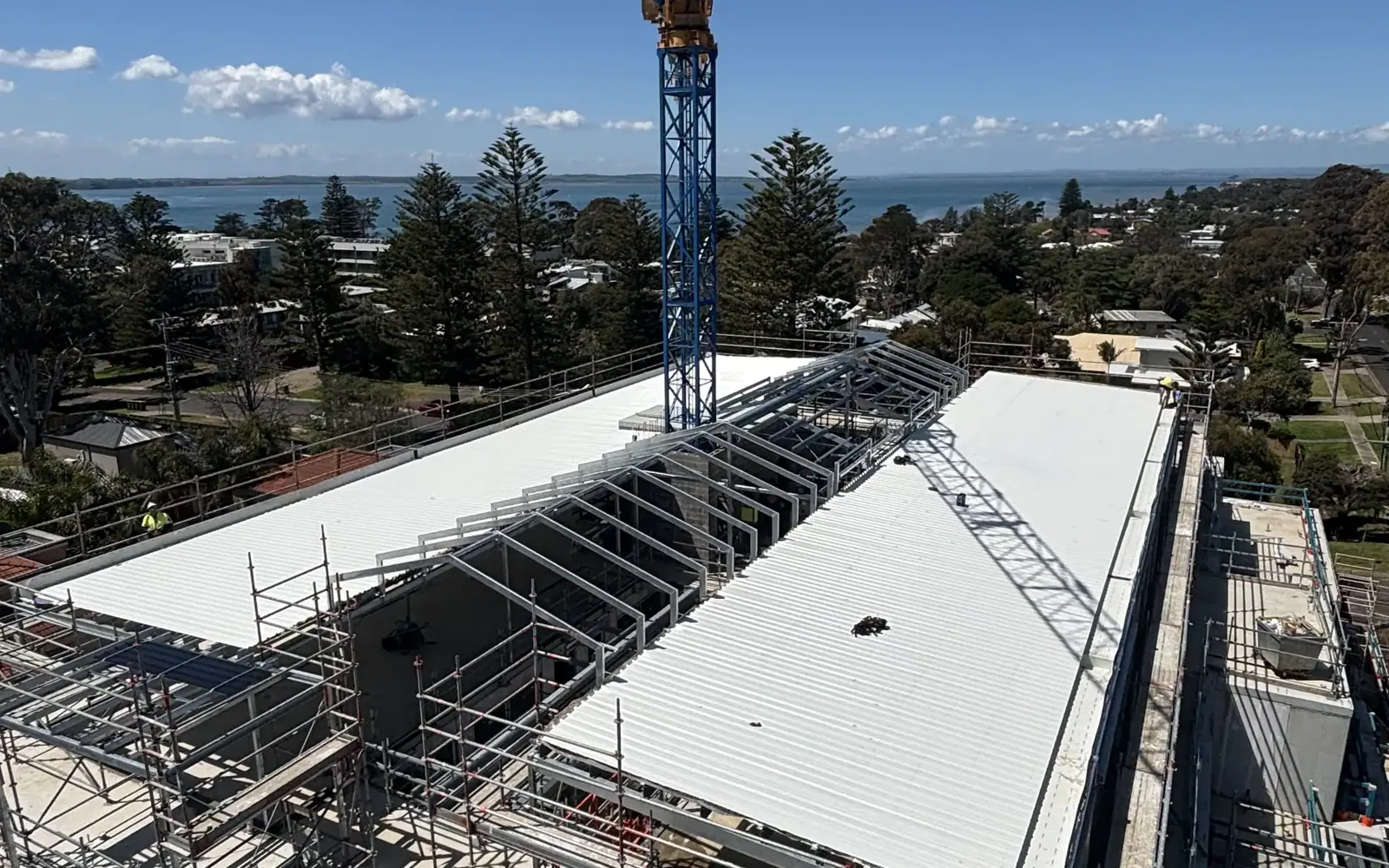
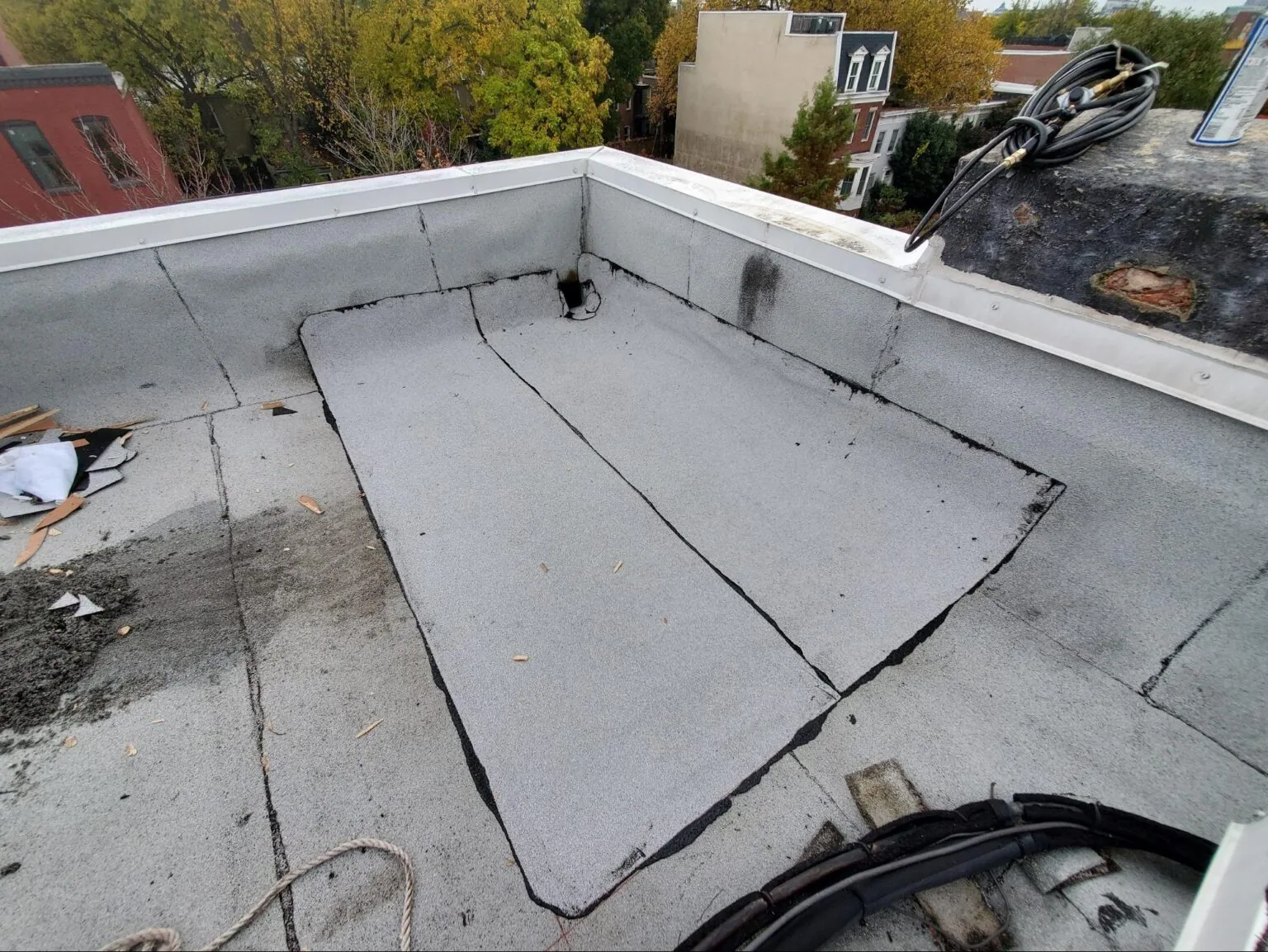
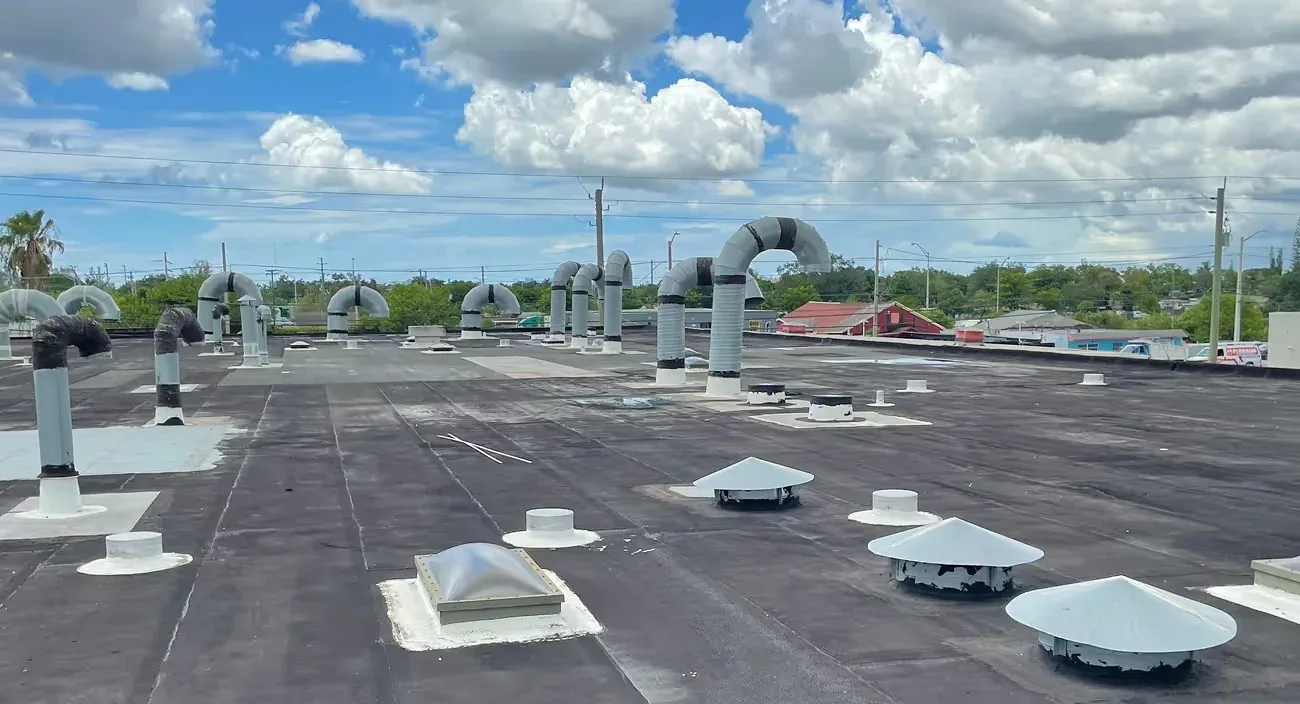
Set a Visit Cycle Around the Building
Start with the roof history, not a calendar copied from another property. We review prior leaks, repairs, warranties, tenant work, rooftop equipment changes, and the time of year when trouble appeared. A building with active food processing may need close coordination around access and operations; a marine-commercial property can have different staging or exposure questions. During the site walk, we inspect the assembly, access limits, and roof zones that control the maintenance interval.
During the walk we divide the roof into labeled zones and examine seams, laps, membrane transitions, equipment curbs, penetrations, edge metal, coping, drains, scuppers, and visible patches. We note debris, open sealant, lifted flashing, loose fasteners, soft areas, or an unexplained stain. Each finding gets a photo and a location description so a later inspection can compare the same detail.
For owners balancing several assets, a roof asset record can hold dates, repair history, condition, and next steps together. A condition inspection can establish the baseline when roof records are thin or the building has changed hands.
Check Edges After Wind and Salt Exposure
Lynn's waterfront setting makes perimeter details worth recording after severe weather. Hurricane Sandy brought coastal flooding along the Massachusetts coastline in 2012; the broader event included a 62 mph gust at Boston and a 54 mph sustained wind at Revere Beach. After a reported event, the Lynn roof walk records movement, openings, impact marks, or water entry found at the building. After a reported event, we look for displaced coping, loosened edge metal, open terminations, punctures, and wind-driven water paths on the building itself.
At the Harbor Port Area, marine-dependent industrial activity and shipping shape the surrounding setting. At Lynnway Corridor, the Route 1A study treats the road network as a regional movement route. We use those facts to ask about gate access, delivery timing, and safe material staging; we do not assume any particular roof surface or corrosion condition from a location name.
If a loose edge or failed seam is confirmed, a perimeter repair scope can define the affected run and fastener or flashing work. If the inspection finds a storm-related defect, wind damage repair documents the observed condition separately from routine maintenance.
Keep Drainage Findings Separate from Cleanout
A clogged strainer and a failed drain connection need different work orders. We check bowls, strainers, leaders, scuppers, overflow paths, low areas, and the membrane around each outlet. The condition log records whether water can reach the intended discharge and whether any patch, split, loose ring, or damaged flashing interrupts that path. A photo of standing water is useful only when it also identifies the roof zone and surrounding details.
Boston Logan's climate record averages 44.52 inches of annual precipitation and 48.2 inches of snowfall. Those regional figures make drainage and winter access relevant across the North Shore, but a specific roof's slope, outlet count, and present condition decide what maintenance is needed. We do not read an annual average as a diagnosis of a Lynn roof.
When the finding is debris or a simple obstruction, a maintenance visit may restore flow. When a drain body or membrane transition has failed, we separate that corrective work from cleanout. A drainage inspection can map the outlets, while a leak investigation traces water that has already reached the interior.
Choose Timing That Leaves a Dry-In
Seasonal timing is a roof condition issue and an operating issue. Boston's January mean daily minimum is 24.3 degrees, so cold weather can affect safe access, wet surfaces, and the materials that can be installed. We check the actual forecast and roof before scheduling a repair. A seasonal maintenance visit can identify a weak seam or drain before a more limited winter work window arrives.
On an occupied building, the access window may depend on deliveries, production, public hours, or equipment shutdowns. We agree on staging, roof entry, protection below, and the order of roof zones before work begins. A phased work plan can keep the daily work boundary clear when interior operations need to continue.
Maintenance can also uncover a defect that should not be handled as a cleaning item. We mark it for repair, price it separately, and state whether the roof can remain in service while the owner decides. Where a quick response is needed, emergency roof service can protect the opening and document the next permanent step after access is safe.
Make the Condition Log Useful Next Quarter
Close each visit with a dated finding, roof-zone photo, action category, and follow-up date. The record should distinguish a completed repair from a recommendation awaiting approval. We also note inaccessible areas, material limitations, and conditions that may require a test opening. That way, the next manager can see what was observed rather than infer that an estimate means the work was done.
For Lynn Harbor or the waterfront industrial parcels, we can coordinate site access while keeping each building's assembly record separate. A portfolio that also includes a downtown property near the Market Street Corridor can share an inspection calendar without blending roof conditions. If an owner needs to compare immediate work with a future capital window, a roof capital plan can group findings by urgency and evidence.
Provide the property use, roof history, active leak areas, access contact, and preferred inspection window. We will return a photo record with a repair boundary and a follow-up recommendation that matches the roof, not a generic maintenance interval.
When maintenance finds a recurring condition, we compare its dated photos with earlier visits and show whether the repair boundary is stable or spreading. That distinction helps the owner set the next capital window.
Commercial Roofing Questions
What goes into a useful maintenance visit?
We record the assembly, roof zones, seams, flashings, equipment supports, drains, edge details, visible defects, and any area that could not be reached. Photos are dated and tied to a next action.
Can maintenance include repair work?
Yes, when the defect and scope are clear. We keep cleanout, minor corrective work, and larger repair needs distinct so the owner can approve each quantity and boundary.
How should a coastal storm change the inspection?
After a reported event, we inspect the building for actual movement, open seams, edge displacement, punctures, and water entry. The inspection compares the property's current edges, seams, and drainage with the prior photo record.
What if the roof is unsafe or too wet to access?
Access restrictions are recorded and paired with a suitable follow-up window. If an opening is actively admitting water, we can discuss temporary protection and emergency response when conditions permit.
Can we use one schedule for all Lynn properties?
A shared calendar can help coordinate visits, but the cycle should follow each assembly, leak history, operating use, and observed exposure. The condition log remains specific to each building.
Request a Lynn Roof Maintenance Walk
Send the building use, affected roof zone, prior repair history, access contact, and schedule window. We will return dated findings and a clear follow-up scope.
Back to Commercial Roofing Services.