
Commercial Roofing in Cummings Center and Route 62, Beverly, MA
A roof program at Cummings Center and Route 62 should begin with the specific building, its owner contact, and the operating window. The Route 62 Cummings Center campus is an employment location with about 5,000 workers; Beverly employment includes health, engineering, and professional activity. Those details make coordination a practical part of a roof walk; they do not identify the use or assembly at any particular roof. We confirm the site rules, accessible sections, and any interior areas requiring protection before preparing a repair scope. A commercial roof inspection can document the accessible conditions, while a condition report records what the owner can act on and what still needs investigation.
Coordinate roof inspections and repairs at the Cummings Center and Route 62 in Beverly with owner-confirmed access, work sequencing, and photo records.
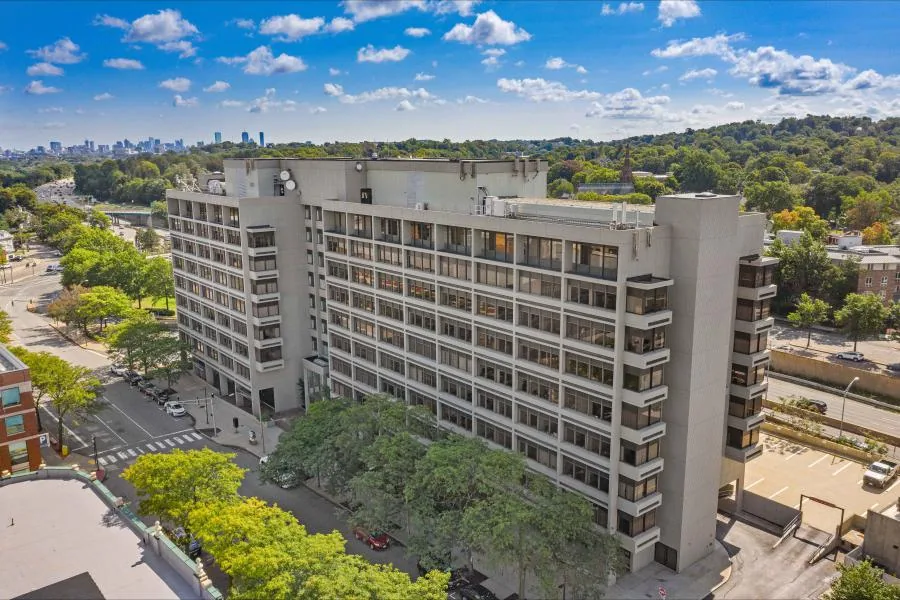
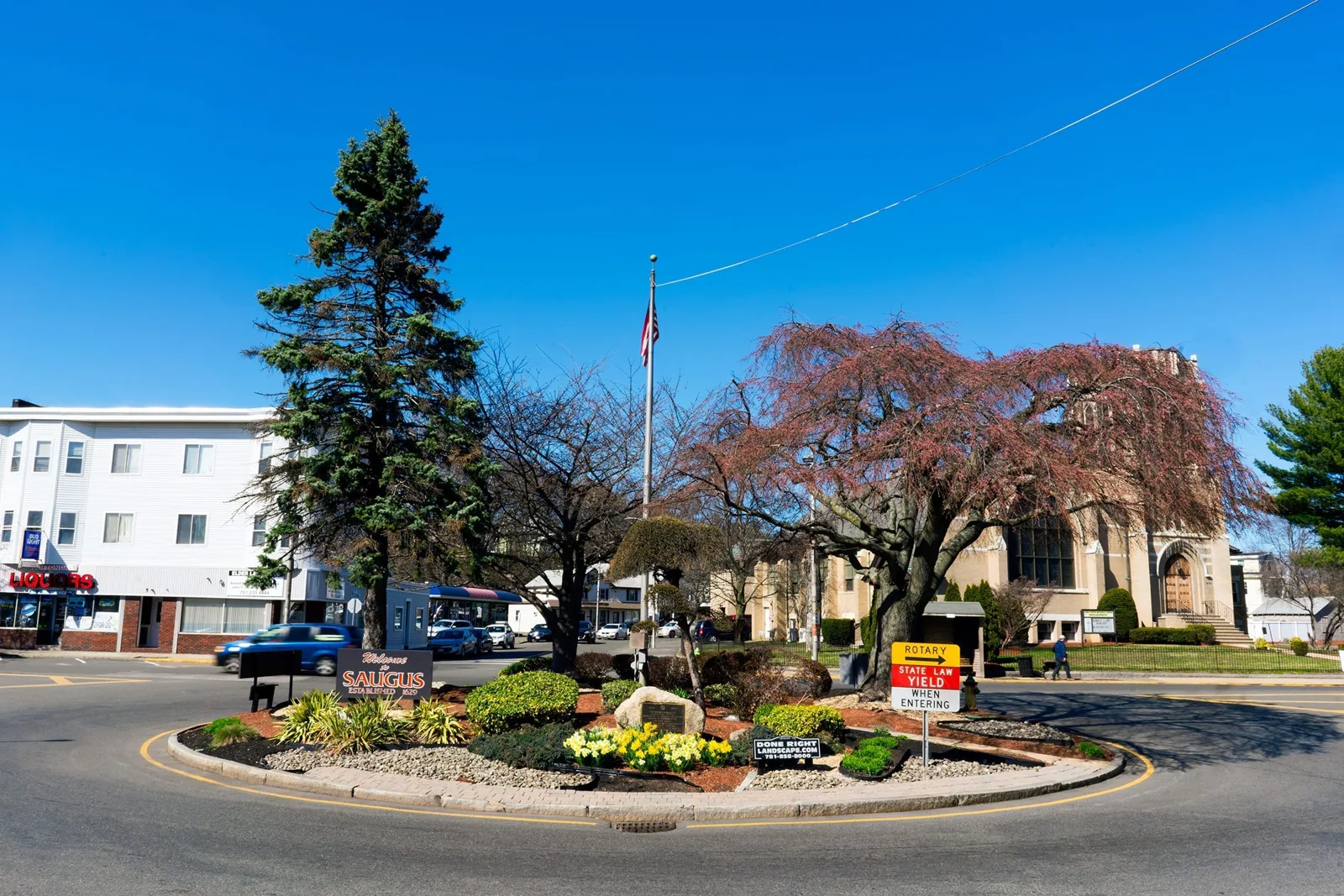
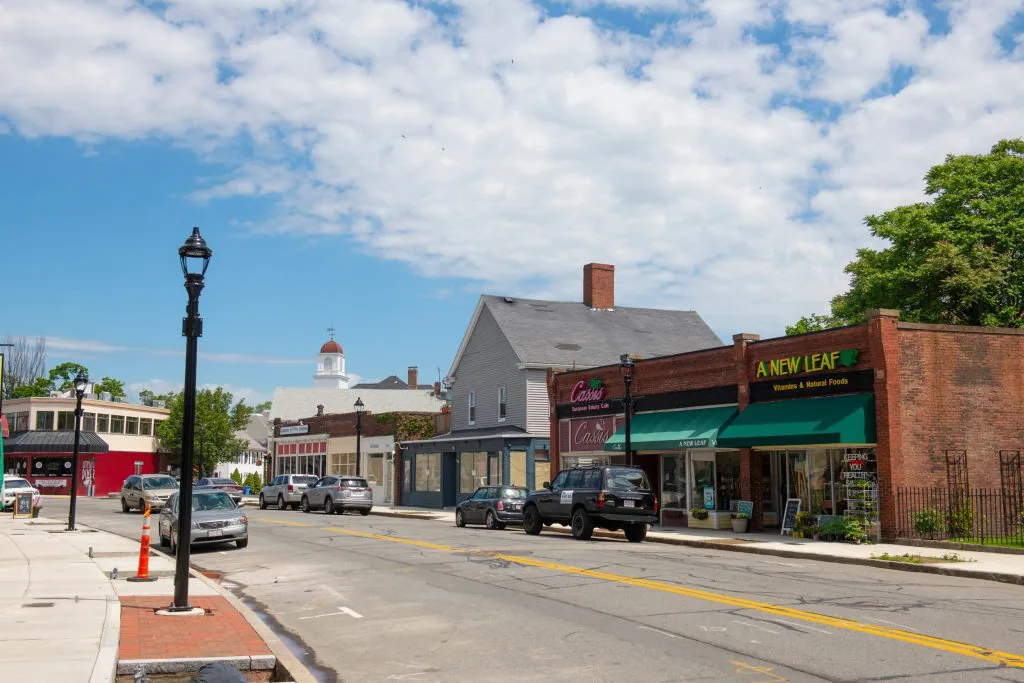
Access plan: coordinate a roof visit with an active campus
Before arrival, the property manager identifies the correct building, check-in procedure, access equipment, escort, and any scheduled work that could affect the roof visit. A campus employment figure does not tell us which areas are occupied, when deliveries take place, or where a crew may stage materials. We ask the building contact to confirm those points and identify rooms or operations that cannot tolerate dust, vibration, or water entry. If access is limited, the report names the section not reached and the arrangement needed for a follow-up inspection.
Beverly has multiple commuter-rail stations and regional road access. That is useful for planning coordination at a high level, but it is not a site-specific route or permission to use a particular entrance. The manager should confirm arrival instructions, loading limits, and lift placement. We add those constraints to the work sequence separately from roof observations so the owner can update logistics without changing the technical record.
Inspection record: map each condition to its roof zone
On the roof, we look at drains, scuppers, membrane seams, edge metal, penetrations, curb flashings, roof-to-wall transitions, and prior repair boundaries. Photos should identify the zone and show the defect in relation to surrounding material. If a tenant reports an interior stain or leak, we record the room and the report date separately, then compare those details with the accessible roof areas. A stain is not proof of a roof opening. If the water path is unresolved, we state whether a test opening or another form of investigation could change the repair recommendation.
Where the building's use involves health, engineering, or professional activity, the owner can identify sensitive rooms, equipment, or scheduling needs for protection. We do not infer those conditions from city employment categories. We ask what the specific facility requires, then define access, temporary dry-in, work hours, and cleanup around the answer. Infrared moisture review may help select areas for confirmatory testing under suitable conditions; the scan alone does not establish the state of concealed materials.
Lynn service-area climate: plan for year-round water control
On the Cummings Center side of Beverly, the nearby Logan climate record puts annual precipitation at 44.52 inches and snowfall at 48.2 inches. January's mean daily low is 24.3 degrees, while July's mean daily high reaches 83.2. That seasonal swing makes safe access and drainage review useful parts of a roof visit; the inspection then records what is actually present at the property.
When a property contact reports storm-related change, we inspect the details connected to that report and compare available earlier photographs. When a severe thunderstorm brings damaging wind or hail of at least one inch to southern New England, a timely roof walk can check for displacement or impact at accessible details. After a reported event, we inspect relevant roof details and base the cause and scope on findings at the property. Wind-related roof review can document new displacement or opened details without extending a finding to uninspected roof zones.
Scope comparison: protect occupants while the roof is open
If a defect is localized and surrounding materials remain stable, a bounded repair may be appropriate. If the condition recurs in several zones or concealed moisture could change quantities, testing should precede a final scope. The proposal should state preparation, materials, repair limits, temporary dry-in, interior protection, staging, access, exclusions, and how each work area will be closed out. Commercial roof repair can address a defined condition; replacement planning requires a separate phasing and removal plan.
Cost and timing depend on roof height, access method, crew and material staging, repair quantity, test results, and the owner-approved work window. Where the building must remain available to its users, the manager can identify acceptable work hours and any rooms that need advance notice. If other building work is underway, we note how roof access and protection coordinate with that schedule. The proposal will distinguish confirmed requirements from provisional assumptions, so the owner can see what could change before authorizing work.
When one request covers several buildings, we assign each a separate label, photo sequence, and quantity so a symptom at one does not silently expand another building's scope. The manager can compare access windows and assemblies without merging unlike conditions. A shared delivery restriction or escort is included only when the contact confirms that it applies to the work area.
Closeout file: preserve the inspection and repair history
At completion, return dated photos, materials, roof-zone boundaries, preparation details, test results, and any remaining exclusions to the owner. If a section could not be inspected, say why and identify the next access step. A follow-up date lets a manager revisit the same details and compare them with the current record. a property-level roof record can keep inspection and repair history organized, while capital planning can use those findings to schedule future work.
Owners who manage more than one service-area property should retain a separate scope and photo sequence for each building. For example, an owner with a property in Downtown Beverly or Cherry Hill Industrial Park should not apply Cummings Center access assumptions to another site's roof. Share the exact building contact, reported area, known repairs, and acceptable work window to request an inspection. We will define the visit around the conditions and access confirmed for that property.
If the owner's records are incomplete, we can identify which documents would sharpen a later decision, such as prior repair scopes, system records, or dated leak reports. Missing material is listed as an open question, not treated as a defect on its own. An owner can retrieve those records before the next annual budget review.
Commercial Roofing Questions
Does the Cummings Center employment figure describe every roof on the campus?
No. It identifies the campus as a major employment location, but does not establish each building's tenant, roof assembly, or operating schedule. We confirm the specific property and contact before planning a site visit or repair.
Can roof work be scheduled around the campus workday?
The building manager should identify access hours, escorts, sensitive rooms, deliveries, and any work that needs advance notice. We use those requirements to sequence the roof work and state the assumptions in the proposal.
What do you document on a first roof walk?
We map accessible roof zones, drainage, seams, edges, penetrations, flashings, prior repairs, and any reported leak area. The report distinguishes visible conditions from unconfirmed moisture and notes sections that could not be reached.
How do Lynn-area weather records affect Beverly roof planning?
They offer regional context for timing and inspection priorities, while the Beverly property's own conditions determine the scope. We do not use Lynn climate figures as proof that a specific campus roof has damage.
What should a campus roof repair proposal include?
It should state the work boundary, access and staging, materials, preparation, temporary dry-in, interior protection, schedule assumptions, exclusions, and closeout documentation. If testing could change the work, identify that step before final quantities are set.
Schedule a Cummings Center roof assessment
Provide the building contact, access instructions, reported roof zone, known repair history, and acceptable work window. We can document conditions and prepare a building-specific scope.
Back to Service Areas.